

Roofing guide · San Antonio, Texas
Which Roof Problems Do Homeowners Most Often Overlook?
The small, easy-to-miss roof problems that turn into leaks, and how to catch them from the ground.
The short answer
The roof problems homeowners overlook most are the small ones at joints and openings: lifted flashing, cracked pipe boots, debris in valleys, popped nails, worn granules, and faint ceiling stains. None looks dramatic from the yard, but each is a common place for water to get in. The City of San Antonio’s design guidelines recommend checking flashing for open seams and the roof surface for breaks or holes as part of regular maintenance. [1]
What are the most overlooked problems?
Six small issues that cause a lot of leaks.
| Problem | Why it’s missed | What to look for |
|---|---|---|
| Flashing | It’s thin and blends in | Bent or lifted metal at chimneys and walls |
| Pipe boots | They’re small and high up | Split or gray rubber around pipes |
| Valleys | Debris hides wear | Leaves or worn shingles where slopes meet |
| Nail pops | Raised nails are hard to see | Small bumps or holes in shingles |
| Granule loss | It happens slowly | Bare or dark patches; see granule loss |
| Faint stains | They look like old marks | New rings or spreading on ceilings |
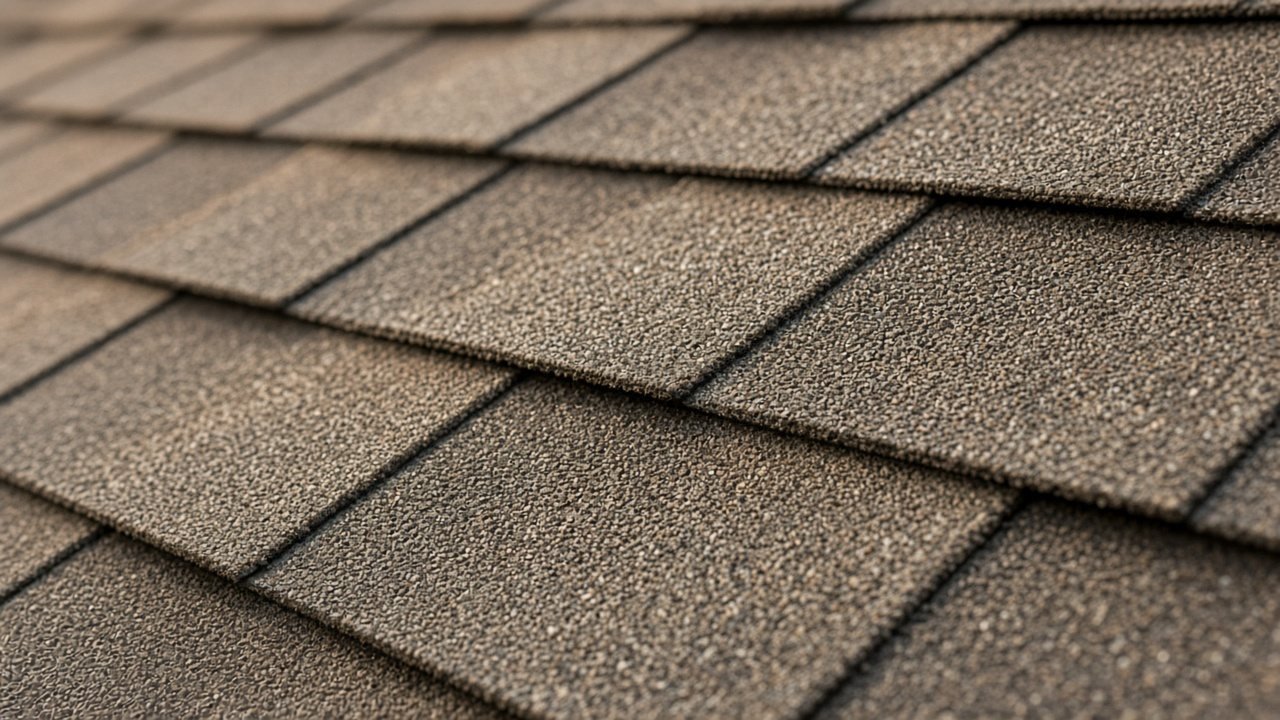
Why do small problems matter?
Water finds the weakest point.
Most of a roof is a continuous surface. Joints and openings are where that surface is interrupted, so they are where water gets in first. A small opening can let water reach the deck, which may need replacing before new roofing goes on. [2]
Our guide to what happens when you delay a repair shows how small problems grow.
How can you catch them early?
Regular, dated photos from the ground.
- Look at the roof with binoculars a few times a year and after storms.
- Take photos from the same spots so you can compare.
- Check ceilings after heavy rain.
- Book an inspection when you see a change.
What RRSATX recommends
Ask for a photo report when the roof is inspected. Close-up photos of flashing, boots, and valleys show you the parts you can’t see from the yard.
Next steps: what you can do, and what needs a pro
Watch the joints and openings; let a roofer fix them.
You can safely:
- Check the roof from the ground regularly.
- Keep comparison photos.
- Check ceilings after heavy rain.
- Have branches trimmed back from the roof.
Leave to a roofer: resealing flashing, replacing pipe boots, clearing and repairing valleys, and re-fastening nails. RRSATX offers a free roof inspection with a photo report and a written estimate.
Local roofing service
About Affordable Roofing Contractors San Antonio
Affordable Roofing Contractors San Antonio, also known as RRSATX, is a father-and-son roofing business owned by Ted. Ted has 40 years of hands-on roofing experience. The company carries $2 million in liability insurance coverage. It offers free roof inspections and leak inspections, with no fee and no obligation, provides a photo report after the inspection, and gives a free written estimate before any work starts. If storm damage is involved, RRSATX can help as your roofer, not your adjuster: it can document damage and prepare an estimate, but it cannot act as a public insurance adjuster or negotiate a claim for you. [3] RRSATX provides a written workmanship warranty; this guide does not state its terms.
- Phone
- (713) 504-2341
- sales@affordableroofingcontractorssanantonio.com
- Address
- 4324 Monterey St, San Antonio, TX 78237
- Contact
- Request a free roof inspection
Overlooked roof problems: questions answered
How often should I look at my roof?
A few times a year from the ground, and after every major storm.
Is a small ceiling stain worth a call?
Yes, especially if it is new or growing. See why small leaks matter.
Can these problems be fixed without replacing the roof?
Usually, yes. Most are small repairs if caught early.
Do roofers check these on an inspection?
A good inspection should cover flashing, penetrations, valleys, and the roof surface. Ask for photos.
Request a free roof inspection
Call or use the contact form. You get a photo report and a written estimate before any work starts.