
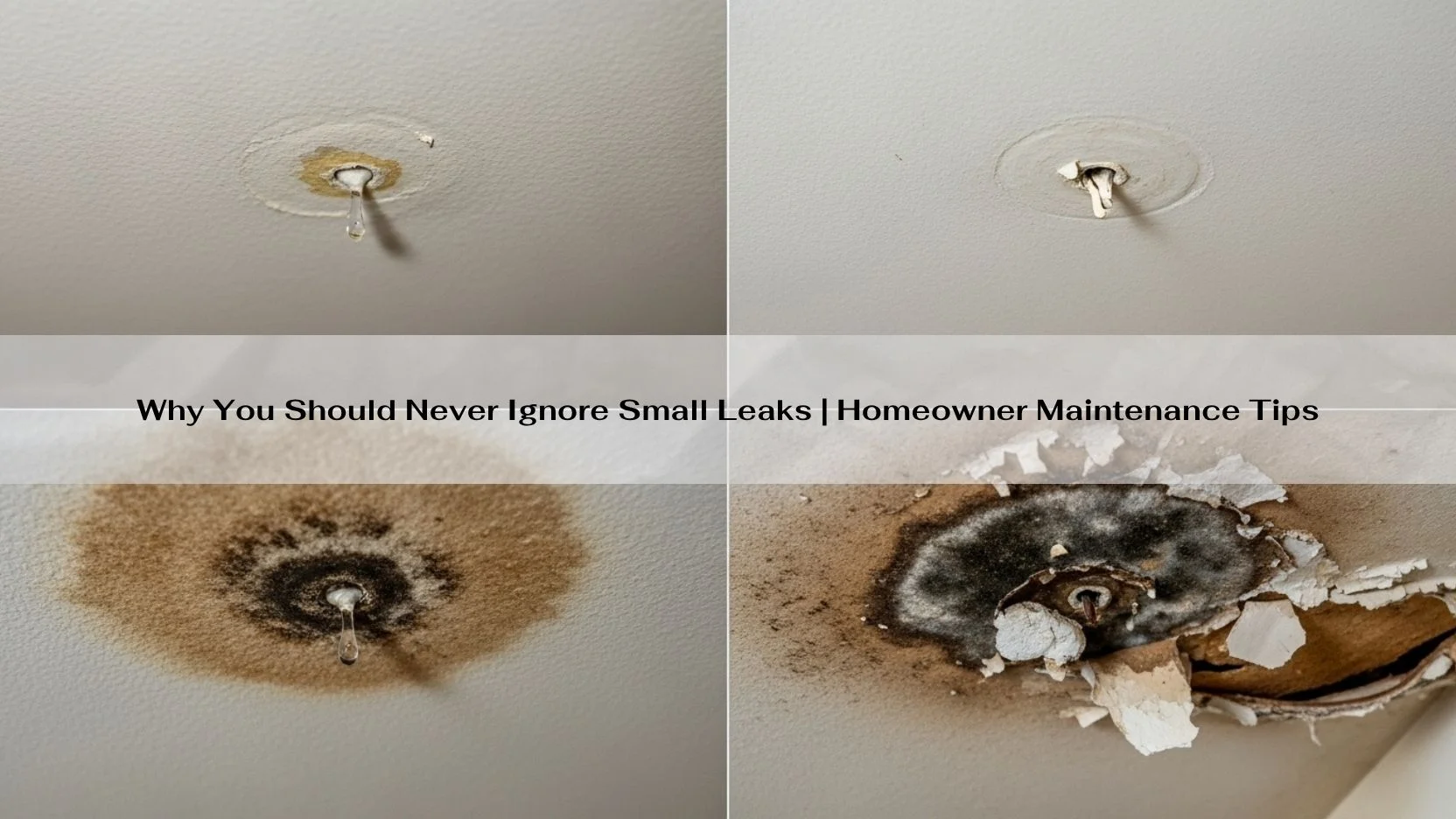
If you’ve ever heard a faint drip in the middle of the night and thought, “It’s probably nothing,” you’re not alone. Many homeowners ignore small leaks because they seem harmless. But that tiny drip can quickly turn into a costly, damaging, and even dangerous problem.
In this guide, we’ll walk you through why you should never overlook small leaks—and how to fix them before they become a major headache.
The Hidden Cost of Ignoring Leaks
You might not notice it right away, but small leaks waste more water than you think. According to the U.S. Environmental Protection Agency’s Fix a Leak Week, household leaks can waste nearly 10,000 gallons of water every year. That’s enough to fill a swimming pool!
Those drips don’t just drain your wallet they also drive up your utility bills. As Angi’s guide to plumbing leaks notes, even minor leaks can increase your water bill by 10% or more.
“Most homeowners I talk to don’t realize how much money they’re literally flushing down the drain,” says one plumbing expert. “Fixing leaks early is one of the easiest ways to save hundreds each year.”
Structural Damage Happens Faster Than You Think
Small leaks are sneaky. They often hide behind walls, under sinks, or around foundations. Over time, moisture seeps into drywall, wood, and flooring, causing swelling, rot, and even foundation cracks.
According to HomeAdvisor’s leak detection tips, these hidden leaks can cause thousands of dollars in structural repairs. And here’s the worst part by the time you see visible damage, it’s often too late.
“It’s the leaks you don’t see that cause the most expensive repairs,” explains a local contractor. “By the time water stains appear, the damage is already done.”
Health and Safety Risks You Can’t See
Leaks create the perfect environment for mold and mildew. Mold spores thrive in damp, dark areas like the ones caused by a dripping pipe. Over time, this can lead to respiratory problems, allergies, and other health issues.
As Angi’s home safety experts highlight, mold can start growing within just 24-48 hours of moisture exposure. The longer you wait to fix a leak, the higher the health risk becomes.
To spot early signs of moisture problems, watch for musty odors, peeling paint, or dark patches on walls. If you notice any of these, it’s time to act fast.
Insurance and Resale Impact
Ignoring leaks can also hurt you financially when it comes to insurance and resale value. Many homeowner insurance policies exclude coverage for long-term water damage caused by neglect.
According to Forbes Home’s plumbing repair analysis, untreated leaks can even reduce your home’s resale value. Buyers are quick to back out of homes with a history of water damage.
“No buyer wants a home with a water damage history,” notes a real estate agent. “It’s one of the biggest red flags in home inspections.”
How to Find and Fix Small Leaks Early
The good news? Preventing big problems is easy with regular maintenance.
Here’s how to spot and fix small leaks early:
- Check faucets and fixtures: Look for drips or rust around sinks, showers, and tubs.
- Inspect under sinks: Feel for moisture or discoloration on pipes and cabinets.
- Watch your water meter: If it’s running when no water is in use, you may have a hidden leak.
- Monitor your water bill: Sudden spikes could indicate a problem.
- Look around appliances: Check your dishwasher, washing machine, and water heater for puddles or corrosion.
If you’re unsure, ask a professional. The Reddit HomeImprovement community suggests hiring a licensed plumber for annual inspections to catch small issues before they grow.
Conclusion
A small leak might seem harmless today but it can lead to wasted water, expensive repairs, and health risks tomorrow. By taking early action, you’ll protect your home, your wallet, and your peace of mind.
So, don’t ignore that drip. Inspect your home regularly, make small fixes fast, and stay ahead of costly surprises.