
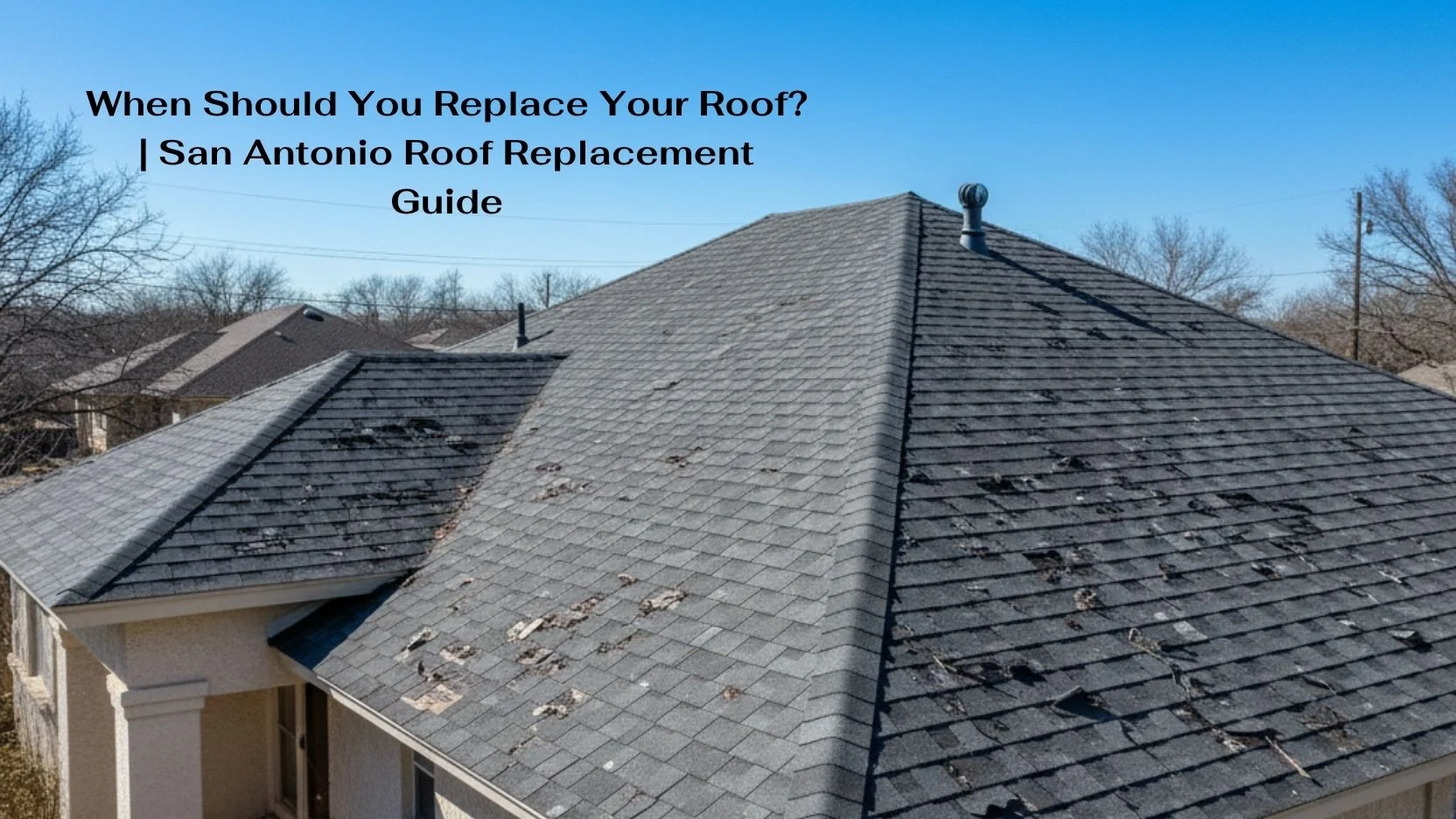
Replacing your roof is a big decision, but waiting too long can cost you more in repairs. Many homeowners don’t realize they need a new roof until leaks show up. A national survey shows that over 70% of homeowners delay roof replacement until water damage starts. That’s why knowing the signs early can save you time, stress, and money.
“Most homeowners I talk to just want someone to tell them the real signs of trouble without all the jargon,” says a San Antonio roofing specialist. And that’s exactly what this guide will do.
How Long Does a Roof Last?
Most roofs last between 20 and 30 years. But your exact lifespan depends on the material:
- Asphalt shingles: 20–25 years
- Metal roofing: 40–70 years
- Tile roofing: 50+ years
San Antonio’s hot climate shortens these timelines. According to NOAA climate data, intense heat and UV exposure cause shingles to break down faster. Many roofs in this area show signs of aging closer to the 18–22 year mark.
Major Signs You Need a Roof Replacement
Here are the clearest signs you might need a new roof:
1. Your Roof Is 20+ Years Old
Age alone is a strong indicator. Even if your roof “looks fine,” the materials may be worn out.
2. Curling, Cracked, or Missing Shingles
Heat and storms can break shingles apart. When multiple shingles are damaged, repairs won’t solve the real issue.
3. Heavy Granule Loss
If you find shingle granules in your gutters, your roof’s protective layer is breaking down.
4. Light or Leaks in the Attic
Sunlight shining through the attic means gaps. Leaks mean the damage has already begun.
5. Recurring Roof Leaks
Studies from HomeAdvisor show that ignoring leaks can double your long-term repair costs.
“When a leak keeps coming back, it’s usually a sign that the roof has widespread damage,” says a local contractor.
Weather Factors in San Antonio
San Antonio homeowners face unique roofing challenges.
- Extreme Heat: Continuous sun exposure dries out shingles faster.
- UV Damage: UV rays weaken roofing materials over time.
- Hail and Sudden Storms: The Insurance Information Institute reports that hail-related roof claims have risen more than 40% in the last decade.
All these conditions mean roofs in San Antonio wear out sooner than in cooler climates.
Repairs vs. Replacement: Which Is Better?
A repair may be enough if the damage is small and limited to one area. But replacement becomes the better choice when:
- Damage appears across large sections
- The roof is older than 20 years
- Leaks happen more than once
The HomeAdvisor roofing cost report shows that multiple repairs can end up costing 50% more than replacing the roof early.
How a New Roof Boosts Your Home Value
A roof is one of the top 3 features that buyers look at when touring a home, according to Zillow housing trends. A new roof:
- Boosts curb appeal
- Helps your home sell faster
- Shows buyers the home is well cared for
Plus, energy-efficient roofing can reduce heating and cooling bills.
Why Choose a Trusted Local Contractor
Homeowners feel safer hiring a contractor who knows their area. Our team at Affordable Roofing Contractors San Antonio serves:
- 4324 Monterey St, San Antonio, TX 78237
- 318 E Nakoma Dr #210, San Antonio, TX 78216
We understand San Antonio weather, building codes, and common roof problems.
“Local roofers see the real conditions every day. They know what works and what fails,” one homeowner shared after replacing their roof.
If you’re noticing signs of wear, it may be time to schedule an inspection. Acting early can prevent bigger, more expensive issues.
Conclusion
Your roof protects your home every day, but it can’t last forever. If your roof is showing signs of age or damage, replacing it sooner rather than later will save you money and stress. And with San Antonio’s weather, staying ahead of problems makes all the difference.