
With over a decade of experience analyzing residential and commercial construction trends in Texas, we’ve seen how critical the right roof structure is for long-term durability especially in San Antonio’s heat, wind loads, and occasional severe storms.
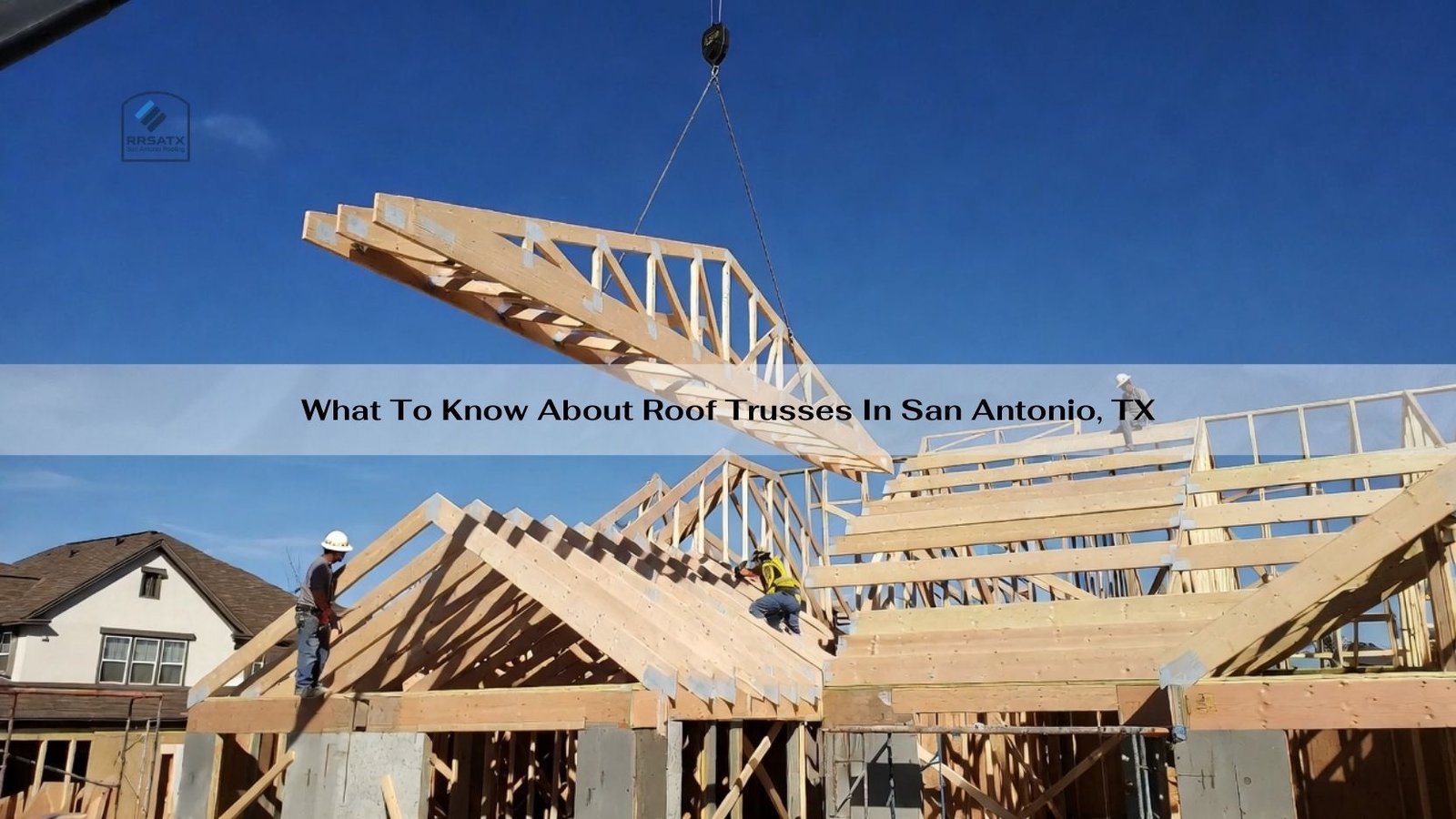
Roof trusses are engineered structural frameworks that support your roof by evenly distributing weight across walls, making them stronger, faster to install, and often more cost-effective than traditional rafters.
If you’re a homeowner or business owner in San Antonio planning a new build or roof replacement, here’s exactly what you need to know.
What Are Roof Trusses And How Do They Work?
Roof trusses are pre-engineered triangular wood or steel frameworks that support the roof deck and transfer loads to exterior walls.
Unlike traditional stick-built rafters assembled onsite, trusses are:
- Factory-built to precise specifications
- Designed to handle dead loads (roof materials) and live loads (wind, maintenance workers, etc.)
- Installed as complete units
Key takeaway: Trusses improve structural integrity while reducing onsite labor time.
What Are The Main Types Of Roof Trusses?
Different roof styles require different truss designs.
Common Types Of Roof Trusses
| Type | Best For | Key Benefit |
| King Post | Small homes | Simple, cost-effective |
| Fink | Most residential homes | Strong + efficient |
| Scissor | Vaulted ceilings | Interior height without rafters |
| Attic | Extra storage | Built-in usable space |
| Gambrel | Barn-style roofs | Maximum interior volume |
| Flat Truss | Commercial buildings | Supports flat roofing systems |
In San Antonio, Fink trusses are most common for residential homes, while flat and steel trusses are typical for commercial buildings.
Roof Trusses VS Rafters: Which Is Better?
For most modern builds, roof trusses are more efficient and cost-effective than rafters.
Roof Trusses
- Pre-fabricated
- Faster installation
- Engineered for load precision
- Lower labor costs
Rafters
- Built onsite
- Flexible for custom designs
- Higher labor cost
- Slower install time
For large-scale or time-sensitive projects in San Antonio, trusses are typically the smarter choice.
How Are Roof Trusses Made?
Roof trusses are manufactured in controlled factory environments using precision cutting and metal connector plates.
The Process:
- Structural engineer designs truss layout
- Lumber or steel is cut to exact measurements
- Components are assembled using hydraulic presses
- Metal plates secure joints
- Quality inspection ensures load compliance
Factory production ensures consistent strength and reduced waste.
How Much Do Roof Trusses Cost In San Antonio?
Roof truss costs typically range from $6 to $12 per square foot installed, depending on size, span, and materials.
Factors That Affect Cost:
- Roof span and pitch
- Custom vs standard design
- Wood vs steel trusses
- Crane access and labor
- Commercial vs residential scale
Custom roof trusses for large buildings will cost more due to engineering requirements.
Wooden Roof Trusses VS Steel Trusses
Both materials are common in Texas construction.
Wooden Roof Trusses
- Lower upfront cost
- Easy to modify onsite
- Common for residential homes
Steel Roof Trusses
- Higher durability
- Better for large spans
- Resistant to termites and rot
- Common in commercial buildings
In humid or termite-prone areas of Texas, steel may offer longer-term durability advantages.
How Do Roof Trusses Improve Structural Integrity?
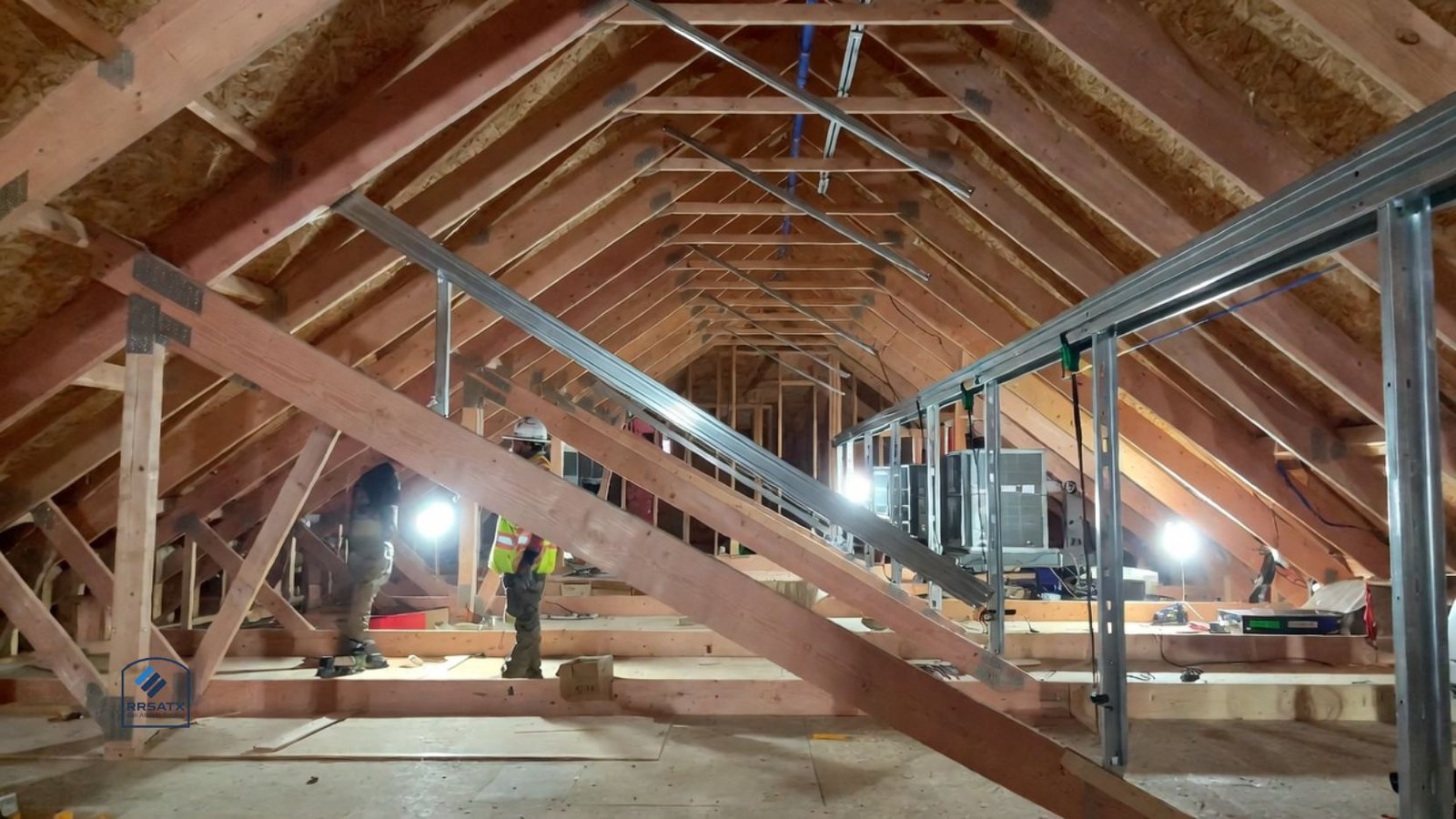
Roof trusses distribute weight evenly, reducing stress points on walls and foundations.
Benefits include:
- Greater wind resistance (important in South Texas)
- Reduced sagging over time
- Stronger load-bearing capacity
- Increased building lifespan
Properly engineered trusses are critical in areas exposed to high winds and heat expansion.
Are Roof Trusses Energy Efficient?
Yes when designed properly.
Roof trusses can:
- Allow deeper insulation layers
- Create attic ventilation channels
- Reduce thermal bridging
In San Antonio’s hot climate, attic ventilation and insulation design significantly affect energy bills.
What Are Common Problems With Roof Trusses?
Most issues come from poor installation, not the truss itself.
Common problems include:
- Improper bracing
- Overloading (HVAC units or solar without reinforcement)
- Moisture damage
- Poor attic ventilation
Regular roof inspections can prevent structural damage.
Can You Install Roof Trusses Yourself?
DIY roof truss installation is not recommended.
Why:
- Requires precise alignment
- Needs crane operation
- Must meet local building codes
- Improper installation risks structural failure
For San Antonio projects, always use licensed professionals familiar with Texas building codes.
How To Choose The Right Roof Trusses For Your Building
Start with these considerations:
- Roof style (gable, hip, flat, vaulted)
- Building span width
- Desired attic or storage space
- Budget constraints
- Wind load requirements in your area
- Residential vs commercial application
For large commercial buildings in San Antonio, engineered steel trusses often provide better long-span performance.
FAQs
How Long Do Roof Trusses Last?
Wood trusses can last 50+ years, while steel trusses may last even longer with proper maintenance.
Are Pre-Fabricated Roof Trusses Better?
Yes. Pre-fabricated roof trusses offer consistent quality, faster installation, and lower labor costs.
Do Roof Trusses Increase Home Value?
Indirectly, yes. Strong structural framing improves long-term durability and buyer confidence.