
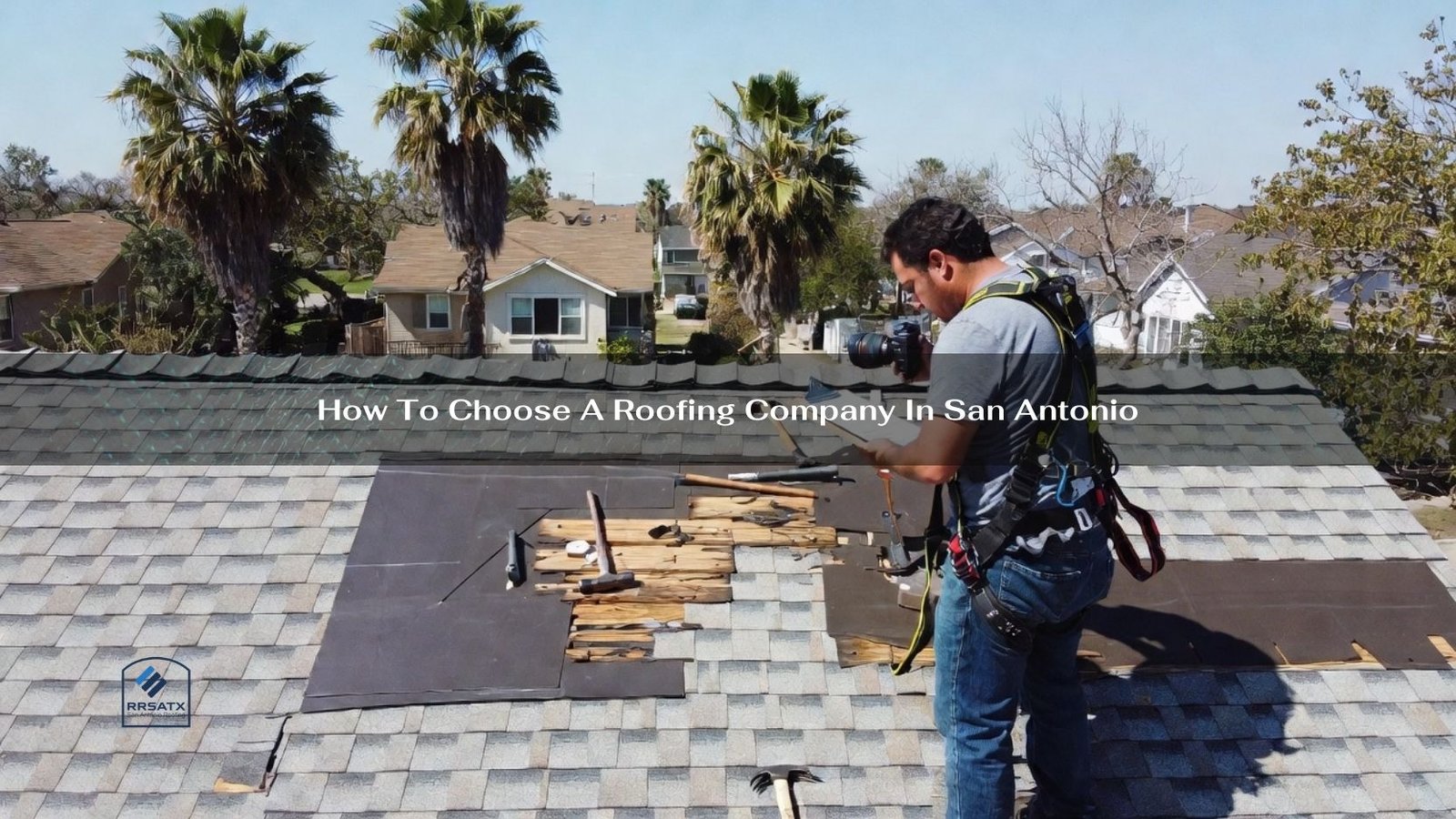
With years of hands-on experience working on residential and commercial roofs across San Antonio from older homes near Monterey St to newer properties around Nakoma Dr I’ve seen what separates reliable roofing companies from costly mistakes. Choosing the wrong contractor can lead to leaks, failed inspections, and denied insurance claims.
To choose a roofing company, verify licensing and insurance, confirm local experience, review written estimates in detail, check real customer feedback, and ensure they provide a clear inspection and warranty process.
Below is a step-by-step guide tailored for San Antonio property owners.
What Should You Look For First In A Roofing Company?
Start with licensing, insurance, and physical presence in your area.
Before discussing price, confirm:
- General liability insurance
- Workers’ compensation coverage
- A local business address
- A written contract (not verbal promises)
In Texas, roofing contractors are not state-licensed, which makes insurance and reputation even more important.
Key takeaway: If a roofer cannot provide proof of insurance, do not move forward.
Why Does Local Experience In San Antonio Matter?
Roofing in South Texas requires climate-specific knowledge.
San Antonio roofs face:
- High UV exposure
- Sudden hailstorms
- Strong seasonal winds
- Rapid temperature swings
A contractor unfamiliar with local weather patterns may install materials that degrade quickly or fail to meet wind standards.
Ask:
- How long have you worked in San Antonio?
- Can you show recent local projects?
- Do you understand Bexar County inspection requirements?
Local contractors are also easier to reach if warranty issues arise.
How Do You Compare Roofing Estimates Properly?
Not all roofing estimates are equal even if the price looks similar.
A professional estimate should include:
- Type and brand of materials
- Underlayment details
- Flashing replacement
- Ventilation upgrades
- Tear-off vs overlay clarification
- Cleanup process
- Timeline
Example Comparison
| Item | Low-Detail Estimate | Professional Estimate |
| Material Brand | Not specified | Listed clearly |
| Underlayment | Not mentioned | Type included |
| Ventilation | Ignored | Ridge/box vents detailed |
| Warranty | Vague | Written terms included |
Key takeaway: The cheapest bid often leaves out critical components.
How Important Are Online Reviews And Reputation?
Customer reviews provide insight into communication, reliability, and workmanship.
Look for:
- Consistent 4+ star ratings
- Detailed comments (not generic praise)
- Responses from the business
- Reviews mentioning insurance claims or storm repair
Be cautious of:
- Only 5-star reviews with no detail
- Recently created profiles
- No Google Business presence
Also check:
- Google Business Profile
- Better Business Bureau
- Local Facebook community groups
Should A Roofing Company Offer A Free Inspection?
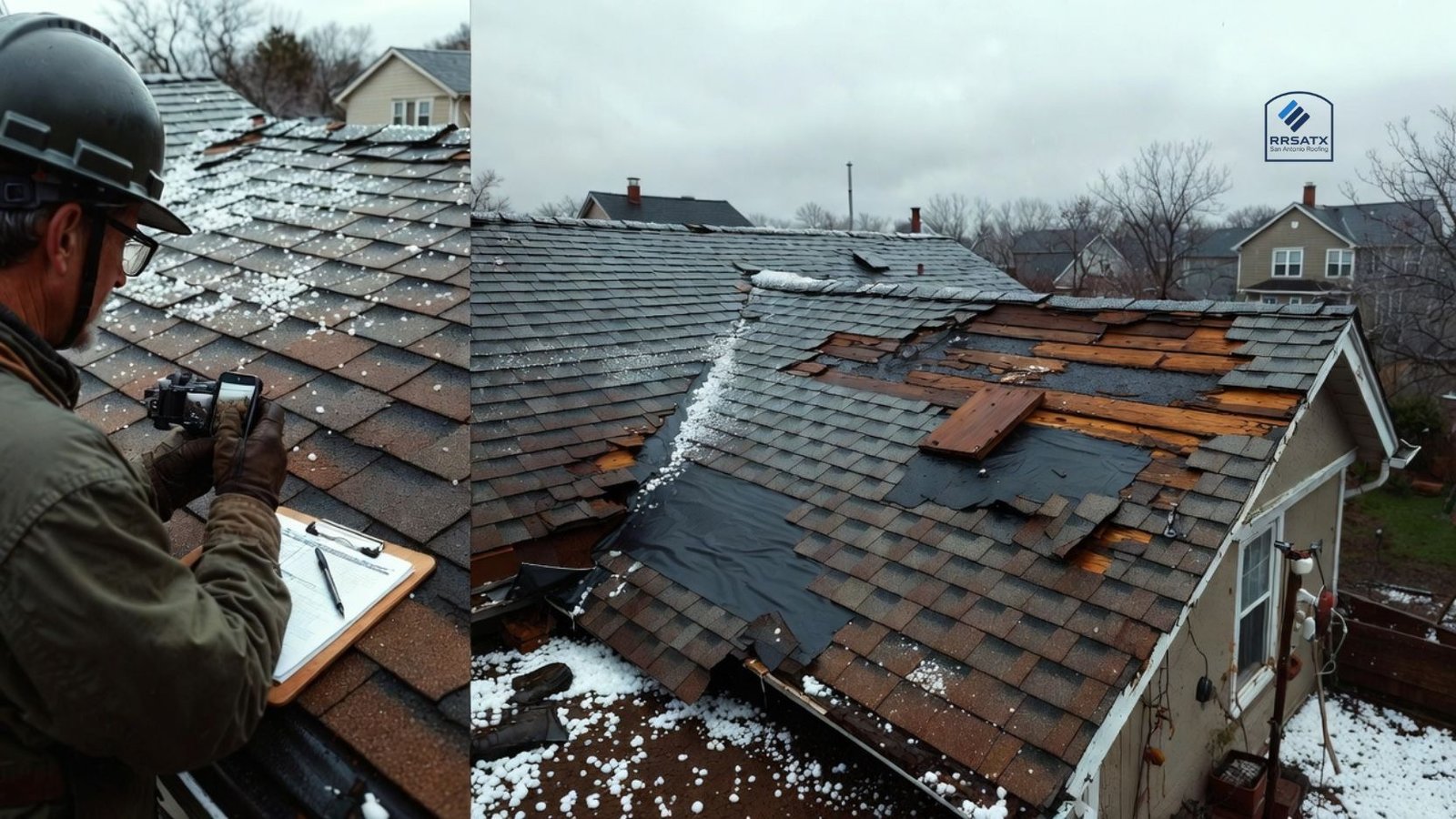
Yes. A reputable roofer should provide a clear, documented inspection before recommending replacement.
A proper roof inspection should include:
- Shingle or metal condition
- Flashing assessment
- Ventilation review
- Decking concerns
- Storm damage documentation
- Photo evidence
This is especially critical for:
- Insurance claims
- Home sales
- Aging roofs (15–20+ years old)
Avoid contractors who push full replacement without showing evidence.
What Questions Should You Ask Before Signing?
Ask direct, practical questions to avoid future disputes.
- Who will supervise the project?
- Will you remove all old roofing materials?
- How do you protect landscaping and driveways?
- What happens if damaged decking is found?
- Is the warranty backed by the manufacturer?
Clear answers indicate organization and professionalism.
How Do Warranties Work For Roofing Projects?
There are two types of warranties: workmanship and manufacturer.
Workmanship Warranty
Covers installation errors.
Typically 1–10 years depending on contractor.
Manufacturer Warranty
Covers material defects.
Ranges from 20–50 years depending on product.
Important:
- Manufacturer warranties often require certified installation.
- Improper installation can void coverage.
Get all warranty details in writing.
Is It Better To Hire A Large Company Or A Smaller Local Roofer?
The right choice depends on accountability and quality not size.
Large companies may offer:
- More crews
- Faster scheduling
Smaller local companies may offer:
- Direct communication with owner
- Stronger local reputation
- More personalized service
In San Antonio, accountability and follow-through matter more than company size.
FAQs
How Many Roofing Quotes Should I Get?
Get at least 2–3 written estimates to compare scope, not just price.
Can I Trust A Roofer Who Knocks On My Door After A Storm?
Be cautious. Always verify insurance, reviews, and local presence before signing anything.
How Long Should A Roof Replacement Take?
Most residential roofs in San Antonio take 1–3 days, depending on size and complexity.