
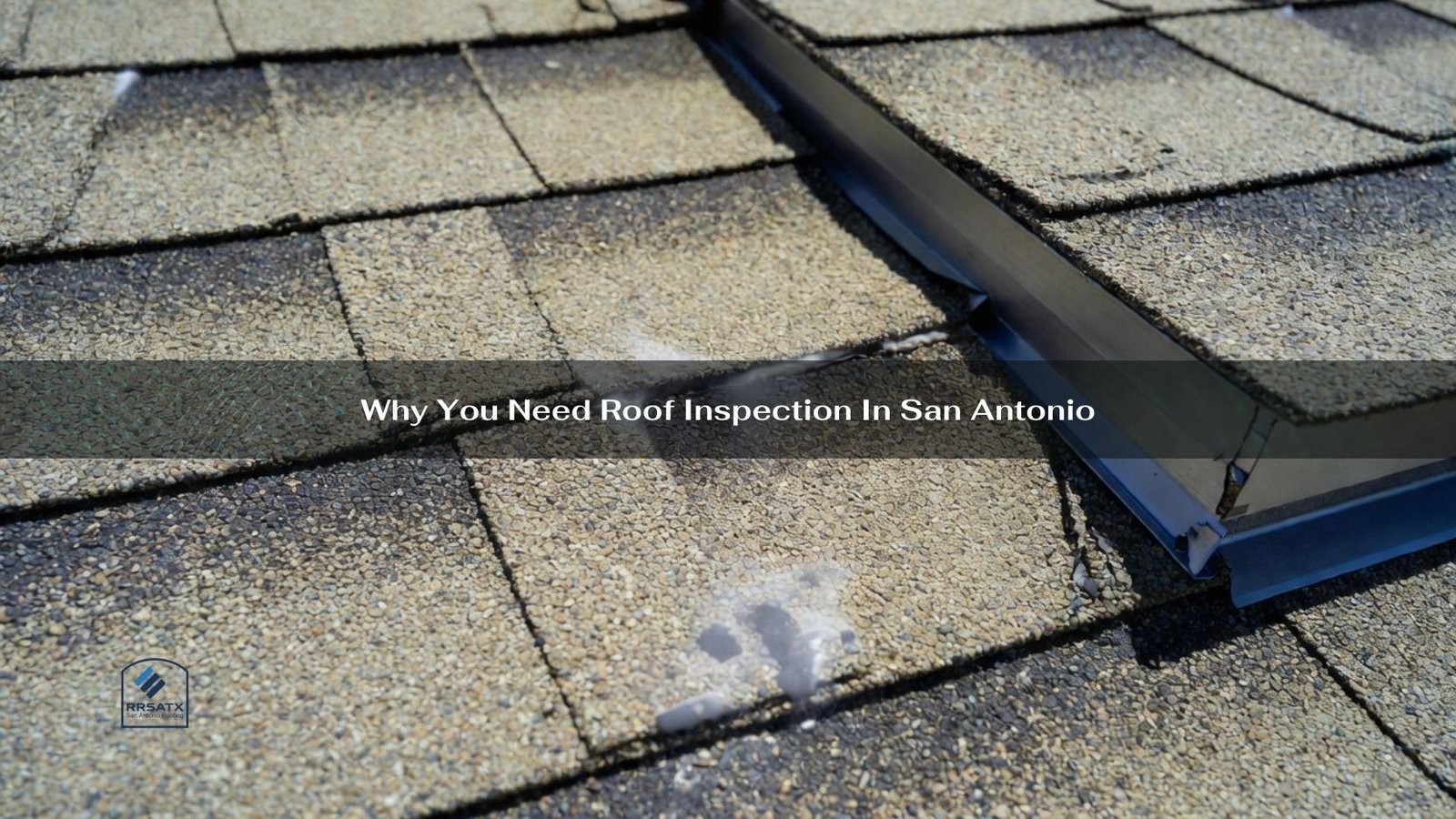
With decades of hands-on roofing experience evaluating homes and commercial buildings across San Antonio, we’ve seen how routine inspections prevent expensive structural damage. In South Texas, intense heat, hail, and heavy rain accelerate roofing wear faster than many property owners realize.
Why you need a roof inspection: A professional roof inspection identifies hidden damage, prevents costly leaks, protects insurance claims, and extends the life of your roofing system.
Key takeaway: Most serious roof problems start small and go unnoticed without inspection.
What Does A Roof Inspection Actually Check?
A roof inspection evaluates both visible and hidden problem areas.
A thorough inspection includes:
- Shingle condition and granule loss
- Flashing around chimneys, vents, and skylights
- Roof decking integrity
- Attic ventilation performance
- Signs of water intrusion or mold
- Gutter and drainage function
In commercial properties, inspections also assess membrane seams, ponding areas, and penetrations.
Inspections are not just visual, they evaluate system performance.
Why Is A Roof Inspection Important After A Storm?
Storm damage is often invisible from the ground.
In San Antonio (including 78237 and 78216), hail and wind can:
- Bruise shingles without tearing them
- Loosen flashing
- Crack sealant around penetrations
- Shift metal panels
Damage may not leak immediately but can worsen within months.
Prompt inspection provides documentation for insurance claims and prevents delayed interior damage.
Can A Roof Inspection Prevent Expensive Repairs?
Yes. Early detection significantly reduces repair costs.
Here’s how inspection timing impacts cost:
| Inspection Timing | Typical Outcome | Cost Impact |
| Annual preventive | Minor repairs | Low |
| After visible leak | Moderate repair + interior fix | Medium |
| After prolonged neglect | Structural repair or replacement | High |
Water spreads beneath roofing materials before staining ceilings. By the time interior signs appear, damage is often extensive.
Key takeaway: Preventive inspections cost far less than structural repairs.
How Often Should You Schedule A Roof Inspection?
Most properties should be inspected at least once per year.
Recommended schedule:
- Annually for standard residential roofs
- Twice per year for flat or commercial roofs
- After major storms
- Before buying or selling property
- When filing insurance claims
For roofs older than 15–20 years, annual inspections are critical to monitor material wear.
Is Roof Inspection Necessary For Older Roofs?
Absolutely. Aging roofs require closer monitoring.
Over time, roofing materials experience:
- Sealant breakdown
- Nail loosening
- Shingle brittleness
- Flashing corrosion
An inspection helps determine whether:
- Targeted repairs are sufficient
- Ventilation is contributing to wear
- Replacement planning should begin
Avoiding inspection on older roofs increases the risk of sudden failure.
How Does A Roof Inspection Protect Property Value?
Inspection reports provide documented proof of roof condition.
For homeowners:
- Buyers gain confidence
- Negotiations are smoother
- Surprises during escrow are minimized
For commercial building owners:
- Maintenance documentation supports asset valuation
- Tenants feel secure in property condition
- Insurance carriers may request inspection records
Roof condition directly influences appraisal outcomes in competitive markets.
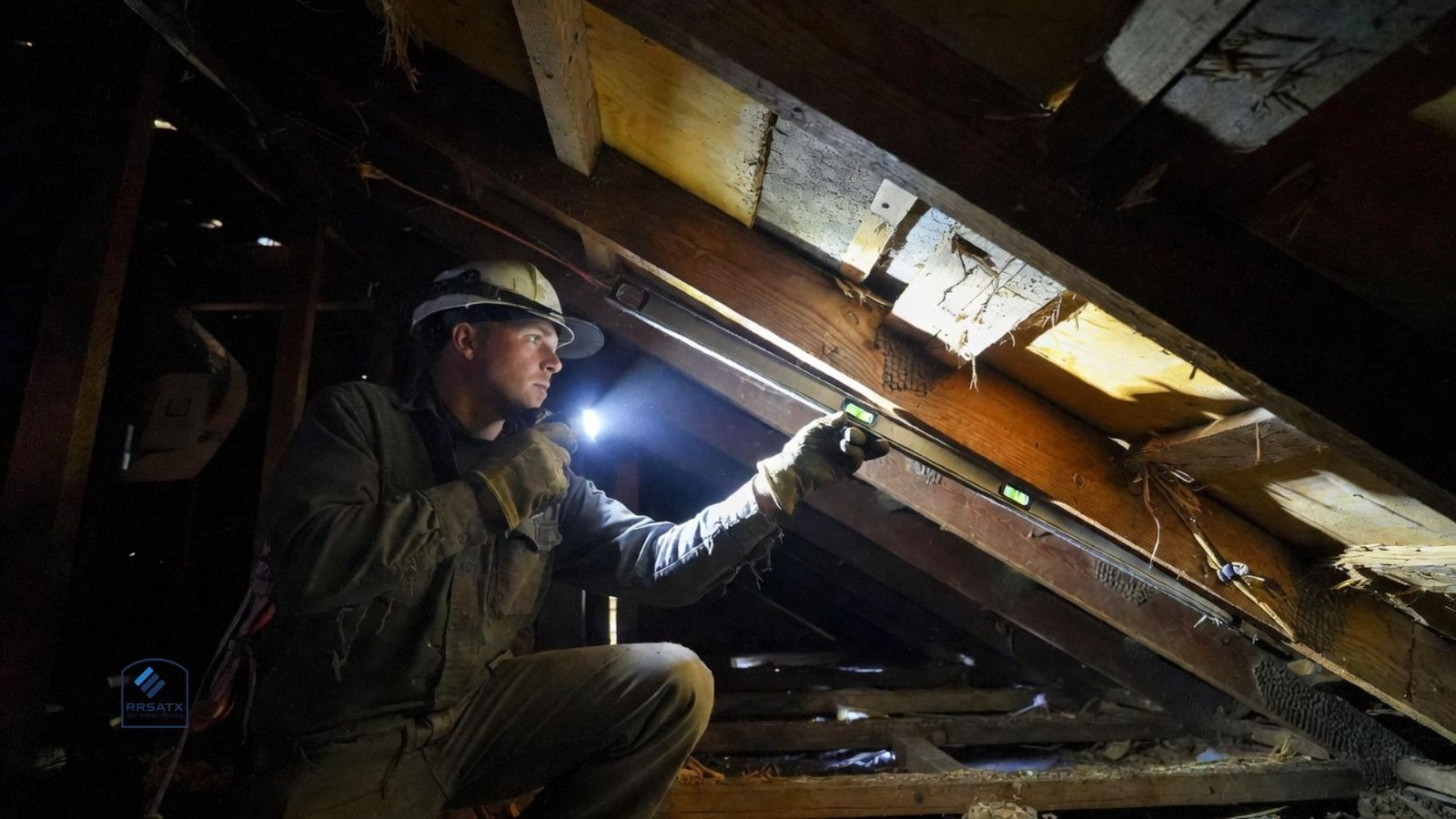
What Happens During A Professional Roof Inspection?
A professional inspection typically includes:
- Exterior roof evaluation
- Flashing and penetration assessment
- Attic moisture and ventilation review
- Structural sagging check
- Detailed written findings
Inspectors may also provide photo documentation to support repair recommendations.
Inspections should never rely solely on ground-level observation.
Is A Roof Inspection Worth It If There Are No Visible Problems?
Yes. Many roofing failures begin without visible signs.
Examples include:
- Slow leaks under flashing
- Minor hail bruising
- Vent boot cracking
- Early decking moisture
Waiting for visible damage often means higher repair costs.
Key takeaway: Proactive inspection prevents reactive spending.
FAQs
How Long Does A Roof Inspection Take?
Most residential inspections take 45–90 minutes depending on roof size and complexity.
Will A Roof Inspection Disrupt My Home Or Business?
No. Inspections are non-invasive and typically require only roof and attic access.
Can A Roof Inspection Help With Insurance Claims?
Yes. Inspection documentation provides evidence of storm-related damage and supports accurate claim evaluation.