
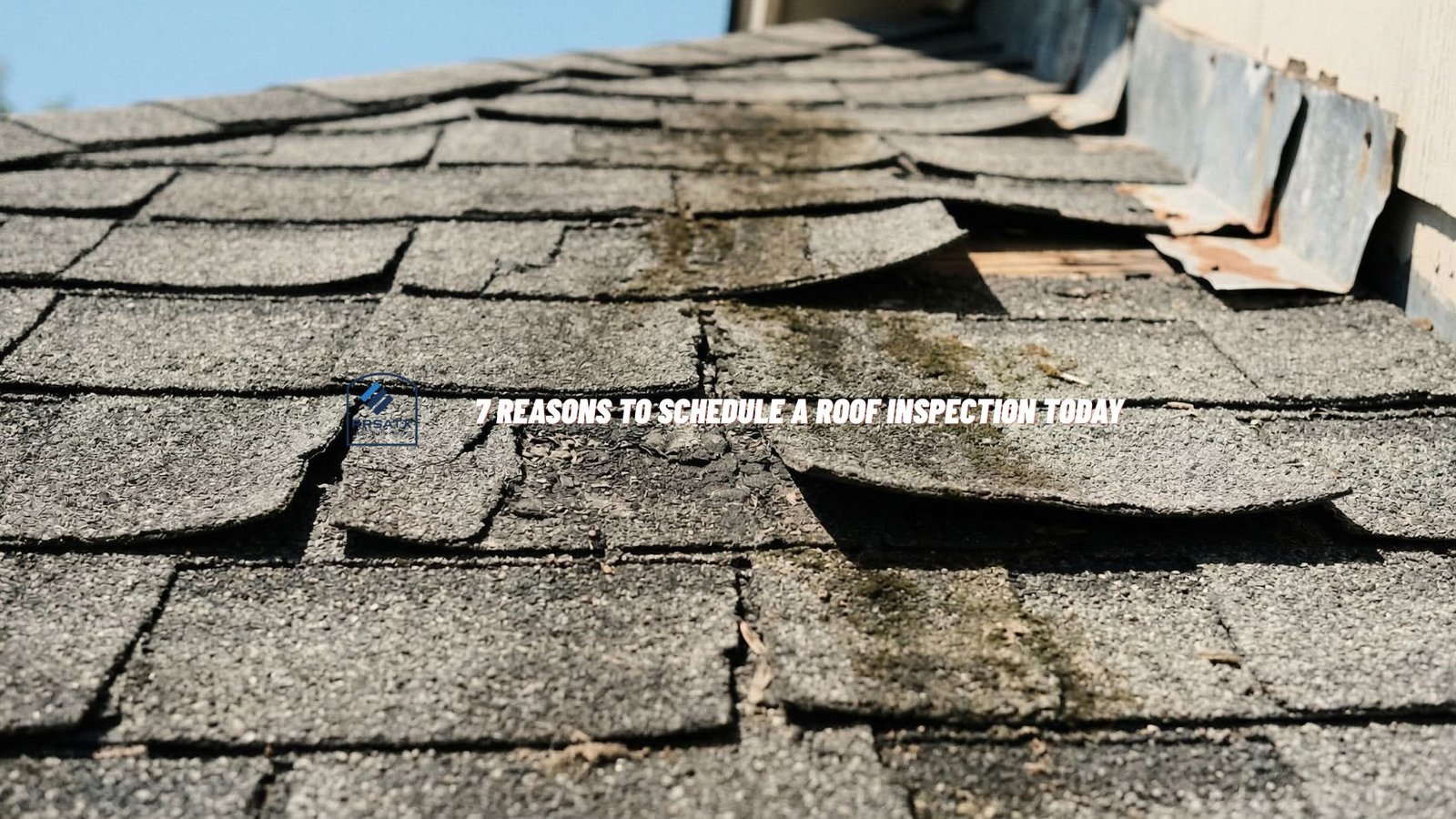
At RRSATX: San Antonio Roofing Company, our team works daily with homeowners and commercial property owners across San Antonio to address leaks, hail damage, and aging roofs. From properties near Monterey St to Nakoma Dr, we’ve seen how quickly minor roofing issues can turn into costly structural repairs in South Texas weather.
The answer: You should schedule a roof inspection today to catch hidden damage early, prevent costly repairs, protect insurance eligibility, and extend the life of your roof especially in storm-prone areas like San Antonio.
Below are the 7 most important reasons based on real-world roofing conditions in Bexar County.
1. Can A Roof Inspection Prevent Expensive Repairs?
Yes. A professional roof inspection can identify minor issues before they become major structural problems.
Small issues like:
- Cracked shingles
- Loose flashing
- Soft decking spots
- Minor hail impacts
can lead to:
- Interior water damage
- Mold growth
- Damaged insulation
- Ceiling collapse
Key takeaway: Fixing a $300–$800 issue early can prevent a $5,000+ interior repair.
2. Why Is Storm Damage In San Antonio Often Missed?
Hail and wind damage is frequently invisible from the ground.
San Antonio experiences:
- Hailstorms in spring
- High winds during summer storms
- Heavy rainfall events
Damage may include:
- Bruised shingles
- Lifted tabs
- Compromised seals
- Damaged flashing around vents and chimneys
Without inspection, homeowners often discover damage only after leaks appear.
3. How Does A Roof Inspection Help With Insurance Claims?
An inspection provides documentation that supports storm-related claims.
Most insurance carriers require:
- Date of loss estimates
- Photo documentation
- Condition reports
If damage is documented early, you reduce the risk of claim denial due to “wear and tear” classification.
This is especially important after hail events in Bexar County.
4. Is Your 15–20-Year-Old Roof At Higher Risk?
Yes. Roofs over 15 years old require more frequent inspections.
Typical lifespans in Texas heat:
| Roofing Material | Average Lifespan |
| 3-tab shingles | 15–20 years |
| Architectural shingles | 20–30 years |
| Metal roofing | 40–50+ years |
UV exposure and thermal expansion in South Texas accelerate aging.
If your roof is nearing the end of its service life, inspections help you plan rather than react.
5. Are You Buying Or Selling A Home?
A roof inspection protects both buyers and sellers.
For buyers:
- Confirms roof condition
- Prevents surprise repairs after closing
For sellers:
- Adds transparency
- Reduces last-minute negotiation issues
In competitive San Antonio real estate markets, roof condition can influence appraisal value.
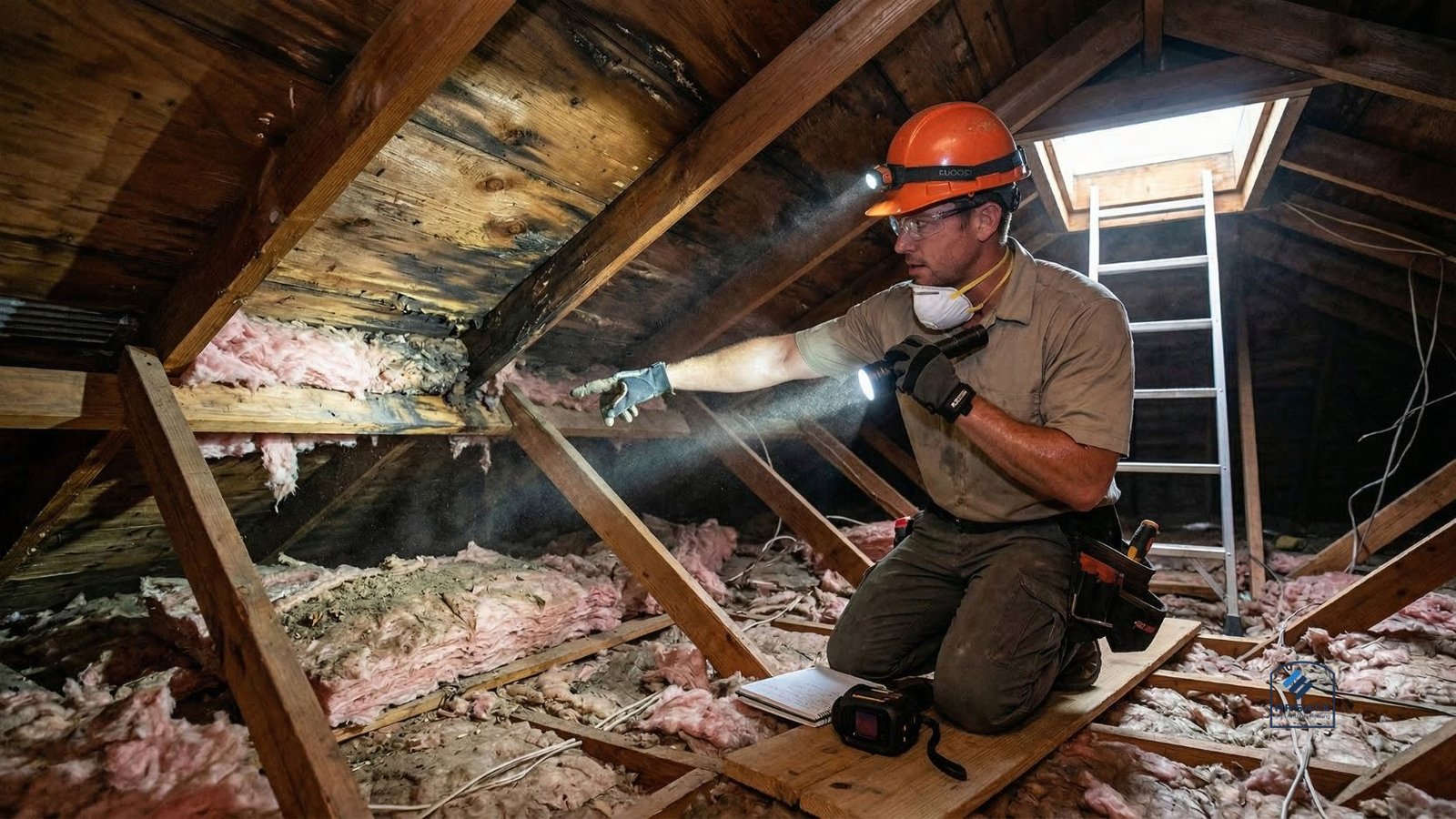
6. Can Inspections Improve Energy Efficiency?
Yes. Roof issues often affect insulation and ventilation.
Inspectors check:
- Attic ventilation
- Intake and exhaust balance
- Insulation condition
- Heat buildup damage
Poor ventilation increases cooling costs in Texas summers.
Fixing airflow issues can improve HVAC performance and reduce monthly energy bills.
7. Does Routine Inspection Extend Roof Lifespan?
Yes. Regular inspections can extend a roof’s functional life by several years.
Maintenance may include:
- Resealing flashing
- Replacing isolated shingles
- Securing loose fasteners
- Clearing drainage pathways
Preventive care slows deterioration and protects your investment.
Key takeaway: A well-maintained roof lasts longer and performs better during storms.
When Should You Schedule A Roof Inspection In San Antonio?
You should schedule one:
- After a hail or windstorm
- If your roof is 15+ years old
- Before buying or selling property
- If you see water stains or sagging
- Annually for commercial buildings
Properties near 4324 Monterey St and 318 E Nakoma Dr experience typical South Texas weather exposure, making yearly evaluations practical.
FAQs
How Long Does A Roof Inspection Take?
Most residential inspections take 45–90 minutes, depending on roof size and pitch.
Is A Roof Inspection Necessary If There’s No Leak?
Yes. Many roofing failures develop beneath shingles before interior signs appear.
How Often Should Commercial Roofs Be Inspected?
Twice per year is recommended especially for flat or low-slope systems.
Conclusion
Scheduling a roof inspection today is a proactive decision that protects your home, finances, and long-term property value. In San Antonio’s heat, hail, and wind, small roofing issues can escalate quickly.
Regular inspections are not just maintenance they are risk management.