Metal Roofing Cost Guide: San Antonio, TX
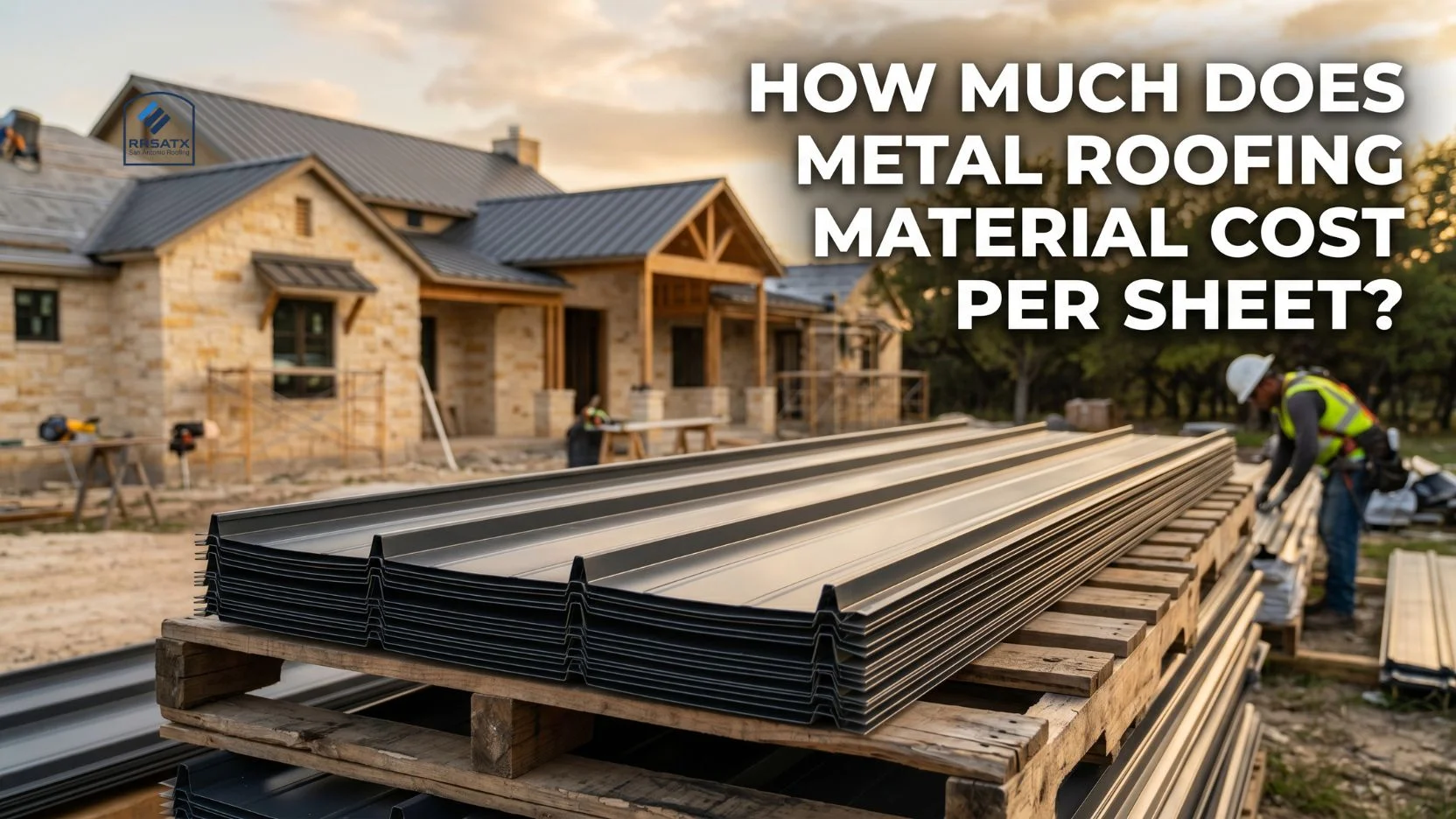
Sheet prices for corrugated steel, standing seam, and stone-coated metal panels vary widely based on gauge, profile, and coating. This guide breaks down exactly what you will pay per sheet for every major metal roofing material type in 2026, plus the total installed cost San Antonio homeowners should plan for.
Metal roofing cost per sheet
Corrugated steel · Standing seam · Stone-coated
2026 pricing · Material cost guide
Residential · San Antonio · Bexar County
Updated 2026
R
Ted
With over 30 years of residential and commercial metal roofing experience across San Antonio and Bexar County, our crews have installed thousands of metal roofs and handled material procurement across every major panel type and gauge. Every pricing figure in this guide comes from real San Antonio supplier quotes and active job costs in 2026, not national averages.
· affordableroofingcontractorssanantonio.com · Licensed and Insured · $2M Liability Coverage · 100+ Five-Star Reviews
Part of our complete metal roofing services
Metal Roofing San Antonio | Roof Repair TX
→
$1.50–9
Cost per square foot for metal roofing material depending on panel type and gauge
$20–120
Typical price range per sheet depending on size, profile, and metal type
50+yrs
Expected service life of quality metal roofing in the Texas climate
29ga
Most common gauge for residential corrugated metal roofing panels in San Antonio
Metal roofing is one of the most searched topics among San Antonio homeowners who are budgeting for a new roof, and for good reason. Metal lasts two to three times longer than asphalt shingles, holds up better against Texas hail and heat, and adds measurable resale value to a home. But the cost conversation starts at the same place for nearly every homeowner: how much does a sheet of metal roofing actually cost?
The honest answer depends on five things: the metal type, the gauge (thickness), the panel profile, the coating system, and the sheet dimensions. A 26-gauge standing seam steel panel costs several times more per sheet than a 29-gauge corrugated panel of the same size, and a stone-coated steel shingle system costs more than both. This guide walks through every major metal roofing material sold in the San Antonio market in 2026, what you will pay per sheet and per square foot, and what drives the price up or down at each level.
The most important thing to understand before comparing sheet prices: material cost is only part of the total number
A sheet of corrugated metal priced at $25 sounds cheap next to a standing seam panel at $90 until you factor in trim, fasteners, underlayment, ridge caps, and labor. The installed cost per square foot is the number that actually matters for budgeting a complete metal roof. This guide gives you both figures for every panel type so you can compare materials accurately and avoid sticker-shock surprises when the full quote arrives.
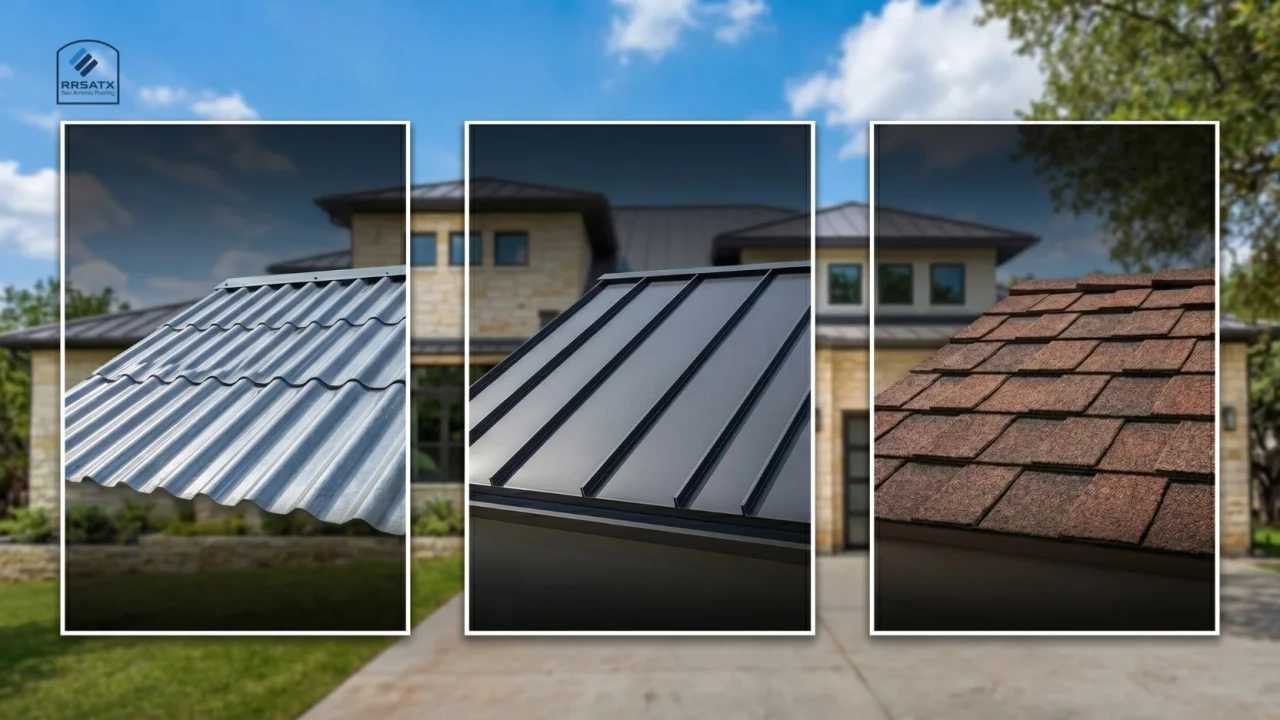
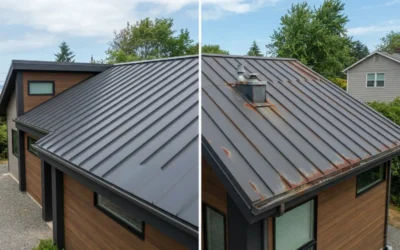
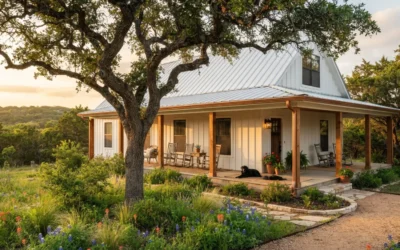
The three most common residential metal roofing systems in San Antonio: corrugated steel panels (left), standing seam panels (center), and stone-coated steel shingles (right). Each has a different price per sheet, installation method, and expected lifespan.
● ● ●
Six material types every buyer should understand before getting a quote
Metal roofing material cost per sheet: every major panel type broken down
01
Corrugated steel panels: the most affordable metal roofing sheet in San Antonio
The entry point for metal roofing: widely available, fast to install, and the lowest cost per sheet
Corrugated Steel
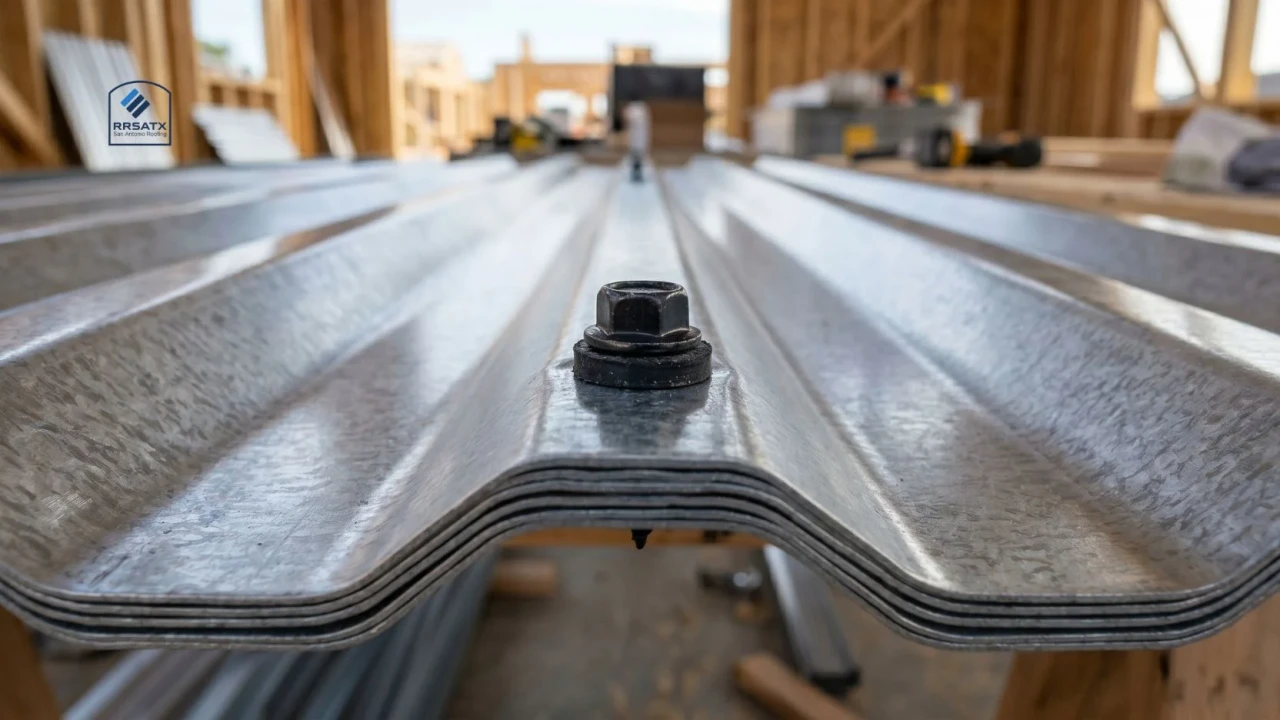
Corrugated steel is the most widely used and most affordable metal roofing panel in the San Antonio market. Panels come in wavy or ribbed profiles, are sold in standard widths of 26 to 36 inches, and are available in lengths from 8 feet to 20 feet or cut to custom length. Most residential corrugated steel roofing sold in San Antonio is 29 gauge, with 26 gauge available as a step up in durability. The price per sheet reflects gauge, coating type, and panel length.
29-gauge corrugated steel: The standard entry-level option. A 10-foot panel in a basic Galvalume or painted finish typically costs $18 to $30 per sheet through San Antonio suppliers. These panels are lightweight, easy to cut on site, and install quickly with exposed fasteners.
26-gauge corrugated steel: A meaningful step up in thickness and dent resistance. The same 10-foot panel in 26 gauge runs $28 to $45 depending on the coating. For San Antonio homeowners in hail-prone neighborhoods, 26 gauge is worth the additional cost.
Sheet width: 26 to 36 inches net coverage
Common gauges: 29 ga (standard), 26 ga (heavier)
Coatings: Galvalume, galvanized, painted
Fastener type: Exposed screw-down
Lifespan: 25 to 40 years with maintenance
29-gauge corrugated steel, 10-foot sheet: Standard residential panel in Galvalume or factory-painted finish. Most affordable per sheet. Best suited for outbuildings, pole barns, low-slope roofs, and budget-focused residential applications.
26-gauge corrugated steel, 10-foot sheet: Heavier panel with better dent resistance against hail and impact. Recommended for residential roofs in San Antonio due to the active hail season in Bexar County.
Material cost per square foot (corrugated steel): Material only, not including trim, fasteners, or underlayment. Installed cost with labor typically runs $5 to $9 per square foot for corrugated steel roofing in San Antonio.
San Antonio buying note: corrugated steel is available cut-to-length at several local suppliers and big-box stores. Buying cut-to-length panels reduces waste on complicated roof shapes. If your roof has multiple valleys, dormers, or hip sections, get a material takeoff from a qualified contractor before ordering sheets, because waste adds up fast on complex roof geometries.
What to confirm before buying corrugated steel sheets
- Gauge confirmed: 26 ga vs 29 ga is not interchangeable and meaningfully affects hail performance
- Coating specified: Galvalume, galvanized, or painted with a specific paint warranty (PVDF vs polyester)
- Sheet length ordered to match your roof spans, not generic stock lengths that require field cutting
- Panel profile confirmed: rib height and spacing must match existing panels on a re-roof
- EPDM-gasketed fasteners included in the material package, not just plain screws
- Minimum roof slope confirmed: corrugated steel requires at least a 3:12 pitch for proper drainage
02
Standing seam metal panels: the premium residential choice and what each sheet costs
Higher cost per sheet, no exposed fasteners, and a significantly longer service life than corrugated
Standing Seam
Standing seam metal roofing is the system most architects, builders, and roofing professionals recommend for long-term residential applications. Panels connect at raised seams that run vertically up the roof slope, with all fasteners concealed inside the seam or under a clip. There are no exposed screw holes and no rubber washers that can fail. The result is a roof that handles thermal expansion correctly, eliminates the most common leak point in screw-down systems, and carries the longest warranties available in metal roofing.
In San Antonio, standing seam systems are sold in steel and aluminum. Steel panels are more common and lower in cost. Aluminum panels cost more per sheet but are completely rust-proof, which matters in areas near the Texas coast or in neighborhoods with heavy tree cover where moisture retention is an issue.
Panel widths: 12, 16, and 18 inches are most common
Gauges: 24 ga (residential standard), 22 ga (commercial grade)
Seam types: Snap-lock, mechanically seamed
Materials: Steel (Galvalume), aluminum, zinc alloy
Lifespan: 40 to 70 years with proper installation
24-gauge Galvalume standing seam steel, 16-inch panel, 10-foot length: Residential standard. Most standing seam jobs in San Antonio use 24-gauge steel with a PVDF paint coating. This is the most popular configuration by volume.
Aluminum standing seam panel, 16-inch, 10-foot length: Completely rust-resistant. Used in coastal and high-moisture applications. Higher per-sheet cost, but no risk of corrosion over the roof's lifespan, eliminating one of the main long-term maintenance concerns.
Material cost per square foot (standing seam): Material only. Installed cost with labor and trim runs $10 to $18 per square foot in San Antonio, making standing seam the most labor-intensive metal roofing system to install.
Pro tip
Snap-lock vs. mechanically seamed panels: the difference matters for Texas wind performance. Snap-lock panels click together without mechanical crimping and are faster to install. Mechanically seamed panels are crimped after installation and provide superior wind uplift resistance. For San Antonio homes in areas with frequent high-wind events, mechanically seamed standing seam carries higher wind ratings and is the more structurally secure option. Ask your contractor which system is specified in the quote before signing.
Standing seam buying checklist
- Panel width confirmed and coordinated with the roof span to minimize field cuts
- Seam type specified: snap-lock or mechanically seamed, with the appropriate wind rating
- Coating system confirmed: PVDF (Kynar) paint is the industry standard for long-term color retention
- Gauge verified: 24 gauge minimum for residential; 22 gauge for low-slope or commercial applications
- Clip type specified: fixed vs floating clips, which affects thermal expansion performance
- Color selection made from panels that ship with the same batch to avoid color variation between runs
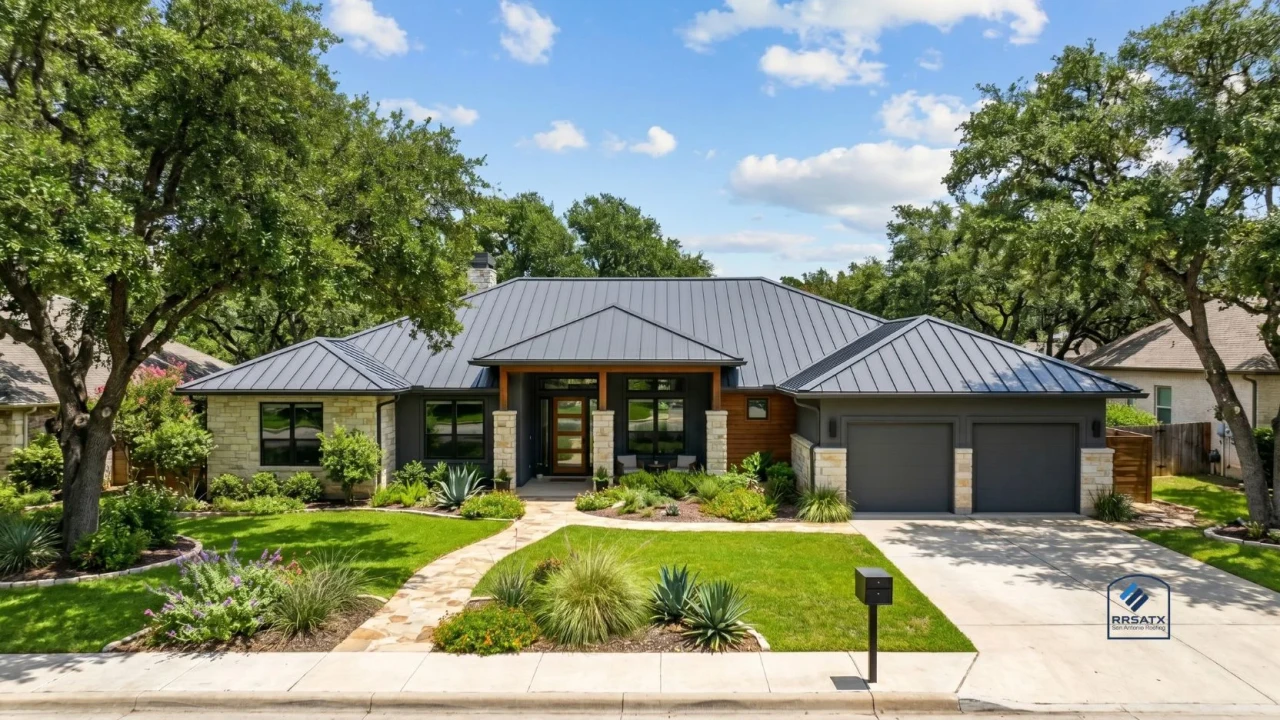
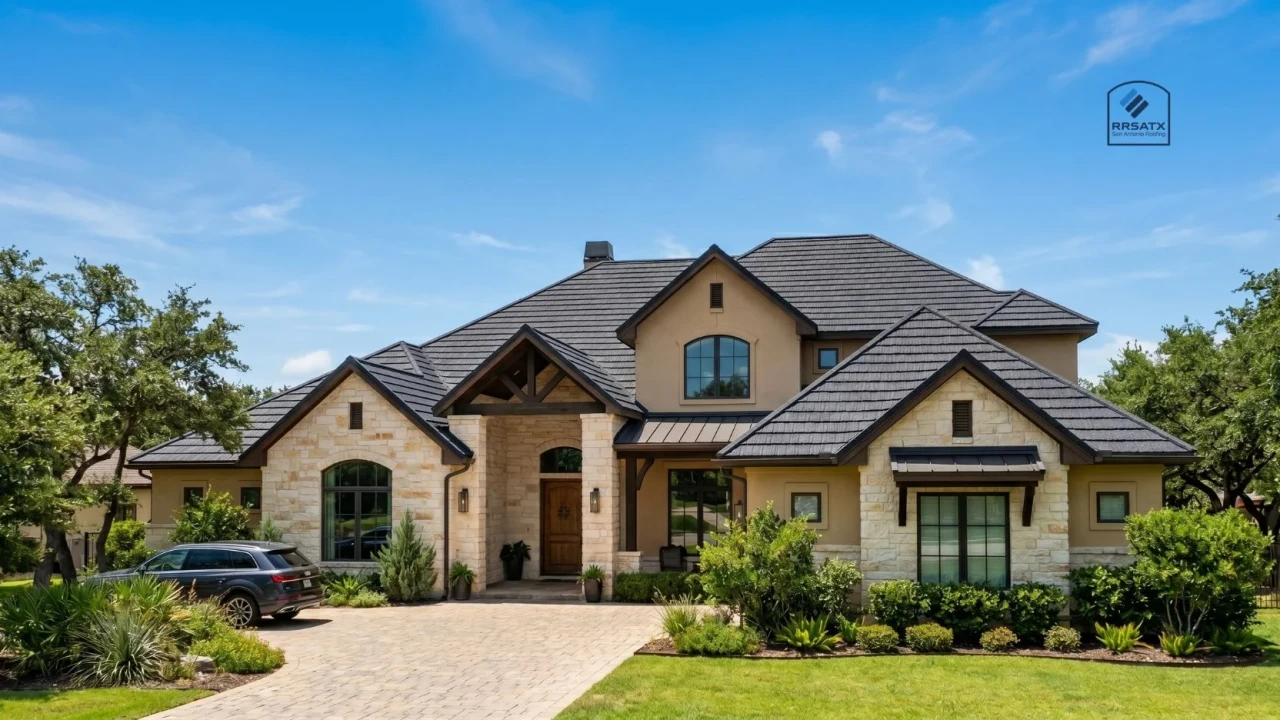
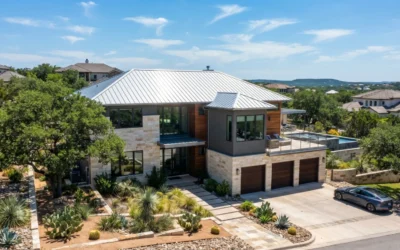
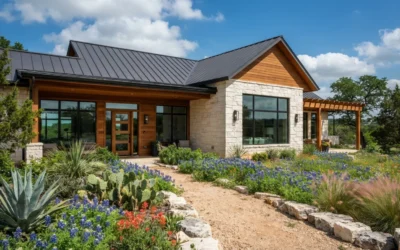
A 24-gauge standing seam steel roof on a residential home in San Antonio. Concealed fastener systems like this one eliminate the most common metal roof leak point and carry longer manufacturer warranties than exposed-fastener corrugated panels.
03
Stone-coated steel shingles and tiles: premium look at a premium cost per sheet
Looks like tile or asphalt shingles, performs like metal, and costs accordingly
Stone-Coated Steel
Stone-coated steel roofing uses a steel base panel coated with an acrylic film embedded with stone granules. The result is a panel that looks like a traditional asphalt shingle, Spanish tile, or cedar shake depending on the profile, while providing the impact resistance, longevity, and wind performance of steel. This system is popular in San Antonio neighborhoods where HOA rules or aesthetic preferences make a bare metal panel unwelcome but the homeowner still wants the durability of metal under the surface.
Stone-coated steel is sold in multiple profiles: shake (mimics wood shingles), shingle (mimics asphalt), barrel tile (mimics clay or concrete tile), and flat tile. Each profile has a slightly different cost per sheet and coverage area. The panels are typically 26-gauge steel with a Galvalume base, and they interlock during installation to create a watertight system with no exposed fasteners on the face.
Coverage per panel: Stone-coated steel panels are sold in square-foot coverage rather than by individual sheet count. A standard stone-coated steel shingle panel covers approximately 1 to 1.3 square feet per panel. A typical 2,000-square-foot roof requires 1,600 to 2,000 panels after accounting for waste.
Hail performance: Stone-coated steel typically carries a Class 4 impact rating, the highest available under UL 2218 testing. For San Antonio homeowners, a Class 4 rated roof may qualify for an insurance premium discount of 10 to 30 percent, which meaningfully offsets the higher per-sheet material cost over the life of the roof.
Profiles: Shake, shingle, barrel tile, flat tile
Base metal: 26-gauge Galvalume steel
Impact rating: Class 4 (UL 2218) on most products
Coverage: 1 to 1.3 sq ft per panel
Lifespan: 40 to 50 years with proper install
Stone-coated steel shingle panel cost per piece: Individual panel price. A complete 2,000-square-foot roof in stone-coated steel shingle profile requires 1,600 to 2,000 panels, putting total material cost at $4,800 to $12,000 for the panels alone before trim and accessories.
Stone-coated steel material cost per square foot: Higher per square foot than corrugated or standard standing seam steel due to the multi-layer panel construction. Installed cost runs $12 to $18 per square foot in San Antonio with full trim and underlayment.
Stone-coated steel material cost per roofing square (100 sq ft): Standard roofing industry unit. Budget $150 to $300 per roofing square for material on stone-coated steel shingle products. Barrel tile and shake profiles typically sit at the higher end of this range.
Stone-coated steel buying checklist
- Impact rating confirmed: Class 4 certification required to qualify for insurance discounts in Texas
- Profile selected based on HOA approval if applicable: shake, shingle, tile, or flat
- All trim pieces ordered from the same manufacturer: ridge caps, hip caps, valleys, and starter strips must match
- Installation pattern confirmed: stone-coated steel requires an interlocking installation that differs from standard shingles
- Contractor confirmed as manufacturer-certified: many stone-coated steel brands require installer certification for the warranty to be valid
- Insurance discount verified with your carrier before installation so you can document the Class 4 rating on the claim
04
Aluminum, copper, and zinc panels: specialty metals and what they cost per sheet
Higher cost per sheet, niche applications, and specific reasons to choose each material
Specialty Metals
Aluminum, copper, and zinc are used in metal roofing applications where specific performance or aesthetic goals outweigh the higher cost per sheet. In San Antonio, aluminum is the most commonly specified specialty metal. Copper and zinc appear most often on custom residential projects and architectural accent applications like dormers, bay windows, and porch roofing sections.
Aluminum roofing is completely rust-proof, weighs about one-third as much as steel, and is available in corrugated, standing seam, and shingle profiles. It costs more per square foot than steel but eliminates any corrosion risk over the roof's lifetime. In San Antonio's climate, where humidity and temperature variation accelerate coating breakdown on steel panels in certain applications, aluminum is a legitimate long-term cost consideration.
Aluminum corrugated or standing seam material cost per square foot: Rust-proof, lightweight, and available in most panel profiles. Standard residential aluminum roofing in San Antonio costs $2.50 to $5 per square foot in material, depending on gauge and profile.
Copper roofing material cost per square foot: The most expensive residential metal roofing material. Copper develops a natural patina over time, requires no painting, and lasts 80 to 100 years or more. Used in San Antonio primarily for custom accent sections, bay roofs, and architectural dormers rather than full-home applications.
Zinc panel material cost per square foot: Natural self-healing properties allow zinc to reform its oxide layer over minor surface scratches. Used in San Antonio for contemporary architectural projects. Not common in standard residential roofing due to cost and availability.
Material tip
Do not mix copper flashing with steel or aluminum panels. When copper contacts steel or aluminum in the presence of moisture, galvanic corrosion accelerates on the cheaper metal. If you are adding copper architectural details to a steel panel roof, use a dielectric barrier between the two metals at every contact point. This is a detail many general contractors miss and roofing specialists must account for in the design.
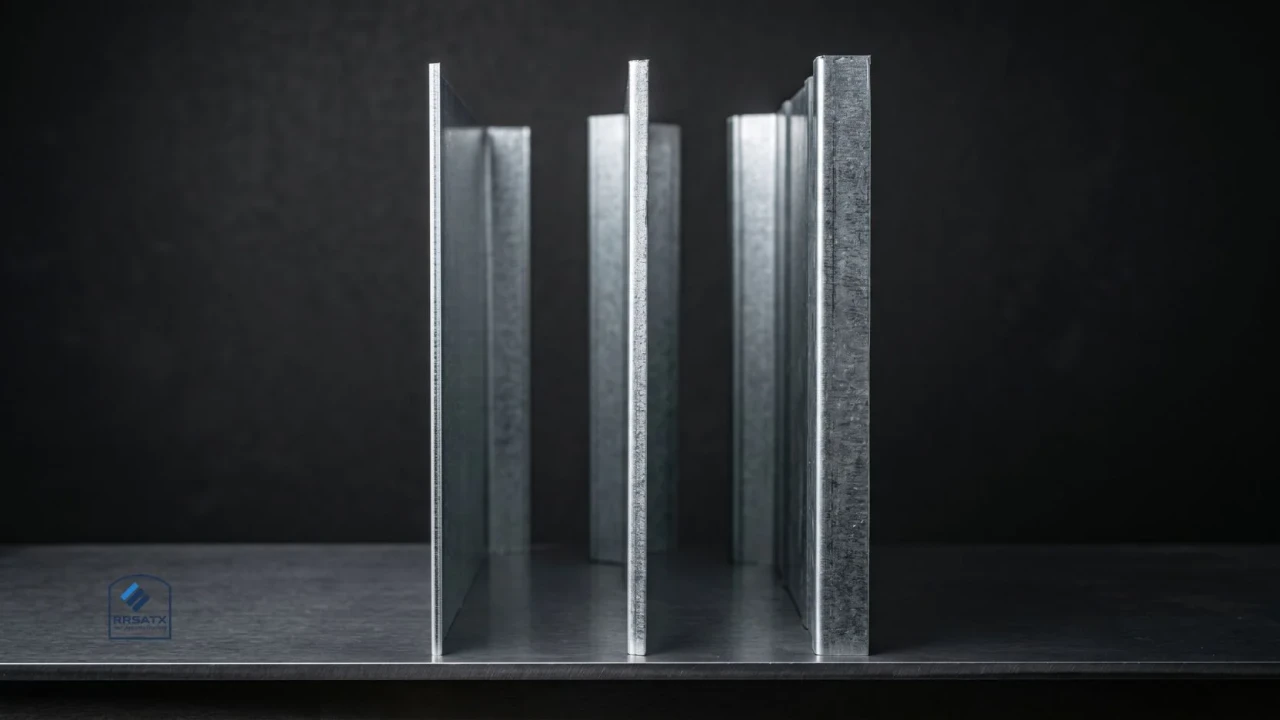
Gauge comparison for steel roofing panels. Lower gauge numbers mean thicker, heavier steel. A 24-gauge panel is significantly more resistant to denting from hail than a 29-gauge panel of the same profile, and it costs more per sheet to reflect that difference.
● ● ●
Five factors that move the price per sheet up or down
What actually determines metal roofing material cost per sheet
Two contractors can quote the same size sheet of metal roofing at prices that are $15 to $40 apart. The gap is almost always explained by one or more of these five factors, which drive the majority of per-sheet price variation in the San Antonio market.
05
The five factors that determine metal roofing cost per sheet in 2026
Gauge, coating, profile, panel length, and supplier pricing all move the per-sheet number significantly
Pricing Factors
Understanding what drives per-sheet pricing helps you ask the right questions when comparing quotes and prevents you from comparing a 29-gauge painted panel price to a 24-gauge PVDF-coated panel price as if they are equivalent products.
Steel thickness (gauge) is the single biggest driver of per-sheet cost. A 29-gauge corrugated panel costs $18 to $30 per 10-foot sheet. A 26-gauge panel of the same profile and coating costs $28 to $45. A 24-gauge standing seam panel costs $45 to $80. Each step down in gauge number means thicker, heavier steel and meaningfully higher cost. Do not compare prices across gauges without acknowledging the performance difference.
The paint and protective coating system adds $0.50 to $2.00 per square foot to panel cost. Bare Galvalume (no paint) is the lowest cost. Polyester paint adds a step. PVDF (sold under brand names like Kynar 500 or Hylar 5000) is the highest quality paint coating and adds the most to the per-sheet price. PVDF retains color significantly longer than polyester under Texas UV exposure, making it worth the premium on a roof expected to last 40 or more years.
Panel profile (the shape of the panel's ribs or seams) affects both per-sheet cost and material takeoff. A deeper rib profile uses more raw steel per linear foot and costs slightly more. Standing seam profiles cost more to manufacture than corrugated. Hidden fastener systems add hardware cost. Understanding the profile being quoted helps verify that price comparisons are made between equivalent products.
Sheet length scales cost proportionally, but also affects waste on your specific roof. Suppliers typically sell panels in 8, 10, 12, 16, and 20-foot lengths. Longer sheets mean fewer end laps and less water infiltration risk, but ordering stock lengths that do not match your roof span means waste. Cut-to-length panels cost slightly more per sheet but minimize material waste on complex roof geometries common in older San Antonio homes.
Where the material is sourced affects per-sheet price by 15 to 25 percent. Big-box store corrugated panels cost more per sheet than direct-from-supplier pricing available to licensed roofing contractors. A contractor buying 40 squares of 26-gauge panel from a metal roofing distributor will pay less per sheet than a homeowner buying 5 sheets at a hardware store. This is one reason why contractor-procured material is almost always more cost-effective than homeowner-supplied material on full roof projects.
The take-home from all five factors: always ask for an itemized material quote that specifies gauge, coating type, profile, and panel dimensions before you compare per-sheet prices across contractors. Two quotes showing $X per sheet mean nothing if one is 29-gauge polyester and the other is 26-gauge PVDF. They are not the same product at different prices; they are different products entirely.
Price comparison checklist
- Gauge verified and matched on all bids before comparing per-sheet or per-square-foot pricing
- Coating system specified: bare Galvalume, polyester paint, or PVDF paint clearly stated
- Panel profile confirmed as the same across competing bids
- Sheet length specified and matched to your actual roof spans in the material takeoff
- Material source noted: direct supplier, distributor, or retail store affects the unit cost
- Trim, fasteners, underlayment, and accessories listed separately so you are comparing complete system costs
06
From sheet price to total installed cost: the complete budget picture for San Antonio
Material per sheet is the starting number; installed cost per square foot is the number you actually budget with
Installed Cost
Per-sheet pricing tells you the cost of one component of a complete metal roofing system. A full metal roof installation in San Antonio includes the panels themselves plus underlayment, trim pieces (ridge caps, hip caps, drip edge, gable trim, and valley flashing), fasteners, sealant, and labor. For most residential projects, material represents 40 to 60 percent of the total installed cost depending on the system and the scope of work.
| Metal Roofing Type |
Material Cost (per sq ft) |
Installed Cost (per sq ft) |
Installed Cost (2,000 sq ft roof) |
| Corrugated steel, 29 gauge |
$1.50 to $2.50 |
$5 to $8 |
$10,000 to $16,000 |
| Corrugated steel, 26 gauge |
$2.00 to $3.50 |
$6 to $9 |
$12,000 to $18,000 |
| Standing seam steel, 24 gauge |
$3.50 to $6 |
$10 to $16 |
$20,000 to $32,000 |
| Standing seam aluminum |
$4.50 to $9 |
$12 to $18 |
$24,000 to $36,000 |
| Stone-coated steel shingle |
$4 to $7 |
$12 to $18 |
$24,000 to $36,000 |
| Stone-coated steel tile (barrel) |
$5 to $8 |
$14 to $20 |
$28,000 to $40,000 |
| Copper (accent sections) |
$14 to $25 |
$25 to $40+ |
Typically quoted per section, not full roof |
These installed cost ranges reflect the San Antonio market in 2026. Roof pitch, access conditions, deck condition, tear-off requirements, and the complexity of your roof's geometry can move the final number in either direction. A simple gable roof installs faster and cheaper than a hip roof with multiple valleys, dormers, and penetrations, even when the square footage is identical.
Why the cheapest sheet price often produces the most expensive roof over time
A 29-gauge corrugated steel roof installed for $10,000 on a 2,000-square-foot San Antonio home will likely need fastener replacements, re-sealing, and possibly re-roofing within 25 to 30 years. A 24-gauge standing seam roof installed for $24,000 on the same home is likely to outlast the homeowner's tenure in the property, require minimal maintenance, and carry a 40-year manufacturer warranty. When comparing per-sheet pricing, always calculate cost-per-year of service life to get a fair comparison between low and high end options.
● ● ●
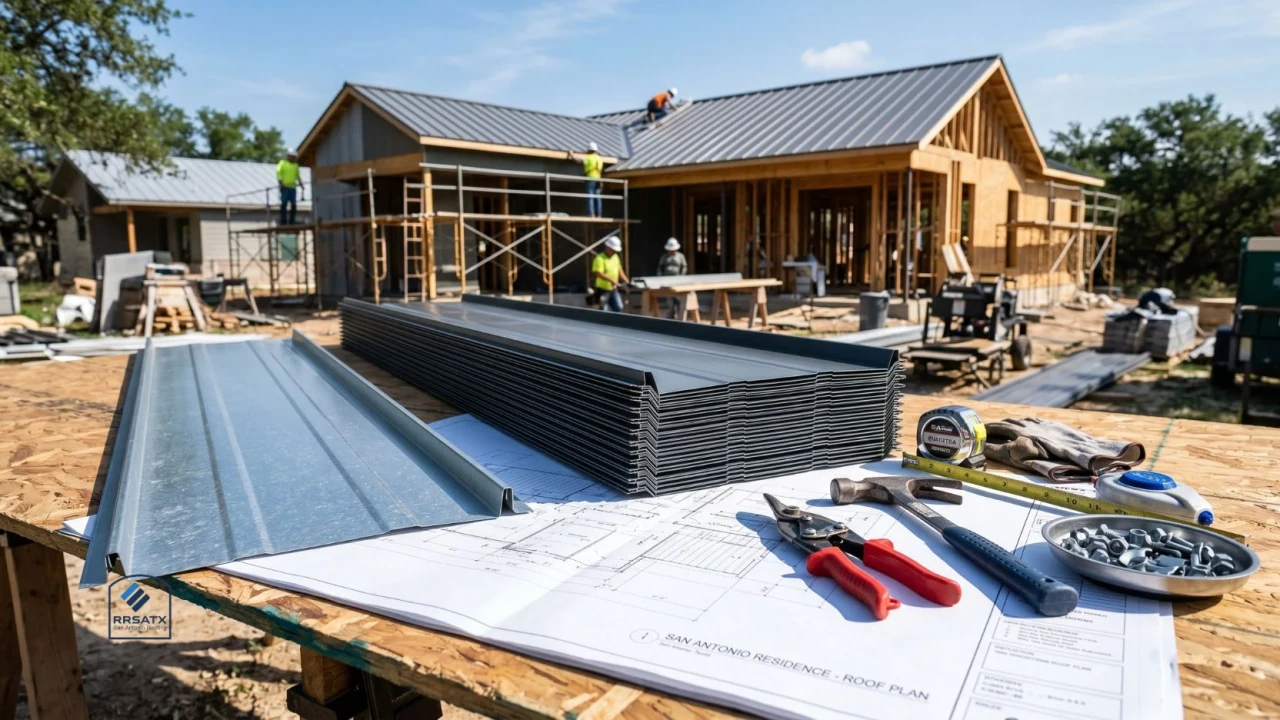
A visual breakdown of where material costs land across the six major metal roofing systems available in the San Antonio market. Panel cost is only one part of the total material budget; trim, underlayment, and fasteners typically add 30 to 40 percent on top of the panel line item.
Complete metal roofing material buying checklist for San Antonio homeowners
Use this checklist before ordering materials or signing a contract that includes material procurement
Material specification
- Metal type confirmed: steel (Galvalume or galvanized), aluminum, copper, or zinc
- Gauge specified in the quote: 29 ga, 26 ga, 24 ga, or 22 ga for commercial
- Coating system confirmed: bare Galvalume, polyester paint, or PVDF (Kynar) paint with the applicable warranty
- Panel profile identified: corrugated (which rib pattern), standing seam (which seam style), or stone-coated (which tile profile)
- Panel width and coverage confirmed: net coverage width after lap is different from the gross panel width
- Panel length ordered to match your roof spans, or cut-to-length ordered for complex roofs
Pricing and takeoff
- Material takeoff completed by the contractor, not estimated from square footage alone
- Waste factor included: 10 percent for simple gable roofs, 15 to 20 percent for hip roofs and complex geometries
- Trim and accessory costs itemized separately: ridge caps, hip caps, drip edge, gable trim, valley flashing
- Fasteners specified: EPDM-gasketed screws for exposed fastener systems, hidden clips for standing seam
- Underlayment specified: synthetic underlayment appropriate for a metal roofing system (not standard felt)
- Delivery cost included or confirmed: long-sheet panel delivery in San Antonio may require a flatbed
Warranty and sourcing
- Manufacturer warranty terms confirmed in writing: paint warranty (PVDF = 40 years; polyester = 20 to 25 years)
- Panel warranty separate from workmanship warranty: both should be documented before materials are ordered
- Material sourced from a reputable supplier: ask the contractor for the supplier name and confirm it is a licensed roofing materials distributor
- Color and batch match confirmed for re-roofing projects: panels from different production runs can have visible color variation
- Insurance discount eligibility verified: Class 4 impact-rated materials qualify for Texas homeowner insurance discounts
● ● ●
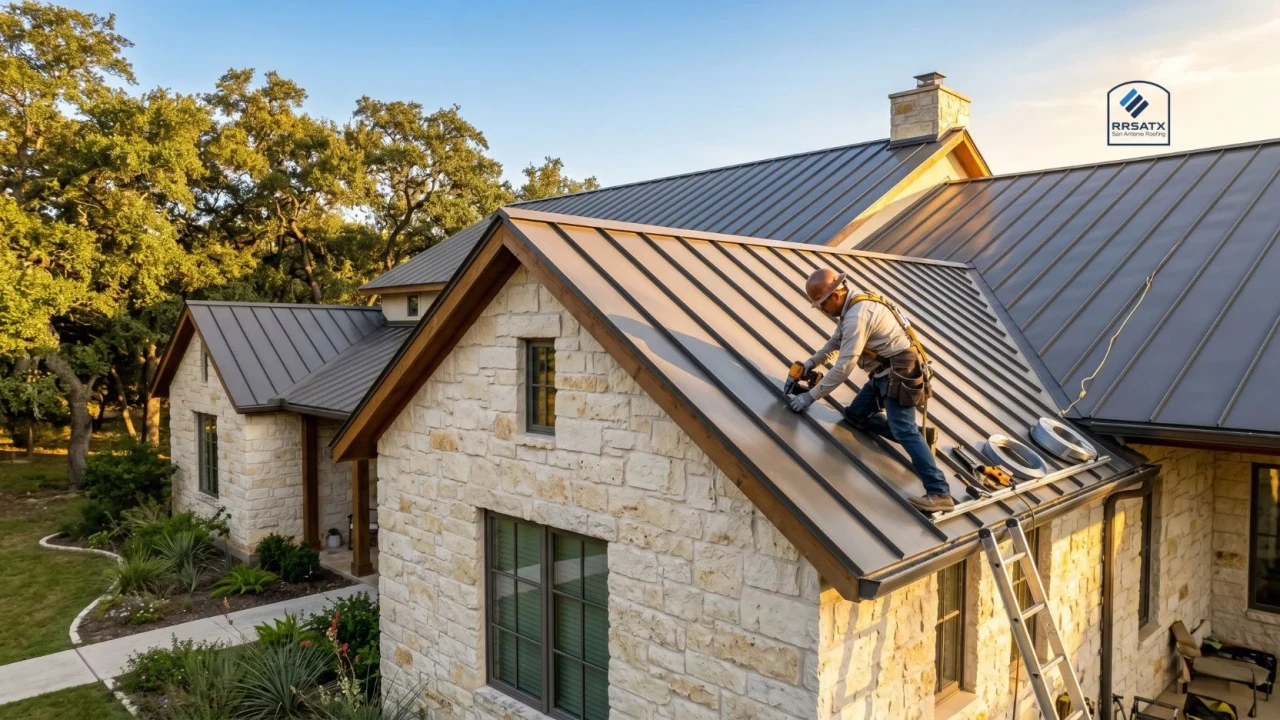
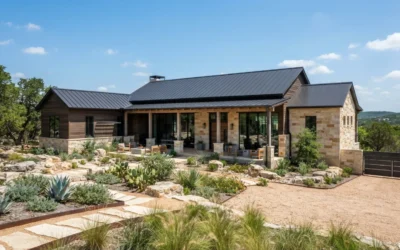
A residential metal roofing installation in Bexar County. The San Antonio climate presents specific demands on metal roofing materials: intense UV exposure, temperature swings that can exceed 120 degrees Fahrenheit between winter and summer, and a high-frequency hail season that rewards heavier gauge panels and quality impact-rated coatings.
Common questions answered
FAQs
Q
How much does a sheet of metal roofing cost at Home Depot or Lowe's in San Antonio?
Corrugated steel panels at big-box retailers in San Antonio typically run $25 to $50 per 10-foot panel for 29-gauge painted steel in standard colors. This is generally higher than what a licensed roofing contractor pays through a commercial supplier for the same or better gauge. If you are buying a small quantity for a shed, outbuilding, or patch repair, big-box pricing is convenient. For a full roof replacement, contractor-procured material from a roofing distributor will almost always be more cost-effective on a per-sheet basis and will more likely include higher-quality coating options than what is stocked at retail.
Q
How many sheets of metal roofing do I need for a 1,500-square-foot roof?
The number of sheets depends on the panel width, length, and the pitch and complexity of your roof. A standard 36-inch wide corrugated panel with 3 inches of overlap provides about 33 inches of net coverage per run. For a 1,500-square-foot roof area (not the same as your home's footprint), expect to need 50 to 70 panels in a 10-foot length for a simple gable roof, with 10 to 15 percent added for waste and overages. A hip roof with valleys and dormers may require 20 percent more. The only accurate way to calculate sheet count is a professional material takeoff that accounts for your specific roof geometry and chosen panel dimensions.
Q
Is metal roofing material more expensive than asphalt shingles in San Antonio?
Yes, metal roofing material costs more per square foot than standard asphalt shingles upfront. A 3-tab asphalt shingle roof runs $1 to $2 per square foot in material. Architectural shingles run $2 to $4. Entry-level corrugated steel runs $1.50 to $3.50. Standing seam steel runs $3.50 to $9. However, when you factor in lifespan, an asphalt shingle roof typically lasts 15 to 25 years in San Antonio's climate. A metal roof lasts 40 to 70 years. Over a 50-year period, a homeowner replacing two asphalt roofs will spend more in total than one who installs a quality metal roof once. The cost-per-year-of-service calculation generally favors metal for San Antonio homeowners who plan to stay in their homes long-term.
Q
What is the cheapest metal roofing option for a house in San Antonio?
The lowest cost residential metal roofing option is 29-gauge corrugated steel in a Galvalume or basic factory-painted finish, installed with exposed fasteners. Material cost runs $1.50 to $2.50 per square foot, and installed cost with labor in San Antonio typically lands between $5 and $8 per square foot. This is significantly cheaper than standing seam or stone-coated steel, but comes with trade-offs: exposed fasteners are potential leak points as washers age, 29 gauge is more susceptible to hail denting than 26 or 24 gauge, and the roof will likely need fastener maintenance at the 10 to 15 year mark. For San Antonio homes where budget is the primary driver and the homeowner is comfortable with periodic maintenance, corrugated steel is a legitimate and widely used option.
Q
Does metal roofing material cost increase the value of a home in San Antonio?
Yes, metal roofing is generally viewed as a value-adding upgrade in the San Antonio real estate market. A quality metal roof reduces a buyer's near-term maintenance concerns, may lower homeowner insurance premiums, and signals that the property was maintained with long-term durability in mind. Resale studies indicate metal roofing returns between 60 and 85 percent of its installed cost in resale value depending on the market and the roof system chosen. Standing seam and stone-coated steel tend to appraise better than corrugated metal due to their aesthetic alignment with residential expectations. Your real estate agent and a licensed appraiser can give you a more specific picture of how metal roofing affects comparables in your specific San Antonio neighborhood.
Q
How much does it cost to replace an asphalt shingle roof with metal in San Antonio?
Converting from asphalt shingles to metal roofing on a 2,000-square-foot San Antonio home typically costs $15,000 to $40,000 for a full installed project, depending on the metal system chosen. Corrugated steel systems land at the lower end. Standing seam and stone-coated steel systems land at the higher end. The conversion involves removing the old shingles, inspecting and potentially repairing or replacing the deck, installing appropriate underlayment for a metal system, and then installing the panels with all associated trim. For a detailed quote specific to your home's roof area, pitch, and current deck condition, a licensed San Antonio roofing contractor needs to inspect the roof in person before any accurate number can be provided.
More from RRSATX: San Antonio Roofing Company
Explore more from RRSATX with expert guides covering metal roof insurance savings, return on investment, and overall value. Learn how metal roofing can benefit your home and connect with trusted metal roofing services in San Antonio.
Get a free metal roofing estimate in San Antonio
Tell us your roof size, your preferred material, and your budget range. We will give you a detailed written estimate with per-sheet and installed pricing specific to your home at no charge.