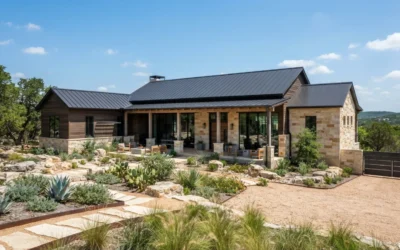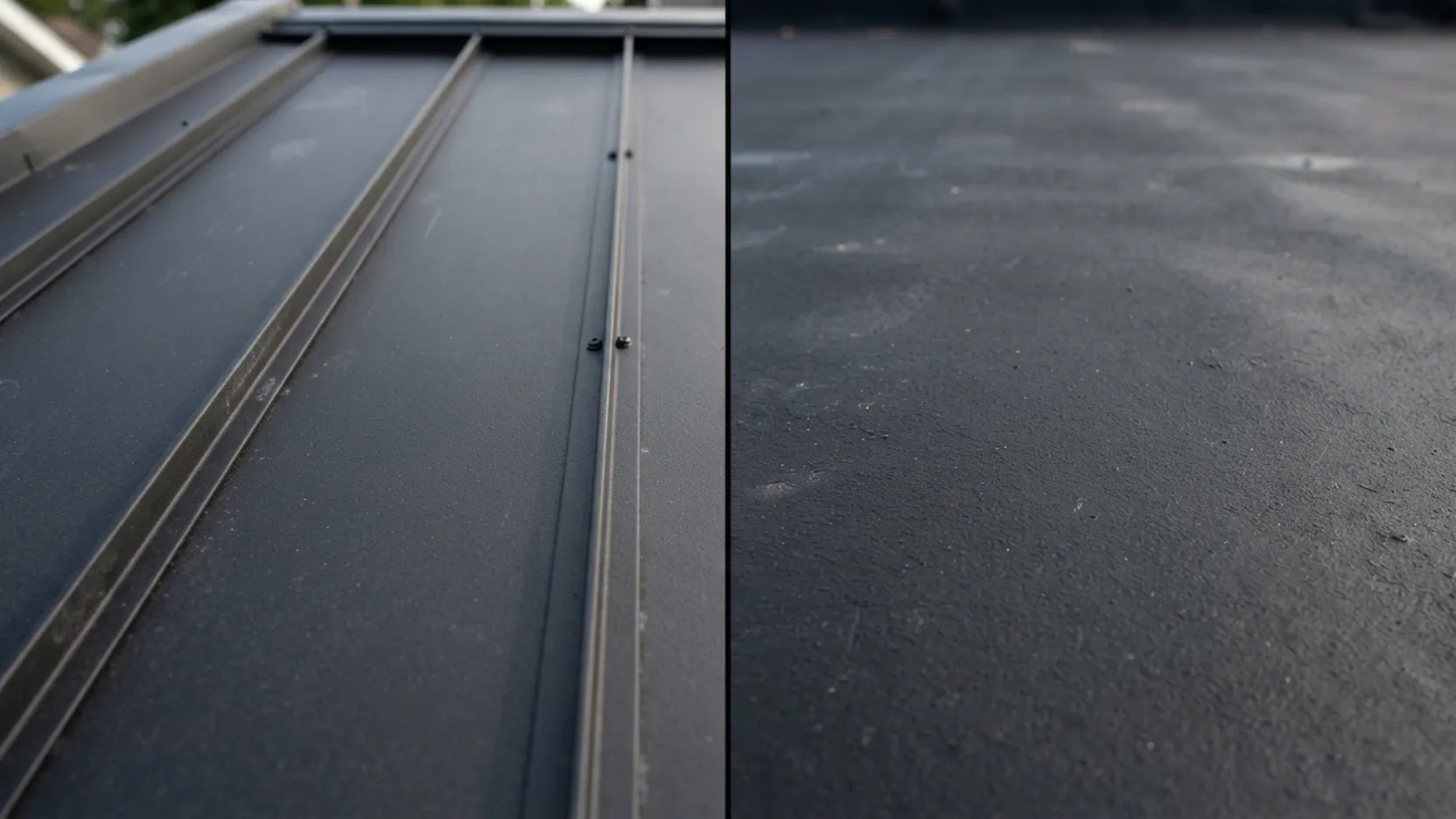
Metal and rubber roofing serve different purposes, come with very different price tags, and perform very differently under the San Antonio sun. This guide breaks down every category that matters so you can make the right call for your home or commercial property.
The question of whether a metal roof is better than a rubber roof comes up more often than you might expect, especially from San Antonio property owners who are replacing a flat or low-slope roof section and want to know all of their options. The honest answer is that neither material is universally better. Each one excels in specific situations, and the right choice depends on your roof's slope, your building type, your budget, and how long you plan to own the property.
What this guide will do is give you a direct, category-by-category comparison so you can weigh what actually matters to you: upfront cost, lifespan, heat performance in San Antonio summers, storm resistance, maintenance demands, and long-term value. By the end, you will have a clear picture of which material wins in your specific situation.
Metal roofing is used on pitched residential roofs, low-slope commercial roofs, and everything in between. Rubber roofing (EPDM) is designed almost exclusively for flat and very low-slope applications. If your roof has a pitch steeper than 2:12, rubber is not a realistic option, and the comparison becomes straightforward. If you have a flat or near-flat roof section, both materials are on the table and the comparison gets more interesting.
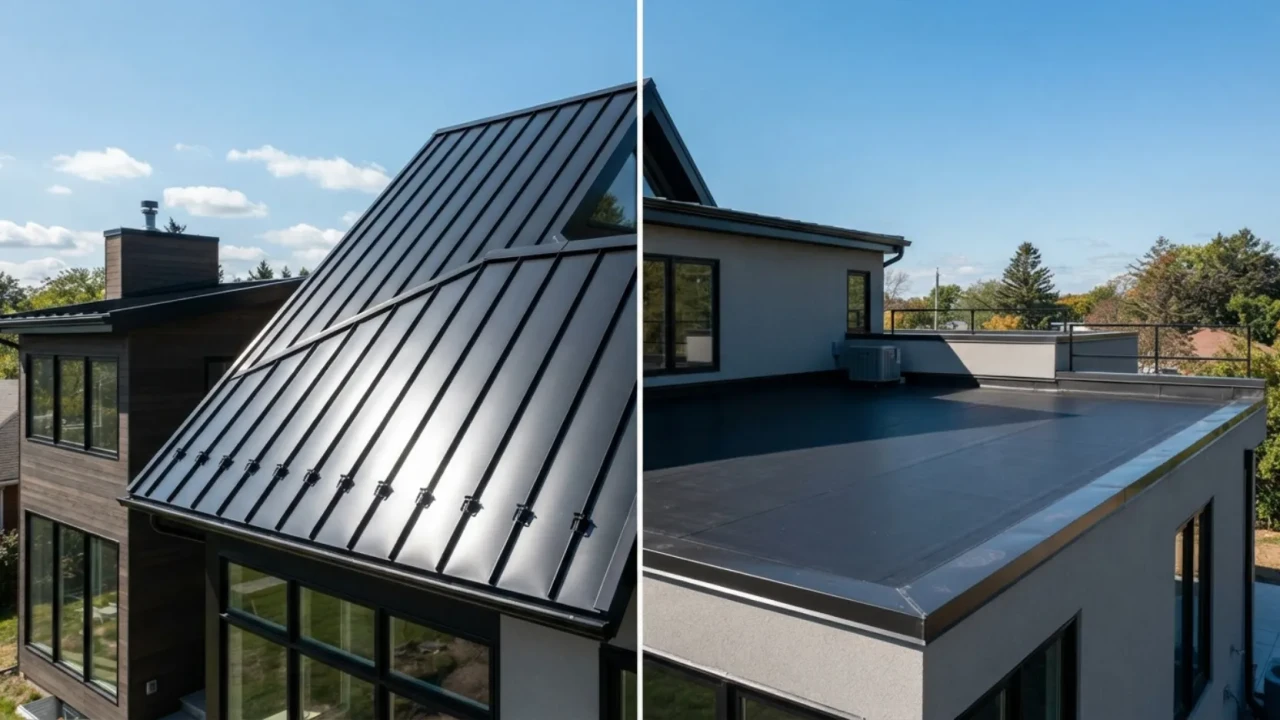
Metal and rubber roofing serve different building types and slope requirements. Understanding the core differences before you get quotes saves time and money.
The single biggest reason property owners choose rubber roofing is the lower upfront cost. EPDM membrane is one of the least expensive roofing materials available per square foot installed, and it requires minimal specialized labor to put down. Metal roofing, by contrast, involves more expensive raw materials, heavier equipment, and more skilled installation labor. On a per-square-foot basis, rubber almost always costs less to install on day one.
- Rubber EPDM: $1 to $4 per square foot installed in San Antonio (2026 market rates)
- Metal roofing: $3 to $9 per square foot installed depending on panel type and slope
- Standing seam metal on a full residential roof: commonly $15,000 to $30,000+ in San Antonio
- Rubber roof on a 1,500 sq ft flat section: typically $1,500 to $6,000 installed
- Lifetime cost calculation favors metal on any roof held for 30 years or more
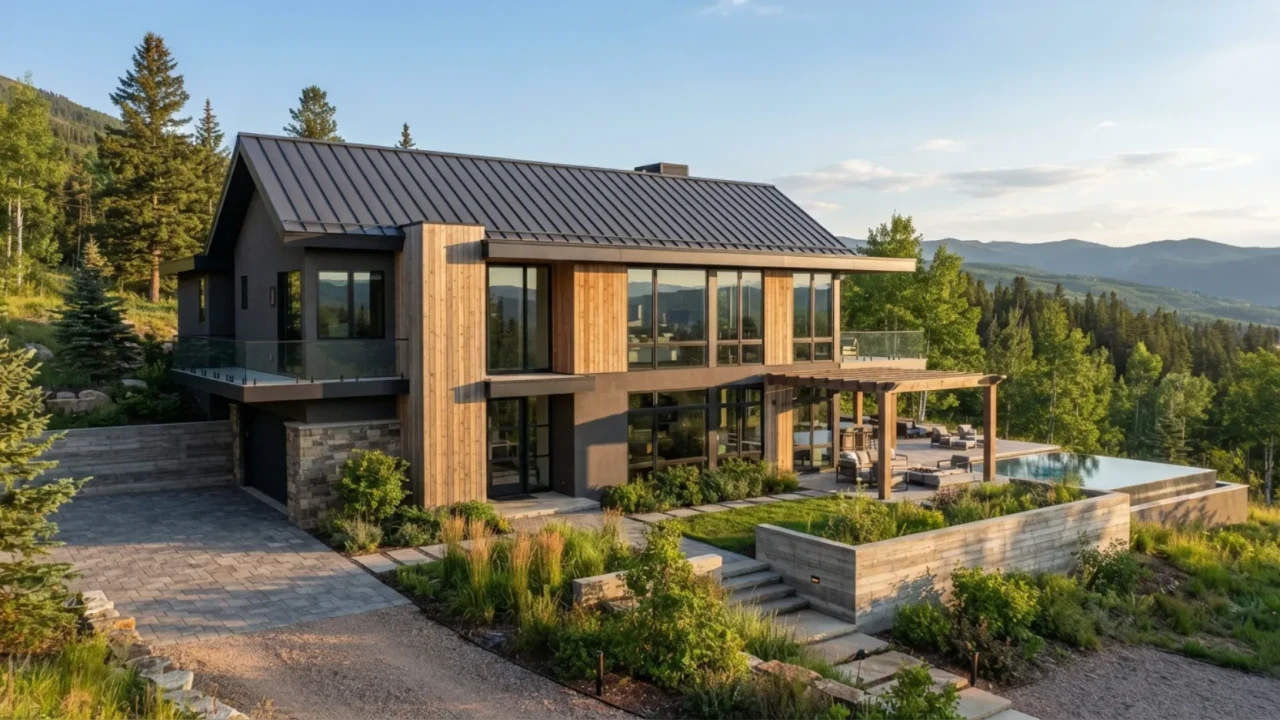
Metal roofing installed correctly in San Antonio can last 40 to 70 years with routine maintenance. Standing seam steel and aluminum systems regularly reach the upper end of that range. Corrugated and exposed-fastener panels, when maintained properly, comfortably last 40 to 50 years. Stone-coated steel falls in a similar range when the coating is kept in good condition.
Rubber EPDM has a much shorter clock. Under normal conditions, a rubber roof in San Antonio lasts 15 to 25 years before the membrane begins to shrink, crack, and pull away from seams and flashings. The intense UV exposure and heat in South Texas accelerates EPDM degradation compared to cooler climates where rubber roofing performs better.
San Antonio's climate is harder on rubber roofing than the industry average lifespan estimates suggest. Most manufacturer lifespan data for EPDM is based on temperate northern climates where UV intensity and summer temperatures are lower. In San Antonio, where roof surface temperatures regularly reach 150 to 170 degrees Fahrenheit in July, EPDM rubber oxidizes and becomes brittle faster than those averages indicate. If a San Antonio roofing contractor quotes you a 25-year rubber roof life expectancy, ask specifically how they arrived at that number for South Texas conditions.
The lifespan gap is the single strongest argument for metal over rubber on any property where the owner plans to hold it for 20 or more years. Installing a rubber roof today means budgeting for a full replacement within the next 15 to 25 years. Installing metal today means that cost is likely not coming for 40 to 50 years or more.
- Metal wins the lifespan category by 2x to 3x across all material comparisons
- EPDM degrades faster in high UV and high heat environments like San Antonio
- Ask any rubber roofing contractor for South Texas-specific lifespan projections, not national averages
- Metal roof warranties commonly run 30 to 50 years on materials; rubber warranties typically run 10 to 20 years
- Factor in one full rubber replacement when comparing 40-year total cost of ownership
San Antonio averages over 220 sunny days per year, and summer roof surface temperatures regularly push above 150 degrees Fahrenheit. How your roofing material handles that heat directly affects your attic temperatures and, in turn, your air conditioning load. This is one area where the two materials diverge significantly.
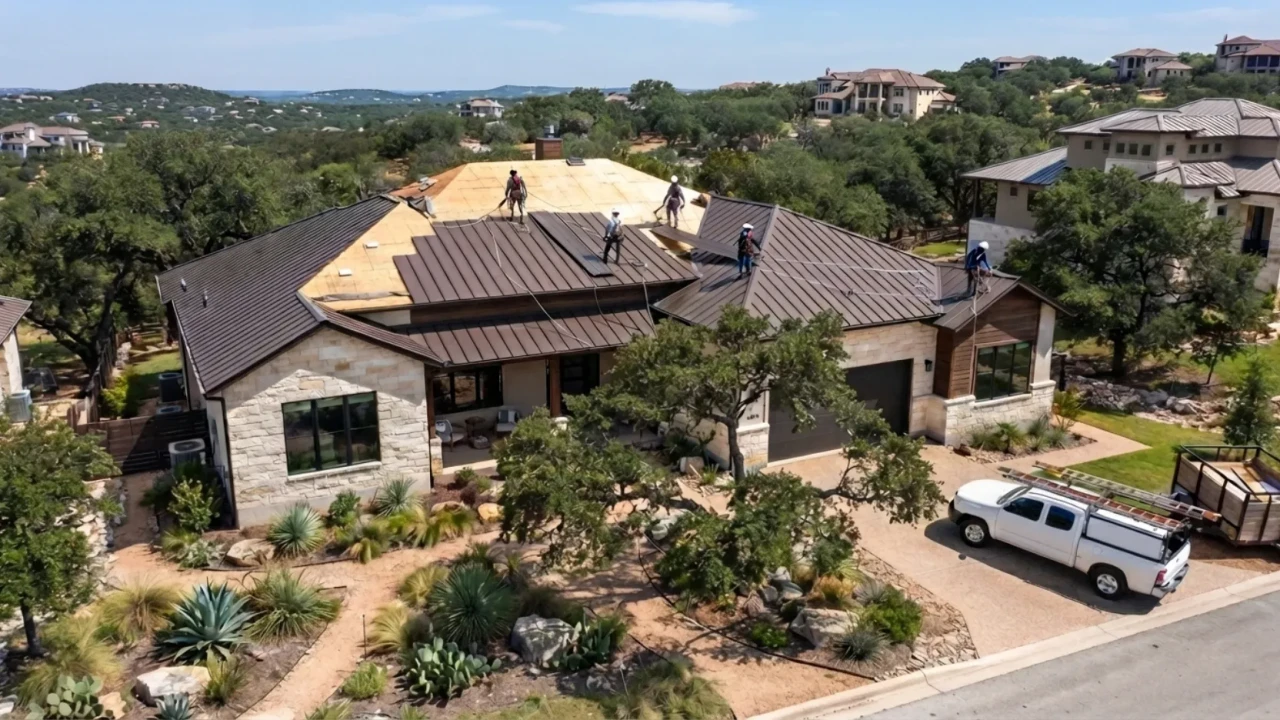
A properly installed metal roof with a cool-roof coating or reflective finish can significantly reduce attic heat gain in San Antonio summers.
Metal roofing: natural heat reflector. Metal naturally reflects more solar radiation than dark-colored rubber membranes. When coated with a cool-roof finish (light-colored or reflective paint), a metal roof can reflect 60 to 70 percent of the sun's energy that hits it. This directly reduces the heat load pushing into your attic. Many metal roofing systems in Texas are also installed with an air gap between the panel and the decking, which creates an additional thermal break that slows heat transfer.
Rubber EPDM: traditional black absorbs heat. Standard EPDM comes in black, and black rubber sitting under the San Antonio sun absorbs heat aggressively. This can significantly increase attic temperatures and air conditioning load on a building with a flat or low-slope roof. White TPO (thermoplastic polyolefin) is a close relative of EPDM that addresses this problem, but standard black EPDM is one of the worst-performing materials for Texas heat.
- Metal with a cool-roof coating outperforms standard black EPDM in every Texas heat category
- Black EPDM absorbs the most heat of any common flat roofing material a significant disadvantage in San Antonio
- White EPDM and white TPO perform comparably to a light-colored metal roof in reflectance terms
- Metal installed with an air gap adds a thermal break that EPDM cannot replicate
- Ask for a cool-roof coating or reflective finish on any metal roofing quote for San Antonio
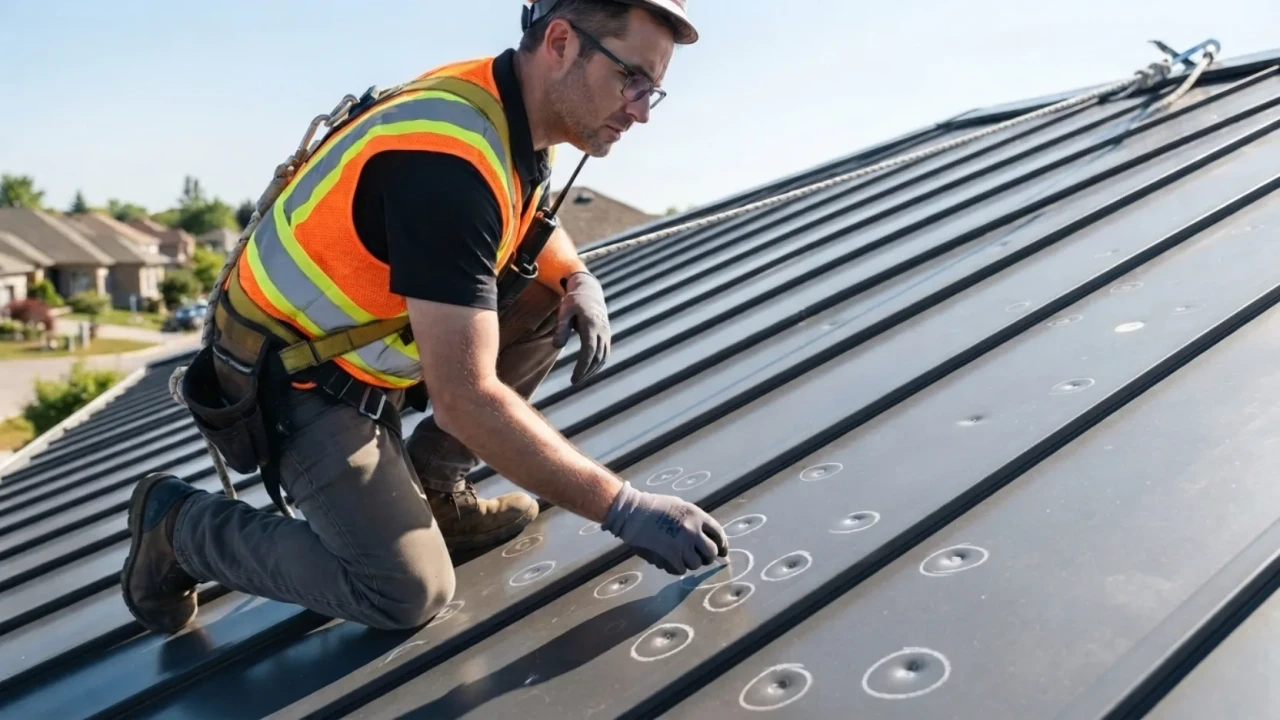
San Antonio sits inside one of the most active hail corridors in the country. Large hail events happen here regularly, and your roofing material's ability to resist impact damage is not a theoretical concern. It is a practical annual risk that should factor into any roofing decision.
Metal roofing handles hail better than rubber roofing in most situations. While large hail can dent softer metal panels, it rarely compromises the waterproofing integrity of the metal system. Standing seam panels can absorb significant hail impact without leaking. Stone-coated steel and exposed-fastener panels can show more visible impact damage, but the underlying metal remains intact and weatherproof in most cases.
Rubber EPDM is more vulnerable to hail impact than its appearance suggests. While a thin rubber membrane flexes rather than dents, large hail at high velocity can puncture EPDM directly or cause micro-tears at seams and flashings that become active leaks. More significantly, rubber roofing is not a nail-through system, so wind damage that lifts membrane edges or pulls seams apart creates immediate water intrusion with very little warning.
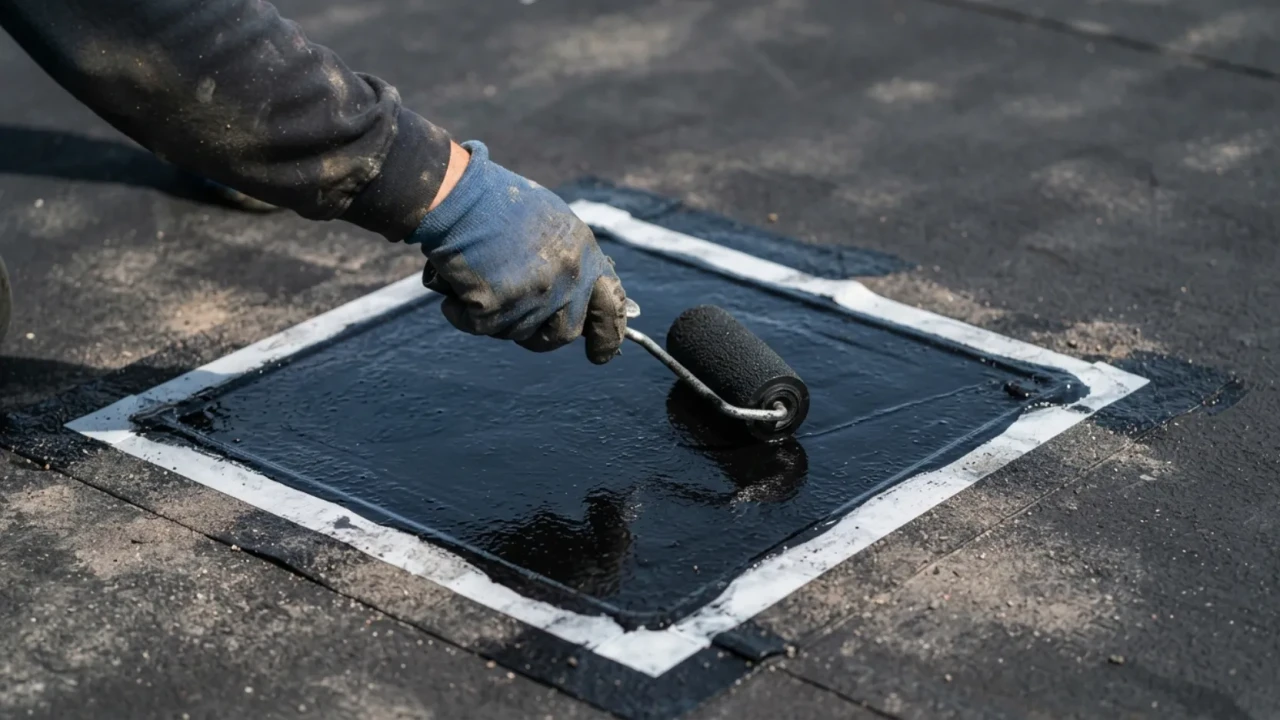
EPDM membrane damage often starts at seams and flashings, which are the most vulnerable points in a rubber roofing system during high winds and hail events.
Metal roofing can lower your homeowner's insurance premium in Texas, while rubber roofing typically does not. Many Texas insurers recognize Class 4 impact-resistant metal roofing and offer premium discounts of 20 to 30 percent. EPDM rubber does not qualify for those same discount programs. If you are comparing the total cost of ownership between metal and rubber, factor in the potential insurance savings over the life of the roof. On a typical San Antonio home, that can add up to several thousand dollars over 20 years.
- Metal roofing wins the storm and hail resistance category in virtually every comparison
- Standing seam metal is the highest impact-resistant residential roofing option available in San Antonio
- EPDM rubber is vulnerable to puncture from large hail and seam failure in high wind
- Class 4 metal roofing may qualify for insurance premium discounts of 20 to 30% in Texas
- After any hail event, inspect rubber roof seams and flashings first those are the most common failure points
Neither metal nor rubber roofing is maintenance-free, despite what some contractors will tell you during the sales process. Both require periodic inspection and attention to specific vulnerability points. The nature of that maintenance differs significantly between the two materials.
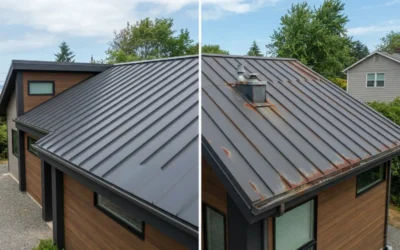
Metal roofing maintenance focus areas: Fasteners and sealants are the primary maintenance concerns on metal roofs. On exposed-fastener systems, the rubber EPDM washers on each screw compress and harden over time. Sealants at ridge caps, flashings, and penetrations break down under UV exposure and thermal cycling. A metal roof in San Antonio should be inspected every two to three years, with fastener condition and sealant integrity checked at each visit. This is not expensive maintenance when caught early, but deferred maintenance on a metal roof leads to leaks that are harder and more costly to trace.
Rubber EPDM maintenance focus areas: Seams and flashings are the primary maintenance concern on rubber roofs. EPDM membrane itself is relatively durable, but where two sheets are bonded together, or where the membrane meets a wall or penetration, the adhesive and seam tape can fail over time. In San Antonio's heat, seam adhesives soften and lose bond strength faster than in cooler climates. Ponding water is also a serious maintenance issue on flat rubber roofs. EPDM is technically tolerant of standing water, but sustained ponding accelerates UV degradation and adds structural load to the deck below.
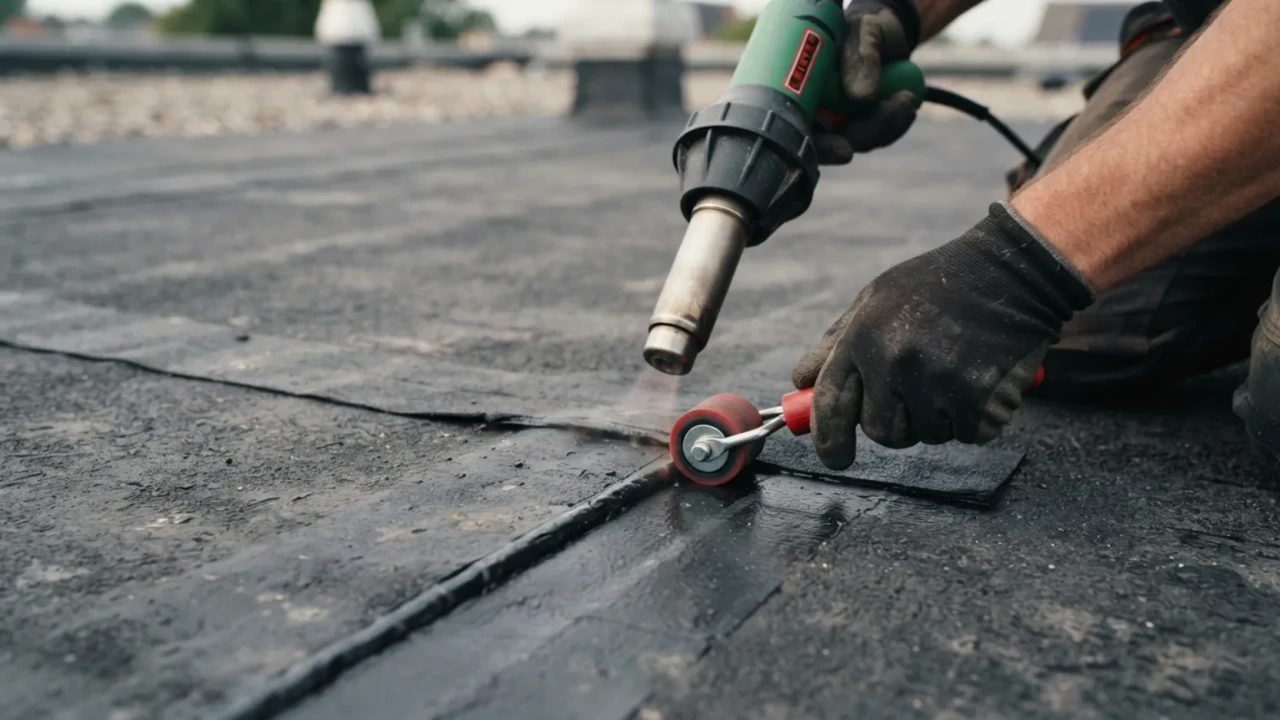
Flat EPDM rubber roofs require annual seam and flashing inspections. Ponding water is a long-term maintenance risk that affects drainage design as much as material quality.
- Metal: inspect every 2 to 3 years; focus on fastener washers and sealant condition
- Rubber EPDM: inspect annually in San Antonio; focus on seam adhesion and flashing contact
- Rubber may require a recoating every 5 to 10 years to extend lifespan; metal does not have this cycle
- Ponding water on flat rubber roofs requires monitoring and may require drain modifications
- Both materials benefit from keeping debris out of valleys, drains, and gutters
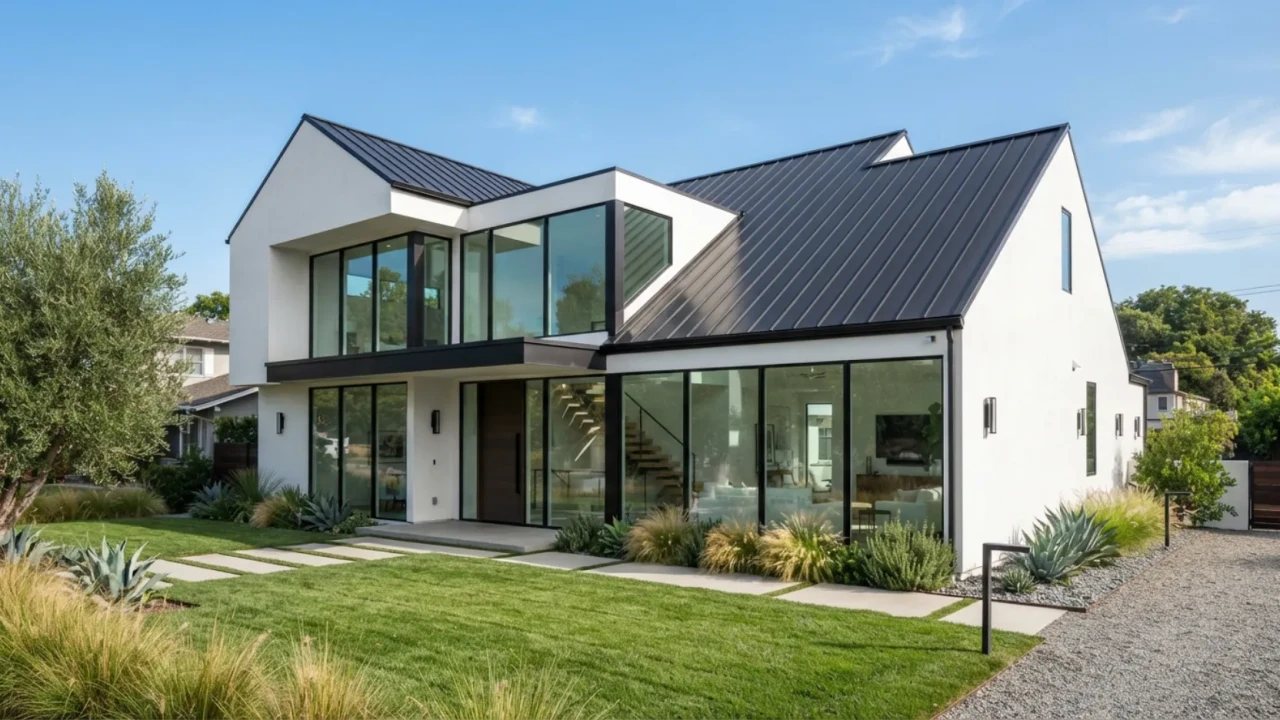
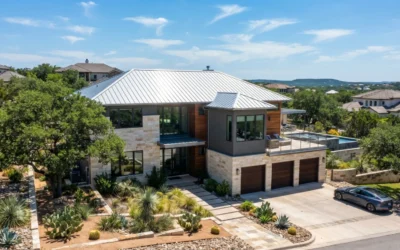
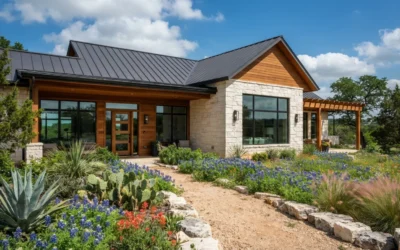
Standing seam metal roofing is the top-performing residential option in San Antonio for lifespan, storm resistance, and long-term cost of ownership.
Once you understand how both materials perform in each category, the decision framework becomes relatively clear. The primary question is what type of roof structure you have. The secondary question is your budget horizon.
| Category | Metal Roofing | Rubber EPDM | Advantage |
|---|---|---|---|
| Upfront cost | $3 to $9 per sq ft installed | $1 to $4 per sq ft installed | Rubber wins |
| Lifespan (San Antonio) | 40 to 70 years | 15 to 25 years | Metal wins |
| Heat performance | Excellent with cool-roof coating | Poor (black); good (white variant) | Metal wins |
| Hail and storm resistance | Excellent, especially standing seam | Fair; seam vulnerability in high wind | Metal wins |
| Maintenance demand | Low to moderate (every 2 to 3 years) | Moderate (annual recommended in TX) | Metal wins |
| Flat or low-slope application | Yes (specialty low-slope systems) | Yes (primary use case) | Situation-dependent |
| Pitched residential roofing | Yes (primary use case) | Not suitable above 2:12 pitch | Metal wins |
| Insurance discounts (Texas) | Yes (Class 4 impact rating) | No qualifying discount programs | Metal wins |
| 30-year total cost of ownership | Lower (no full replacement cycle) | Higher (full replacement needed) | Metal wins |
| Resale and curb appeal | Strong positive impact on home value | Minimal to neutral impact | Metal wins |
If you have a pitched residential roof, the choice is clear: metal is the better material in virtually every category that matters in San Antonio. It lasts longer, performs better in the heat, holds up better in hail, and delivers a better return over the life of the property.
If you have a flat or very low-slope commercial or residential section and your primary concern is the lowest possible upfront cost, rubber EPDM is a legitimate, proven option. Just go in with realistic expectations about its lifespan in South Texas and budget for a replacement within 15 to 20 years.
If you have a flat or low-slope section and you want the best long-term performance, look at low-slope metal roofing systems (including standing seam panels designed for low-slope applications) or consider TPO as a middle-ground between rubber and metal performance.
Use this decision table to identify which material fits your property type and priorities. If you are still uncertain after reviewing it, call us for a free consultation. We will give you a straight answer based on your specific roof.
| Your situation | Recommended material | Reason |
|---|---|---|
| Pitched residential roof, any slope above 2:12 | Metal roofing | Rubber is not suitable above 2:12 pitch. Metal is the clear choice on any standard residential roof. |
| Flat commercial roof, budget is the primary concern | EPDM rubber | Lowest upfront installed cost. Accept the shorter lifespan and budget for replacement in 15 to 20 years. |
| Flat or low-slope roof, planning to own for 25+ years | Metal or TPO | The long-term cost of multiple rubber replacements exceeds the higher upfront cost of metal or TPO. |
| Home in an active hail area of Bexar County | Metal roofing | Class 4 impact-resistant metal roofing offers the best protection and may lower your insurance premium. |
| Energy efficiency is a top priority in San Antonio | Metal with cool-roof coating | Black EPDM is one of the worst choices for heat management in South Texas. Metal with a reflective coating is superior. |
| Commercial property, need lowest maintenance | Standing seam metal | No exposed fasteners means fewer maintenance touchpoints and lower ongoing repair costs over time. |
| Rental property, want to minimize upfront spend | EPDM rubber (flat roof) or corrugated metal (pitched) | Both are the most cost-effective entry points in their respective roof type categories. |
- Confirm your roof's pitch: above 2:12, rubber EPDM is not an option
- Identify whether you have a flat, low-slope, or pitched roof section (some homes have both)
- Note the age of your current roofing and whether insurance has previously paid a storm claim
- Check for active leaks or water intrusion before choosing a material the cause of the leak matters
- Establish your budget horizon: lowest upfront cost vs. lowest 30-year total cost
- Determine how long you plan to own the property
- Decide if insurance premium discounts are a factor in your decision (they favor metal)
- Consider whether energy efficiency and summer cooling costs are a priority
- Get written quotes for both materials if your roof is flat or low-slope the cost difference may surprise you
- Ask each contractor to specify the metal panel type or EPDM membrane thickness being quoted
- Request the manufacturer's warranty documentation for the material being installed
- Verify the contractor is experienced with the specific material they are quoting metal and rubber require different skill sets
- Ask for references from completed jobs using the same material on roofs similar to yours
Get a free roofing estimate in San Antonio
Not sure whether metal or rubber roofing is right for your property? We will inspect your roof for free, explain your options without pressure, and give you a clear written estimate for both materials if they apply to your situation.