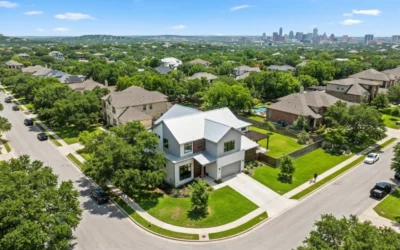
Steel and aluminum are the two most common metal roofing materials installed across San Antonio. This guide breaks down what each one costs per square foot, what drives those prices up or down, and which material actually makes more sense for a Texas home or commercial building.
When San Antonio homeowners start comparing metal roofing options, the steel versus aluminum question comes up early. Both materials are genuine metal roofing options with long lifespans, wind resistance, and energy efficiency advantages over asphalt shingles. But they are not the same material, and they do not cost the same to install. Understanding where the price difference comes from, and whether that difference is worth it for your specific property, is the real goal of this guide.
The short answer is that steel costs less upfront and aluminum costs more, but aluminum eliminates the rust risk that is a real concern for some San Antonio properties. The right choice depends on your home's location, your budget, and what you are asking the roof to do over a 40 to 70 year lifespan. This guide breaks that down across every variable that matters.
A steel roof installed today for $4 per square foot and an aluminum roof installed for $9 per square foot look very different on day one. They look much closer over a 50-year period when you account for the maintenance differences, the coating reapplication schedules, and the corrosion risk in your specific environment. The sections below give you the real numbers for both scenarios so you can make the comparison on equal terms.
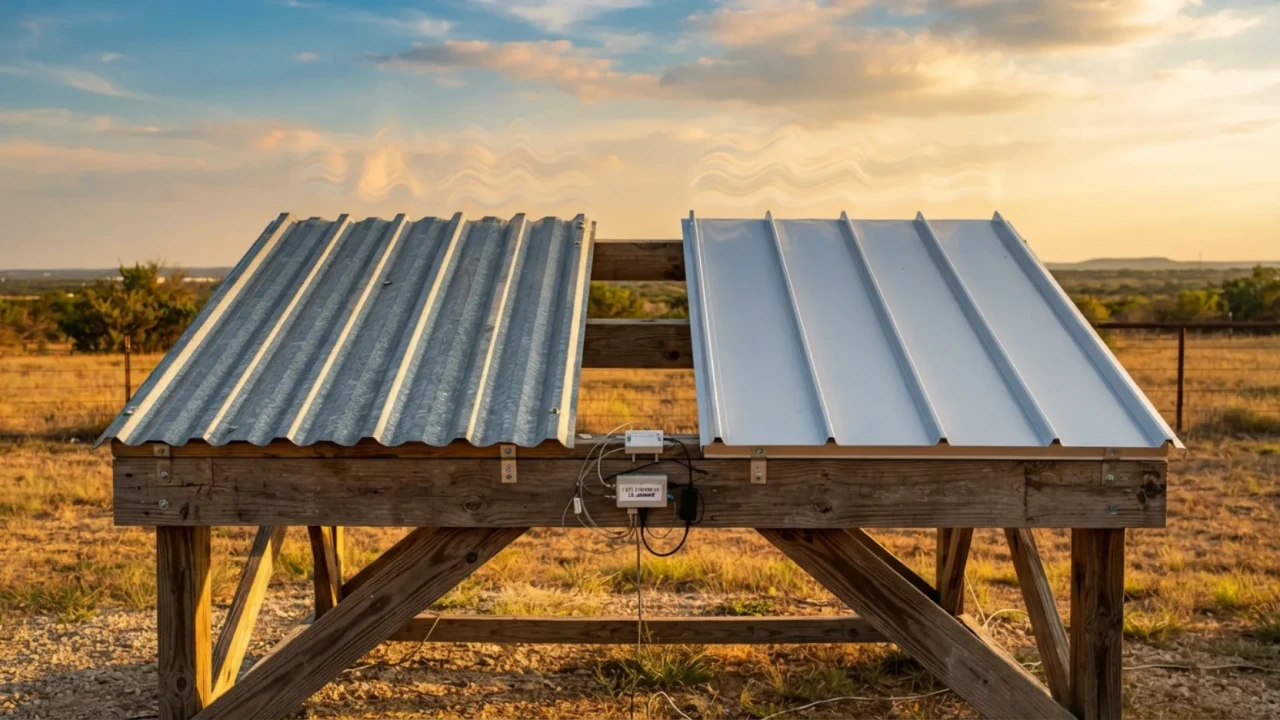
Steel is the more affordable metal roofing material because it is produced in far higher volumes globally than aluminum. The base metal is cheaper, the manufacturing processes for roofing panels are more established, and the supply chain for steel roofing is more competitive in the San Antonio market. Aluminum costs more because the raw material is more expensive to produce and refine, and the market for aluminum roofing panels is smaller than for steel.
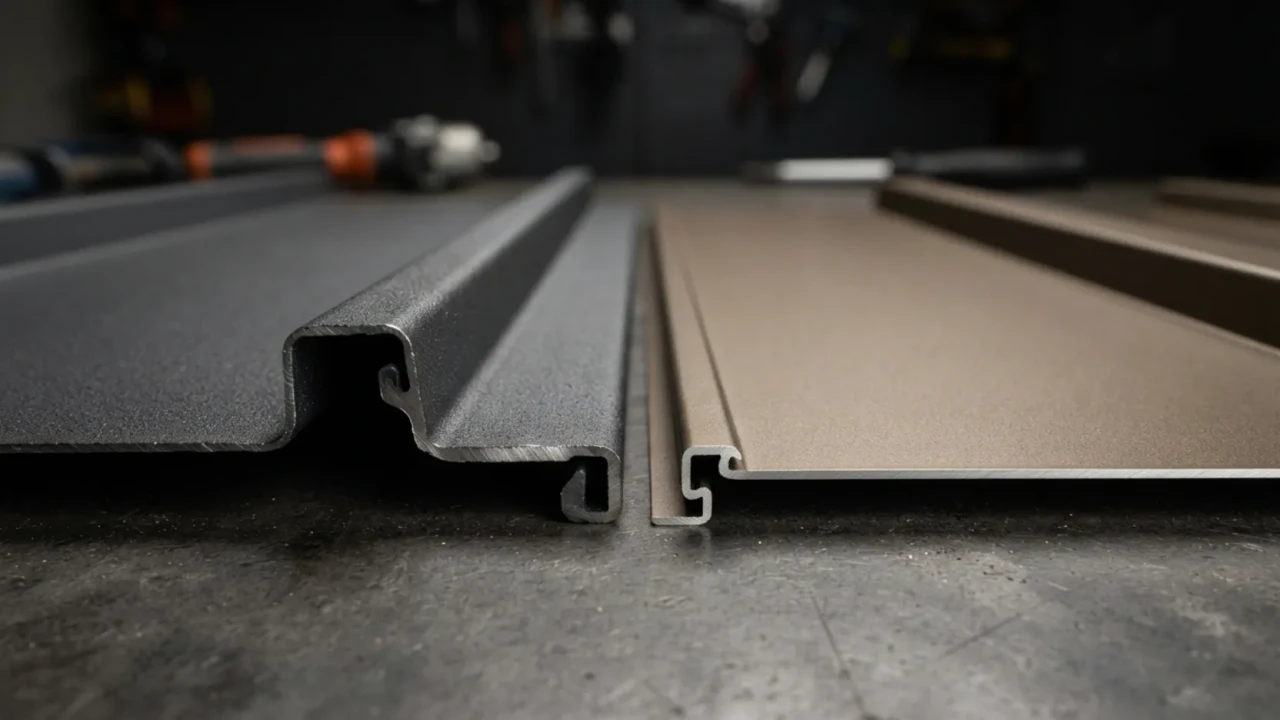
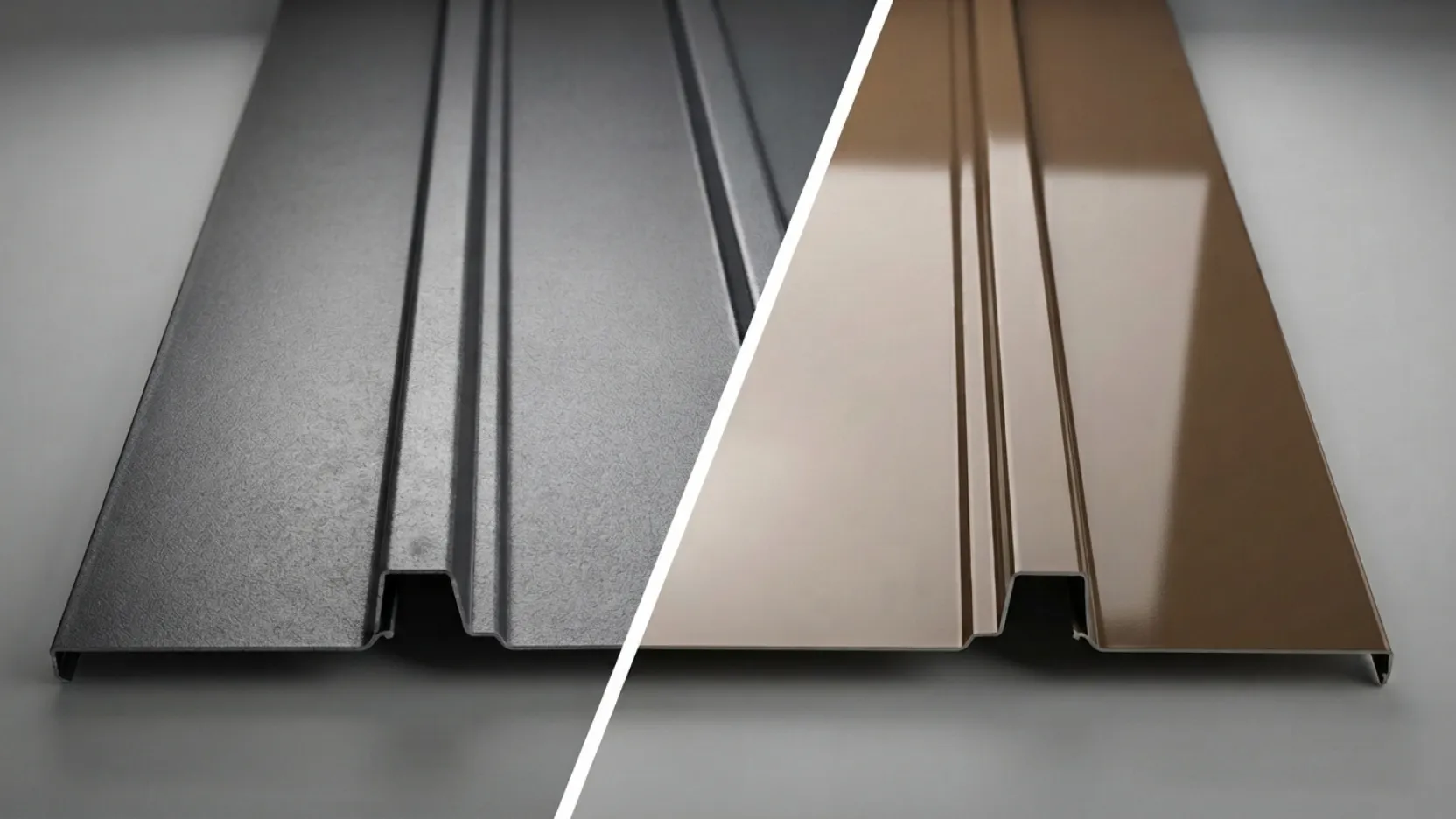
Steel roofing panels in the San Antonio market run $1.50 to $3.50 per square foot for materials alone, depending on gauge, panel profile, and coating type. Galvalume steel (zinc-aluminum alloy coated) is the most common and sits at the lower end of that range. Painted steel with a PVDF (Kynar) coating runs higher. Stone-coated steel panels are at the top of the steel price range.
Aluminum roofing panels run $3.00 to $6.00 per square foot for materials alone. The higher base cost is consistent across panel profiles. Aluminum standing seam panels, which are the most popular aluminum roofing choice, sit in the $4.00 to $6.00 per square foot range for materials before any labor is added.
- Steel panels cost 30 to 70 percent less than aluminum panels of the same profile
- Both materials are priced per square foot of roof area, not per panel
- Panel gauge (thickness) affects price: thicker gauge costs more but improves wind and hail resistance
- Coating type is a significant cost variable: bare Galvalume is cheapest, PVDF-painted runs higher
- Standing seam panels cost more than corrugated or exposed-fastener panels in both materials
- Always get the installed price (materials plus labor) in the same quote for a true comparison
Labor costs for metal roofing in San Antonio typically run $2.00 to $4.50 per square foot on top of material costs, and the two materials are not dramatically different in how long they take to install. That said, there are real differences in how contractors handle steel versus aluminum on the job site, and those differences can push labor costs in one direction or the other depending on the project.
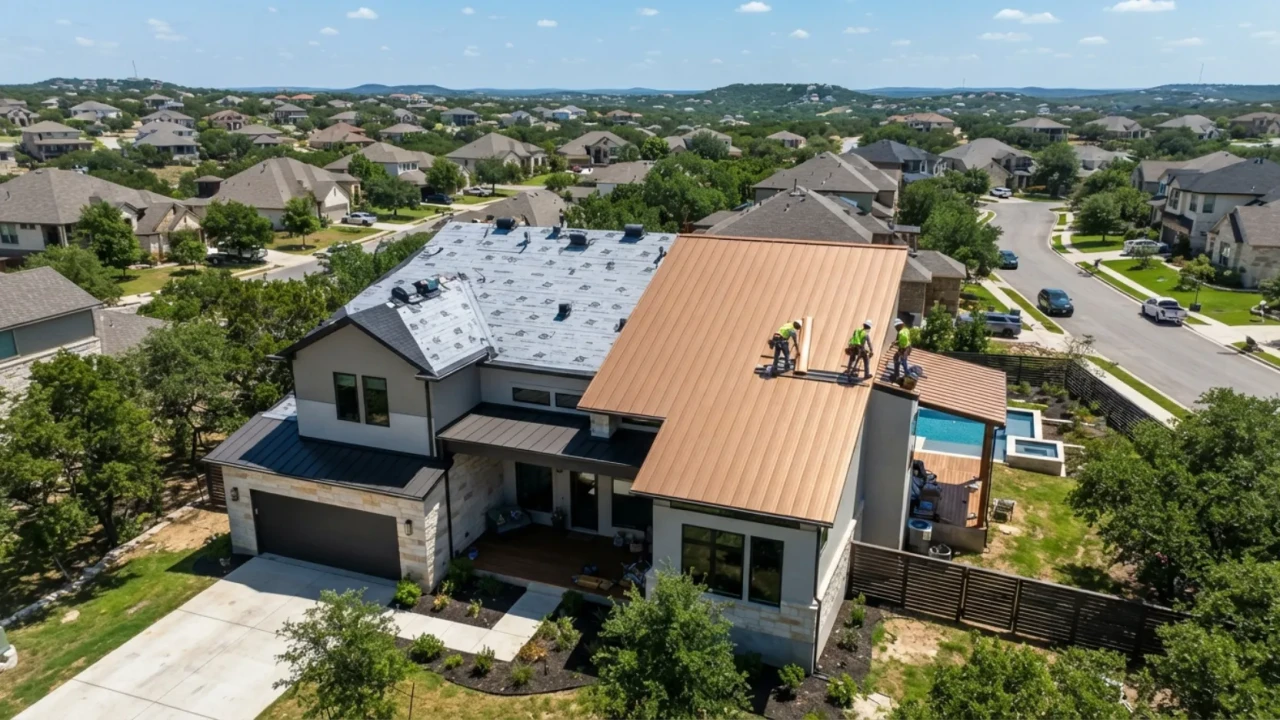
Aluminum is lighter, which makes it easier to carry and position on the roof. On steep pitches or difficult-access properties, this can modestly reduce labor time. The tradeoff is that aluminum is softer than steel and can dent more easily during installation if handled carelessly. Experienced metal roofing crews know how to work with aluminum without marking the panels, but less experienced contractors can create cosmetic damage that leads to disputes.
Steel panels, particularly heavier-gauge options, require more physical effort to move and position. On a large commercial roof, this difference adds up. On a standard San Antonio residential project, the weight difference between steel and aluminum panels of the same profile is noticeable but rarely changes the labor cost significantly.
The biggest labor cost variable for metal roofing in San Antonio is not the material choice it is the roof complexity. A simple gable roof with one or two penetrations and minimal valleys will install faster and cheaper than a hip roof with dormers, multiple skylights, and HVAC equipment. When getting quotes, ask the contractor to break out the material cost and the labor cost separately. That makes it much easier to compare bids accurately and understand what you are paying for.
- Labor costs are similar for steel and aluminum on the same roof complexity
- Roof pitch is the biggest single labor cost driver steep roofs require more safety equipment and time
- Always confirm the contractor has specific experience with the panel profile being installed
- Ask for the labor and material cost broken out separately in any written quote
- Aluminum requires careful handling to avoid installation dents confirm the crew's aluminum experience
- Standing seam panels (both materials) take longer to install than exposed-fastener panels
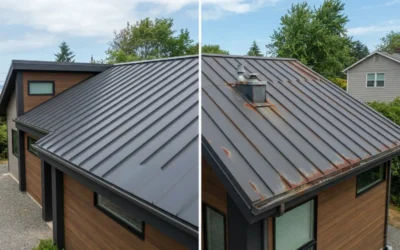
This is where the steel versus aluminum comparison gets more nuanced than the installation quote. Aluminum is a naturally corrosion-resistant metal. When aluminum oxidizes, it forms a thin aluminum oxide layer on its surface that actually protects the underlying metal from further corrosion. Steel, by contrast, rusts when the protective coating fails and bare metal is exposed to moisture. The quality of steel's corrosion protection comes entirely from its coating Galvalume, paint, or stone coat not from the base metal itself.
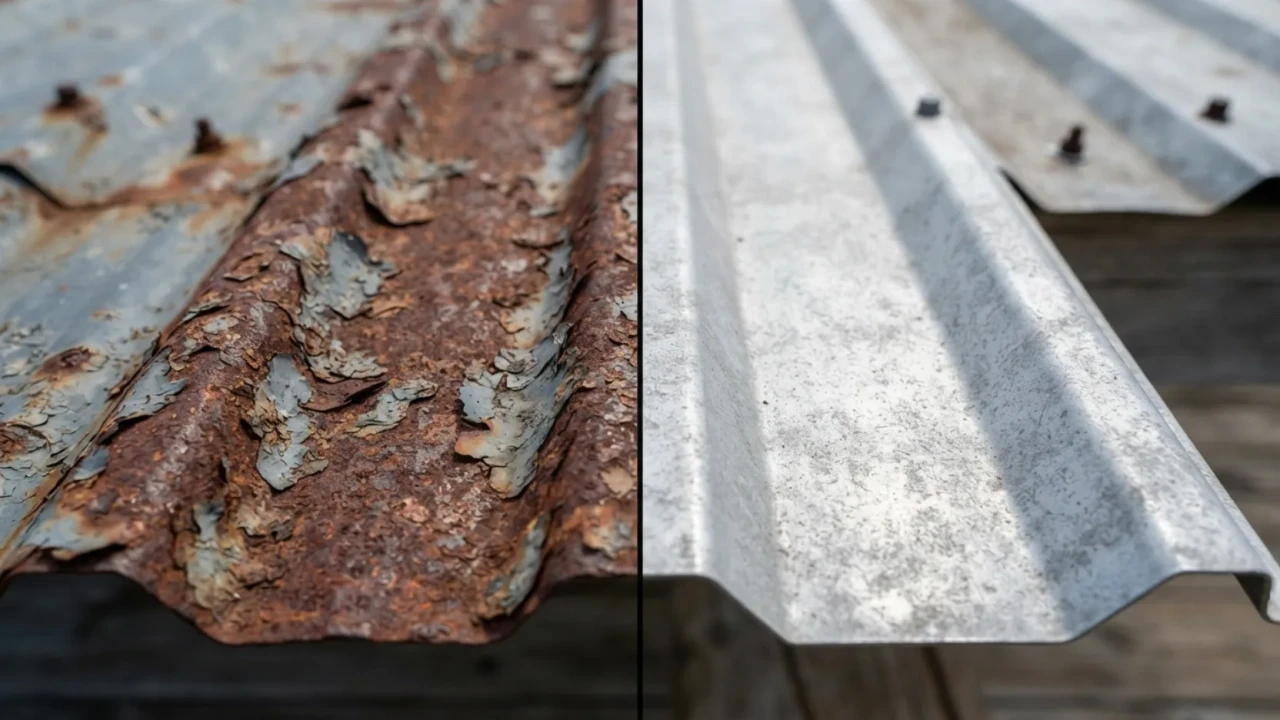
For most San Antonio residential properties located away from the coast, a properly coated Galvalume steel roof will perform without corrosion problems for 40 or more years with routine maintenance. The coating system on modern steel roofing is highly effective, and San Antonio's inland location means the salt air corrosion risk that affects coastal Texas is not a primary concern for most homes in Bexar County.
For properties near the coast (within 10 to 20 miles of the Gulf) or with aggressive local environments such as commercial properties near chemical facilities or industrial zones, aluminum's native corrosion resistance becomes a genuine performance advantage that can justify the higher upfront cost. Salt exposure degrades steel roofing coatings faster than the coating systems are designed for.
- Aluminum does not rust corrosion protection is built into the base metal, not a coating
- Galvalume steel has excellent corrosion resistance when the coating is intact and maintained
- Steel roofs in San Antonio should be inspected for coating damage every two to three years
- Any scratched or chipped areas on a steel roof should be treated promptly before rust develops
- A full steel roof recoating adds $3,000 to $8,000 in lifecycle cost and should be budgeted for
- For coastal Texas properties or high-corrosion environments, aluminum's premium is often justified
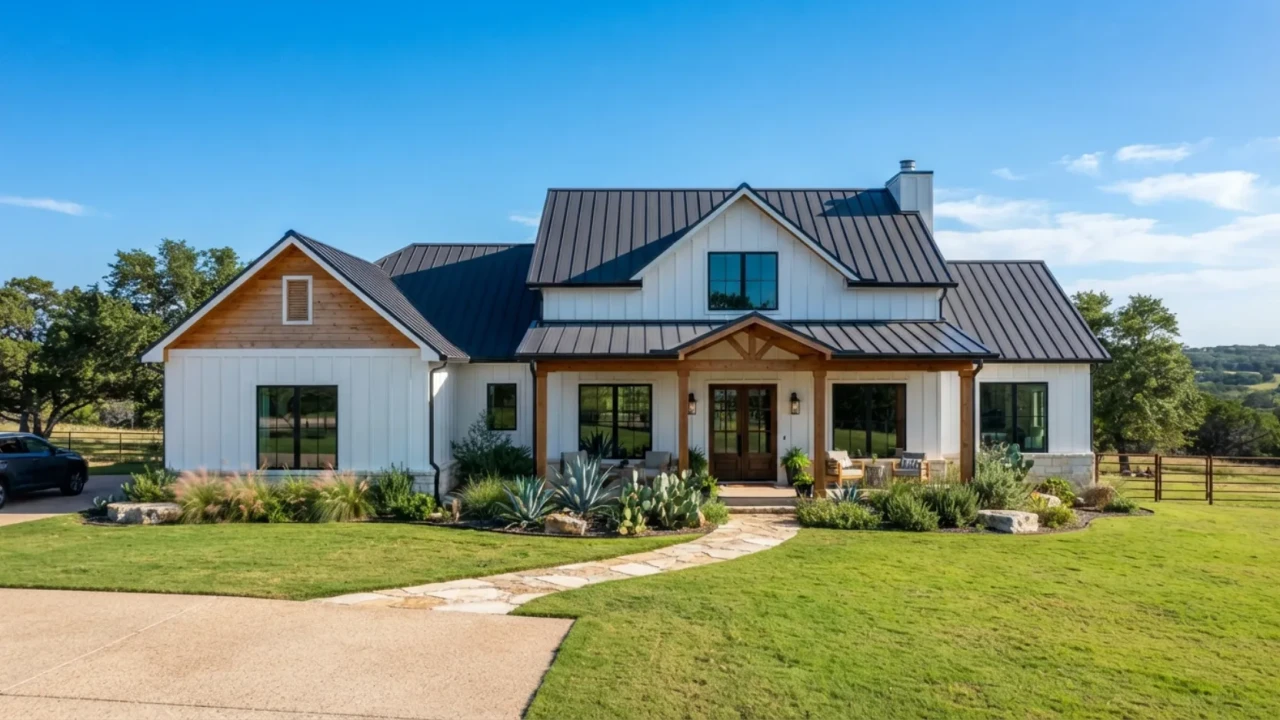
When San Antonio homeowners research metal roofing for wind resistance, the comparison is usually between metal roofing as a category and asphalt shingles. That is the right first comparison. Both steel and aluminum metal roofing dramatically outperform asphalt shingles in high-wind performance. The differences between steel and aluminum are more about specific scenarios than about one being broadly superior to the other.
Weight matters for older San Antonio homes with aging roof framing or where the structural assessment indicates limited additional load capacity. Aluminum's lighter weight is a genuine advantage in these situations. A full aluminum roof can weigh less than half what a comparable steel roof weighs, which can eliminate the need for structural reinforcement on older homes.
Hail resistance is where steel has a clear advantage in the San Antonio market. Steel roofing, particularly thicker-gauge panels with Class 4 impact ratings, holds up better to large hail than aluminum of the same thickness. Aluminum is softer and dents more easily under hail impact. This is a meaningful consideration in San Antonio's active hail corridor. A Class 4 impact-rated steel roof may also qualify for homeowners insurance discounts in Texas that aluminum panels of equivalent thickness may not achieve.
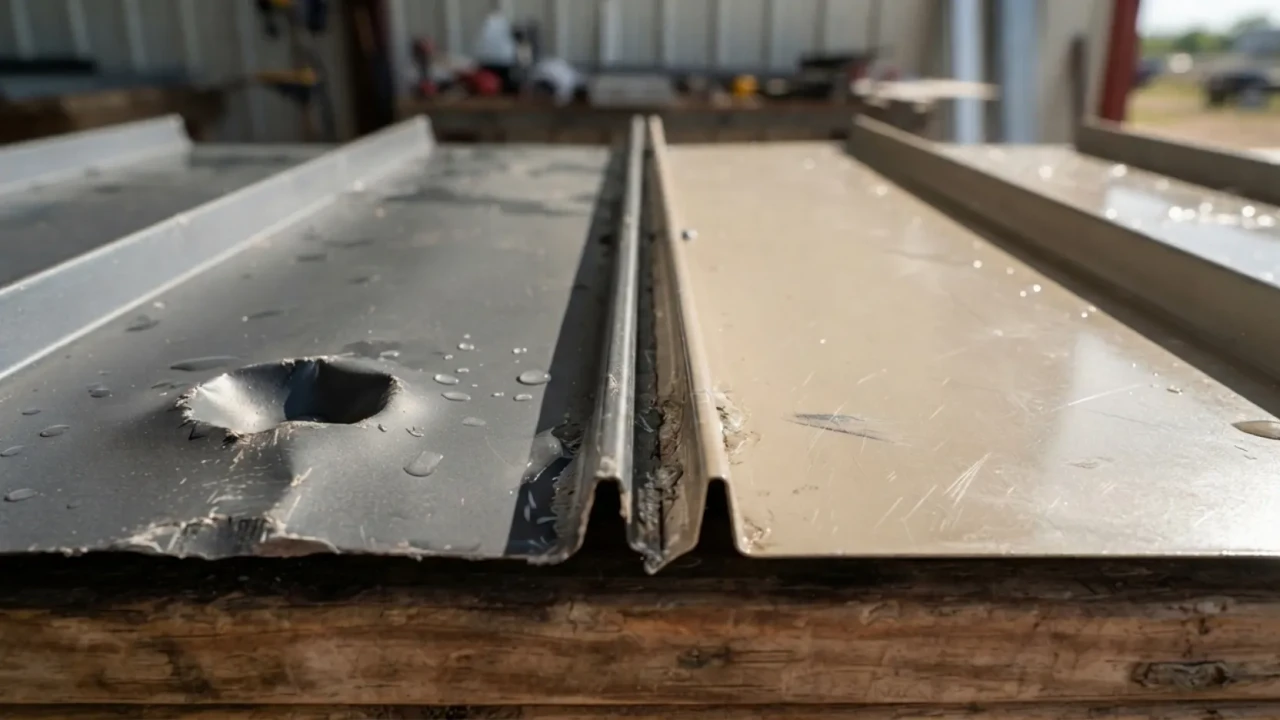
Thermal expansion is a less-discussed but real performance difference. Aluminum expands and contracts more per degree of temperature change than steel does. In San Antonio's extreme temperature range, this means aluminum panels need to be installed with proper allowance for movement. Standing seam aluminum panels are designed to accommodate this expansion, which is one reason standing seam is the preferred profile for aluminum roofing. Exposed-fastener aluminum panels can develop fastener stress and seam separation over time if the thermal movement is not accounted for in the installation.
- Aluminum weighs roughly half as much as steel an advantage on homes with structural load concerns
- Steel outperforms aluminum in hail resistance at the same panel thickness
- Class 4 impact-rated steel roofing may qualify for Texas homeowners insurance discounts
- Panel profile (standing seam vs. exposed-fastener) matters more than material for wind performance
- Aluminum thermal expansion requires proper installation technique confirm installer's experience
- Standing seam panels in both materials provide the best long-term wind and water performance
The steel versus aluminum decision does not have a universal right answer, but it does have a clear framework. Most San Antonio homeowners land firmly in the steel category when they run through the variables honestly. Aluminum makes sense in a smaller but real set of scenarios. The table below maps the most common situations to a recommendation.
| Your situation | Recommended material | Reason |
|---|---|---|
| Inland San Antonio home, standard budget | Steel (Galvalume or painted) | Excellent performance at lower cost. Corrosion risk is manageable with proper coating maintenance in an inland environment. |
| Coastal Texas property within 20 miles of the Gulf | Aluminum | Salt air degrades steel coatings significantly faster than inland environments. Aluminum's native corrosion resistance is worth the premium. |
| Home with older framing or limited structural load capacity | Aluminum | Half the weight of comparable steel panels. Can eliminate or reduce the need for structural reinforcement. |
| Prioritizing hail resistance (insurance discount) | Steel (Class 4 impact-rated) | Class 4 steel outperforms aluminum in hail resistance. May qualify for Texas homeowners insurance premium reductions. |
| Long-term ownership, minimizing lifetime maintenance | Aluminum (if budget allows) | No rust risk eliminates recoating costs over a 50-year ownership period. Higher upfront cost, lower ongoing maintenance. |
| Commercial property in San Antonio | Steel (typically) | Lower cost over large roof areas, strong structural performance, and excellent availability of commercial panel profiles in steel. |
| Investment property or rental | Steel | Lower upfront cost preserves capital. Steel's lifespan is more than sufficient for investment property holding periods. |
One question that changes the comparison significantly: how long do you plan to own the property? If you are planning to sell within 10 to 15 years, the additional upfront cost of aluminum delivers less of its lifecycle benefit within your ownership window. If you are planning a 30-year or longer ownership, aluminum's lower maintenance cost and elimination of rust risk start to close the gap with steel's lower upfront price. Always run the total cost comparison over your realistic ownership horizon, not just the installation quote.
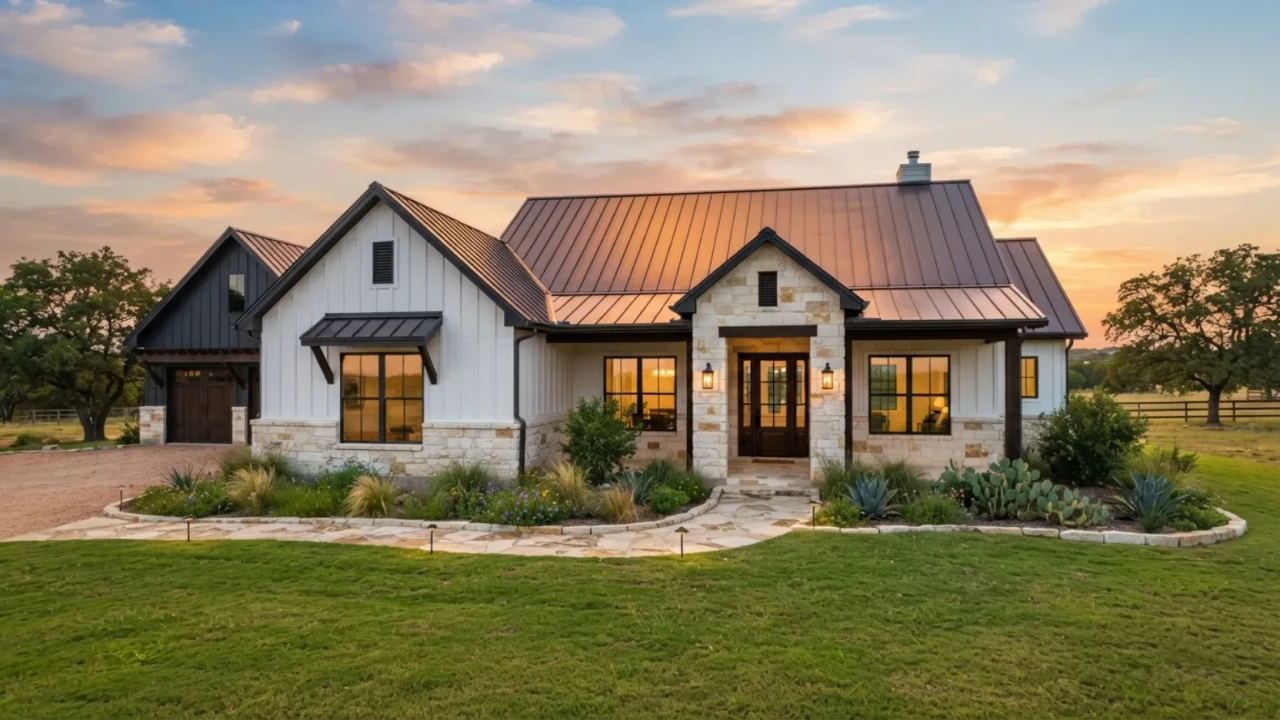
- Most inland San Antonio homes are better served by steel for upfront cost and hail performance
- Aluminum earns its premium in coastal, high-corrosion, or low-structural-capacity scenarios
- Ownership horizon matters aluminum's lifecycle advantage grows over longer ownership periods
- Investment properties and rentals almost always favor steel for lower upfront cost
- Ask your contractor for a total cost comparison over 20 and 40 years, not just the installation quote
- Insurance discount eligibility for Class 4 impact ratings should be confirmed with your Texas insurer
This table covers every meaningful difference between steel and aluminum roofing for a San Antonio residential or light commercial project. Use it as a reference when comparing contractor quotes or making your material selection.
| Category | Steel roofing | Aluminum roofing | Winner for most SA homes |
|---|---|---|---|
| Installed cost (per sq ft) | $4 to $7 | $6 to $12 | Steel |
| Material cost (per sq ft) | $1.50 to $3.50 | $3.00 to $6.00 | Steel |
| Weight | 1.0 to 2.5 lbs/sq ft | 0.5 to 1.0 lbs/sq ft | Aluminum (lighter) |
| Corrosion resistance | Excellent when coating intact; can rust if coating fails | Native corrosion resistance; does not rust | Aluminum (no rust risk) |
| Hail resistance | Superior Class 4 ratings widely available | Good softer than steel, dents more easily | Steel |
| Wind resistance | Excellent 140+ mph in standing seam | Excellent 140+ mph in standing seam | Tie (profile-dependent) |
| Lifespan | 40 to 70 years with maintenance | 40 to 70 years with minimal maintenance | Tie |
| Maintenance cost | Moderate periodic coating inspection and recoating | Low no rust treatment needed | Aluminum (lower maintenance) |
| Thermal expansion | Lower expansion rate more forgiving in installation | Higher expansion rate requires proper panel movement allowance | Steel (more forgiving) |
| Best for coastal TX | No salt air accelerates coating degradation | Yes native corrosion resistance handles salt exposure | Aluminum |
| Insurance discounts (TX) | Class 4 ratings available discount eligible | Class 4 ratings available but less common | Steel |
| Recyclability | Highly recyclable steel is among the most recycled materials on earth | Highly recyclable aluminum recycling is efficient and established | Tie |
- Confirm your property's distance from the Gulf Coast within 20 miles, aluminum is worth evaluating seriously
- Review your home's structural load capacity if it is a concern, aluminum's lighter weight is an advantage
- Check with your Texas homeowners insurer about Class 4 impact-rated steel roof discounts before choosing material
- Determine your realistic ownership horizon aluminum's lifecycle advantage grows over 30 or more years
- Assess your roof's existing hail history a high hail-frequency property favors steel's impact resistance
- Request quotes for both steel and aluminum on the same panel profile so you are comparing equivalent systems
- Ask each contractor to break out material cost and labor cost separately in the written estimate
- Confirm the gauge (thickness) of the panels being quoted thicker gauge costs more but performs better
- Ask for the coating type and warranty on any steel panels being quoted (Galvalume, PVDF paint, or stone coat)
- Request a lifecycle cost estimate that includes expected maintenance over 20 and 40 years for each option
- Verify the contractor has installation experience with the specific panel profile and material being proposed
- Confirm the panel manufacturer and product line not just the material type (steel or aluminum)
- Verify the wind and impact rating of the specific panel being installed, not just the material category
- Confirm what is included: underlayment, flashing, ridge cap, fasteners, and disposal of existing roof
- Verify the contractor's license, insurance certificate, and workmanship warranty terms in writing
- Confirm a start date and project timeline in the contract before making any deposit
Get a free steel and aluminum roofing quote in San Antonio
Not sure which material is right for your property? We will inspect your home, explain your options honestly, and give you written quotes for both steel and aluminum so you can compare them side by side at no cost.