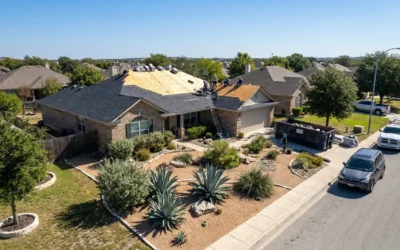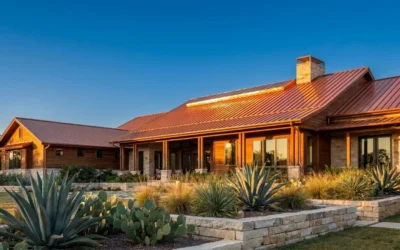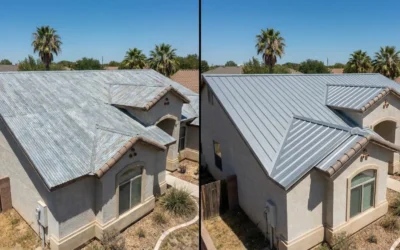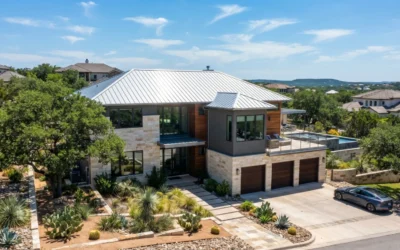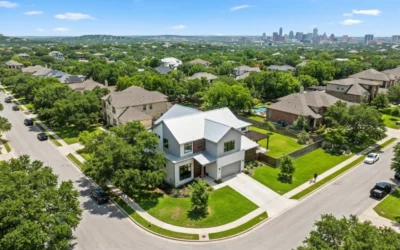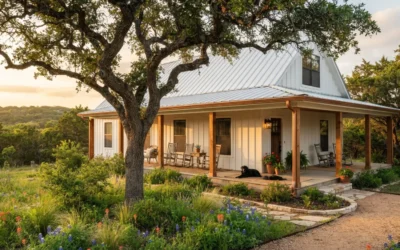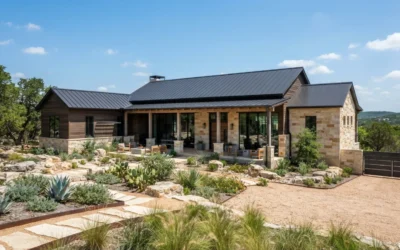
Steel, aluminum, copper, and zinc all serve as metal roofing materials, but they are not interchangeable. This guide breaks down every option, compares how each holds up in the San Antonio climate, and tells you exactly which material makes the most sense for your home and budget.
When most San Antonio homeowners start researching metal roofing, they expect a simple answer. They want to know what the best material is and move on. The honest answer is that it depends on three things: your budget, how long you plan to own the home, and what your roof needs to handle in terms of weather exposure and aesthetics. What is the absolute best material from a pure performance standpoint is not always the best material for your specific situation.
The four main metal roofing materials are steel (in several forms), aluminum, copper, and zinc. Each has a distinct performance profile, a different cost, and a different ideal use case. This guide covers all four in plain terms so you can make the right call before you buy.
There is no single best metal roofing material. Galvalume steel is the best value for most San Antonio homeowners. Aluminum is the best choice for coastal or high-salt environments. Copper and zinc are the best options for longevity and curb appeal if budget is not the primary concern. The most expensive mistake you can make is choosing a material based on one attribute cost, or lifespan, or appearance without considering the full picture. This guide gives you that full picture for every material available in 2026.
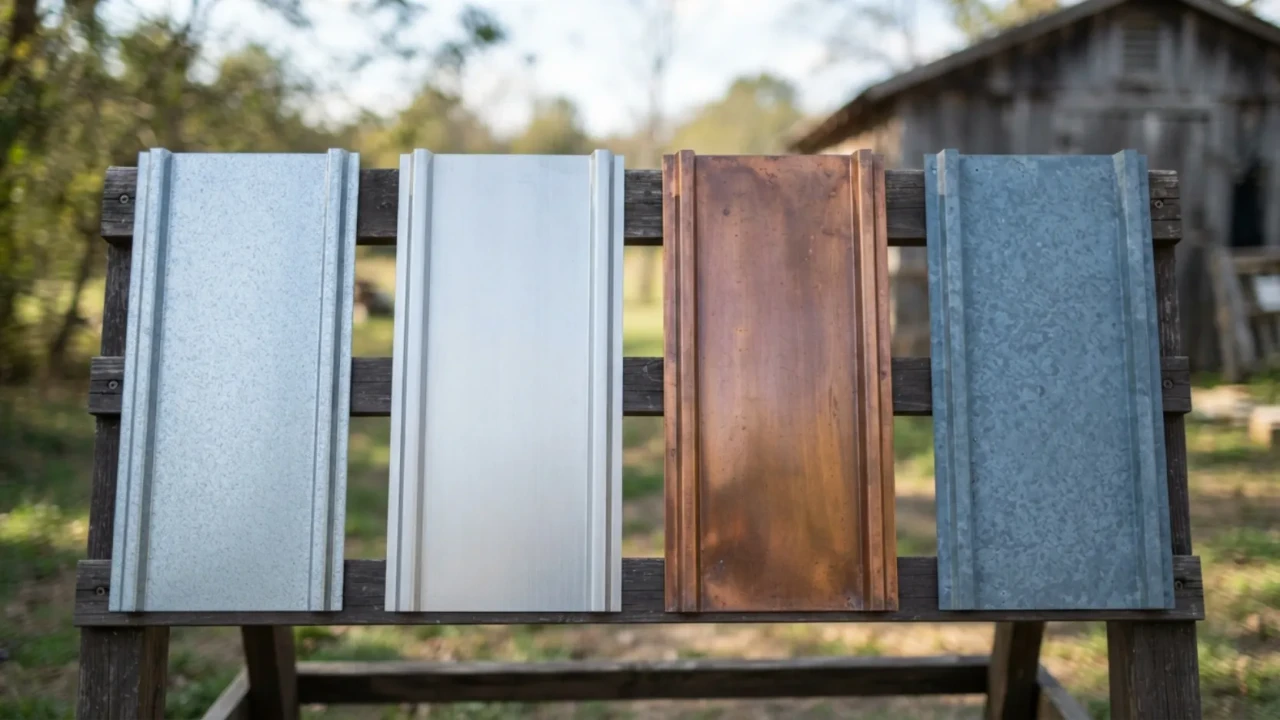
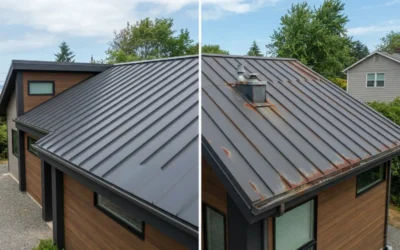
Galvalume is the material most San Antonio metal roofing contractors install by default, and for good reason. It is a steel sheet coated with a mixture of aluminum and zinc, which gives it significantly better corrosion resistance than plain galvanized steel. The aluminum component in the coating forms a tight, stable oxide layer that resists the kind of progressive rust you see on older painted galvanized roofs. The zinc component provides sacrificial protection at cut edges and scratches, which means the coating actively repairs itself at minor damage points.
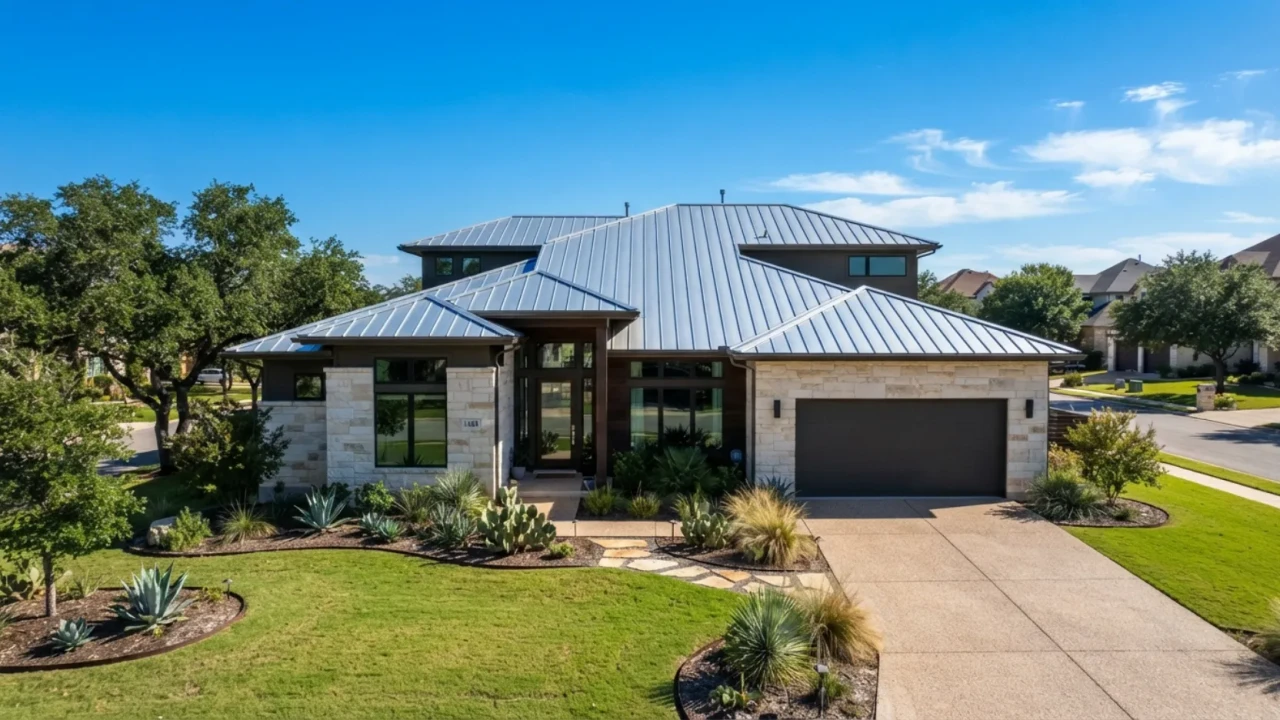
Why it works for San Antonio: The temperature swings in Bexar County are severe. A metal roof sitting in direct July sun can reach surface temperatures above 160 degrees Fahrenheit. Galvalume steel handles thermal expansion and contraction well, especially in standing seam configurations where the panels are designed to float rather than be rigidly fastened at every point.
The gauge matters: Residential Galvalume roofing is typically available in 24-gauge and 26-gauge panels. For San Antonio, where hail events are common, 24-gauge is the better choice. The thicker panel resists denting from hailstones and holds up better over decades of thermal cycling.
- Gauge confirmed in writing: 24-gauge for residential hail exposure, 26-gauge acceptable for low-pitch commercial only
- Coating type specified: Galvalume (aluminum-zinc alloy) not just galvanized (zinc only)
- Panel profile confirmed: standing seam for low-maintenance, exposed fastener only if budget requires it
- Paint system specified on painted panels: PVDF (Kynar 500) coating for UV resistance in San Antonio sun
- Isolation barrier confirmed wherever panels contact concrete, mortar, or treated lumber
- Manufacturer warranty terms reviewed: base metal warranty separate from paint finish warranty
Aluminum does not rust. That is its defining attribute, and it is the reason aluminum roofing panels are the correct choice for any property within several miles of the Gulf Coast, near a large body of water, or in a high-humidity microclimate where steel panels would corrode significantly faster than their rated lifespan. In San Antonio proper, the environment is not particularly coastal, but properties in the Hill Country near water features, or homes on the eastern edge of Bexar County near wetter terrain, can benefit from aluminum's inherent corrosion immunity.
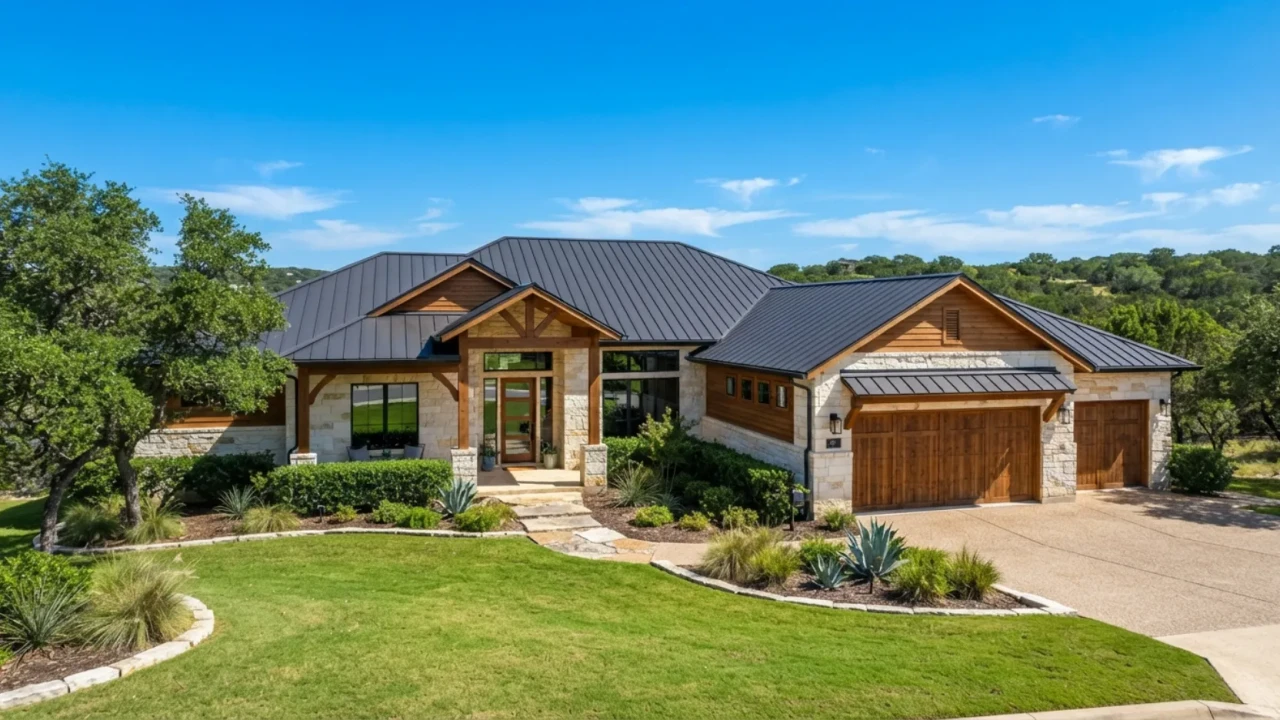
The softness trade-off: Aluminum is softer than steel. A 24-gauge aluminum panel is noticeably easier to dent than a 24-gauge Galvalume steel panel under the same hail impact. For San Antonio homeowners, this is a meaningful consideration. After a significant hail event, aluminum roofs can show cosmetic denting that does not compromise function but is visible. This does not affect the roof's ability to shed water, but it matters if curb appeal is a priority.
Expansion behavior: Aluminum expands and contracts more than steel under the same temperature change approximately twice as much per degree. This means the fastener and panel system design is especially important. Standing seam aluminum roofing accounts for this movement in its clip and panel geometry. Exposed fastener aluminum panels require careful torque control and should be inspected more frequently than steel panels in San Antonio's temperature extremes.
For most San Antonio homeowners, Galvalume steel outperforms aluminum on the value equation. Steel offers better dent resistance at a lower price point, and Galvalume's corrosion resistance is excellent for the inland Texas environment. Aluminum earns its premium when salt air, standing water exposure, or a waterfront location is in play. If your property is in standard San Antonio residential terrain, the upgrade from Galvalume steel to aluminum adds cost without a proportional benefit in this specific market. Ask your contractor to walk you through both options with installed prices before deciding.
- Use case validated: aluminum earns its premium in coastal or high-humidity environments; inland San Antonio typically favors Galvalume steel
- Panel thickness confirmed: .040" minimum for residential standing seam aluminum roofing
- Standing seam clips specified as floating clips to accommodate aluminum's higher expansion rate
- Paint system confirmed: PVDF (Kynar 500) for UV and chalk resistance in the Texas climate
- Dissimilar metal contact avoided: aluminum in contact with copper or copper-containing fasteners causes galvanic corrosion
- Hail exposure risk discussed with contractor given aluminum's lower dent resistance vs. steel
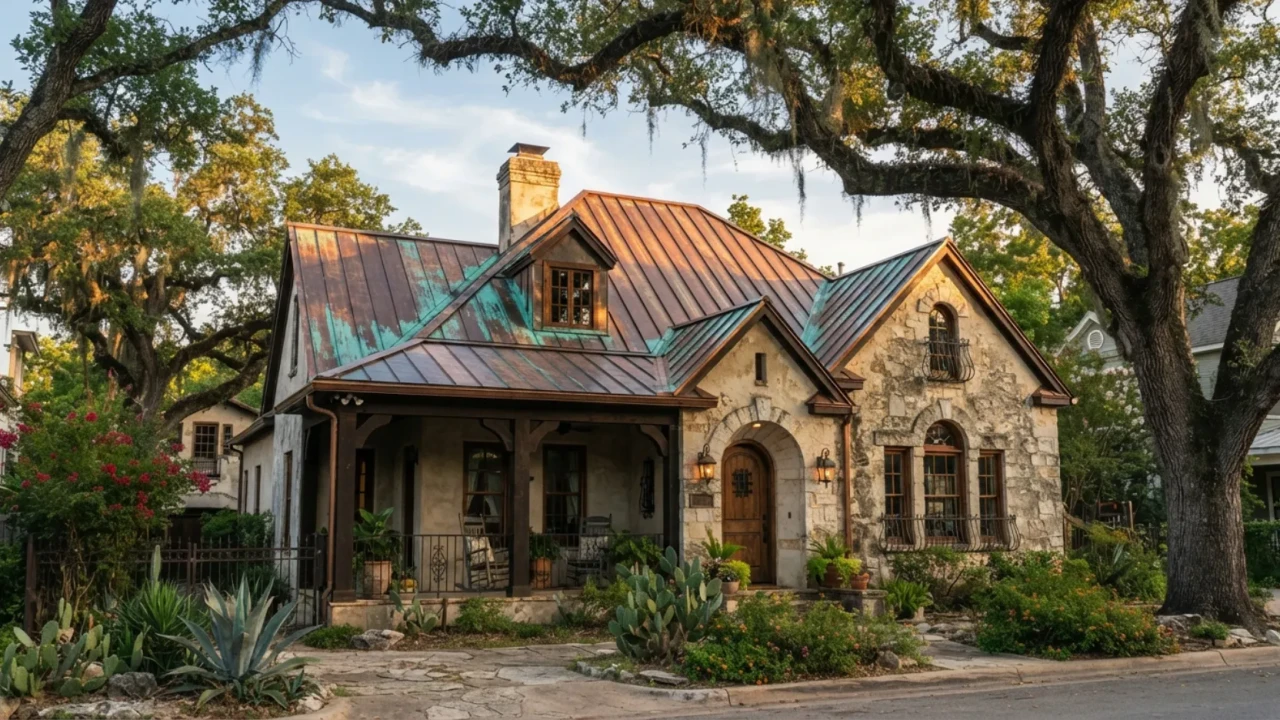
Copper is the oldest metal roofing material still in widespread use, and for good reason. A properly installed copper roof will outlast the building it covers in most cases. The patina that develops on copper over the first several decades of exposure is not corrosion in the traditional sense. It is a stable copper carbonate layer that forms naturally and actually protects the underlying metal from further oxidation. Historic buildings across Europe and the American Northeast have copper roofs that are 150 years old and still structurally sound.
In San Antonio, copper roofing is used primarily on custom homes, historic restoration projects, and accent applications: bay window caps, dormers, cupolas, and decorative flashing. Full copper roof installations are relatively rare in the San Antonio market because of cost, but they do appear on high-end residential construction where longevity and distinctive appearance justify the investment.
- Contractor has documented copper roofing experience this is a specialty trade beyond standard metal roofing
- Copper weight specified in the contract: 16 oz minimum for residential standing seam
- All fasteners, clips, and flashing specified as copper or stainless steel no galvanized or aluminum contact
- Gutters and downspouts confirmed as copper or coated to prevent galvanic reaction with copper runoff
- Drainage path analyzed: copper runoff must not land on steel or aluminum panels below
- Thermal expansion plan confirmed: copper requires standing seam floating clip system
Zinc roofing is common across Europe, where it has been used for centuries on residential and commercial buildings alike. In the United States, it is a specialty product that has grown in popularity over the past two decades, particularly among architects and custom homebuilders looking for a distinctive alternative to copper at a somewhat lower cost. In San Antonio, zinc roofing is occasionally specified on high-end custom homes and commercial projects where the material's appearance and lifespan justify the premium over steel or aluminum.
Zinc's most important property is its ability to self-heal minor surface scratches. When the patina layer called the carbonate patina, similar in concept to copper's verdigris is scratched or damaged, zinc slowly reforms the protective layer over the exposed area. This means a zinc roof that takes minor hail dings or scratch damage does not develop rust points the way a steel roof would at the same damage sites. The zinc simply re-patinates over the exposed area over time.
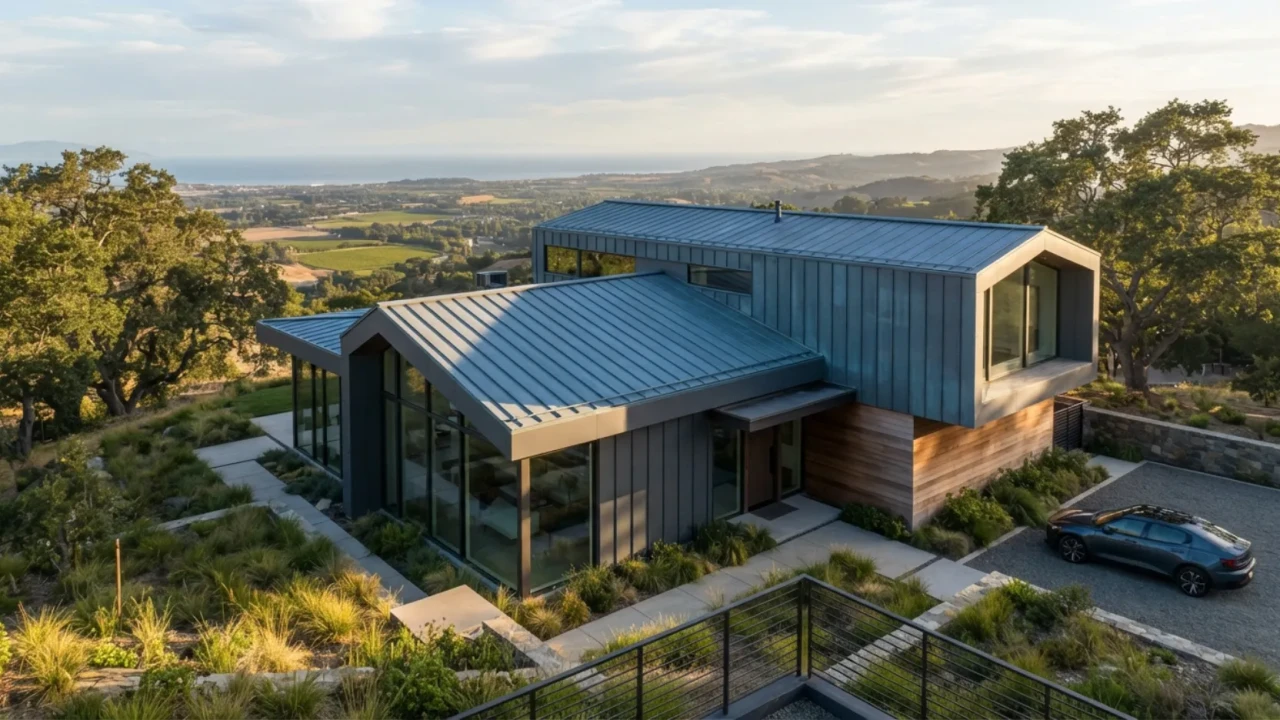
Appearance: New zinc has a bright, shiny appearance that quickly transitions to a matte blue-gray patina within two to five years of installation. The final patinated color is a soft, warm gray that reads as intentionally modern or cleanly traditional depending on the architectural style it is paired with. The matte quality of the finish is distinctive compared to painted steel or aluminum panels.
The underside corrosion concern: Zinc has one well-documented vulnerability: if moisture is trapped against the underside of a zinc panel for extended periods, a white, chalky corrosion called "white rust" or "wet storage stain" can develop. Proper installation with adequate ventilation and underlayment selection eliminates this risk in practice. However, it is a reason to confirm that your contractor has specific zinc installation experience rather than treating zinc panels the same as steel.
- Contractor has documented zinc installation experience not just general metal roofing experience
- Underlayment specified as breathable: zinc requires a vented underlayment to prevent underside moisture accumulation
- Minimum roof pitch confirmed: zinc is not recommended below 3:12 pitch without specific low-slope zinc alloy products
- Fasteners and clips specified as stainless steel or zinc-compatible material
- Zinc brand and alloy confirmed: architectural zinc alloys (titanzinc) are specified, not plain sheet zinc
- Ventilation design reviewed: adequate airflow under the panel is the primary defense against white rust
Use this table to compare all four materials across the attributes that matter most for San Antonio homeowners. Installed cost ranges reflect the local San Antonio market and include both materials and labor.
| Material | Installed cost (per sq ft) | Lifespan | Rust resistance | Hail resistance | Best for |
|---|---|---|---|---|---|
| Galvalume Steel | $3 to $12 | 40 to 70 years | Excellent (Galvalume coating) | Excellent (24-gauge) | Most San Antonio residential and commercial applications |
| Aluminum | $4 to $14 | 50+ years | Superior (naturally rust-proof) | Good (softer than steel) | Coastal, waterfront, or high-humidity properties |
| Copper | $20 to $30+ | 100+ years | Superior (self-protecting patina) | Good (soft but self-healing) | Custom homes, historic restorations, accent elements |
| Zinc | $15 to $25 | 80 to 100 years | Superior (self-healing patina) | Good (self-healing at minor damage) | Modern custom homes, architectural statements |
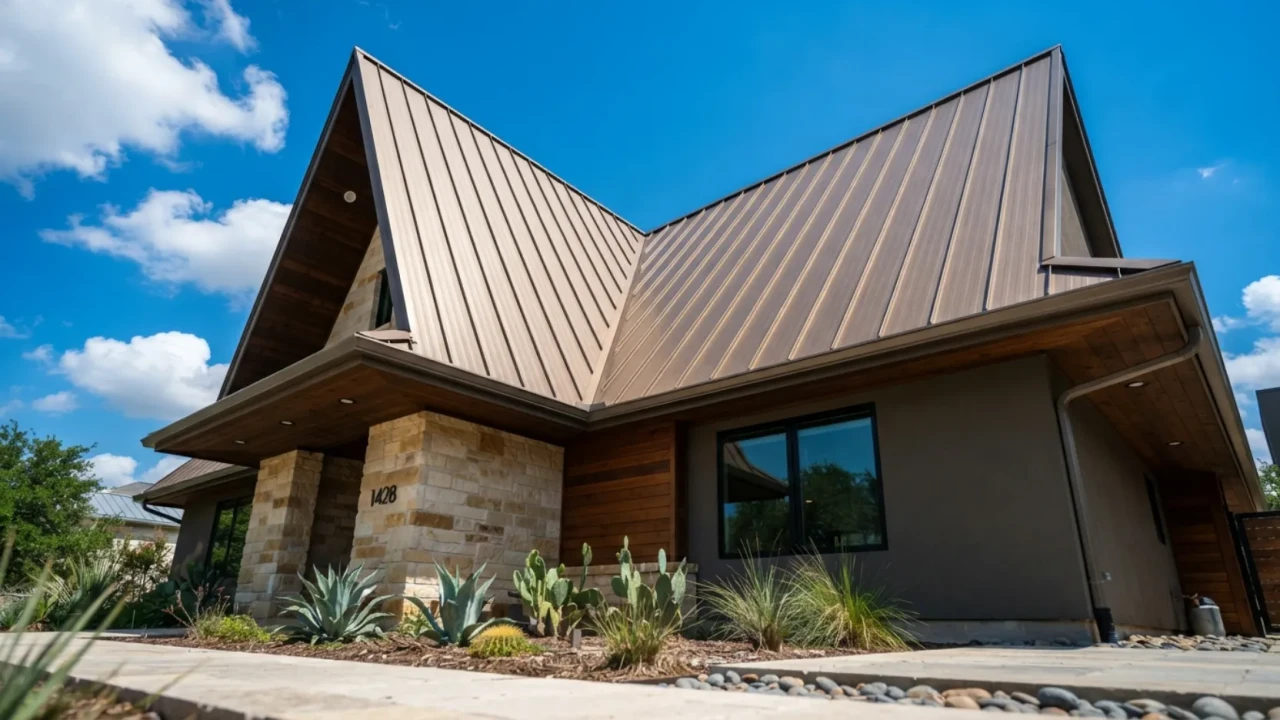
Choosing the right material is only half the decision. The panel profile determines how the roof is fastened, how it handles thermal movement, and how much maintenance it requires over its lifespan. San Antonio homeowners who get the material right but choose the wrong profile often end up with a roof that underperforms relative to what the material is capable of.
Standing seam metal roofing uses vertical panels with raised seams that interlock at the joints. Fasteners are hidden inside the seam, meaning there are no exposed screw heads on the roof surface. The panels attach to the structure via floating clips that allow the panel to move horizontally as it expands and contracts with temperature changes. This design is the reason standing seam roofs require far less maintenance than exposed fastener systems and are significantly less likely to develop leaks over time.
For San Antonio's climate, standing seam is the configuration we most consistently recommend regardless of material. The combination of concealed fasteners and thermal movement accommodation makes it the appropriate choice for a roof that will be in service for 40 or more years without major maintenance interventions.
Exposed fastener metal roofing which includes corrugated panels, ribbed agricultural panels, and screw-down R-panel systems costs significantly less than standing seam installation. The trade-off is maintenance. Each fastener point is a potential leak location if the EPDM washer under the screw head deteriorates, if the screw backs out over time, or if the screw was over-driven during installation and stripped its own hole. San Antonio's temperature swings accelerate this process.
Exposed fastener panels are a legitimate and cost-effective choice for agricultural buildings, some light commercial applications, and budget-conscious residential projects where the owner understands the maintenance commitment involved. They are not the right choice for a homeowner who wants to install the roof and not think about it for 30 years.
An exposed fastener metal roof in San Antonio should be inspected every three to five years with focused attention on fastener condition, EPDM washer integrity, and sealant condition at all overlaps, ridge caps, and penetrations. A roof that is not inspected on this schedule will develop leaks at failed fastener points before it reaches the end of its panel lifespan. The panels themselves may be fine while the fasteners are failing. Plan for periodic maintenance costs as part of the total cost of ownership when choosing this configuration.
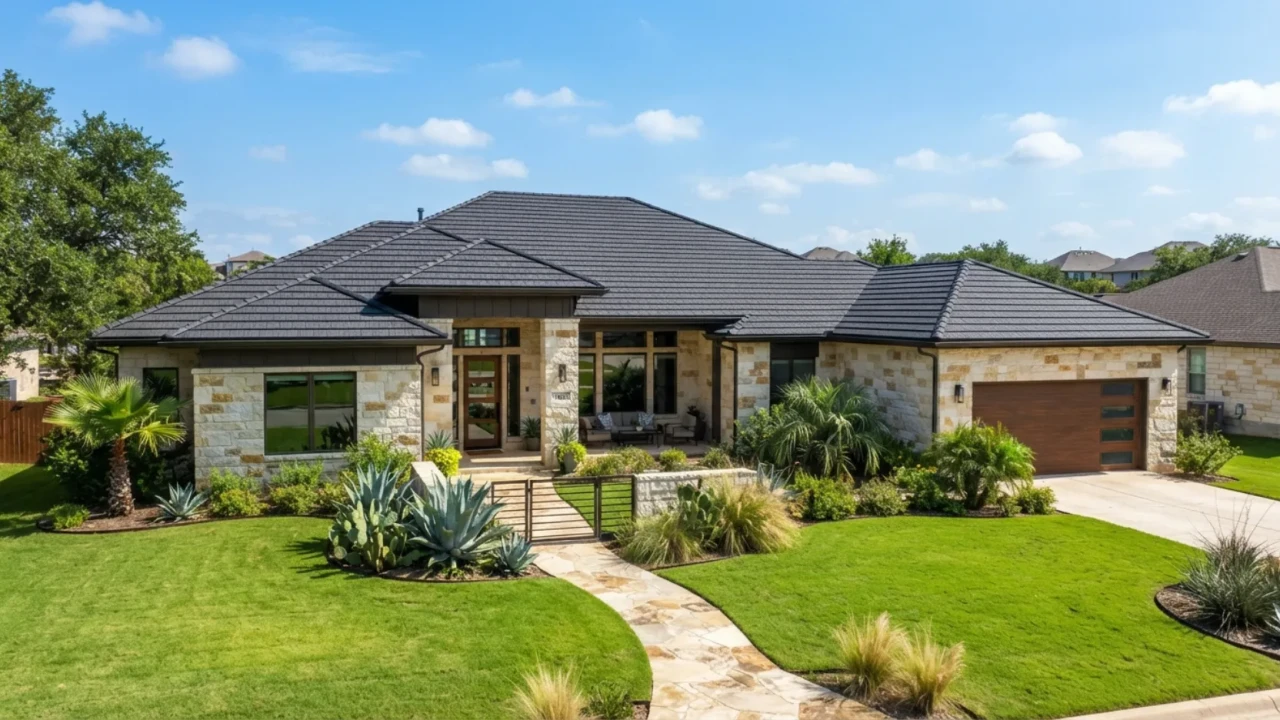
Stone-coated steel panels use a Galvalume base panel with a stone aggregate coating bonded by acrylic resin. The result is a panel that looks like tile, cedar shake, or architectural shingles from the ground but performs like a metal roof in terms of durability and fire resistance. This makes stone-coated steel popular in San Antonio neighborhoods where HOA rules restrict the appearance of roofing materials but do not specifically prohibit metal.
The primary vulnerability of stone-coated steel in San Antonio is hail. Large hail events can chip or crack the stone aggregate coating, exposing the base metal to moisture. The exposed metal can then begin to rust at the chip sites. After any major hail event, stone-coated steel roofs should be inspected for chip damage and the affected areas recoated if the base metal is exposed.
- Budget range established: Galvalume steel for value, aluminum for coastal, copper or zinc for long-term premium investment
- Property environment assessed: inland San Antonio standard, coastal or waterfront, or high-humidity microclimate
- Hail exposure prioritized: 24-gauge steel offers better dent resistance than aluminum in San Antonio hail country
- HOA rules reviewed: stone-coated steel may be required where standard metal panel profiles are restricted
- Longevity goal confirmed: 40 to 70 years (steel), 50+ years (aluminum), 80 to 100+ years (zinc and copper)
- Budget for the full lifespan considered: a copper roof at $25 per square foot costs less per year than a steel roof at $8 per square foot replaced twice
- Standing seam specified for any roof where 30-year low-maintenance performance is the goal
- Exposed fastener panels only considered where budget is the primary constraint and maintenance schedule is accepted
- Panel gauge confirmed in the contract: 24-gauge minimum for residential standing seam steel in San Antonio
- Paint system specified for colored panels: PVDF (Kynar 500) coating for UV and chalk resistance
- Thermal movement accommodation confirmed: floating clips for standing seam, correct fastener torque for screw-down
- Dissimilar metal contact eliminated from the design: copper must not contact steel or aluminum
- Contractor has specific experience with your chosen material, not just general metal roofing experience
- Manufacturer certification confirmed if required by the panel warranty terms
- Written estimate specifies material, gauge, coating, profile, and fastener type not just a price per square
- Both material warranty and workmanship warranty terms reviewed before signing
- Certificate of insurance verified: at least $1 million general liability coverage
Not sure which metal roofing material is right for your San Antonio home?
We will walk you through your options in plain terms, give you installed pricing for the materials that fit your project, and let you make the call without pressure. Free inspection and free estimate.