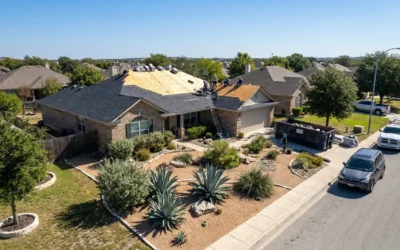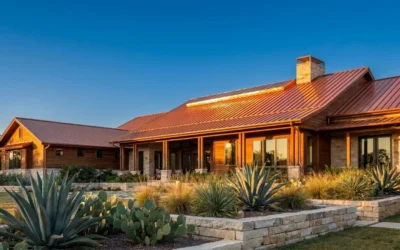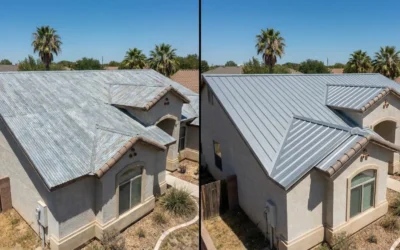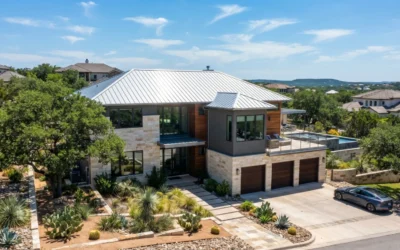
Asphalt shingles cover roughly 75 to 80 percent of all residential roofs across the United States. In San Antonio, that number is just as commanding. This guide explains exactly why, and what it means when you are choosing a roof for your Bexar County home.
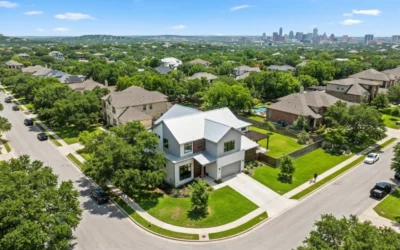
If you drive through any neighborhood in San Antonio, from the historic streets of King William to the newer subdivisions in Stone Oak and Helotes, the roofline tells a consistent story. The material you will see on the overwhelming majority of homes is asphalt shingles. Not tile. Not metal. Not wood. Asphalt shingles, in dozens of colors and profiles, covering home after home across Bexar County.
That dominance is not an accident. It is the result of a material that has evolved for decades to fit the specific demands of Texas homeowners: the brutal summer heat, the hailstorms that roll through "Hail Alley," the high winds that accompany storm season, and the budget realities that most families actually work with. This guide explains each of those reasons in plain terms, so you can understand exactly what you are getting when you choose asphalt shingles for your San Antonio home.
Not all asphalt shingles perform the same way in our climate. The 3-tab shingles that were standard a generation ago are a meaningfully inferior product compared to today's architectural and impact-resistant shingles. When homeowners say asphalt shingles "don't hold up in Texas heat," they are usually describing an older or entry-level product, not a properly specified modern shingle system. Choosing the right shingle type and getting the installation done correctly are the two decisions that determine whether you get 15 years or 30 years out of your roof. This guide will help you understand the difference.

There are six core reasons asphalt shingles account for the majority of roofs in this city. Each one reflects a real advantage in the context of San Antonio's climate, economy, and housing stock. None of them are marketing claims. They are the practical reasons homeowners make this choice over and over again.
The installed cost of an asphalt shingle roof in San Antonio runs $3.50 to $7.00 per square foot, depending on the shingle type you choose and the complexity of your roof. For a typical 1,500 to 2,000 square foot San Antonio home, a full tear-off and replacement with quality architectural shingles will cost in the range of $7,000 to $12,000. That is a real investment, but it is also roughly half what you would pay for a comparable standing seam metal roof, and one-third what premium tile would cost on the same home.

That affordability extends beyond the initial installation. When an asphalt shingle roof needs a repair, the repair is straightforward and inexpensive. Damaged shingles can be replaced individually without disturbing the surrounding field. Labor is widely available. Materials are stocked at every roofing supply house in San Antonio. The total cost of ownership, from installation through the life of the roof, remains lower than alternatives even when factoring in a shorter lifespan.
- Tear-off and disposal of existing shingle layers (San Antonio code allows a maximum of two layers before full tear-off is required)
- Inspection and repair of any damaged decking found after tear-off
- Installation of synthetic or felt underlayment across the full roof surface
- New drip edge and flashing at all eaves, rakes, valleys, and penetrations
- Shingle installation with manufacturer-specified fastener pattern and nailing schedule
- Ridge cap installation and full cleanup of all debris from the property
San Antonio's climate is demanding. Summer temperatures routinely exceed 100 degrees Fahrenheit. The roof surface itself can reach 150 to 170 degrees on a July afternoon. UV exposure is intense and relentless from March through October. And at any point during storm season, hailstones ranging from dime-sized to baseball-sized can fall across Bexar County with almost no warning.
The asphalt shingles installed today are not the same product that was going on roofs 20 or 30 years ago. Manufacturers have developed specific formulations to address the heat degradation, granule loss, and UV cracking that accelerated wear in older products under Texas conditions. Modern architectural shingles use polymer-modified asphalt and reinforced fiberglass mats that hold up meaningfully better under sustained high-heat exposure than their predecessors.

If you are replacing a shingle roof in San Antonio, the Class 4 impact-resistant upgrade is worth the conversation with your contractor. The per-square-foot cost difference between standard architectural shingles and Class 4-rated shingles is modest, often $1 to $1.50 per square foot. But Class 4 shingles may qualify your home for a homeowner's insurance premium discount from your carrier in Texas. In many cases, that annual savings offsets the upgrade cost within three to four years of installation, and you carry the benefit for the life of the roof.
- Minimum Class A fire rating for all shingles this is the standard for most San Antonio neighborhoods and HOA requirements
- Wind rating of at least 110 mph for architectural shingles; 130 mph rated products are preferable in exposed locations
- Class 4 impact resistance (UL 2218) for the best hail protection and insurance benefit potential
- SBS polymer-modified or algae-resistant formulation to handle San Antonio's heat and humidity combination
- Manufacturer's lifetime or 50-year limited warranty with transferable coverage to the next owner
- Granule adhesion tested to resist thermal cycling common in South Texas climates

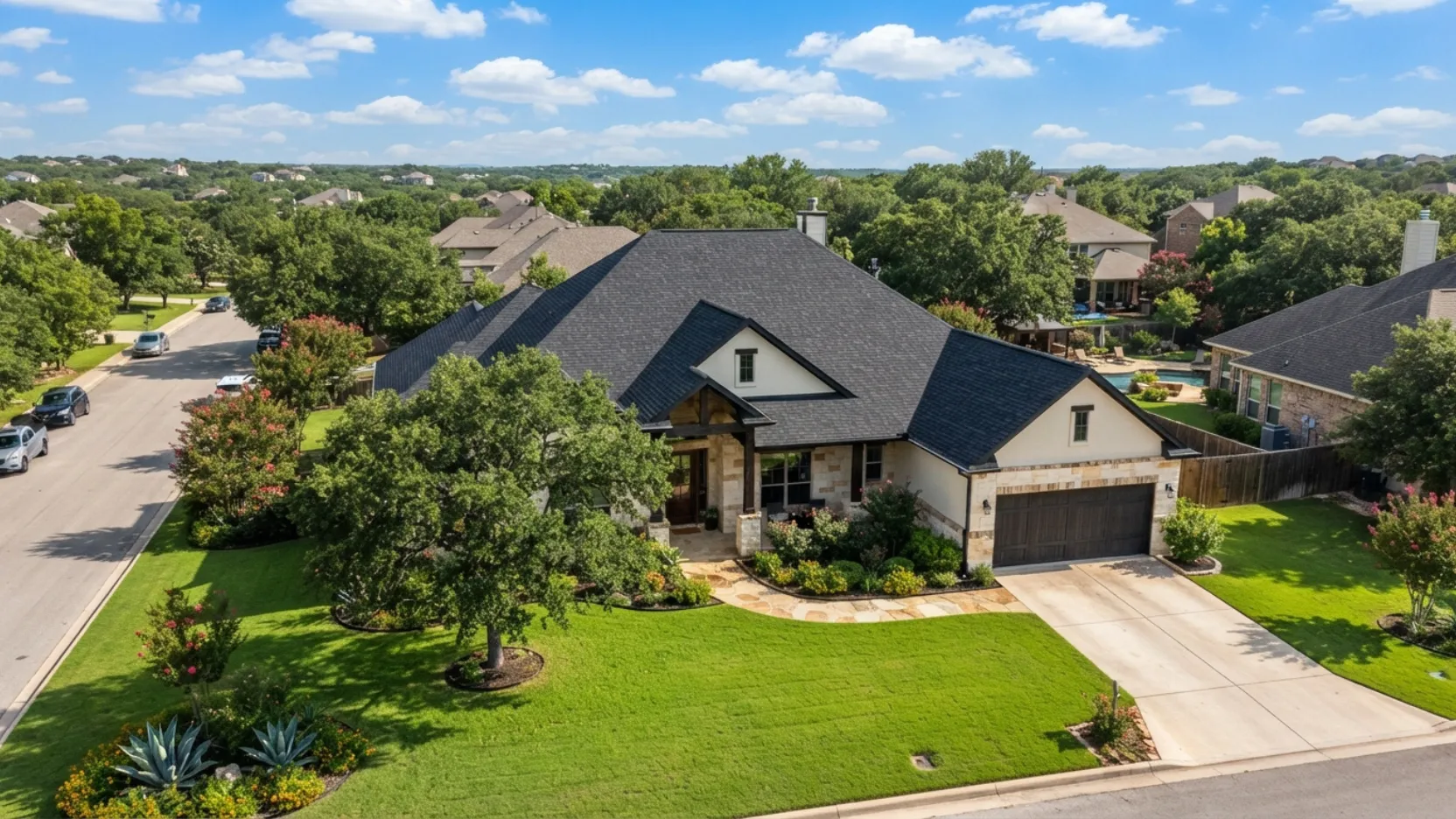
San Antonio's housing stock is one of the most architecturally diverse in Texas. You have 1920s bungalows in Woodlawn Hills, mid-century ranch homes across the Northside, Mediterranean-influenced construction throughout the Hill Country suburbs, contemporary builds in Alamo Ranch, and historic Victorian-era homes in King William. No single roofing material other than asphalt shingles has the range of profiles, colors, and textures to complement this variety of home styles without looking mismatched or generic.
Modern asphalt shingles are available in traditional three-tab profiles, dimensional architectural profiles that mimic the shadow lines of wood shake or slate, and premium luxury shingles that closely replicate the look of natural stone slate at a fraction of the cost and weight. The color palette available from major manufacturers now spans hundreds of options, from warm earth tones suited to San Antonio's sandy surroundings to cool grays and slate blues that complement contemporary architecture.
This variety also matters for HOA compliance and historic district requirements. Many San Antonio neighborhoods have roofing restrictions on material and color. Asphalt shingles almost universally satisfy those requirements, while metal roofing or tile products may face restrictions or require approval processes that add cost and delay to a project.
- Architectural shingles are the correct choice for the vast majority of San Antonio homes they outperform 3-tab in durability and appearance without a dramatic cost premium
- Luxury shingles make sense on higher-value homes where the investment in improved appearance and a longer warranty is appropriate
- Class 4 impact-resistant shingles should be the starting point for any home in Bexar County, given our position in Hail Alley
- Check your HOA requirements before finalizing color some communities maintain approved color palettes for roofing
- Request physical shingle samples before committing to a color shingle colors look different on a small brochure versus covering a full roof surface
- Ask your contractor which manufacturers they are certified to install, since the best warranties require certified installer status
A full asphalt shingle roof replacement on a typical San Antonio home takes one to two days from start to cleanup. That is not a marketing promise. It is the practical reality of a material and installation method that has been refined over decades of continuous use. Compare that to tile, which requires additional structural assessment, longer lead times for custom-cut pieces, and multi-day installations on most residential projects, and the difference in disruption to your daily routine is meaningful.
The speed of installation also matters in post-storm situations. After a significant hail event in San Antonio, demand for roofing replacement surges across Bexar County simultaneously. Contractors who work primarily with asphalt shingles can move through their job queue faster, which means your home is re-roofed and protected sooner. With metal or tile, supply chain lead times and specialized installation requirements can add weeks to a project timeline during peak periods.

Repairs are where asphalt shingles have one of their strongest practical advantages. A single cracked, blown-off, or impact-damaged shingle can be replaced individually without disturbing the surrounding roof area. The matching shingle from the same manufacturer is almost always available from local roofing supply houses. Labor for a standard shingle repair in San Antonio is a fraction of what a comparable repair would cost on a standing seam metal roof, where panel replacement often requires seam separation and custom refabrication.
The biggest maintenance mistake San Antonio homeowners make with asphalt shingle roofs is waiting too long between inspections. An annual walk-around from the ground to look for missing shingles or visible damage, combined with a professional inspection every five to seven years, catches most issues before they become interior damage problems. Shingles that are lifted, cracked, or missing at the ridge or along valleys are the most common early warning signs. Catching them early means a repair cost in the hundreds, not a water damage remediation in the thousands.
- Granules accumulating in gutters or downspout splash areas, indicating shingle wear
- Shingles that are curling at the edges or cupping upward at the center
- Missing shingles, especially after a wind event even a single missing shingle creates a water entry path
- Dark staining or algae streaks running vertically down the roof surface
- Lifted or cracked shingles at the ridge cap, where thermal cycling stresses are highest
- Any interior water staining on ceilings, especially near exterior walls or below valleys and penetrations
Texas homeowners pay some of the highest property insurance premiums in the United States, largely because of the state's exposure to hail, wind, and severe weather events. In Bexar County specifically, homeowners insurance carriers factor roof condition, age, and material into premium calculations. This creates a financial dynamic that is particularly favorable for asphalt shingles relative to other options.
Class 4 impact-resistant asphalt shingles, which carry the UL 2218 standard certification for withstanding hailstone impacts, qualify for premium discounts with many Texas homeowners insurance carriers. The discount varies by carrier, but savings in the range of 15 to 30 percent on the roof-related portion of your premium are commonly reported. Because homeowners insurance premiums in San Antonio can run $2,000 to $4,000 per year or more depending on the property, even a partial reduction translates to meaningful annual savings.

- Choose Class 4 impact-resistant shingles and ask your contractor for the UL 2218 certification documentation
- Contact your insurance carrier before installation to confirm what discount they offer for Class 4-rated roofing in Bexar County
- Register your shingle warranty with the manufacturer immediately after installation most warranties are not active without registration
- Keep a copy of the installation receipt, shingle product sheet, and warranty documents in a safe location
- Notify your insurance carrier after the roof is completed and provide documentation of the Class 4 rating to receive any applicable discount
- After any significant hail event, have the roof inspected by your contractor before contacting your insurance company

One of the less-discussed advantages of asphalt shingles is what happens after the installation is done. Because asphalt shingles are the dominant residential roofing material in San Antonio, the supply chain supporting them is deep. Every major roofing supply house in the city stocks a wide range of shingle products, underlayments, flashings, and accessories. When you need a repair, a contractor can typically get the matching material within a day or two, not weeks.
That same widespread adoption means there are more contractors in the San Antonio market who are experienced with asphalt shingle installation and repair than with any other roofing system. This has a direct effect on pricing. More competition among qualified contractors keeps quotes honest. After a major hail event, you have more options for finding a reputable crew than a homeowner with a specialty tile or metal roof would have in the same situation.
The large number of asphalt shingle installers in San Antonio is an advantage for pricing, but it also means there is a wide range of quality in the market. After major hail events, out-of-town "storm chasers" move through San Antonio soliciting roof replacements with aggressive pricing and short timelines. Many disappear before warranty claims can be filed. A contractor who is licensed with TDLR, carries $1 million or more in liability insurance, maintains a physical San Antonio address, and can show you completed projects with homeowner references is the only kind of contractor you should have on your roof. The cheapest quote in the stack is rarely the best value.
- Verify the contractor holds a current Texas roofing contractor license through the TDLR website before any conversation about price
- Confirm they carry a minimum of $1 million in general liability insurance and active workers' compensation coverage
- Ask for references from completed shingle replacement projects in San Antonio from the last 12 months and actually call them
- Confirm the contractor has a physical San Antonio business address, not a P.O. box or out-of-state headquarters
- Ask which shingle manufacturers they are certified installers for certified status is required for the manufacturer's best warranty coverage
- Get at least three itemized quotes before deciding not just price per square, but what each line item covers
Understanding why asphalt shingles dominate the market is easier when you see how they compare directly to the alternatives San Antonio homeowners most commonly consider.
| Roofing Material | Installed Cost (San Antonio) | Expected Lifespan | Repair Cost Level | HOA / Style Flexibility | Insurance Benefit Potential |
|---|---|---|---|---|---|
| Architectural Asphalt Shingles | $4.50–$6.00 per sq ft | 20–30 years | Low individual shingles replaceable | Very high wide color and profile range | Moderate; Class 4 upgrade adds discount eligibility |
| Class 4 Impact-Resistant Shingles | $5.50–$7.00 per sq ft | 25–35 years | Low same repair simplicity as standard shingles | Very high available in same profiles as standard architectural | High qualifies for Texas insurance discounts with most carriers |
| Standing Seam Metal | $8–$16 per sq ft | 40–70 years | Higher panel repairs require seam access | Moderate modern profiles accepted; some HOAs restrict | Moderate Class A fire rating, some wind premium reduction |
| Clay or Concrete Tile | $10–$18 per sq ft | 50+ years | Moderate tile matching and access issues add cost | Moderate suited to Spanish Colonial and Mediterranean styles | Moderate Class A fire rating but heavy weight adds structural cost |
| Wood Shake | $7–$14 per sq ft | 20–30 years | High mold, rot, and fire vulnerability in Texas climate | Moderate historic charm; many HOAs and municipalities restrict it | Low many Texas carriers surcharge or exclude wood shake |
| 3-Tab Asphalt Shingles | $3.50–$4.50 per sq ft | 10–20 years in San Antonio | Low same as architectural | High universally accepted | Low lower wind rating, no Class 4 option |
- Start with architectural shingles as your baseline 3-tab shingles are not the right product for most San Antonio homes given our storm exposure
- Seriously evaluate Class 4 impact-resistant shingles the cost premium is modest and the insurance benefit is real
- Consider a cool roof shingle formulation if your roof has significant south- or west-facing exposure
- Choose a shingle with a lifetime or 50-year limited manufacturer's warranty with transferable coverage
- Ask your contractor for shingle samples to review color in your actual outdoor lighting before committing
- Verify the shingle color and profile complies with any applicable HOA or historic district requirements
- Active TDLR roofing contractor license verify on the TDLR public search tool, not just on the contractor's card
- Minimum $1 million general liability insurance with a certificate naming you as additionally insured
- Active workers' compensation coverage without it, you may be liable for injuries on your property
- Certified installer status with the shingle manufacturer required for the best warranty tier
- Physical San Antonio business address and verifiable project history in Bexar County
- Written contract with itemized scope: tear-off, decking inspection, underlayment type, shingle product, ridge cap, and cleanup
- Register your shingle warranty with the manufacturer within the required window typically 30 to 90 days after installation
- Notify your homeowner's insurance carrier and provide the Class 4 certification if applicable
- Keep all installation paperwork in a safe location you will need it for future claims and when you sell the home
- Inspect gutters one month after installation for any initial granule runoff, which is normal in the first few weeks
- Schedule a professional inspection five to seven years after installation to catch any early wear issues
Ready to talk about your San Antonio asphalt shingle roof?
Whether you need an inspection after a storm, a replacement quote, or honest advice on repair versus replacement, our San Antonio crew is here. Licensed, insured, and backed by 30 years of Bexar County roofing experience.