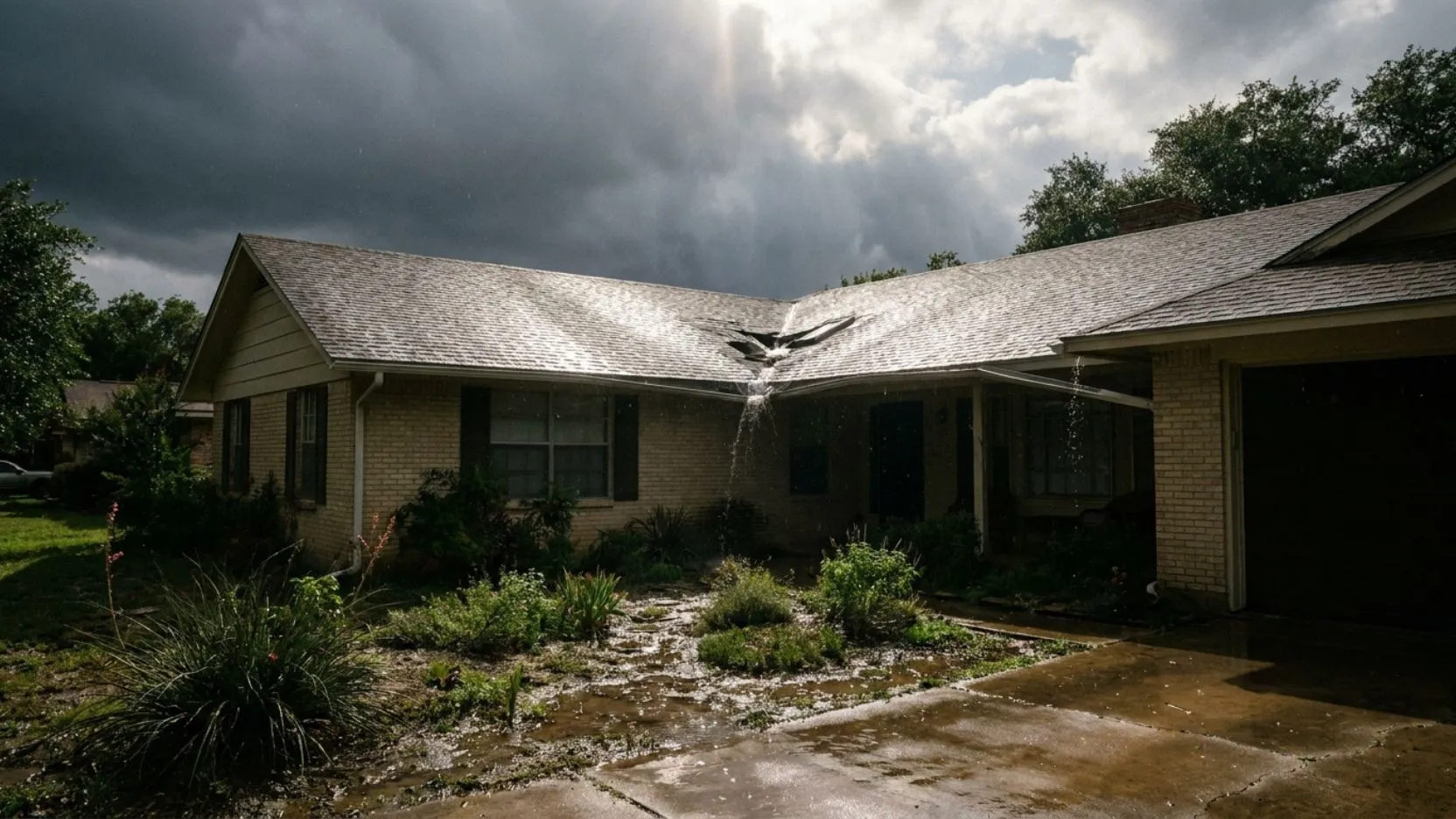
Your roof held up through a week of dry Texas heat without a single drip. Then a rainstorm rolls through San Antonio and water appears on your ceiling. It feels sudden, but in almost every case, the storm did not create a new problem. It found one that was already there.
Heavy rain exposes weaknesses in roofing systems that stay hidden during dry weather. A hairline crack in flashing, a slightly lifted shingle edge, a deteriorating rubber pipe boot, or debris packed into a roof valley can all hold back light moisture but collapse under the pressure of a significant downpour. Water that enters at one point on the roof surface travels along rafters, insulation, and roof decking before dropping onto your ceiling, often far from where the breach actually occurred.
This guide covers the eight most common causes of roof leaks after rain, how to spot each one early, what happens if you leave them unaddressed, and what steps San Antonio homeowners should take the moment a leak appears inside the home.
40%
of all building damage in the US is linked to water intrusion, including roof leaks
24h
is how quickly mold can begin growing on wet attic insulation after a roof leak
3x
more expensive to fix structural rot than to repair the roof leak that caused it
Warning Signs Your Roof Is Leaking After Rain
A roof leak is an unintended entry of water into a home through a breach in the roofing assembly, including shingles, flashing, decking, or penetration seals. The point where water appears inside the home is almost never the same as the actual entry point on the roof surface.
Catching a roof leak early can mean the difference between a $300 repair and a $10,000 remediation project. These are the most common interior and exterior warning signs to watch for during and after a rain event in San Antonio.
Interior signs of a roof leak after rain include brown or yellow water stains on the ceiling, bubbling or peeling paint near a ceiling or wall junction, dark wet spots or streaks running down interior walls, a musty or damp smell in rooms or in the attic, and visible dripping or pooling water in the attic space. Exterior signs include granules from asphalt shingles collecting in gutters or downspouts, visible patches of missing or curled shingles when viewed from the ground, dark staining along the roofline, and lifted or separated flashing at chimneys, vents, or roof-to-wall connections.
Because water travels along framing members and rafters before dripping, the stain you see on your living room ceiling might reflect a leak point several feet away and several feet higher up on the roof. A professional inspection is the most reliable way to trace a leak back to its true source.
Cause 1: Failed or Damaged Roof Flashing
Most Common
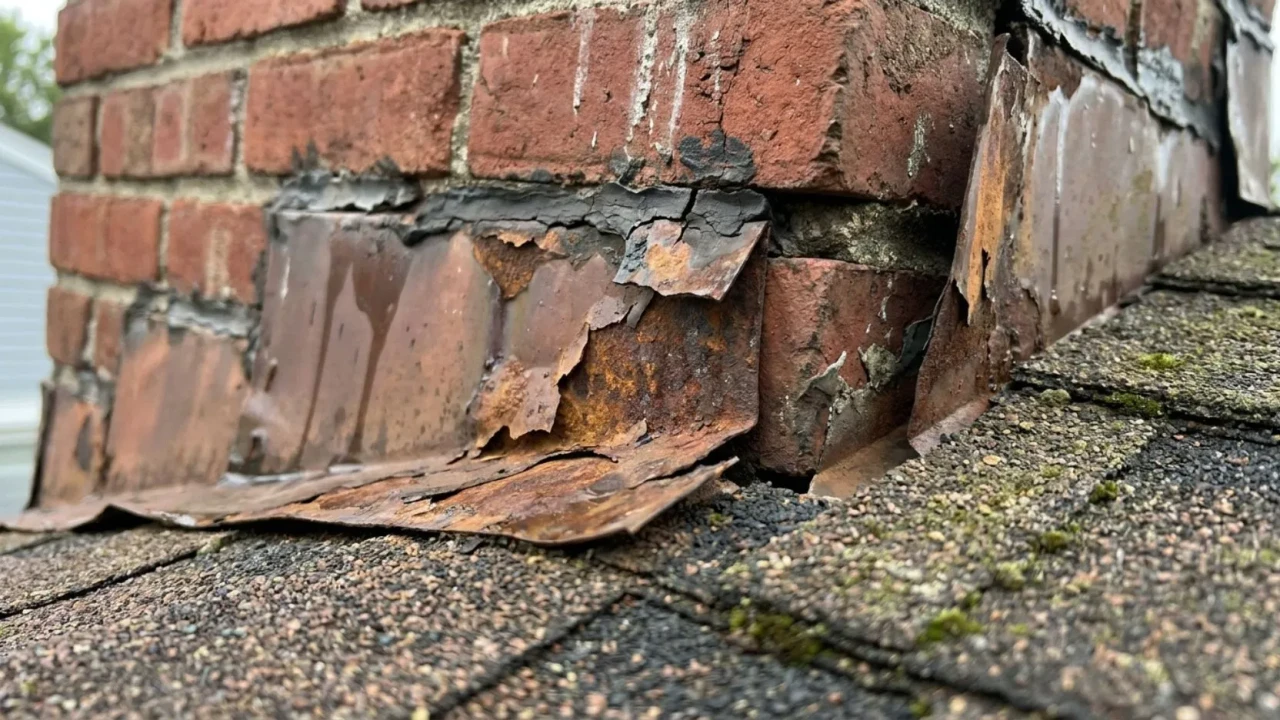
What is roof flashing, and why does it fail?
Roof flashing is the thin metal or membrane material installed at joints where the roof surface meets a vertical structure, such as a chimney, a wall, a dormer, a skylight frame, or a vent pipe. Its job is to create a continuous waterproof seal at those transitions, which are structurally the most vulnerable points on any roof.
Roofing professionals who work in San Antonio consistently identify flashing failure as the leading cause of active roof leaks after rain. The reason is mechanical: flashing is subjected to constant thermal expansion and contraction as Texas temperatures swing between summer highs and winter cold snaps. Over time, those repeated stress cycles cause the metal to crack, lift away from the surface it protects, or allow the sealant underneath it to dry out and shrink.
Chimney flashing is especially prone to failure on older homes. The stepped flashing that runs up the sides of a chimney and the counter-flashing that overlaps it can separate at the mortar joints as mortar cracks with age. When these joints open up under the pressure of heavy rain, water pours directly into the wall cavity below.
Signs of flashing failure include rust stains running down from roof joints, visible gaps between the flashing and the surface it seals, and water stains inside the home directly beneath chimneys, vents, or wall junctions. Flashing repairs often involve removing sections of the surrounding shingles, resetting the metal, and applying fresh sealant or roof cement. Severely corroded or lifted flashing sections typically require full replacement.
Cause 2: Damaged, Missing, or Curled Shingles
Cause 2
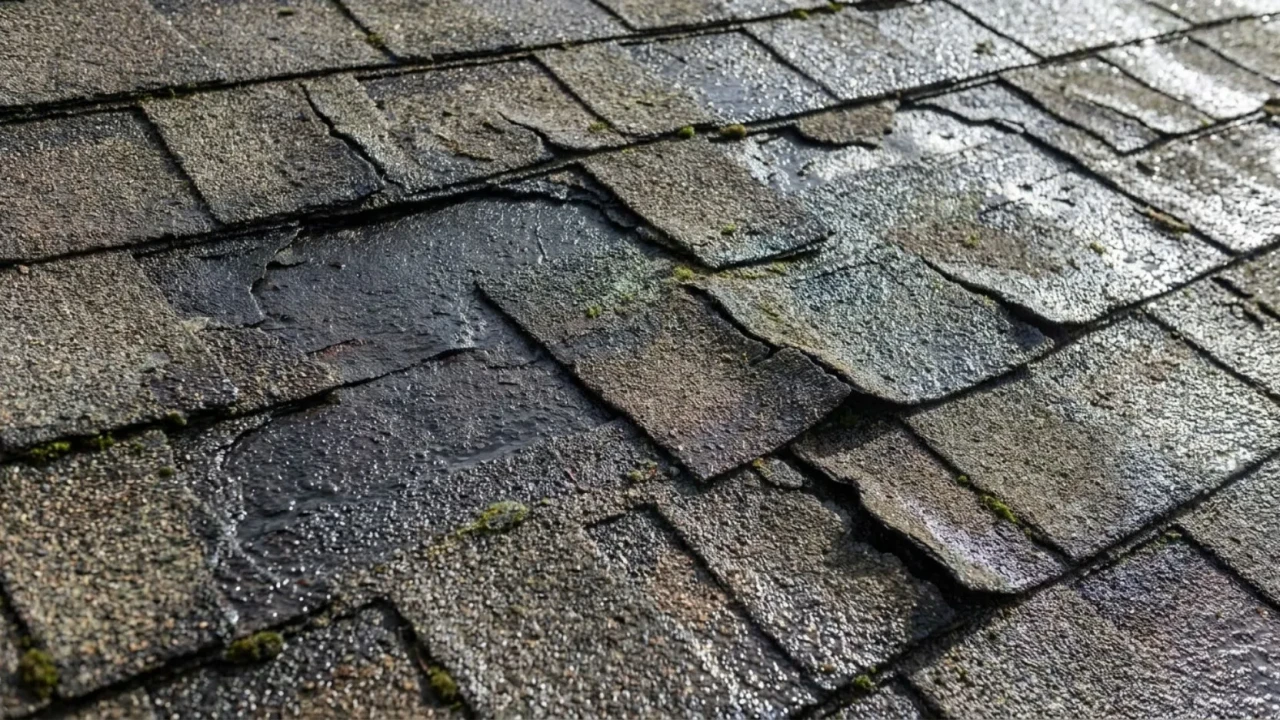
How shingle damage lets rain into your home
Asphalt shingles are the outer armor of your roof. Each shingle is coated with mineral granules that deflect UV radiation and physically shed water down the slope toward the gutters. When shingles crack, curl at the edges, or blow off entirely, that armor develops a gap, and rainwater has a direct path to the vulnerable underlayment and decking beneath.
San Antonio's hailstorms, which occur primarily in the spring and fall months, are a major driver of shingle damage. Hail can bruise shingles in ways that are not immediately visible from the ground but dislodge the granule layer, leaving the asphalt substrate exposed to sun and moisture. A shingle without its granule coat deteriorates significantly faster than an intact one.
High winds are another frequent cause of shingle loss in the San Antonio area. Wind typically attacks the shingles at the eaves and ridge first, peeling them back or breaking the seal strips that hold adjacent rows together. A single missing shingle can allow gallons of water into the roof deck during a moderate rain event, according to HomeAdvisor's roofing cost and repair guides.
Warning signs include granules accumulating in gutters or piled around downspout bases, visible bare or dark patches on the roof when viewed from the ground, and shingle edges that have lifted or curled upward at the corners. Any shingle that is cracked, blistered, cupped, or absent should be replaced before the next heavy rain.
Cause 3: Clogged or Overflowing Gutters
Cause 3
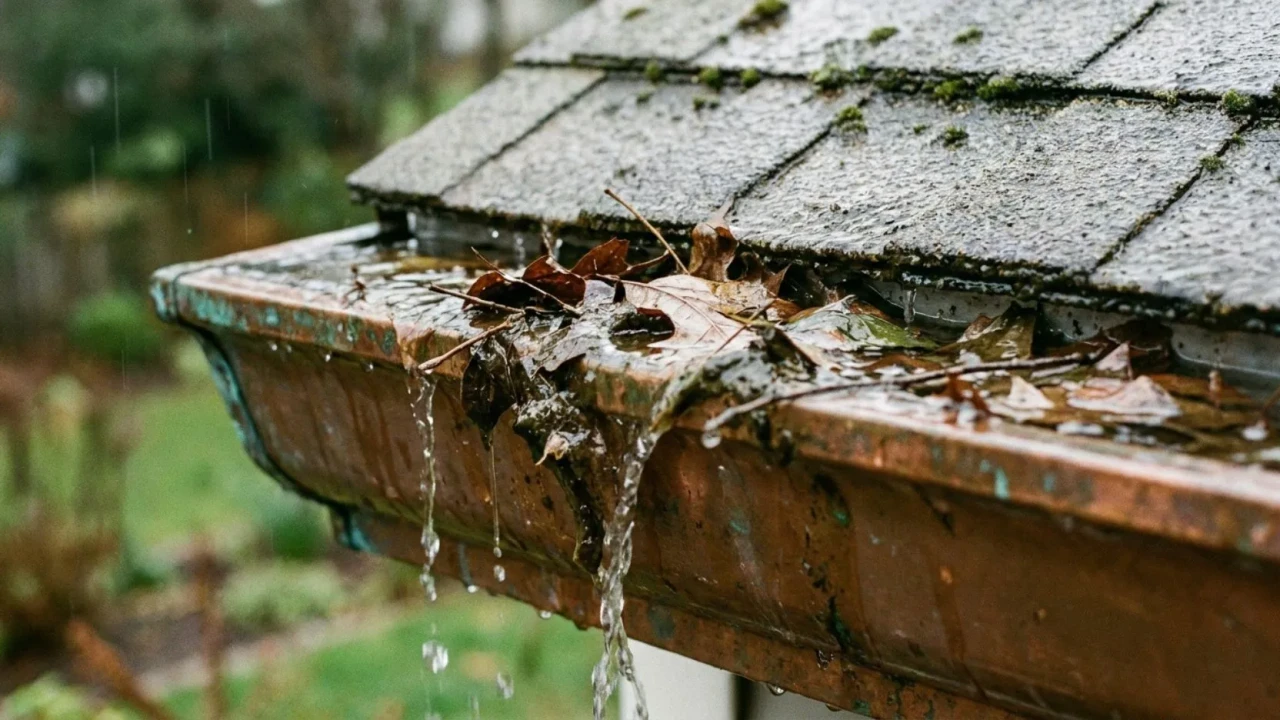
Why clogged gutters cause roof leaks, not just drainage problems
Gutters function as controlled water channels that collect rainfall from the entire roof surface and route it safely away from the foundation. When gutters fill with leaves, seed pods, shingle granules, and other debris, water has nowhere to go during a heavy rain. Instead of flowing toward the downspout, it pools behind the obstruction and eventually spills over the gutter's inner edge, backing up under the lowest course of shingles at the eaves.
This overflow is especially destructive because it targets the wood fascia boards, the soffit, and the very bottom edge of the roof deck, areas that are structurally important but rarely inspected. Homeowners who discover rotted fascia boards almost always trace the cause back to years of clogged gutter overflow rather than storm damage.
Gutter issues also appear on platforms like Reddit's r/HomeImprovement community as among the most commonly overlooked causes of recurring roof leaks that persist even after shingles are repaired. The fix is simple: clean gutters at least twice per year, in spring after tree pollen season and in fall after leaves have dropped. Adding gutter guards can reduce cleaning frequency significantly on homes that sit near large trees.
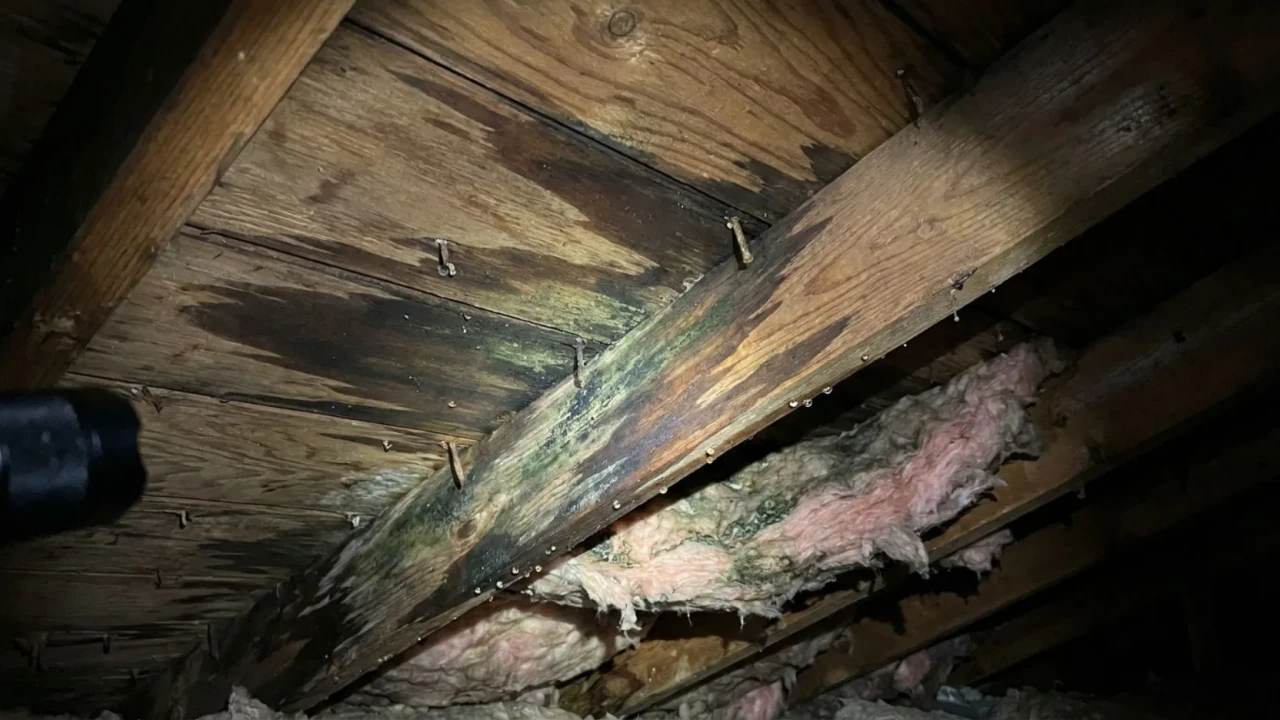 Water stains and discoloration on attic rafters are a reliable indicator that a roof leak has been active for some time, even before ceiling stains appear below.
Cause 4: Cracked or Deteriorated Pipe Boots
Cause 4
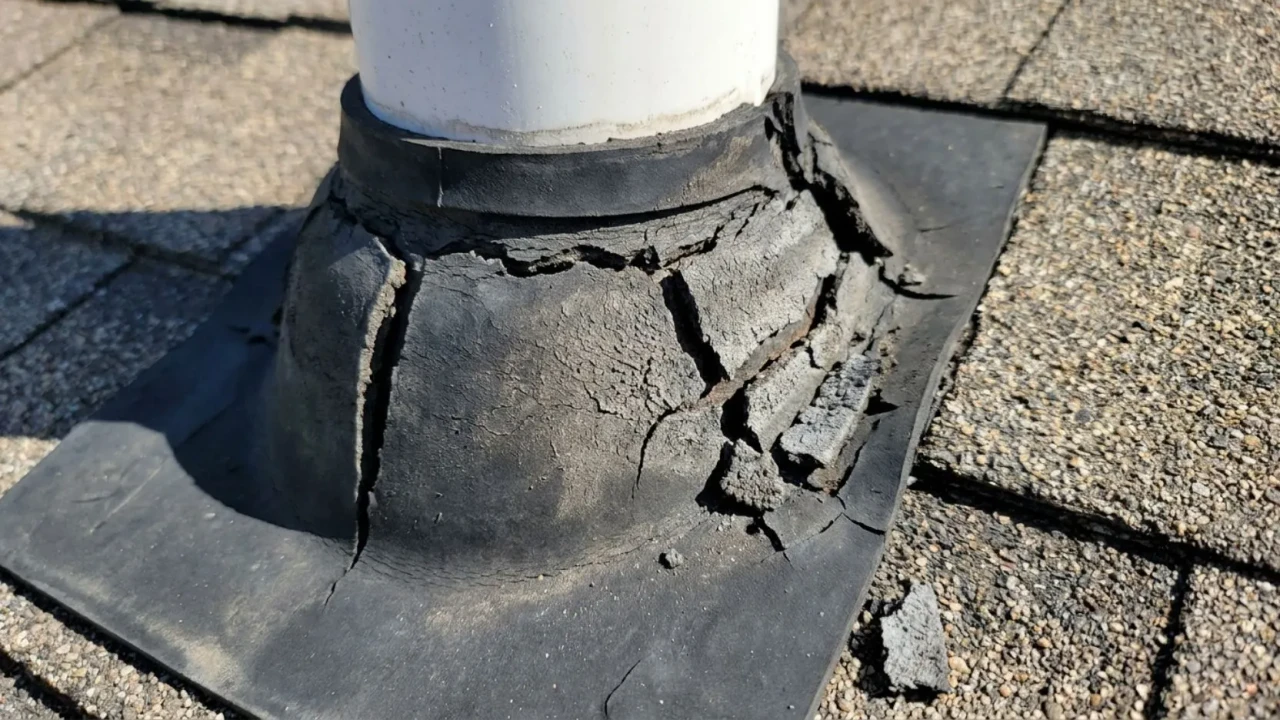
The small seal that causes big leaks
A pipe boot, sometimes called a vent boot or rubber boot, is the rubber or neoprene collar that seals the gap between a plumbing vent pipe and the surrounding roof surface. Every home has several of them, typically installed wherever a drain vent, bathroom exhaust, or kitchen vent exits through the roof.
Rubber pipe boots have a lifespan of 10 to 15 years. The intense ultraviolet exposure that San Antonio roofs endure through long, hot summers accelerates rubber degradation considerably. As the rubber dries out, it pulls away from the pipe, creating a gap that is invisible from the ground but wide enough to allow a steady drip of water into the attic every time it rains.
Pipe boot leaks are particularly frustrating for homeowners because the water entry point is small, the drip is slow, and the inside of the attic can absorb and re-evaporate minor moisture for months before ceiling stains appear. By the time the leak becomes visible inside the house, the insulation beneath the boot is often already saturated.
Replacing a failed pipe boot is one of the most affordable roofing repairs available. A licensed roofer can typically install a new lead, aluminum, or high-quality rubber boot in under an hour. If your home's boots are 12 years or older, proactive replacement before the next rain season is a smart investment.
Cause 5: Compromised Roof Valleys
Cause 5
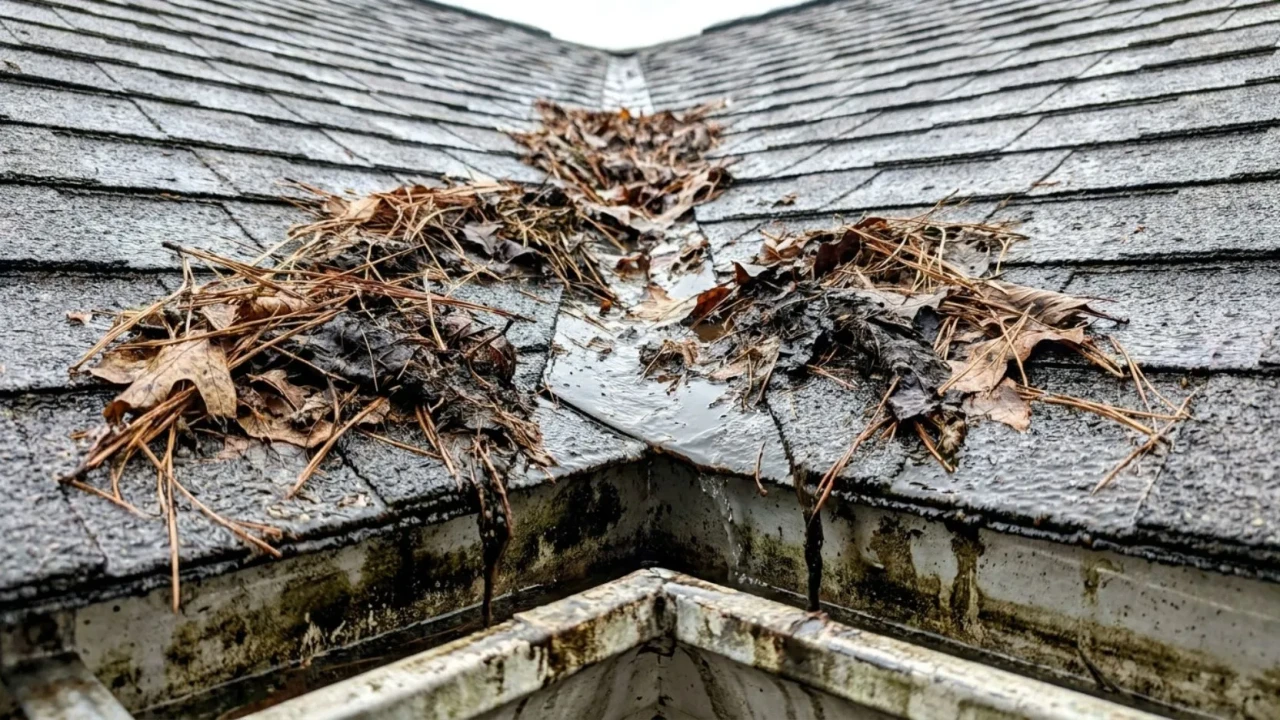
Why roof valleys carry an outsized leak risk
A roof valley is the channel formed where two sloping roof planes meet at a downward angle. Valleys concentrate all of the water flowing from both adjacent roof sections into a single channel, making them one of the highest-volume water zones on any roof. During a heavy San Antonio rainstorm, that volume can be substantial.
Valleys are protected by valley flashing, a strip of metal installed beneath the shingles along the channel, and in many modern installations by an additional waterproof membrane underlayment. When either the flashing or the membrane fails, deteriorating from age, corrosion, or improper initial installation, water can work its way laterally beneath the surrounding shingles.
Debris accumulation in valleys accelerates this failure. Leaves, pine needles, twigs, and other organic material collect in the valley channel and retain moisture against the metal for extended periods. That sustained moisture contact corrodes galvanized steel flashing significantly faster than exposed surfaces that dry out between rain events.
Valley leaks often show up as water stains running from a corner or hip of the roof's interior ceiling rather than from directly beneath a penetration point. Keeping valleys cleared of debris and scheduling a professional inspection of the valley flashing every few years can prevent this type of leak from developing.
Cause 6: Damaged or Improperly Installed Skylights
Cause 6
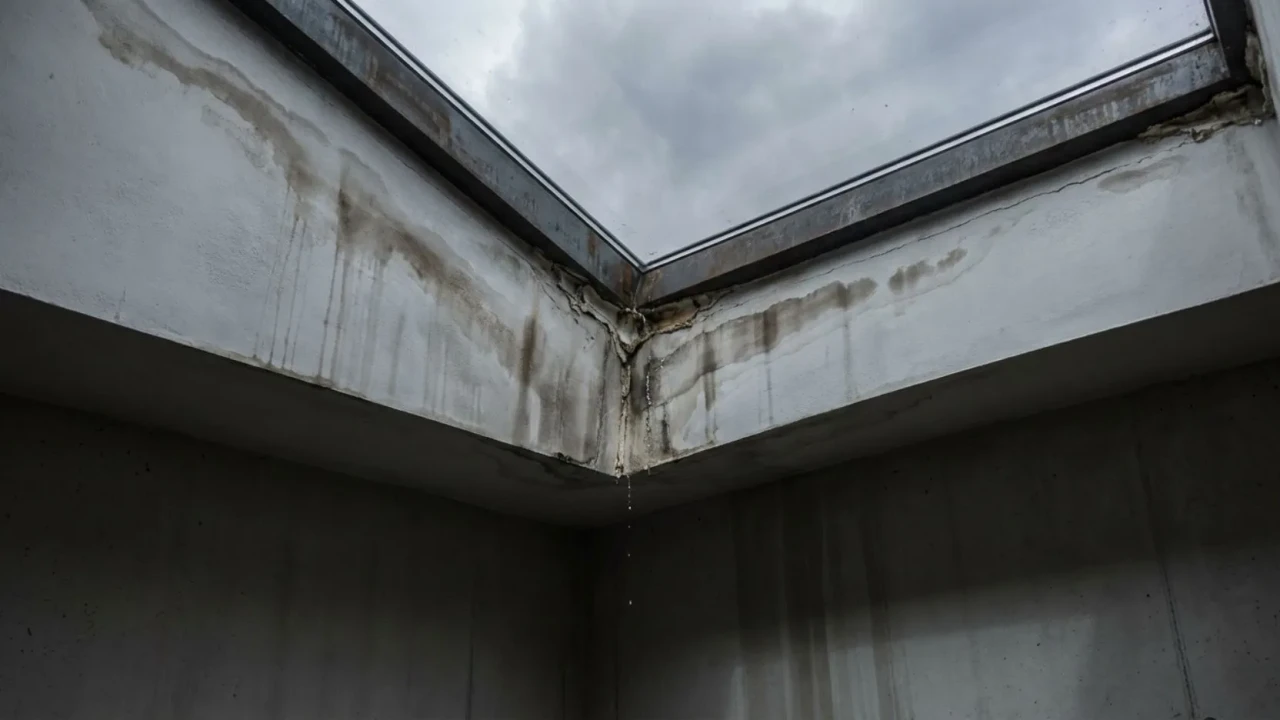
Skylights and the hidden risks at their perimeter
Skylights add natural light to interior spaces, but they also introduce a roof penetration that requires both precision installation and ongoing maintenance to remain watertight. A skylight that was installed incorrectly, even by as little as a fraction of an inch off-level, can create a channel that directs water toward the frame rather than away from it.
The most common skylight leak source is not the glass panel itself but the flashing system surrounding the frame. Like chimney flashing, skylight flashing experiences thermal stress cycles that gradually separate the sealant from both the glass edge and the adjacent shingles. Older skylights, particularly those installed more than 15 years ago, frequently have weatherstripping that has compressed and cracked, allowing water to seep under the frame during rainfall.
Homeowners often notice skylight leaks appearing as dripping water directly below the fixture or as staining on the walls beside the light well below. These leaks can be deceptive because condensation sometimes produces similar staining, particularly in bathrooms or kitchens. A professional inspection distinguishes between the two by testing under active water flow or inspecting the flashing condition from the roof surface.
San Antonio tip: If your home was built before 2010 and still has its original skylights, the sealants around those frames are likely past their serviceable life. A roofing inspection before monsoon season starts in June is money well spent.
Cause 7: Chimney Damage and Deteriorating Mortar
A chimney is one of the most complex penetrations on any residential roof, and it introduces multiple potential leak points simultaneously. The mortar joints between chimney bricks absorb water, expand slightly when saturated, and contract as they dry. This cycle, repeated hundreds of times over the life of a home, gradually fractures the mortar. Once mortar joints crack open, water flows through them directly into the wall framing during rain events.
Beyond mortar, the chimney crown, the concrete or mortar cap that seals the top of the chimney structure, is a common entry point. A cracked chimney crown lets water pour directly into the flue during heavy downpours. The counter-flashing and step flashing system at the base of the chimney is the third point of vulnerability, as described in the flashing section above.
Questions about chimney-related leaks appear frequently in homeowner forums and on platforms like Quora's home improvement community, where experienced contractors consistently point to the chimney as the first area to inspect when a leak appears on a ceiling that runs toward an exterior wall. Chimney repairs typically involve repointing the mortar joints, replacing a damaged crown, and resetting or replacing the surrounding flashing system.
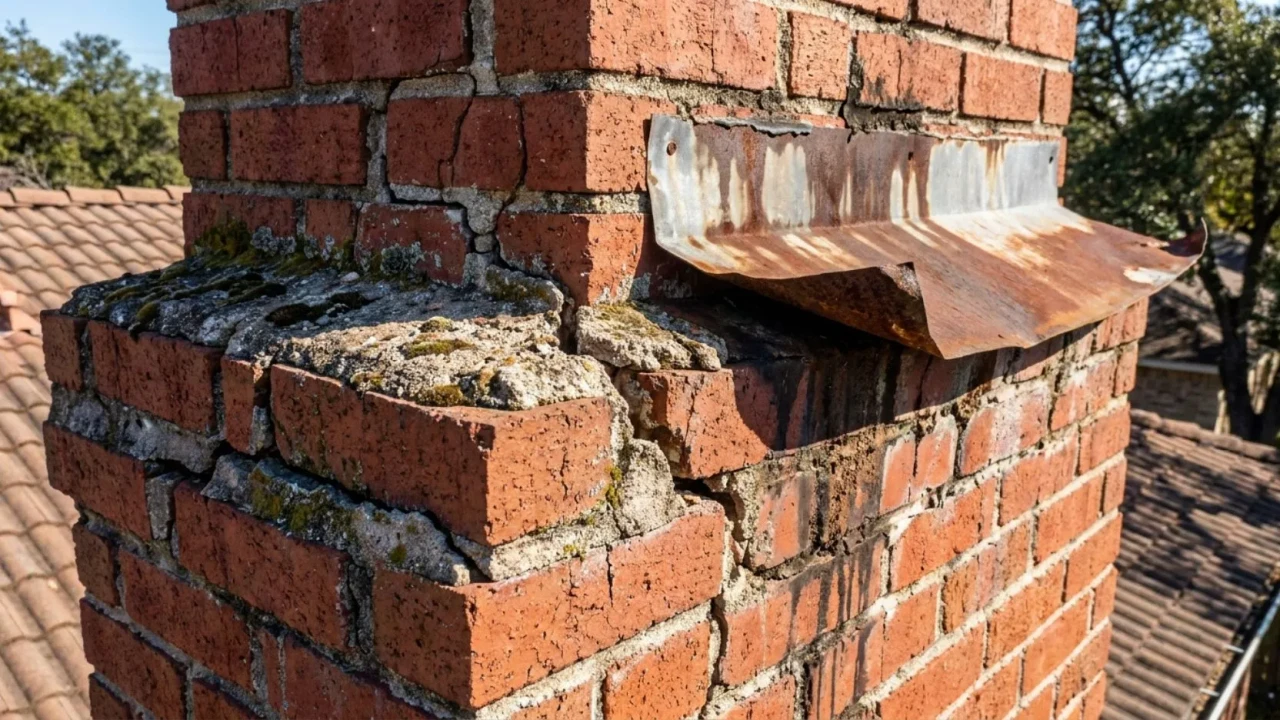 Cracked mortar and separated counter-flashing on a chimney are two of the most common roof leak sources on homes over 15 years old. Both repairs require professional tuckpointing and metal work.
Cause 8: Aging Roof Materials and General Wear
Every roofing system has a finite lifespan. Standard three-tab asphalt shingles last approximately 20 to 25 years under normal conditions. Architectural shingles perform for 25 to 30 years. Once a roof approaches the end of its manufacturer-rated life, the protective granule layer has largely worn away, the asphalt substrate is brittle and porous, sealants throughout the system have dried out, and the cumulative effect of thousands of thermal cycles has fatigued every joint in the roofing assembly.
An aging roof does not simply develop one leak point. It develops dozens of small vulnerabilities simultaneously, and heavy rain events reveal all of them at once. A roofer may seal one area successfully and find three new drips appearing elsewhere after the next storm. At a certain point, targeted repairs become more expensive cumulatively than a full replacement, because the underlying material is too degraded to hold new sealants or flashing effectively.
If your roof is older than 20 years, has had repeated leaks in different locations over the past three to five years, or shows widespread granule loss and visible weathering across large sections of the surface, a replacement assessment from a licensed San Antonio roofing contractor is the most cost-effective next step. Many homeowner insurance policies also factor roof age into coverage decisions for storm damage claims.
Roof Leaks and San Antonio's Climate
San Antonio homeowners face a specific combination of weather stresses that accelerates roofing material wear faster than the national average. The city experiences intense ultraviolet radiation from long, hot summers with temperatures exceeding 100 degrees Fahrenheit for extended stretches, followed by rapid temperature swings in late fall and winter. That thermal cycling is particularly hard on flashing sealants and rubber pipe boots.
San Antonio also sits in a hail corridor that regularly produces damaging hailstorms, particularly between March and June. Hail impacts that look minor from the ground, small pockmarks on the shingle surface, can strip enough granules to shorten a shingle's remaining lifespan by years. Homeowners who do not have their roofs inspected after a hailstorm often discover months later that rain leaks are developing across the entire hail-impact zone simultaneously.
Heavy spring and fall rainfall events are a third factor. San Antonio can receive several inches of rain in a single storm during these seasons, and that sudden high water volume tests every weak point in the roofing assembly at the same time. The combination of hail damage from spring storms followed by heavy fall rain is the most common sequence that produces widespread leak problems for San Antonio homes.
What to Do the Moment You Spot a Roof Leak After Rain
Discovering a roof leak during or immediately after a rain event calls for fast, methodical action. The following steps can significantly limit the water damage to your home's interior while you arrange for a professional inspection and repair.
- Place a bucket or container under any active drip to protect flooring and subfloor from saturation.
- Move furniture, electronics, and other valuables away from the affected area immediately.
- If the ceiling is bulging or sagging from pooled water, carefully perforate the lowest point to release the water in a controlled stream rather than allowing a catastrophic collapse.
- Take photos and video of every affected area inside the home before wiping up water. These document the scope of damage for insurance purposes.
- If it is safe to do so, inspect the attic with a flashlight to trace where the water is entering and to assess whether insulation has been saturated.
- Apply a temporary waterproof patch using self-adhesive roofing membrane or roofing tape over the visible entry point on the exterior if weather conditions and roof accessibility allow, and only if you can do so safely.
- Contact a licensed San Antonio roofing contractor for a professional inspection as soon as possible after the rain event ends.
Do not delay scheduling an inspection once the rain stops. Wet insulation that is not replaced retains moisture and becomes a mold source. Saturated roof decking that is left in place can develop wood rot within weeks. The cost of addressing secondary damage from a neglected roof leak almost always exceeds the cost of the original repair by a significant margin.
Why does my roof only leak when it rains hard?
Roofs often stay dry during light showers because small vulnerabilities cannot handle the increased water volume or wind pressure that comes with heavy rain. A hairline crack in flashing, a slightly lifted shingle edge, or a pipe boot that is starting to fail can hold up under a light drizzle but give way during a downpour. Heavy rain tests every weak point on the roof simultaneously, and the pressure it exerts pushes water into gaps that ordinarily trap only air. The volume of water flowing across the roof surface during a heavy storm also overwhelms minor drainage deficiencies in gutters and valleys that would go unnoticed in lighter conditions.
How much does it cost to fix a roof leak after rain in San Antonio?
Minor roof leak repairs in San Antonio typically range from $150 to $600 for straightforward fixes like replacing a cracked pipe boot, resealing a flashing joint, or replacing a few damaged shingles. More involved repairs, such as replacing a full section of valley flashing or resetting chimney counter-flashing, can run from $500 to $1,500 or more depending on roof access and the extent of secondary damage. Repairs that require addressing wet or rotted roof decking underneath damaged shingles will cost more because the deck boards must be replaced before new shingles can be installed. A licensed roofing contractor will provide a line-item estimate after inspecting the actual damage, so you know exactly what you are paying for before any work begins.
Can a roof leak cause mold in my home?
Yes. Mold can begin growing on wet insulation, roof decking, or ceiling drywall within 24 to 48 hours of sustained moisture exposure. The warm, humid attic environment that San Antonio homes create for most of the year accelerates mold growth considerably. A single roof leak after a heavy rain event can introduce enough moisture to start a mold colony in the attic that grows invisibly for weeks or months before it reaches a visible or odor-producing stage. Mold remediation in an attic, which typically involves removing and replacing contaminated insulation and treating structural wood surfaces, is significantly more expensive than a roof repair. Fast action after spotting a leak, including removing wet insulation and drying the space thoroughly, is the most effective way to prevent mold from establishing itself.
How do I know if my flashing is causing my roof to leak?
Flashing leaks typically show up as water stains or drips inside the home near chimneys, along walls where a roofline meets a vertical surface, or directly below skylights and vent pipes. The stains are often brown or orange-tinged, indicating that the water traveled through rust-stained metal before reaching the ceiling. From the exterior, look for flashing that appears lifted, bent, separated from the surface it seals, or covered in rust. A gap visible between flashing and the adjacent shingles or mortar is a direct entry point for rain. Because flashing sits at structural transitions in the roof, it is almost always the first area a professional roofer inspects when a leak source cannot be identified from the shingles alone.
Should I repair or replace my roof if it keeps leaking after rain?
If the roof is less than 10 to 15 years old and the leaks are limited to a few specific, identifiable failure points such as a pipe boot or a section of flashing, targeted repairs are usually the smarter investment. If the roof is 20 years or older, has widespread granule loss across large sections, shows multiple active leak points after each rain, or has evidence of structural deck damage in more than one area, full replacement is typically more cost-effective than continued patching. An aging roof that receives repeated repairs without replacement can create a situation where you spend more on repairs over the next three years than a full replacement would have cost. A licensed San Antonio roofing contractor can perform a thorough inspection and help you weigh the repair versus replacement decision based on the documented condition of your specific roof.

Ted
Senior Roofing Specialist
Ted is a Senior Roofing Specialist at RRSATX: San Antonio Roofing Company with more than a decade of hands-on experience diagnosing and repairing residential roofing systems across Bexar County. His field work spans shingle replacement, flashing repair, storm damage assessment, and full roof replacement projects for San Antonio homeowners. Ted writes to help local residents identify problems early, understand their repair options, and make confident decisions about their homes.
Spotted a Roof Leak After Rain? Get a Free Inspection Today.
Our licensed San Antonio roofing team will identify the source of your leak, assess any secondary damage, and provide a clear, no-obligation estimate before any work begins.
Schedule Free Inspection
Or call us directly at (210) 555-0192