Planning roof work is more than picking a weekend to call a contractor. Weather, material longevity, and even cost can make or break your roofing project. For homeowners, timing is everything. A poorly timed roof repair or replacement can lead to delays, extra costs, or even damage to your home.
Why Timing Matters for Roof Work
Roof work is highly weather-dependent. Extreme heat can make shingles soft and hard to install correctly, while freezing temperatures can make them brittle and prone to cracking. Rain or snow increases the risk of leaks and makes working conditions unsafe. As one homeowner said, “I tried to fix my roof in January, and the shingles cracked instantly.” That’s why most experts recommend avoiding the coldest and wettest months. According to HomeAdvisor, timing can impact both safety and the lifespan of your roof.
Spring Roofing – A Popular Choice
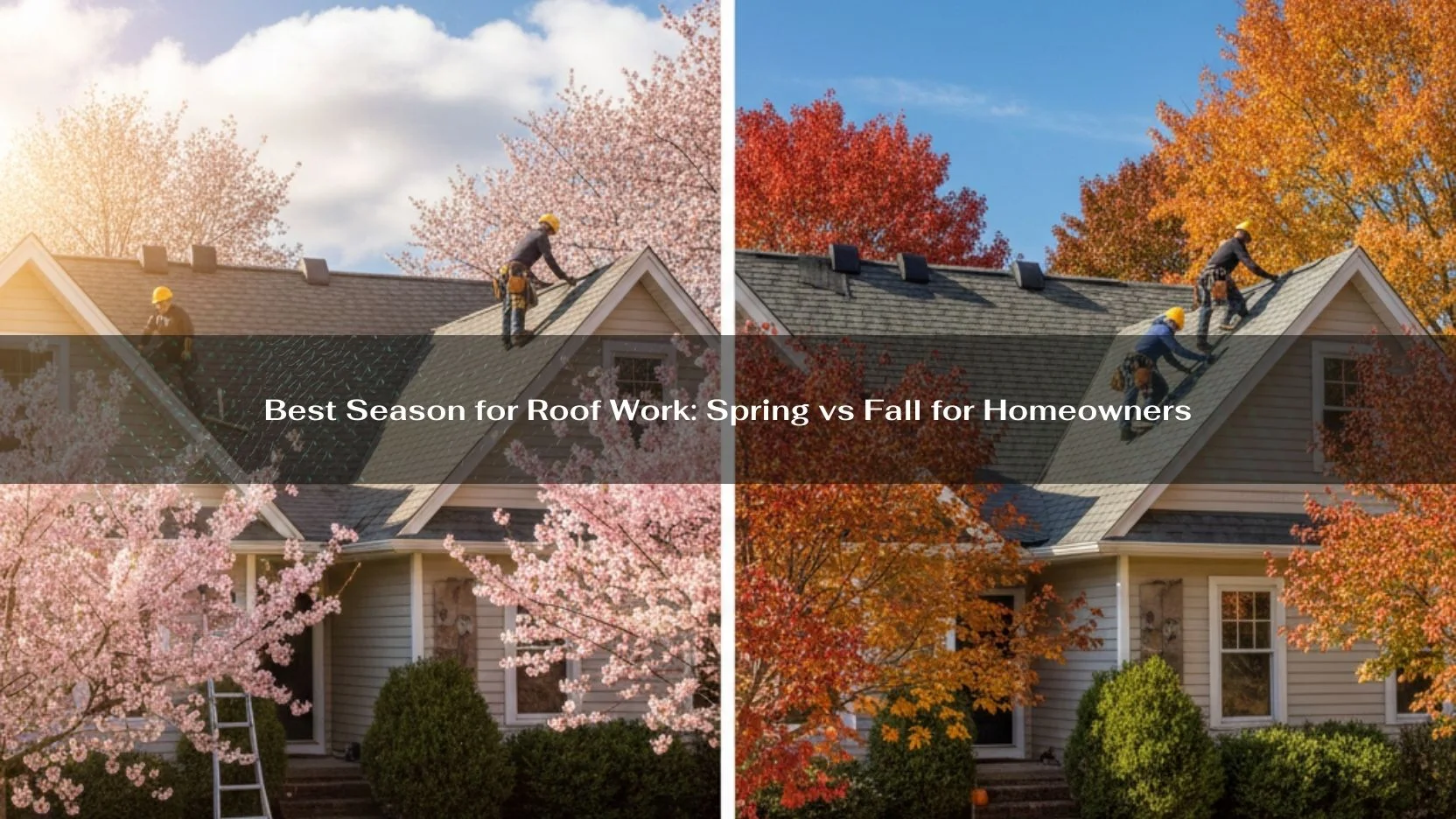
Spring is often the most recommended season for roof projects. Temperatures are moderate, which helps asphalt shingles, metal roofing, and other materials settle correctly. Rainfall tends to be lower than winter, which minimizes delays. Contractors also have better availability than in the busy summer months. Homeowners often report smoother projects in spring. As Angi notes, spring offers the right balance of weather and contractor access, making it a prime time to schedule roof work.
Fall Roofing – Another Ideal Season
Fall is another excellent season for roof work. Cooler temperatures help installers work efficiently and ensure materials perform optimally. Storms are typically less frequent than in spring, and costs can be more predictable than summer peak periods. A homeowner shared on Reddit that scheduling a roof replacement in October saved them money and avoided the summer rush. Fall projects often strike the right balance of convenience, safety, and budget.
Summer and Winter Considerations
While summer is popular for home improvements, roof work in high heat can be risky. Shingles may become too soft, increasing the chances of damage during installation. Labor costs also tend to be higher in peak summer. Winter brings its own challenges. Cold weather can make shingles brittle, ice makes surfaces dangerous, and snow can halt work entirely. One homeowner explained, “We had to postpone our roof until spring because the ice made it unsafe.” For guidance on winter and summer roofing experiences, see Quora.
Other Factors Homeowners Should Consider
Besides seasons, consider contractor availability. Booking early in spring or fall increases your chances of getting a preferred schedule. Material type also matters. Some roofing materials, such as asphalt shingles, metal, and synthetic materials, have manufacturer guidelines on optimal installation temperatures (Wikipedia). Budget is another factor; peak season can raise labor costs, while off-season discounts may come with weather risks.
Conclusion
The best seasons for roof work are generally spring and fall. Both offer moderate weather, safer conditions, and better contractor availability. By planning ahead and understanding material needs, homeowners can save money, avoid delays, and ensure their roofs last longer. Timing your roof project right makes all the difference.