Most homeowners want a comfortable home without paying high utility bills each month. One question comes up a lot: Can a new roof really help lower energy costs? The short answer is yes and the reasons are simpler than many people think.
A roof does more than keep out rain. It affects how heat enters and leaves your home. When your roof ages or breaks down, your heating and cooling system must work harder. That means higher energy bills. Today’s roofing materials and systems are built to prevent that. Below, we break down how a new roof can make your home more energy-efficient.
How an Old Roof Raises Energy Bills
“People don’t realize how much their roof affects their AC until the bills jump.” This is something many homeowners say when they discover their old roof is the cause of rising energy costs.
Over time, shingles crack, fade, and lose their protective coating. When this happens, heat enters your home more easily. Poor attic airflow also traps hot air under your roof, forcing your AC to run longer.
According to energy-saving insights from Angi , worn roofs often allow heat transfer that increases cooling costs throughout warm seasons.
How a New Roof Improves Energy Efficiency
“A new roof isn’t just about looks it’s about comfort inside your home.” Modern roofing materials offer better protection and better energy control.
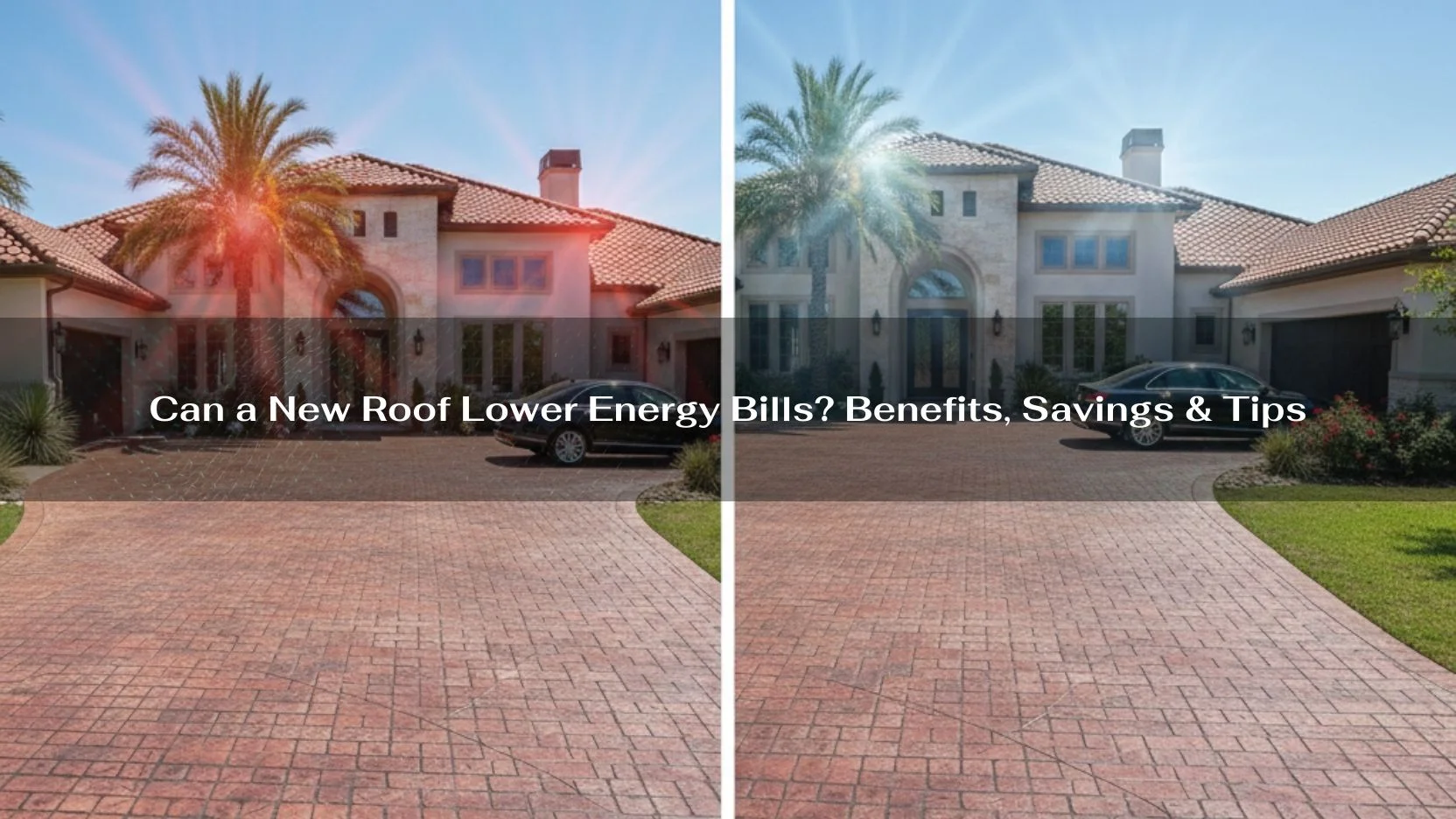
Many new shingles come with reflective properties designed to reduce heat absorption. Some roofs even use cool-roof technology to keep attic temperatures lower.
Research from HomeAdvisor Pros shows that homeowners may cut cooling costs by 10%–25% with energy-efficient roofing materials.
Why Ventilation and Insulation Matter
A roof is only one part of your home’s energy system. Ventilation and insulation also decide how much heat your home holds onto.
“Good ventilation lets your roof breathe, and that keeps temps steady.” When your attic moves air the right way, heat doesn’t stay trapped. That means your HVAC system doesn’t need to work as hard.
Homeowners on Reddit’s HomeImprovement community often report that improving attic ventilation can make their home feel cooler even before replacing the roof.
How to Know If You Need a New Roof to Save Energy
Here are signs your roof may be hurting your energy bills:
- Your attic feels extremely hot in warm months.
- You notice higher-than-normal electric bills.
- Shingles look cracked, faded, or curled.
- You feel temperature swings from room to room.
- Your roof is 15–20+ years old.
Many roofing contractors on Yelp reviews mention that homeowners often wait too long, not realizing the roof is the reason their home isn’t as efficient as it should be.
Conclusion: Can a New Roof Lower Energy Bills?
Yes a new roof can lower your energy bills when it includes the right materials, proper installation, and good ventilation. By reducing heat gain, easing strain on your HVAC system, and improving attic airflow, a new roof helps create a more comfortable and efficient home.
If you’re looking to cut energy costs and improve comfort, it may be time to evaluate your current roof and explore newer, energy-saving options.