If you own or manage a commercial property in San Antonio, your roof isn’t just a structural feature it’s a critical business asset. From brutal summer heat to sudden hailstorms and seasonal downpours, South Texas weather puts commercial roofs under constant stress.
The challenge? Most roofing failures don’t announce themselves loudly. They show up as subtle performance issues long before visible damage appears. And by the time leaks disrupt operations or safety becomes a concern, repair costs and liability rise fast.
This guide breaks down seven clear, expert-backed signs that it’s time to consider commercial roofing in San Antonio TX, whether that means inspection, repair, maintenance, or full replacement. It’s written for property owners, facility managers, and decision-makers who want to stay ahead of problems not react to emergencies.
1. Persistent Roof Leaks or Interior Water Damage
A single leak might be manageable. Recurring leaks are not.
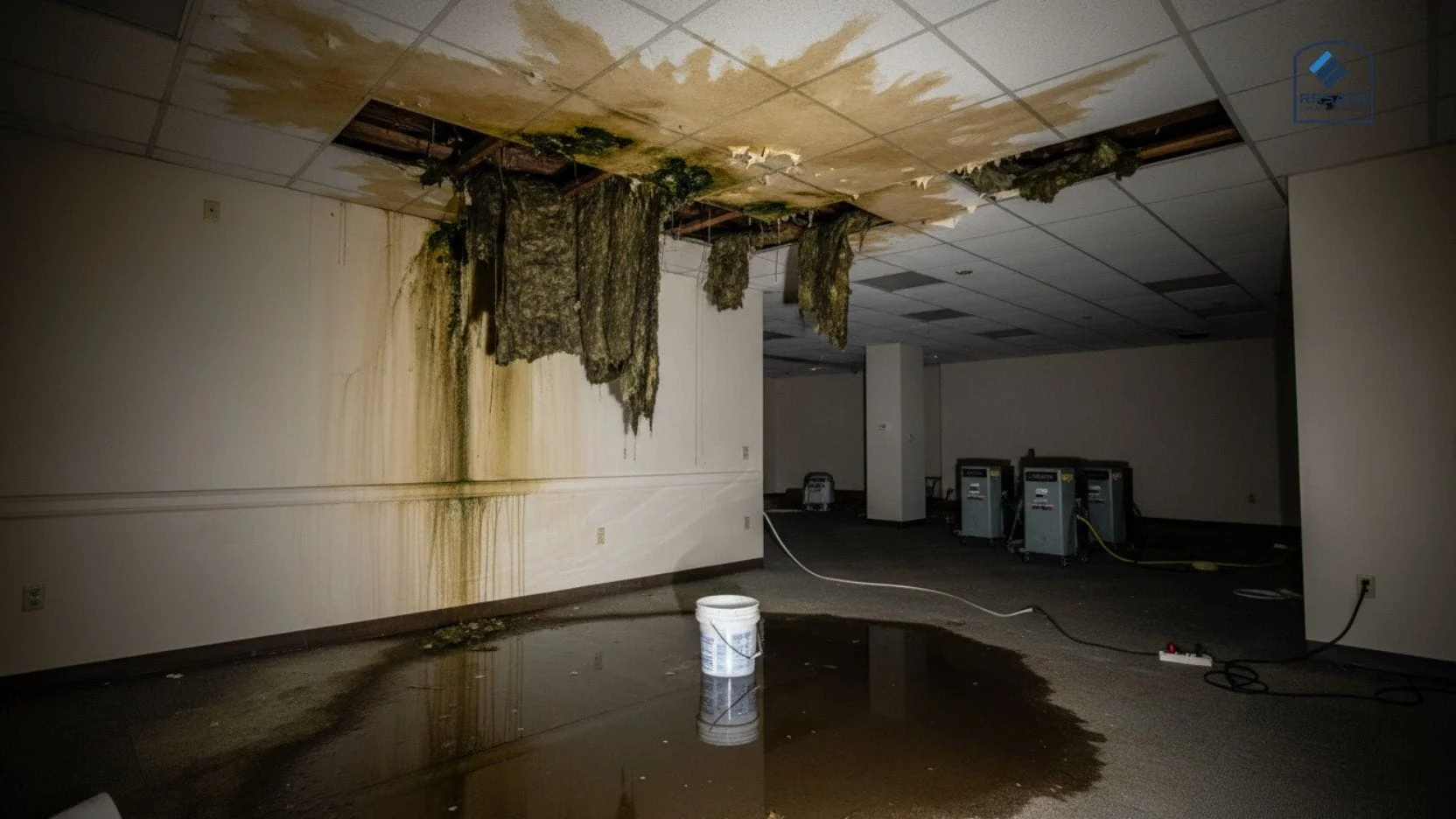
In commercial buildings, water intrusion often travels far from the original entry point. By the time stains appear on ceilings or walls, moisture may already be compromising insulation, decking, electrical systems, or even structural components.
Common warning signs include:
- Ceiling stains or bubbling paint
- Damp insulation or mold odors
- Water intrusion after moderate (not extreme) rainfall
At this stage, San Antonio commercial roof repair may no longer be enough. A professional commercial roof inspection in San Antonio can determine whether targeted repairs are viable or if replacement is the safer long-term option.
2. Standing Water on Flat or Low-Slope Roofs
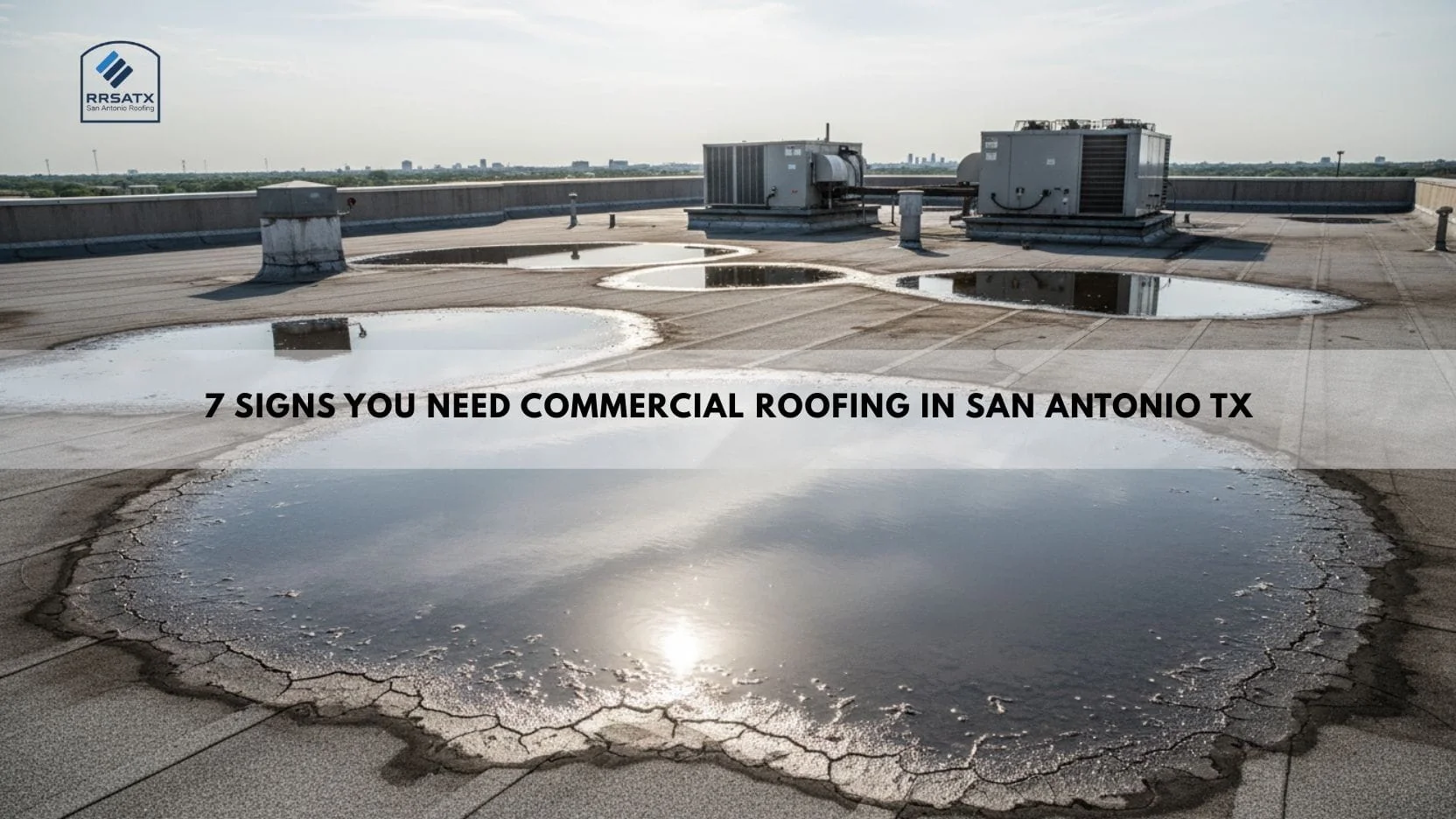
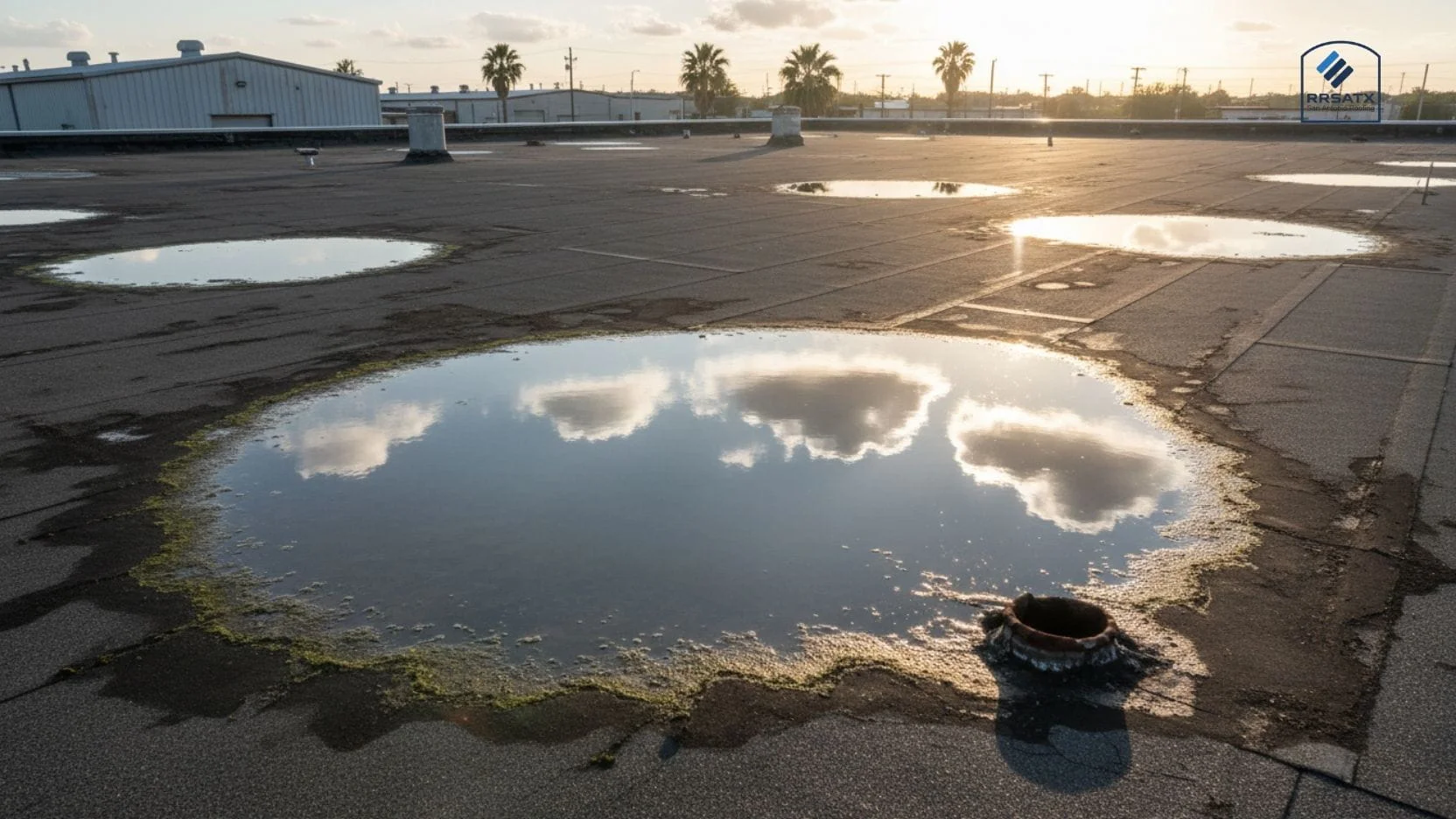
Flat and low-slope roofs dominate commercial construction but they’re vulnerable to ponding water, especially in older systems.
In South Texas, intense rain followed by high heat accelerates membrane breakdown when water doesn’t drain properly. If water remains on your roof more than 48 hours after rainfall, you’re looking at a serious red flag.
Why ponding water matters:
- Speeds up membrane deterioration
- Increases leak probability
- Voids many manufacturer warranties
This is where experienced flat roof contractors in San Antonio and industrial roofing specialists add real value. Drainage correction and membrane evaluation can prevent premature roof failure.
3. Rising Energy Bills Without Clear Cause
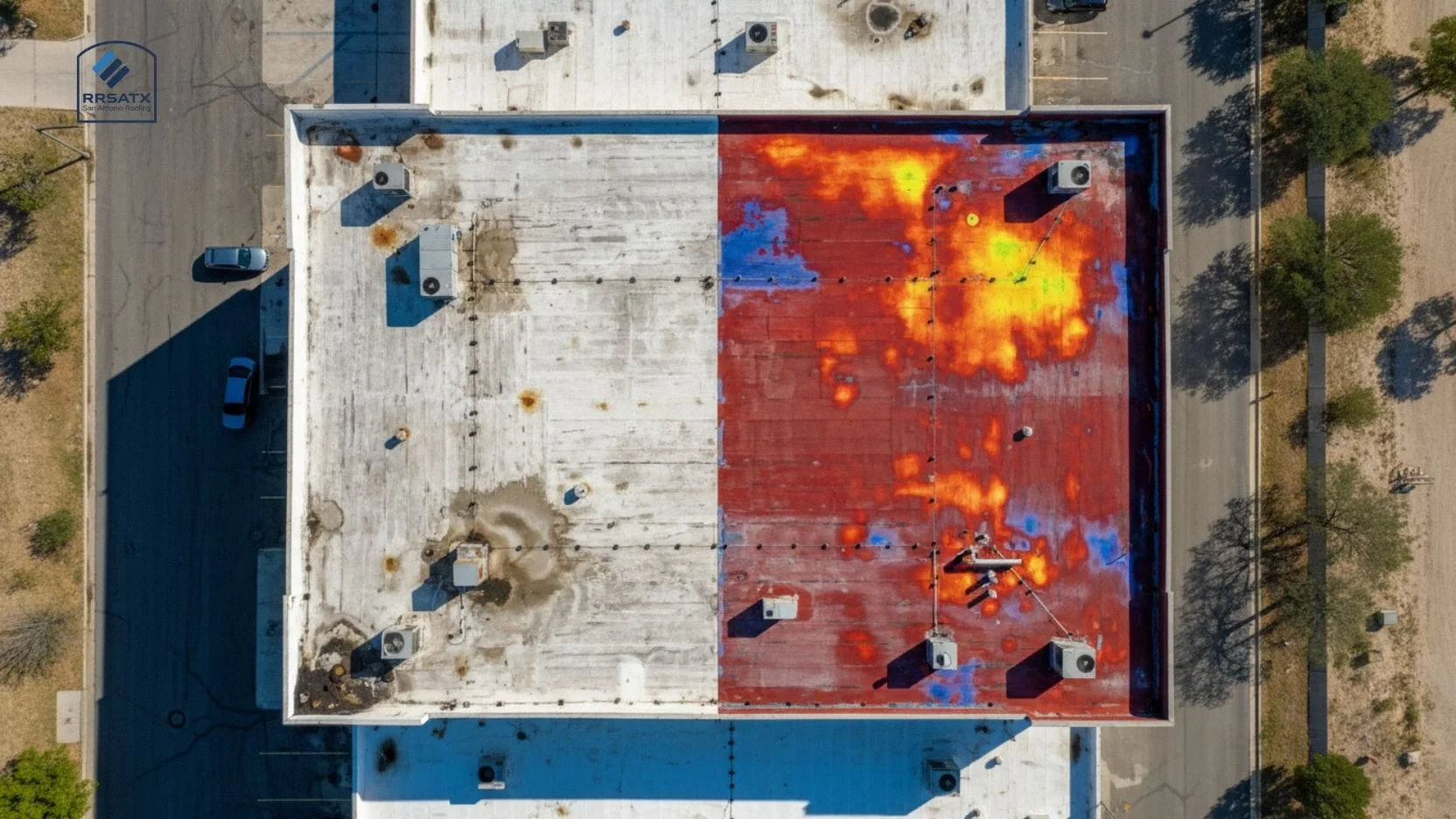
Commercial roofs play a major role in thermal performance. When insulation becomes saturated or roofing materials degrade, your HVAC system compensates driving up energy costs.
In San Antonio’s climate, inefficient roofing systems can significantly impact cooling loads.
Roof-related causes of energy loss include:
- Compressed or waterlogged insulation
- Heat-absorbing, outdated materials
- Failed seams allowing air leakage
Upgrading to modern systems such as metal commercial roofing in San Antonio or reflective membranes often delivers measurable energy savings alongside improved durability.
4. Visible Roof Surface Deterioration
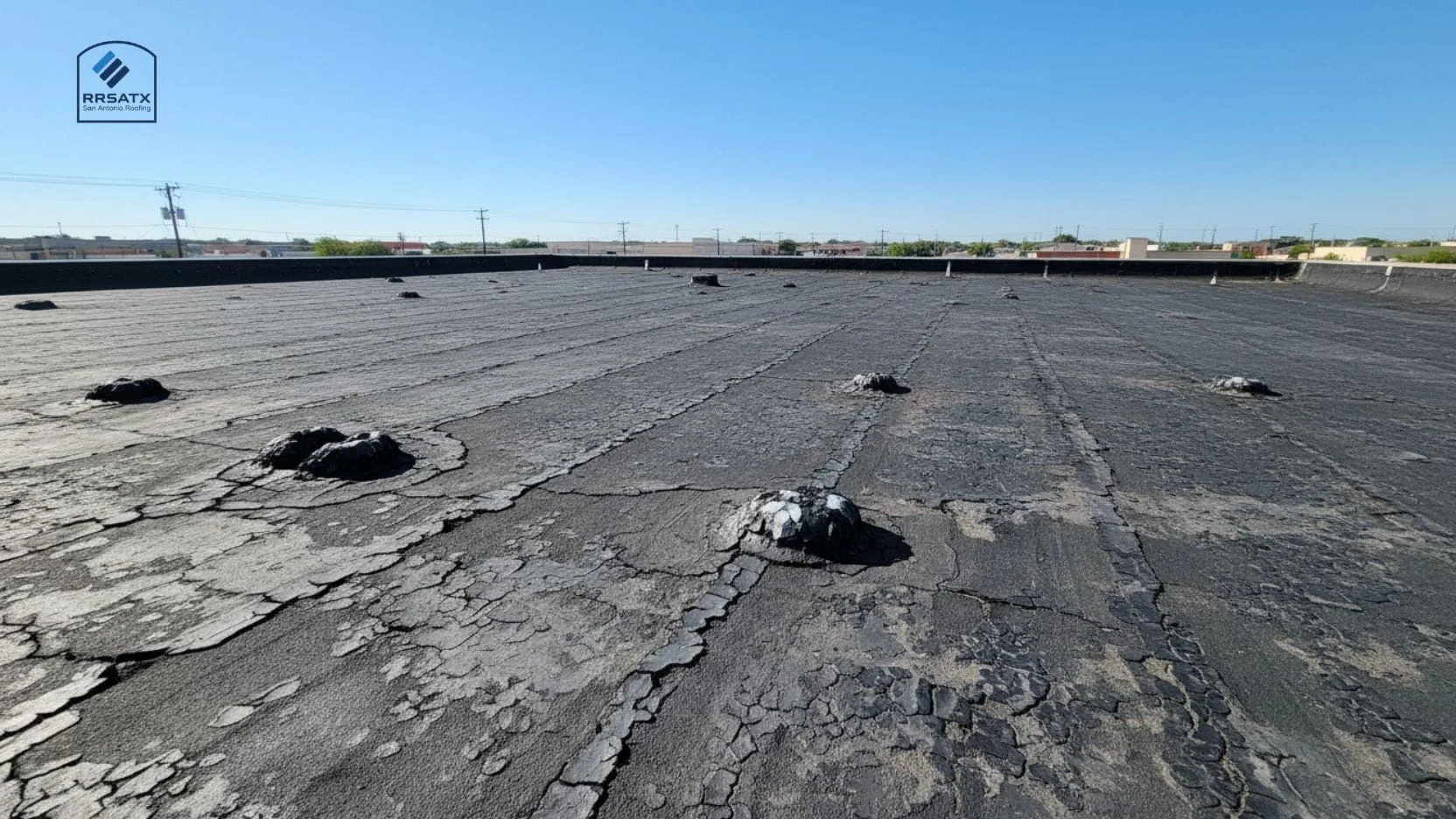
You don’t need to climb onto the roof to notice many warning signs. A professional inspection, however, will confirm their severity.
Watch for:
- Cracks, blisters, or alligatoring on membranes
- Loose flashing or exposed fasteners
- Rust, corrosion, or seam separation on metal roofs
These symptoms usually indicate systemic aging not isolated defects. At this point, many property owners begin evaluating commercial roof replacement in San Antonio TX rather than continuing with short-term fixes.
5. Frequent Emergency Roof Repairs
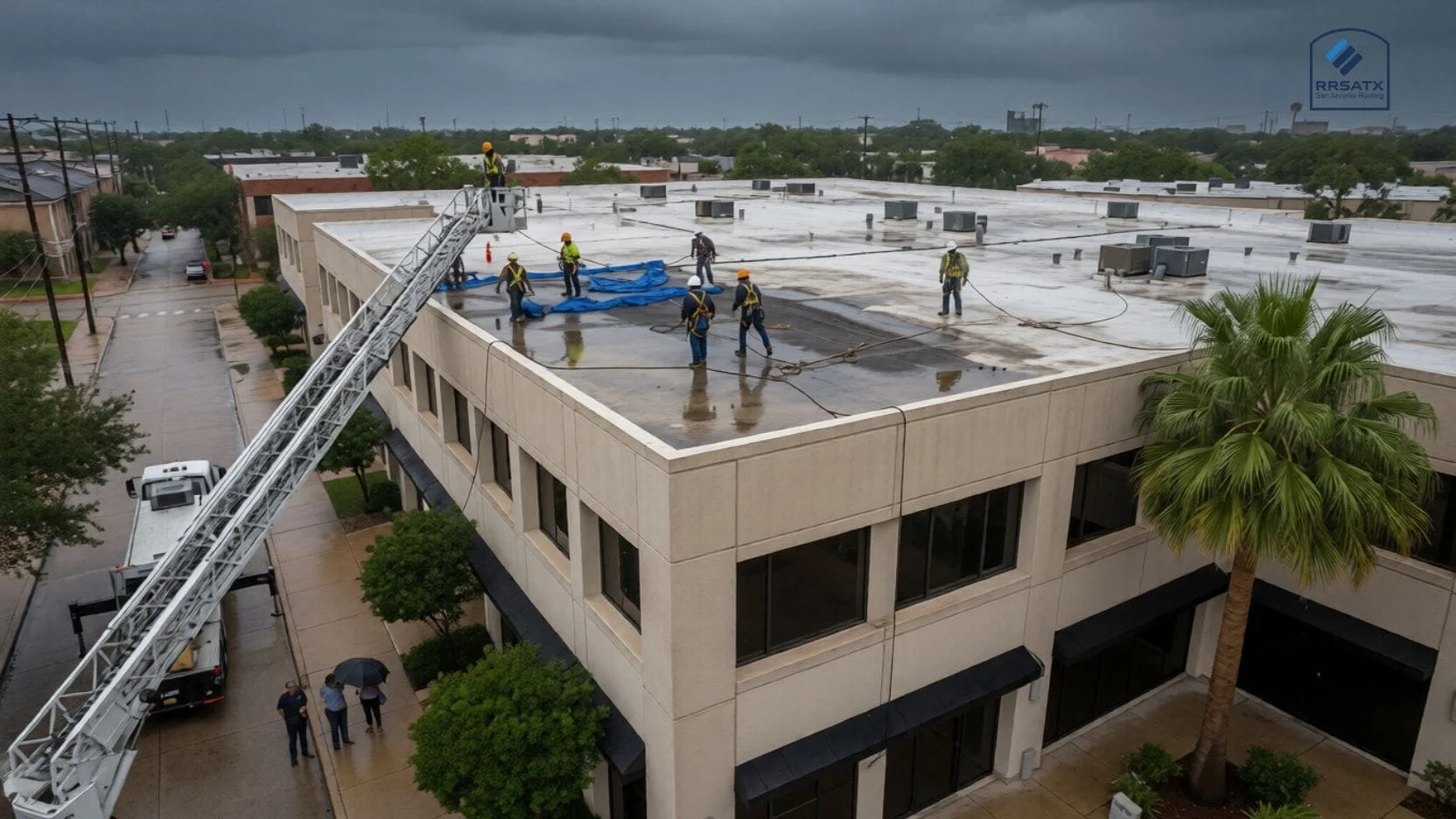
If your maintenance strategy feels reactive especially during storms it’s time to reassess.
Emergency callouts for temporary patches often signal that the roof has reached the end of its serviceable life. While emergency commercial roofing in San Antonio is essential during severe weather, relying on it repeatedly is costly and disruptive.
A proactive approach includes:
- Scheduled inspections
- Preventive maintenance programs
- Budget planning for replacement before failure
This shift reduces downtime, protects tenants, and stabilizes long-term costs.
6. Roof Age Approaching or Exceeding Its Lifespan
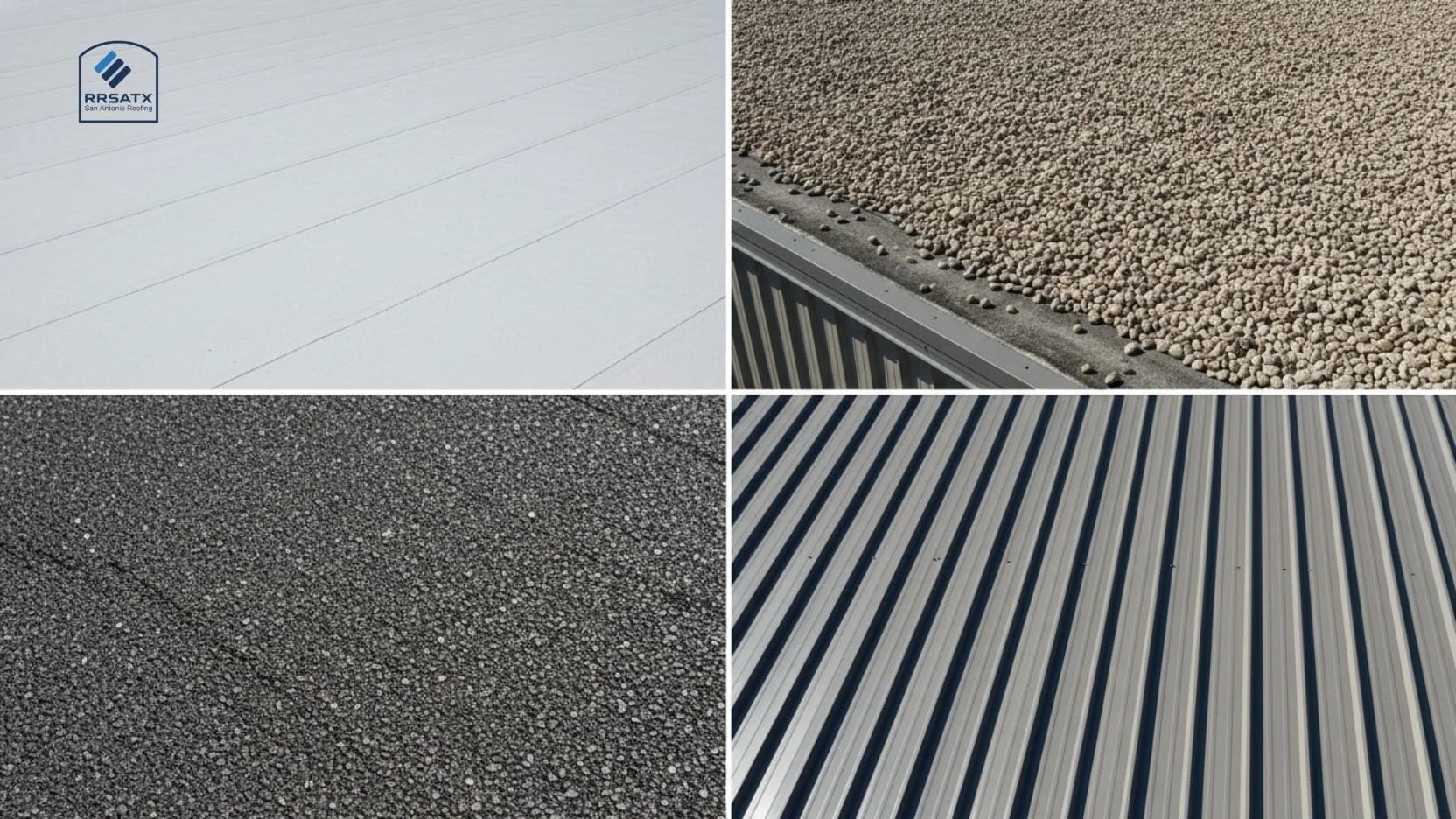
Every commercial roofing system has a predictable lifespan:
| Roofing Type | Typical Lifespan |
| TPO / PVC Membrane | 20–30 years |
| Modified Bitumen | 15–20 years |
| Built-Up Roofing (BUR) | 20–25 years |
| Metal Roofing | 40+ years |
If your roof is approaching these thresholds, even if problems seem minor, replacement planning becomes a financial and operational necessity. Waiting too long often leads to emergency replacement at the worst possible time.
7. Failing Roof Inspections or Insurance Issues
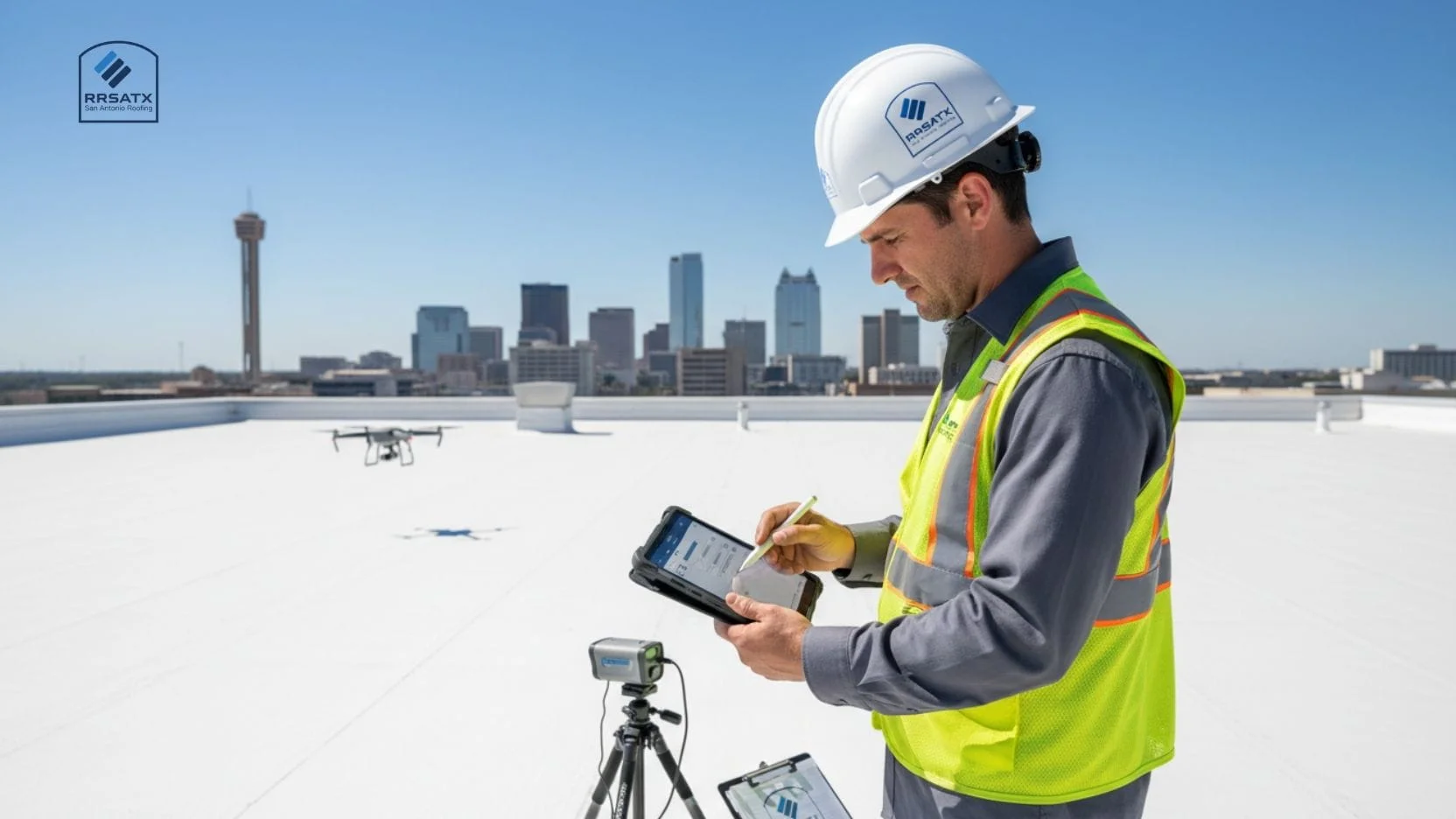
Insurance carriers and lenders increasingly require documented roof condition reports. A failed inspection can result in:
- Higher premiums
- Limited coverage
- Mandatory repairs or replacement
Regular commercial roof maintenance in San Antonio TX keeps documentation current and helps avoid compliance surprises especially when refinancing, selling, or renewing insurance policies.
What to Do Next: Inspection, Repair, or Replacement?
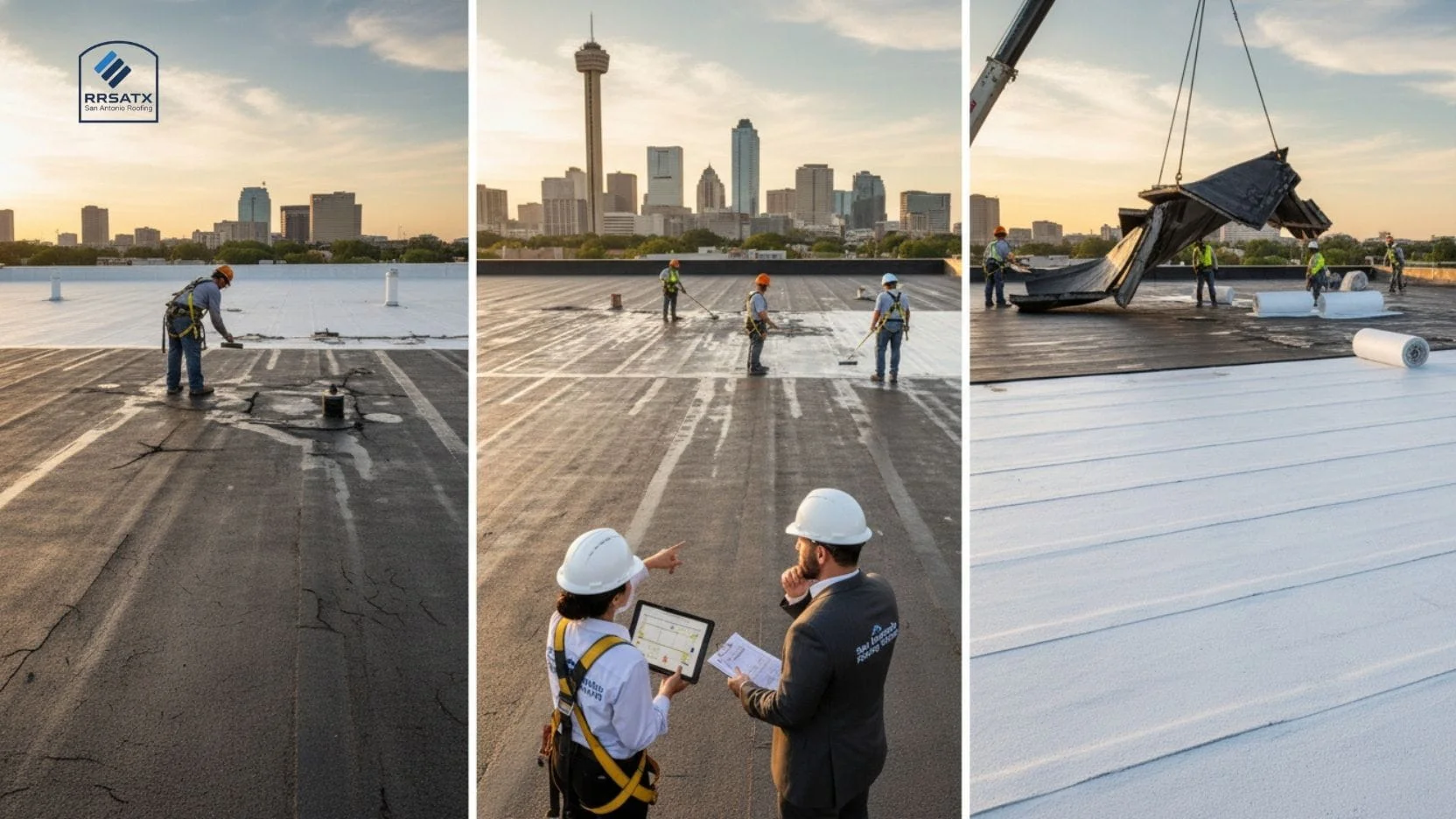
Not every issue requires full replacement. The right decision depends on age, condition, and business priorities.
General guidance:
- Minor, isolated damage: Targeted commercial roof repair
- Recurring issues or systemic wear: Partial restoration or overlay
- End-of-life systems: Full commercial roof replacement
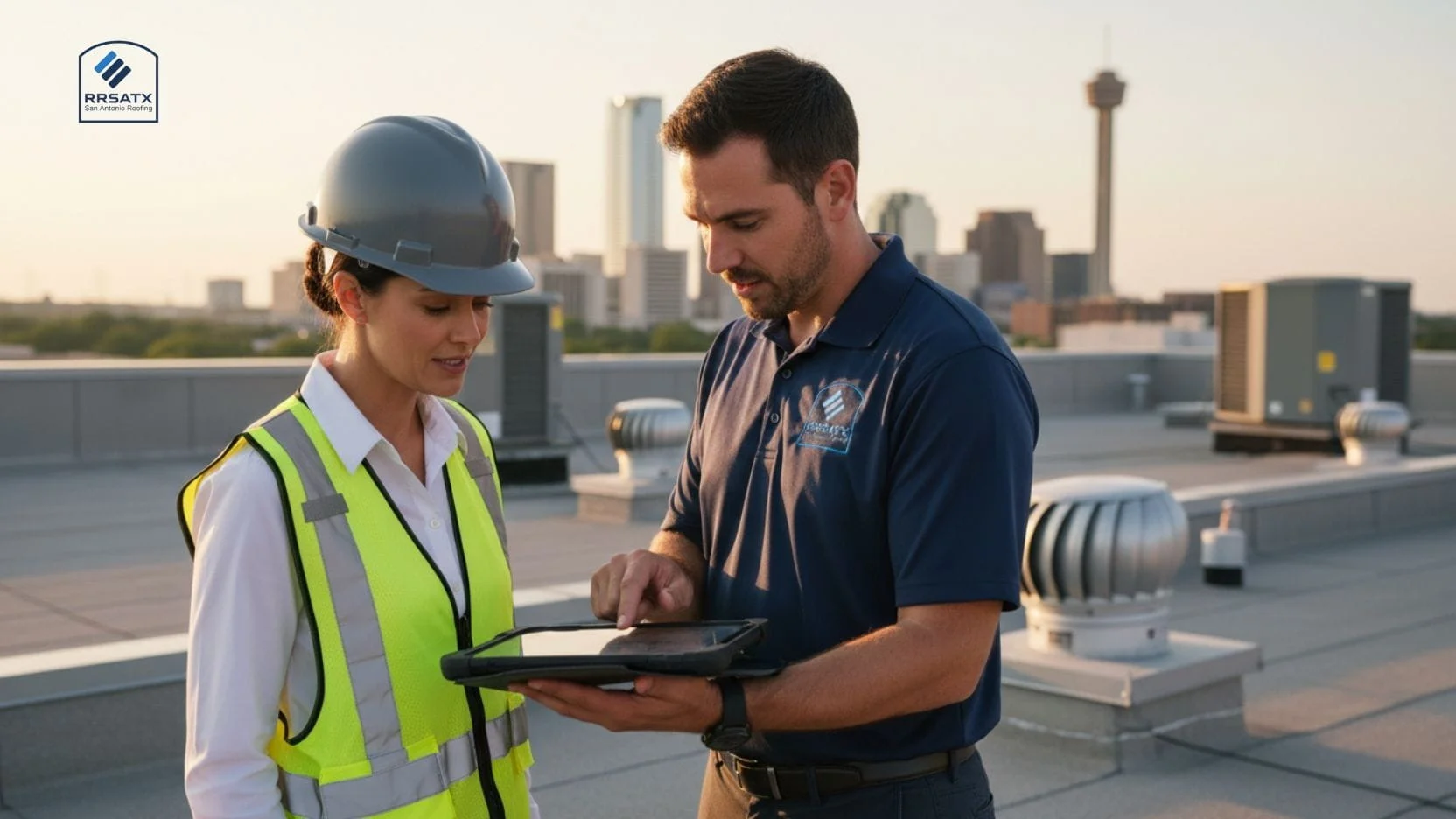
A qualified commercial roofing contractor in San Antonio will provide a condition-based recommendation not a one-size-fits-all sales pitch.
Choosing the Right Commercial Roofing Company in San Antonio
Given the scale and cost of commercial roofing projects, expertise matters.
Look for contractors who offer:
- Local experience with South Texas weather conditions
- Proven work in industrial roofing in San Antonio TX
- Transparent inspections and documentation
- Strong safety, warranty, and maintenance programs
The right partner doesn’t just fix roofs; they help you plan, budget, and protect your asset long-term.
Final Takeaway
Commercial roofing problems rarely start with dramatic failures. They begin quietly through leaks, energy loss, surface wear, or maintenance red flags.
Recognizing these seven signs early allows you to act strategically, avoid emergency costs, and extend the life of your building. Whether you need inspection, repair, or replacement, investing in professional commercial roofing in San Antonio TX is ultimately an investment in business continuity and peace of mind.
If you want help evaluating your next step, start with a professional inspection. The cost of insight is always lower than the cost of surprise.