A new roof is one of the biggest home upgrades most people will ever pay for. Yet many homeowners feel confused when they get roofing quotes that vary by thousands of dollars. “I thought a roof was just shingles and nails,” one homeowner said. “I didn’t realize how many moving parts were involved.”
Understanding the cost breakdown of a new roof install helps you plan your budget, ask smarter questions, and avoid surprise charges. This guide walks you through each cost step-by-step in clear, everyday language.
Step 1: Roof Size and Design Costs
The size and shape of your roof are the starting point for pricing. Roofers measure roofs in “squares.” One square equals 100 square feet. The more squares your roof has, the more materials and labor it needs.
Roof design matters too. Steep roofs, multiple angles, skylights, or chimneys increase labor time. “A simple roof can be done fast,” a contractor explained. “But once you add steep slopes, it becomes a safety job as much as an install job.”
According to pricing insights from the Angi roof replacement cost guide, homeowners typically pay more as roof complexity increases due to added labor and safety equipment.
Step 2: Roofing Material Costs
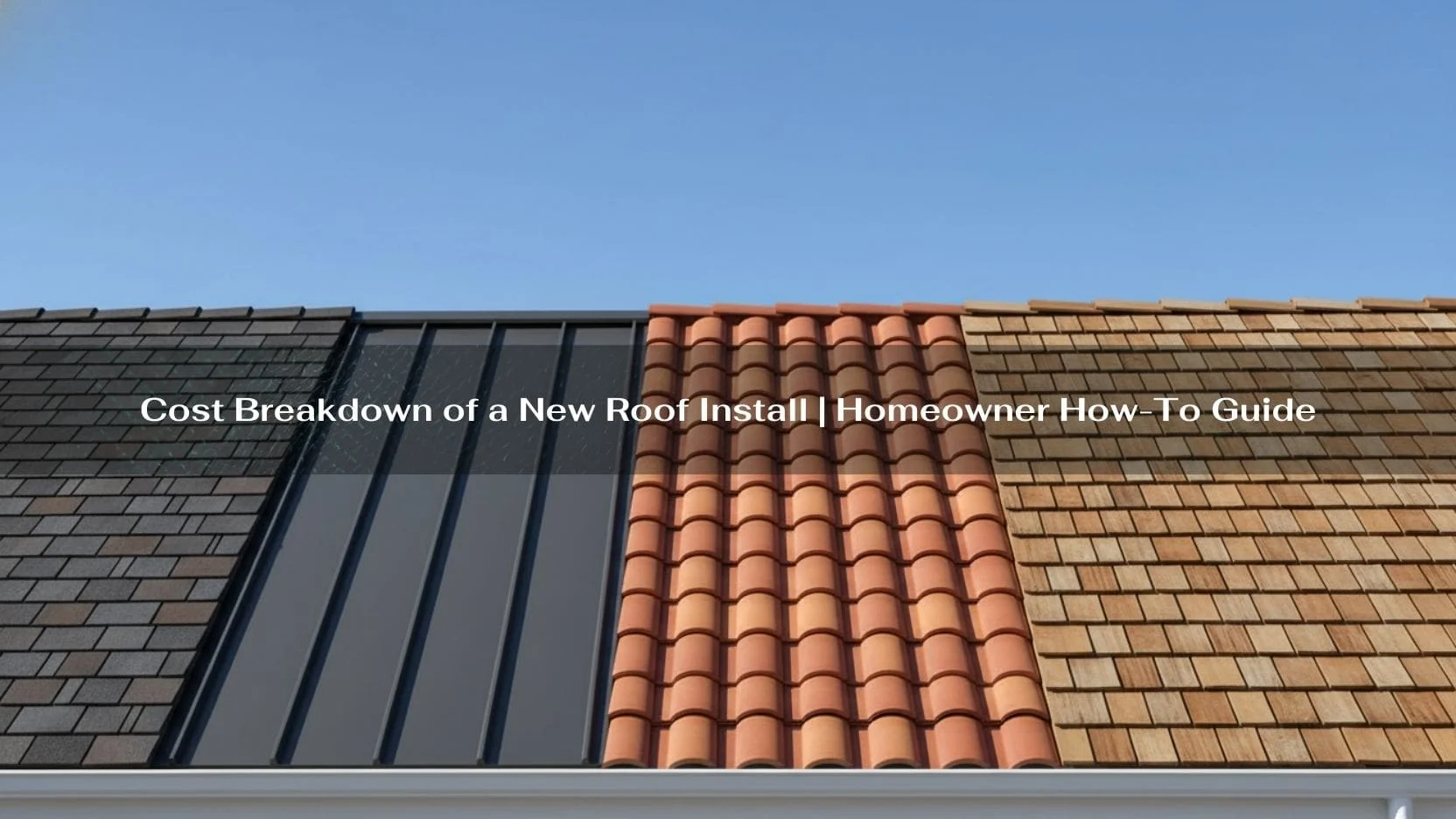
Materials play a major role in the total price. Homeowners usually choose based on budget, lifespan, and appearance.
- Asphalt shingles are the most common choice. They are affordable, easy to install, and last 15–30 years.
- Metal roofing costs more upfront but lasts longer and needs less maintenance.
- Tile and slate roofs offer premium looks and long life but are heavy and costly.
- Wood shakes give a natural appearance but require more upkeep.
Average material pricing data from HomeAdvisor roof installation costs shows why asphalt shingles remain the most budget-friendly option for most homeowners. Additional material comparisons can be found in the Wikipedia roofing materials overview.
Step 3: Labor and Installation Costs
Labor often makes up 40% to 60% of the total roofing bill. This covers tear-off of old materials, installation, safety setup, and cleanup.
“I was surprised labor cost more than the shingles,” one homeowner shared. Roofers explain that labor includes skilled work, insurance, and safety measures. Steeper roofs and limited access increase labor hours.
Real-world contractor discussions in Reddit roofing cost threads show that labor pricing varies by region, roof pitch, and seasonal demand.
Step 4: Permits, Inspections, and Extra Fees
Many homeowners forget about permits and inspections. Most cities require a permit for roof replacement, and fees vary by location.
Other common extras include:
- Old roof removal and disposal
- Underlayment and flashing replacement
- Vent or gutter adjustments
Homeowner experiences shared in Quora roof replacement questions often mention surprise costs caused by disposal fees or required code upgrades.
Step 5: How to Budget Smart and Avoid Surprises
To stay on budget, get at least three written estimates. Make sure each quote lists materials, labor, permits, and extra fees clearly.
“Once I compared line by line, the price differences made sense,” a homeowner said. Ask about warranties, timelines, and cleanup before signing.
Choosing transparency over the cheapest quote usually leads to better long-term results.
Conclusion
The true cost breakdown of a new roof install includes roof size, materials, labor, permits, and hidden extras. When you understand each part, roofing estimates become easier to compare and trust.
A well-planned roof install protects your home, your budget, and your peace of mind. Asking the right questions upfront can save you thousands later.