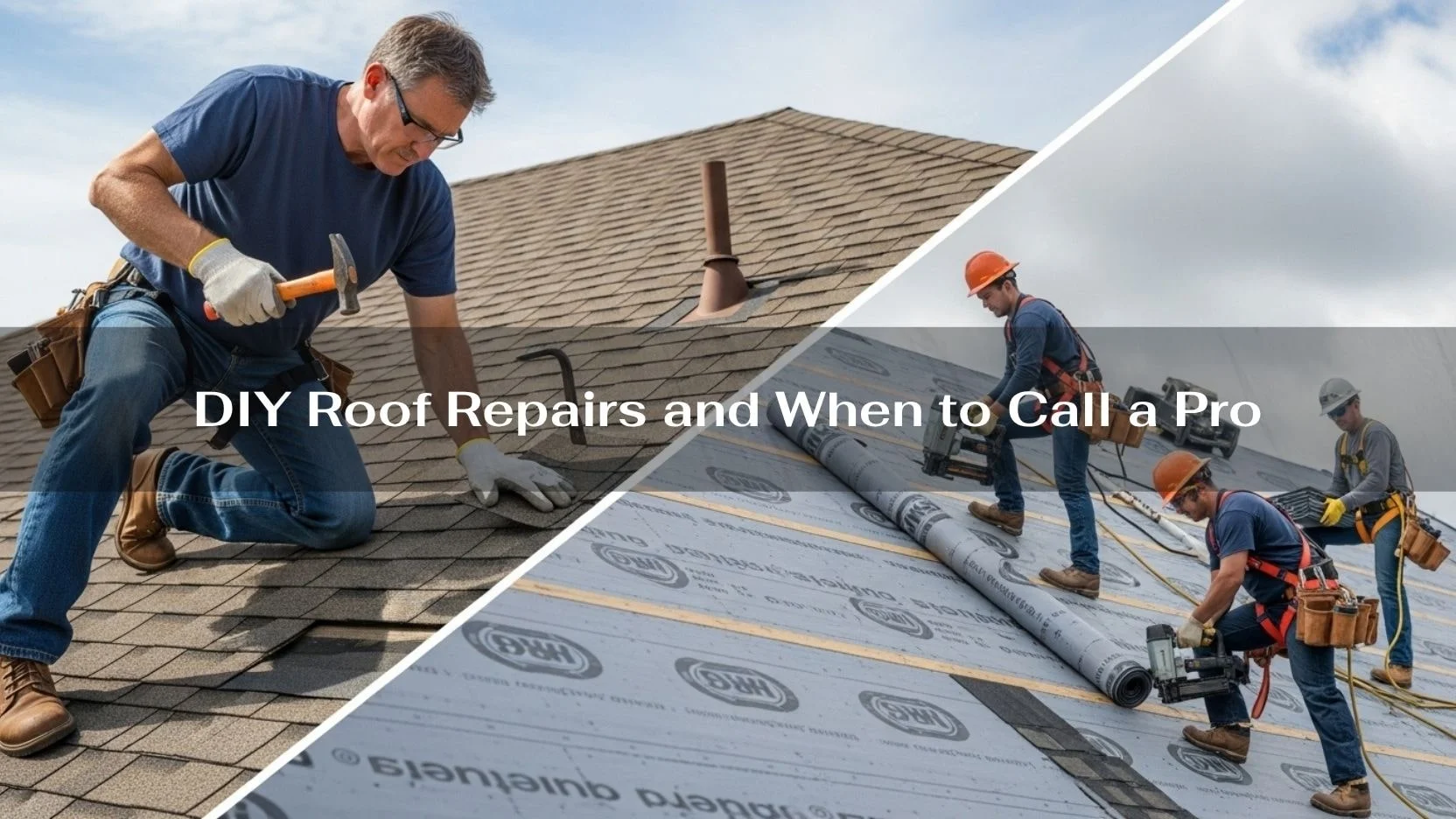
If you’ve ever spotted a small roof leak or a few missing shingles, your first thought might be, “I can fix that myself.” And sometimes, you’re absolutely right. DIY roof repairs can save money and time—if the problem is minor and you know what you’re doing. But other times, climbing onto your roof might cause more harm than good. Here’s how to tell the difference.
1. Safe and Simple DIY Roof Repairs
Some roof repairs are simple enough for confident homeowners to handle. Replacing a few shingles, sealing a small crack, or clearing debris from gutters are all examples of safe, low-risk fixes.
“If you’re comfortable on a ladder and it’s a minor issue, DIY can save you hundreds,” says a roofer on Reddit’s homeowner roofing advice. Just make sure to follow best practices—like cleaning the damaged area first and using quality roofing sealant.
For step-by-step instructions, check out Family Handyman’s DIY roofing tips. They provide clear guides on everything from replacing shingles to patching small leaks.
2. Essential Tools and Safety Gear for DIYers
If you’re tackling a small repair, having the right tools and safety equipment is crucial. You’ll need:
- Non-slip shoes or boots
- Safety harness and rope
- Roofing cement or sealant
- Caulk gun and putty knife
- Roofing nails and hammer
Angi’s roof repair safety checklist also recommends avoiding work on wet or windy days and always having someone spot you from the ground. Roofing can be dangerous—take precautions seriously.
3. Common Mistakes to Avoid During DIY Repairs
Even small mistakes can lead to bigger leaks down the road. Some of the most common DIY roofing errors include:
- Using the wrong type of shingles or nails
- Failing to overlap shingles correctly
- Applying too little or too much sealant
- Ignoring underlayment damage
“A quick patch might stop water today, but it won’t last through next season,” says a contractor on HomeAdvisor’s roofing repair guide. Poor workmanship can lead to expensive repairs later, according to HomeTips’ guide to roof repair costs.
4. Signs It’s Time to Call a Professional
Some roofing problems should never be DIY projects. Call a professional roofer if you notice:
- Persistent leaks near chimneys or skylights
- Sagging or soft spots on the roof
- Widespread shingle damage
- Mold or water stains inside your home
According to HomeAdvisor, professional roof inspections often catch hidden damage before it becomes a major issue—and can save homeowners thousands in future repairs.
5. Benefits of Hiring a Pro
Licensed roofers bring experience, safety training, and the right tools for complex jobs. They know local building codes, use high-quality materials, and offer warranties for their work.
“A professional roofer can often finish a job in hours that would take a DIYer days,” says a local contractor quoted on Angi. Plus, professional repairs are more likely to last through harsh weather.
If your roof is over 20 years old or has recurring problems, investing in a pro is the smart move. You can compare estimates and reviews using platforms like HomeAdvisor or Angi.
Final Thoughts
DIY roof repairs can be a great way to handle small issues and learn more about your home. But knowing your limits is just as important. Fix small cracks or missing shingles yourself—but for major leaks, structural damage, or old roofs, call a professional.
With the right mix of caution and care, you can keep your roof in great shape without breaking the bank.