
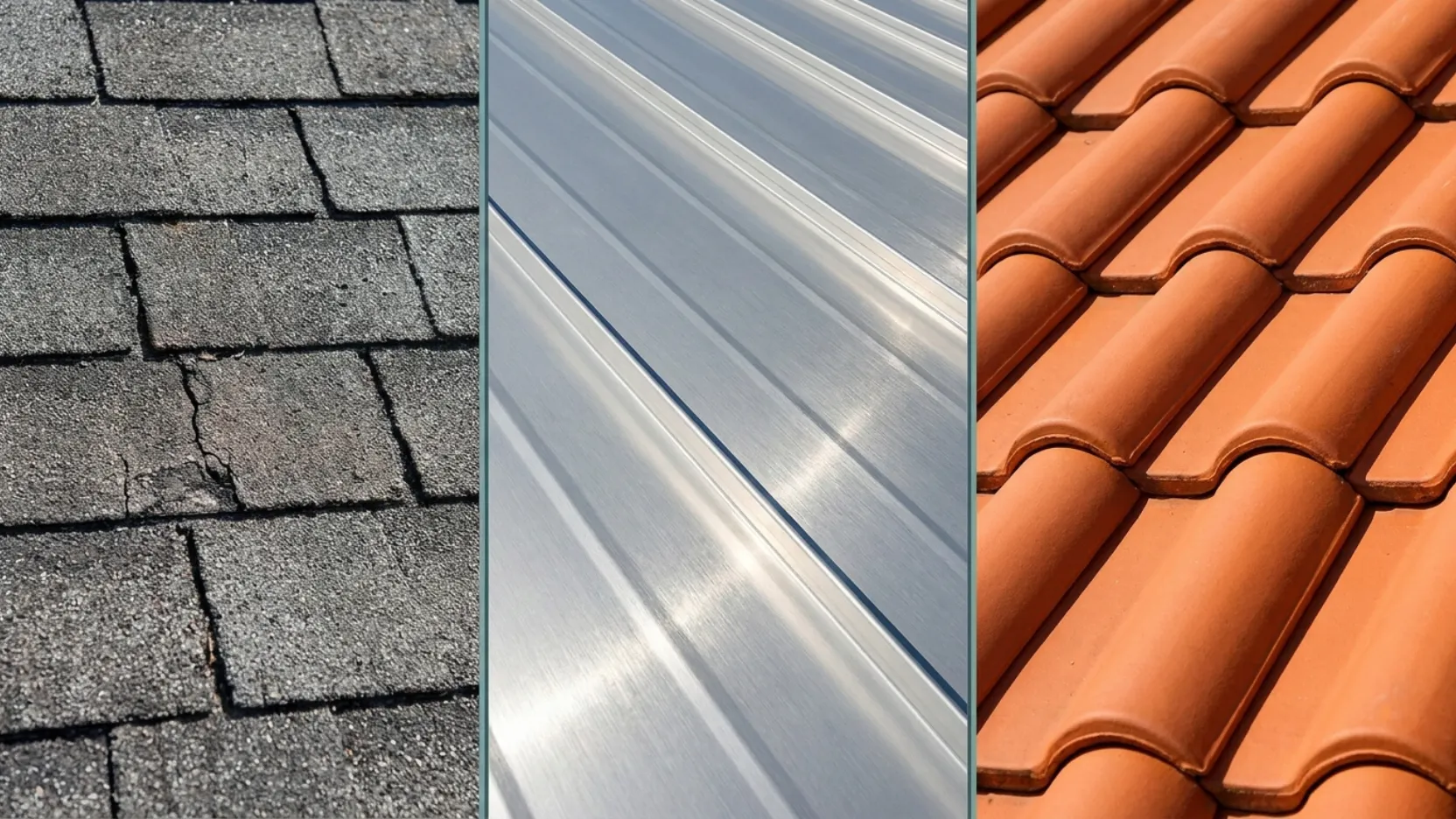
Every roofing material comes with a lifespan number on the label. That number was not tested on a San Antonio roof in July. Here, summer surface temperatures climb past 150°F, UV exposure runs high, and Bexar County sits in an active hail corridor. Those three forces change how long a roof actually lasts once it is on the house.
Homeowners often ask how long roofs last in Texas and get a national average in return. That average is a starting point, not a promise. An asphalt shingle roof rated for 25 to 30 years may need replacement closer to 15 to 20 years in this climate. Metal and tile often hold up closer to their stated ranges, or better, when they are installed and maintained well.
Heat alone is not the whole story. The daily swing matters more. A roof surface can run 60 to 80 degrees hotter than the air in midsummer, then cool overnight. That expansion and contraction stresses seams, sealants, fasteners, and adhesives year after year. Materials that handle thermal cycling well tend to outlast the brochure. Materials that do not fall short of it.
By the end of this guide, you’ll know realistic San Antonio lifespans for asphalt, metal, tile, flat, and wood roofs, what shortens or stretches those numbers, and how to compare materials if you are planning a replacement.
Table of Contents
- Why Roofs Wear Faster in San Antonio Heat Cycling, UV, and Hail
- Asphalt Shingle Roofs The Most Common Material and the Shortest Local Lifespan
- Metal Roofing The Longest-Lasting Option in Texas Heat
- Tile Roofing Built for Heat but Limited by the Underlayment
- Flat and Low-Slope Roofs Membranes Under Direct Sun
- Wood Shake Roofs A Shrinking Option in Dry Heat
- Quick Reference Table National Rating vs San Antonio Lifespan
- How to Stretch Roof Lifespan in San Antonio
- Common Questions About Roof Lifespan in Texas
- Next Steps for San Antonio Homeowners
Why Roofs Wear Faster in San Antonio Heat Cycling, UV, and Hail
Manufacturer ratings come from lab testing and national averages. They rarely bake in what a local roof endures: long UV seasons, surface heat well above the air temperature, and hail that can bruise or crack materials already stressed by the sun.
The daily temperature swing that ages every roof
It is not only the daytime high that ages a roof. It is the swing. When a roof expands in the afternoon and contracts overnight, every seam and fastener takes a small hit. Over thousands of cycles, that adds up. Materials that reflect heat and tolerate movement (metal, tile) tend to stay closer to their national rating. Petroleum-based systems (asphalt shingles, asphalt membranes) usually wear out faster here than the package suggests.
Hail adds a second layer of stress. Impact does not have to open a leak on day one to shorten useful life. Bruised shingles, cracked tile, or stressed membrane seams age faster once heat and rain keep working on them.
Practical rule: judge a roof by San Antonio conditions, not the national label alone. Heat cycling, UV, and hail together decide how much of that rating you actually get.
Asphalt Shingle Roofs The Most Common Material and the Shortest Local Lifespan
Asphalt shingles cover most San Antonio homes because they are affordable and quick to install. The tradeoff is heat resistance. Intense UV and high surface temperatures break down the asphalt binder and knock granules loose faster than in milder climates.
Rated for 25 to 30 years nationally, most San Antonio asphalt roofs are replaced closer to 15 to 20 years. Darker shingles can run 10 to 15 degrees hotter than lighter ones on the same house, which compounds over years of heat cycles.
3-tab, architectural, and impact-rated shingles
3-tab shingles are the budget option and the shortest-lived here. Rated 15 to 20 years nationally, many need replacement at 12 to 17 years as tabs curl and granules wash away.
Architectural (dimensional) shingles are thicker and more UV-resistant. Rated 25 to 30 years nationally, local installations often deliver about 18 to 24 years before granule loss and seal failure set in.
Impact-rated (Class 4) shingles are reinforced against hail cracking. They often qualify for a Texas insurance discount and tend to land toward the higher end of the architectural range when ventilation and installation are solid.
What shortens asphalt life here
Granule loss exposes the binder to more UV. Curling and cracking follow daily heat cycling. Seal strips can soften and reset under extreme surface heat. Hail bruises softer asphalt more easily than metal or tile. Poor attic ventilation traps heat and shortens life further.
Practical rule: if gutters show heavy granule buildup, or south- and west-facing slopes look curled or cracked, the roof is aging faster than the calendar alone would suggest.
Lighter colors and cool-roof granule technology will not turn asphalt into metal, but they often add a modest, real extension in service life in this climate.
Metal Roofing The Longest-Lasting Option in Texas Heat
Metal handles San Antonio heat and UV better than most residential materials. It reflects a large share of solar radiation instead of absorbing it the way asphalt does, so the surface stays cooler and daily thermal stress is lower. That same reflectivity is why metal roofs are often tied to cooler attics and lower summer cooling costs in Texas homes.
Standing seam vs exposed-fastener panels
Standing seam metal uses concealed fasteners, so there are no exposed screws to back out or leak over time. Properly installed, 40 to 70 years is a realistic expectation here; many local roofs land in the 40 to 60 year range depending on coating and maintenance.
Exposed-fastener metal panels cost less upfront, but the screws and rubber washers are the weak point. Washers harden and crack under UV, so these systems typically deliver about 20 to 40 years rather than matching standing seam’s upper range.
Stone-coated steel combines a metal core with a coated surface that mimics tile or shake. UV durability of the coating is the main variable; expect something like 25 to 50 years depending on product and exposure.
What to inspect so a metal roof reaches its range
Fasteners and sealant almost always need attention before the panels themselves. A fastener and sealant check around the ten-year mark, then every few years after, is what helps a metal roof reach the top of its range instead of developing slow leaks.
Gauge (thickness) matters for hail in Bexar County. Coastal-grade or high-quality coatings help under strong UV. On painted or stone-coated panels, watch coating wear as carefully as you watch the metal.
Practical rule: on metal, treat fasteners and sealant as maintenance items, not as “set and forget.” The panels can outlast neglect of the hardware.
Tile Roofing Built for Heat but Limited by the Underlayment
Clay and concrete tile barely care about UV the way asphalt does. The tile itself can last 50 to 100 years. The catch is that tile is not the waterproofing system by itself. It sheds water and shields the roof from sun and hail; the waterproof barrier is the underlayment underneath, and that layer ages on its own clock.
Concrete vs clay tile
Concrete tile is extremely heat-tolerant and common on higher-end San Antonio homes. Full service life is often about 40 to 50 years before cracked tiles or underlayment failure justify a major re-roof project.
Clay tile can exceed 50 years and often approaches 100 years for the tile itself. Cost and weight are the tradeoffs; framing must be engineered to carry it.
Underlayment is the real limiter. The waterproof layer beneath tile typically needs attention around 20 to 25 years. Many “tile replacements” are actually underlayment replacements: tiles are removed, the membrane is renewed, and sound tiles go back on. That is often far less expensive than a full tile replacement and should be on the table before you assume a total tear-off.
Why underlayment replacement often is the real project
Broken or slipped tiles matter as a percentage of the roof, not as one or two cracked pieces. Improper foot traffic cracks tile, so walking should stay limited to trained crews. If you are considering tile for the first time, confirm that the structure is rated for the weight.
Practical rule: on a tile roof, estimate underlayment age separately from how good the tiles look from the street. Pretty tile can sit over a failing waterproof layer.
Flat and Low-Slope Roofs Membranes Under Direct Sun
Flat and low-slope roofs show up on additions, garages, porches, and many commercial buildings. Because they sit closer to horizontal, the membrane gets more direct sun through the day and less help from gravity for drainage. Both factors push membrane systems toward the shorter end of the lifespan spectrum covered here.
TPO, modified bitumen, and drainage
TPO is a reflective single-ply membrane that handles heat reasonably well when it is white or light-colored. Rated 20 to 30 years nationally, many San Antonio TPO roofs deliver about 15 to 22 years before seam failure or membrane fatigue.
Modified bitumen is asphalt-based and shares some of the same UV sensitivity as shingles. Expect roughly 15 to 20 years in this climate.
Poor drainage can cut any membrane short. Ponding water plus heat cycling can push life down toward 10 to 15 years regardless of brand. A well-installed modified bitumen roof with solid slope and drainage can outlast a poorly drained TPO roof. Ask about the drainage plan, not only the membrane name.
Seams take continuous stress from thermal cycling. Flashing at parapets and penetrations often fails early. Scuppers and drains clogged with debris turn small problems into ponding damage.
Practical rule: on flat roofs, fix drainage before you upgrade the membrane. Standing water will outsmart a better product every time.
Wood Shake Roofs A Shrinking Option in Dry Heat
Wood shake is far less common in San Antonio than it was a generation ago, and the climate is a big reason. Nationally, wood is often rated 20 to 30 years in moderate, humid regions where the wood keeps some moisture. Local dry heat and drought pull that moisture out, so splitting, curling, and warping show up earlier.
Why drought and fire risk limit wood here
Untreated wood shake is the most vulnerable option in this guide. Splitting and curling often appear before the 20-year mark, and untreated wood carries the highest fire risk among these materials. Realistic local life is often about 15 to 20 years.
Pressure-treated and fire-retardant shake improves durability and fire resistance somewhat but does not fully offset moisture loss. Expect roughly 18 to 24 years, still generally shorter than a good architectural asphalt roof in this climate.
Synthetic (composite) shake mimics the look without the moisture sensitivity and is becoming the more practical choice for homeowners who want that appearance here, often with 40+ year potential depending on product.
Insurance and codes matter. Some Texas insurers charge more or decline wood roofs; many newer developments restrict or prohibit them. Confirm coverage, HOA rules, and fire-rating requirements before you commit.
Practical rule: if you want the wood look in San Antonio, ask about synthetic shake and insurance terms before paying for real wood that the climate will fight.
Quick Reference Table National Rating vs San Antonio Lifespan
These ranges reflect real San Antonio conditions, not lab ratings alone. Installation quality, ventilation, color, and maintenance still move any individual roof up or down within the band. A professional inspection is the only reliable way to estimate remaining life on your roof.
| Material | National rating | Typical San Antonio lifespan | Main heat-related limiting factor |
|---|---|---|---|
| 3-tab asphalt shingles | 15 to 20 years | 12 to 17 years | Granule loss and mat curling under UV |
| Architectural asphalt shingles | 25 to 30 years | 18 to 24 years | Seal strip and granule degradation |
| Standing seam metal | 40 to 70 years | 40 to 60 years | Sealant and coating, not the panel |
| Exposed-fastener metal | 30 to 45 years | 20 to 40 years | Washer hardening and cracking under UV |
| Concrete tile | 40 to 50 years | 40 to 50 years | Underlayment failure, not the tile |
| Clay tile | 50 to 100 years | 50 to 100 years | Underlayment failure, not the tile |
| TPO membrane (flat) | 20 to 30 years | 15 to 22 years | Seam stress from daily thermal cycling |
| Modified bitumen (flat) | 15 to 20 years | 15 to 20 years | Asphalt-based UV sensitivity |
| Wood shake | 20 to 30 years | 15 to 24 years | Moisture loss and splitting in drought |
How to Stretch Roof Lifespan in San Antonio
You cannot change the climate, but you can change how much of a material’s local range you actually get.
At installation
Confirm attic ventilation matches the material and roof size. Specify underlayment quality in writing instead of accepting a default. Factor color and reflectivity into the heat decision. Compare warranty terms against San Antonio exposure, not only the national marketing number.
During maintenance
Schedule a professional inspection every one to two years, and sooner after major storms. Keep gutters and valleys clear so debris does not trap moisture. On metal and shingle roofs, check fasteners, sealant, and flashing around the ten-year mark. Glance at the attic for heat damage, moisture, or pests.
Warning signs worth acting on
Heavy granules in gutters on asphalt roofs. Curling, cracking, or lifted edges visible from the ground. Daylight or pinholes when you look at the deck from the attic. Cracked or slipped tiles that expose underlayment. Rust streaks or discoloration around metal fasteners and seams.
Practical rule: a roof that reaches the top of its San Antonio range almost always has good ventilation, timely sealant and flashing care, and inspections after storms—not just a premium material.
Common Questions About Roof Lifespan in Texas
Why do roofs wear out faster in San Antonio than elsewhere?
Because three forces stack here: long UV seasons, roof surfaces that regularly exceed 150°F in summer, and an active hail corridor through Bexar County. Heat cycling and UV speed up binder, washer, and seam breakdown; hail adds impact on top. Metal and tile hold closer to national ratings. Asphalt and asphalt-based membranes usually fall short of them.
What lasts the longest in Texas heat?
Standing seam metal and clay tile lead the pack. Standing seam often reaches 40 to 70 years thanks to concealed fasteners and reflectivity. Clay tile can run 50 to 100 years for the tile itself, with underlayment replaced on a shorter cycle. Both tend to perform well under Texas heat when installed correctly.
How can I tell how much life is left?
A professional inspection is the reliable answer; many warning signs are hard to see from the ground. From home, watch for granules in gutters, curled or lifted shingles, cracked or slipped tiles, rust around metal fasteners, and any daylight through the deck from the attic. Age is a clue, not a verdict—condition, ventilation, and maintenance history matter as much.
Does roof color affect lifespan here?
Yes. Darker materials can run 10 to 15 degrees hotter than lighter ones on the same roof. That gap compounds across thousands of heat cycles and can speed granule loss, sealant breakdown, and membrane fatigue. Lighter colors and cool-roof rated products often land toward the higher end of a material’s local range.
Is a longer-lasting material worth the higher upfront cost?
It depends on how long you plan to stay and what you can spend now. Standing seam costs more than architectural shingles but can outlast two or three shingle replacements, which often wins on cost per year. If you expect to sell within five to ten years, a well-installed asphalt roof may be the more practical choice. A local contractor can walk through the math for your house.
Does maintenance really extend life, or is replacement locked to a fixed age?
Maintenance matters most on metal, tile, and flat systems. A metal roof with fasteners and sealant refreshed on schedule can reach the top of its range; a neglected one can leak decades early. Tile depends on underlayment replacement on time even when the tiles still look fine. Asphalt ages mainly from UV, but solid attic ventilation still meaningfully affects how long it lasts.
Next Steps for San Antonio Homeowners
Realistic lifespan numbers help you plan, but only a look at your specific roof can tell you where you stand. Installation quality, ventilation, storm history, and maintenance all move a roof within the ranges above.
If you want a clear read on remaining life—or you are comparing materials for a replacement—RRSATX can help with a free inspection and a written estimate. Visit RRSATX for local help from a San Antonio roofing team that knows heat, hail, and how materials actually age here. Call 713-504-2341 or schedule online so you can decide with facts instead of a national label.