Roof replacement is one of the loudest home improvement projects you can experience. If you have kids, pets, or work from home, you might wonder just how loud it gets and what you can do about it. This guide explains everything in clear, simple language so you can prepare with confidence.
Why Roof Replacement Gets So Loud
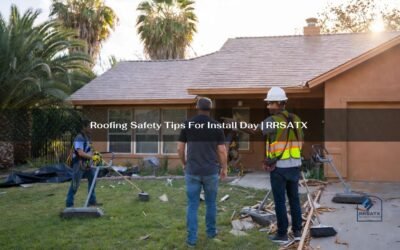
When a roof is replaced, crews remove old shingles, nails, and underlayment. They also hammer new materials in place. This creates steady banging, scraping, and vibration.
Most homeowners describe it the same way: “It sounds like someone is working right above your head — because they are.”
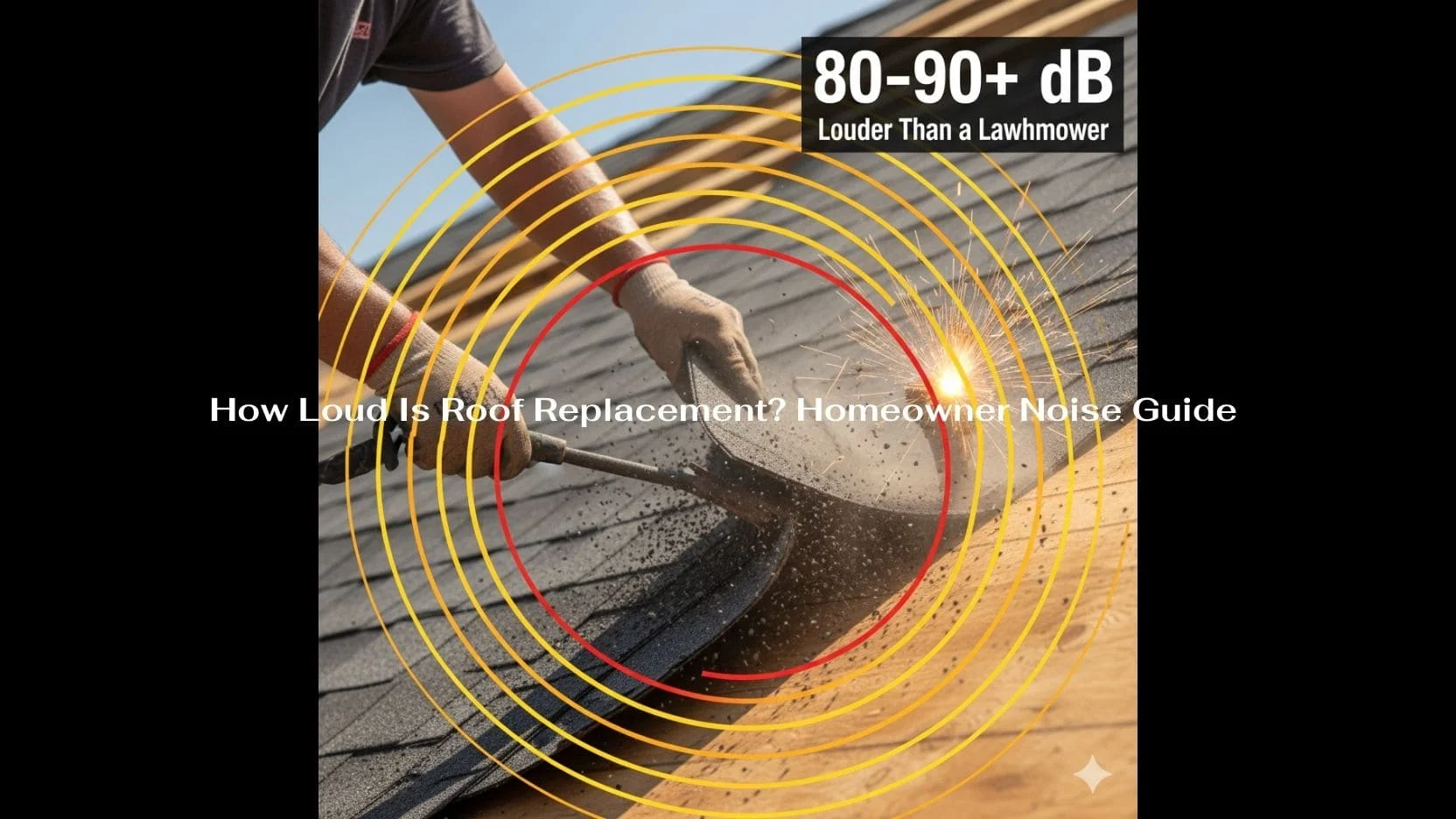
Noise during roof work can reach 80–90+ decibels, similar to a lawnmower or heavy traffic. You can compare these levels using this decibel chart.
For more examples of what to expect, you can check out roofing noise insights from Angi.
The Noisiest Parts of the Roof Replacement Process
Not every part of the job is equally loud. Here are the stages that create the most noise:
1. Tear-Off
This is when old shingles and nails are removed. It’s one of the roughest and loudest phases.
2. Nailing Down New Materials
Nail guns, hammers, and compressors create deep, steady banging. This is often the most intense noise homeowners feel indoors.
3. Machinery and Cleanup
Contractors use equipment like compressors and disposal trailers. These add rumbling and vibration, especially closer to the home.
To learn more about each stage, you can read HomeAdvisor’s guide to the roof installation process.
Homeowner reviews on Yelp roofing contractors also mention these phases as the loudest parts.
How the Noise Feels Inside Your Home
Inside the house, noise may feel even louder because the roof structure carries sound and vibration through wood framing.
Homeowners on Reddit roofing discussions often compare it to:
- A running vacuum.
- Thunder-like thumps.
- Someone dropping tools upstairs.
One homeowner said, “My dog hid in the bathroom the whole day — it was that loud.”
How to Prepare for Roof Replacement Noise
A little planning makes everything easier. Here’s a simple checklist:
1. Plan Your Day Around the Noise
If possible, plan errands or work outside the house.
2. Protect Kids and Pets
Young children may get startled. Pets may get stressed. Set them up in a quieter room or arrange to have them stay with someone.
3. Prepare Your Home Office
If you work from home, move meetings or relocate to a quieter spot for the day.
4. Talk With Your Contractor
Ask them which days and times will be the loudest so you can plan ahead.
For more homeowner preparation tips, see Angi’s guide on how to prepare for roof replacement.
When Noise Might Be a Sign of a Problem
Roof replacement is loud but not all loud sounds are normal.
Contact your contractor if you hear:
- Sudden heavy cracking sounds
- Repeated loud bangs long after the main work ends
- Vibrations that feel unsafe
Many homeowners on Yelp roofing reviews mention that good contractors explain what’s normal and what’s not.
Conclusion
So, how loud is roof replacement? Very loud, usually between 80 and 90+ decibels. But with good planning and clear expectations, you can manage it with much less stress.
For more guidance, explore these helpful roofing noise tips.