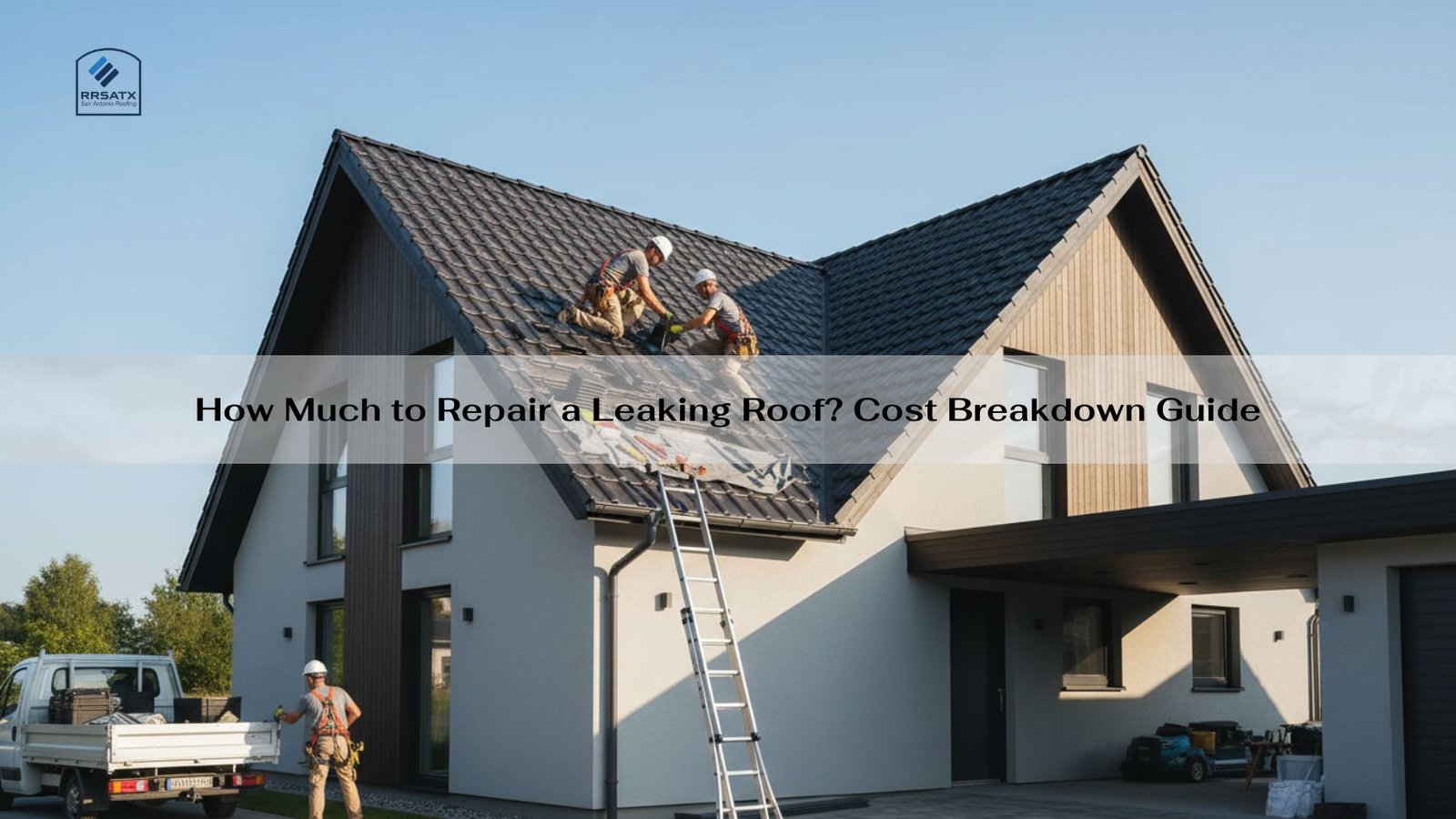
A leaking roof is more than an inconvenience; it’s a warning sign. What starts as a small water stain can quickly escalate into structural damage, mold growth, insulation failure, and thousands of dollars in avoidable repairs.
So the question homeowners ask immediately is:
How much to repair a leaking roof?
On average, leaking roof repairs cost between $300 and $1,100, with most homeowners spending $500–$900. Minor leaks may cost as little as $150, while complex or hidden leaks can exceed $3,000–$5,000, especially if water damage has spread.
This expert-level guide explains exactly what impacts leaking roof repair costs, how pricing differs by leak type and roof material, and how to decide whether repair or replacement makes financial sense.
Average Cost to Repair a Leaking Roof
For most homes, leaking roof repairs fall into predictable ranges:
- Minor leak repair: $150–$400
- Moderate leak repair: $400–$1,100
- Major leak or water damage repair: $1,200–$5,000+
The cost depends less on the size of the roof and more on where the leak originates, how long it’s been active, and what materials are affected.
A crucial point many homeowners miss:
The visible leak location is rarely the source of the problem.
Cost to Repair a Leaking Roof by Leak Type
Different leak causes carry very different repair costs.
Flashing Leak Repair Cost
- Average cost: $200–$600
- Common locations: chimneys, skylights, roof valleys
Flashing failures are one of the most common and most cost-effective leaks to fix when caught early.
Shingle Leak Repair Cost
- Asphalt shingle leaks: $150–$700
- Architectural shingle leaks: $400–$1,200
Leaks caused by missing, cracked, or lifted shingles are usually straightforward unless water has reached the decking.
Roof Vent or Pipe Boot Leak Cost
- Average cost: $150–$500
Rubber pipe boots degrade faster than shingles and are a frequent leak source on roofs older than 8–10 years.
Skylight Leak Repair Cost
- Average cost: $300–$1,500
Skylight leaks often involve flashing failures, seal degradation, or improper installation.
Ceiling or Attic Leak with Water Damage
- Average cost: $1,200–$5,000+
- Includes: decking replacement, insulation, drywall repair
Once water penetrates beyond the roof surface, costs rise rapidly.
Cost to Repair a Leaking Roof by Roofing Material
Roofing material directly affects labor time, repair techniques, and pricing.
| Roofing Material | Average Leak Repair Cost |
| Asphalt Shingles | $150–$1,100 |
| Metal Roofing | $400–$2,500 |
| Flat Roof (TPO, EPDM, Modified Bitumen) | $300–$2,000 |
| Tile Roofing | $500–$3,500 |
| Wood Shake | $600–$2,500 |
| Slate Roofing | $800–$5,000+ |
Specialty roofs cost more because repairs require trained installers and harder-to-source materials.
Labor vs Material Cost Breakdown
When repairing a leaking roof, labor is the primary cost driver.
- Labor: 60–75%
- Materials: 25–40%
Why labor matters:
- Leak detection is time-intensive
- Steep roofs require safety equipment
- Multi-story homes increase setup time
This explains why even small leak repairs can carry moderate price tags.
Factors That Increase Leaking Roof Repair Costs
Several variables can push repairs toward the higher end of the range.
Leak Duration
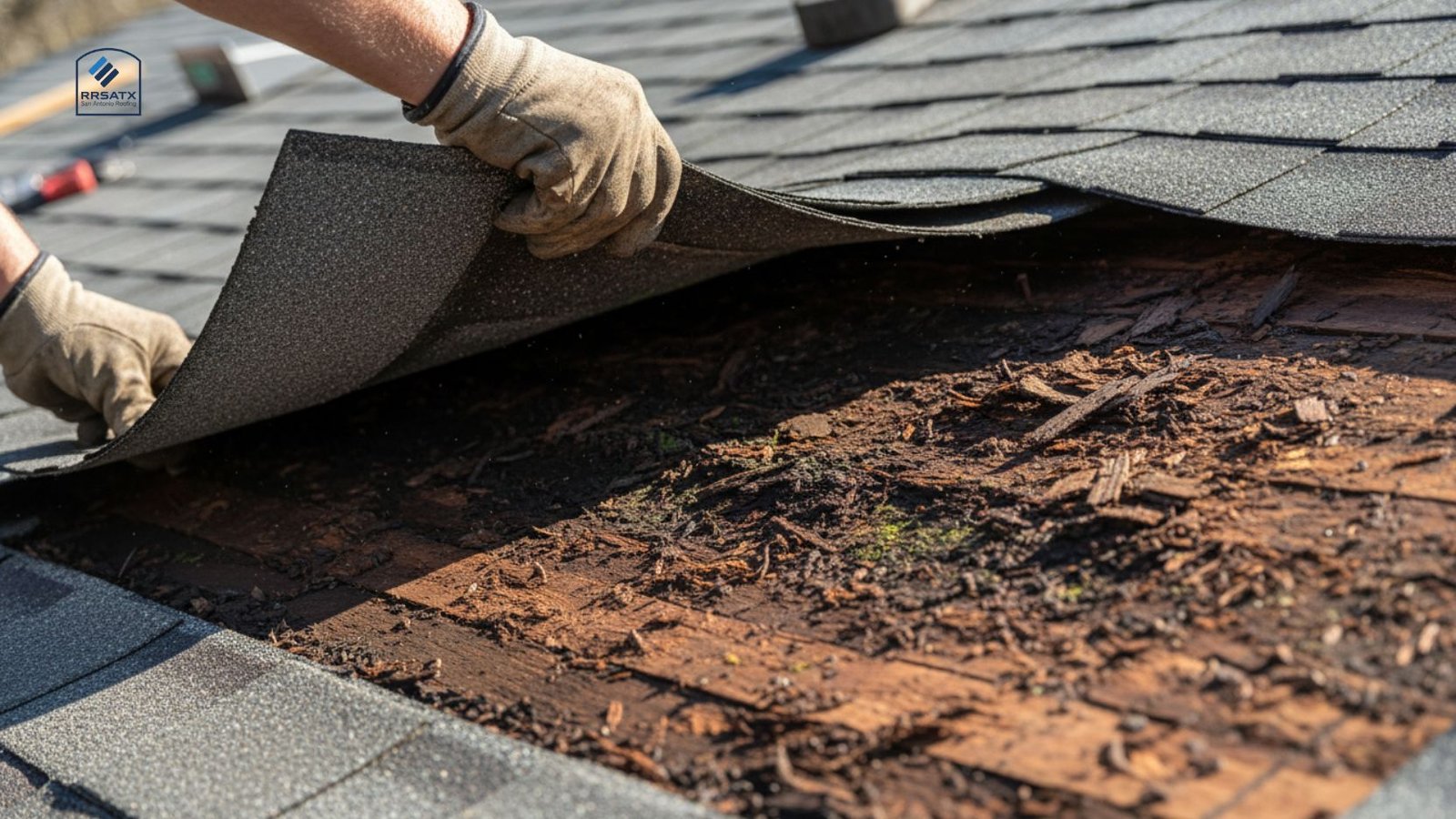
The longer a leak exists, the more damage it causes beneath the surface.
Roof Pitch & Accessibility
Steep or complex roofs increase labor time and safety requirements.
Decking or Structural Damage
Rotten plywood or compromised rafters significantly increase costs.
Interior Damage
Ceiling stains, drywall replacement, and insulation repairs add to the total bill.
Local Labor Rates
Urban and high-demand markets typically see higher roofing costs.
Emergency & Storm-Related Roof Leak Costs
Emergency roof leak repairs often cost 20–50% more due to urgency.
- Emergency tarp installation: $200–$600
- Storm damage leak repair: $500–$4,000+
If the leak is storm-related, homeowners insurance may cover part or all of the repair, depending on the policy and deductible.
Repair vs Replacement: When a Leak Signals Bigger Problems
Not every leak should be repaired.
| Situation | Best Option |
| Roof under 10 years old | Repair |
| Isolated leak | Repair |
| Multiple leaks | Consider replacement |
| Roof over 20 years old | Replacement |
| Repair cost >30% of new roof | Replacement |
Recurring leaks often indicate system-wide failure, not isolated damage.
How to Reduce the Cost of Roof Leak Repairs
Smart timing and planning can save thousands.
- Address leaks immediately
- Schedule annual roof inspections
- Avoid temporary DIY fixes that worsen damage
- Get multiple written estimates
- Work with licensed and insured professionals
Preventive maintenance is always cheaper than reactive repairs.
FAQs
How much to repair a leaking roof on average?
Most homeowners pay $500–$900 for leaking roof repairs.
Is a leaking roof covered by insurance?
Storm-related leaks may be covered. Wear-and-tear leaks usually are not.
How long does it take to repair a roof leak?
Minor repairs take 1–3 hours; complex repairs may take 1–3 days.
Can a leaking roof be repaired without replacing it?
Yes if the damage is localized and structural integrity is intact.
Key Takeaways
- Leaking roof repairs typically cost less than replacement if caught early
- Labor and leak detection drive most of the cost
- Delaying repairs dramatically increases total expenses
- Repeated leaks often signal the need for replacement
Understanding how much to repair a leaking roof helps homeowners act decisively, protect their investment, and avoid turning a small leak into a major renovation project.
Conclusion
A leaking roof doesn’t have to become a financial disaster but ignoring it almost always will. The cost to repair a leaking roof depends on the source of the leak, the roofing material, labor complexity, and how long the problem has been left unaddressed. In most cases, timely repairs fall within a manageable range and cost far less than full roof replacement or interior restoration.
Understanding how much to repair a leaking roof allows homeowners to act early, budget realistically, and avoid unnecessary damage to insulation, ceilings, and structural components. The key is simple: identify the leak quickly, choose experienced professionals, and fix the root cause, not just the visible symptoms. Early action protects both your home and your long-term costs.