Thinking about upgrading to a metal roof without tearing off your old shingles? You’re not alone. Many homeowners choose this route to save time, reduce labor costs, and cut down on the mess of a full roof replacement. The good news? You can install metal roofing over shingles—if you do it right.
Here’s a step-by-step look at how it’s done safely, efficiently, and in line with building standards.
Step 1: Check Local Codes and Your Roof’s Condition
Before starting, check your local building codes. Most areas allow one existing layer of shingles under a new metal roof, but some limit it to prevent excessive weight on the structure.
Next, inspect your roof deck. Look for soft spots, leaks, or sagging areas. If the shingles are curled, brittle, or missing in sections, fix those first. According to HomeAdvisor, a stable and even surface ensures the metal panels sit correctly and perform well long-term.
“I wanted to upgrade to metal roofing without tearing my whole roof apart,” says one homeowner. “My roofer checked everything first and gave the green light—it made the project faster and cheaper.”
Step 2: Prepare the Roof Surface
Clean the roof thoroughly, removing any debris, nails, or damaged materials. A clean surface prevents bumps or uneven spots beneath the metal panels.
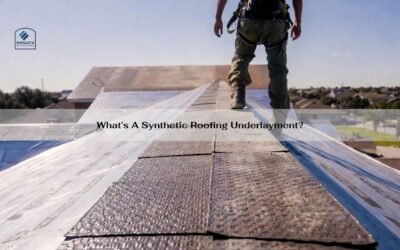
Next, install a high-temperature synthetic underlayment. This acts as a moisture barrier and helps reduce noise from rain or hail. Think of it as giving your old roof a second line of defense. As Modernize notes, underlayment is key to preventing water intrusion over time.
“It’s like giving your old roof a fresh foundation before the metal goes on,” explains a contractor from Texas.
Step 3: Install Furring Strips (Optional but Recommended)
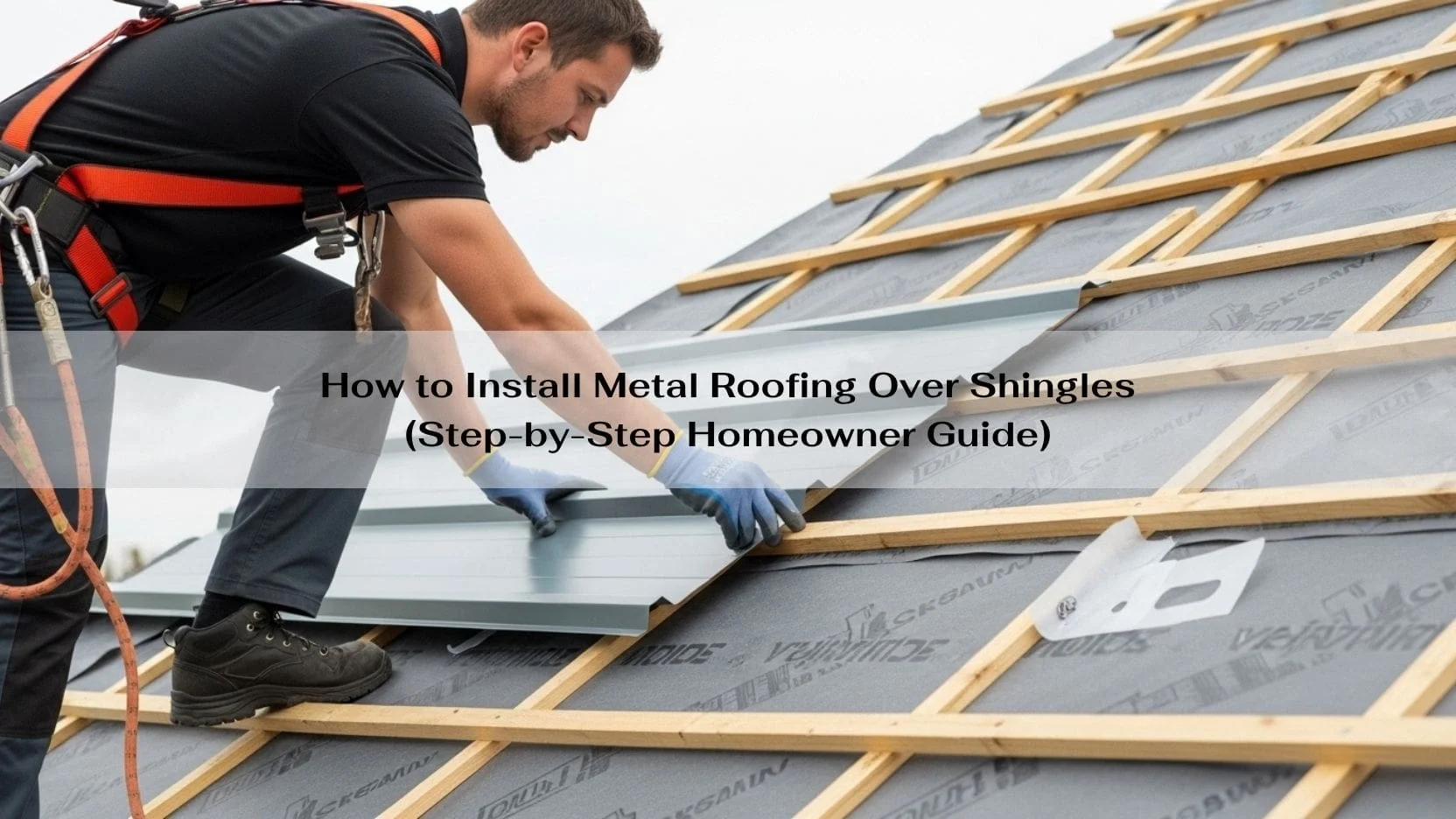
Furring strips—wooden boards placed horizontally over the shingles—create an air gap between the old roof and the metal panels. This gap improves ventilation and prevents heat buildup, which helps keep your home cooler in summer.
Energy Star reports that metal roofing systems with proper ventilation can lower cooling costs by up to 25% compared to traditional asphalt shingles.
If you skip furring strips, make sure the roof deck is perfectly flat and the underlayment is properly installed.
Step 4: Attach the Metal Panels
Now it’s time for the main event. Start at the bottom edge of the roof, overlapping panels as you move upward. Secure panels using screws through the high rib to prevent water intrusion. Keep seams straight and tight.
For safety, wear gloves, a harness, and non-slip boots. Metal panels can be sharp and slippery, especially in warm weather.
According to Angi, materials for metal roofs typically cost $5–$14 per square foot depending on type and quality. While the upfront cost is higher than shingles, the long lifespan (40–70 years) makes it a solid investment.
“It’s not a hard process if you’re handy,” one DIY homeowner said, “but double-check every seam—metal roofing doesn’t forgive mistakes.”
Step 5: Add Flashing and Ridge Caps
Flashing is essential for sealing gaps around vents, chimneys, and roof edges. Install flashing under each metal panel’s edge and around openings to prevent water leaks. Ridge caps cover the roof’s peak and should overlap both sides evenly.
If your roof has valleys or skylights, professional installation might be worth the peace of mind. Local reviews on Yelp can help you find contractors experienced with metal roofing systems.
Step 6: Inspect and Maintain Regularly
Once your metal roof is installed, it requires minimal upkeep—but not zero. Inspect it twice a year for loose screws, debris buildup, or rust spots. Tighten any loose fasteners and clear leaves from valleys and gutters.
“A quick 15-minute inspection every spring keeps my roof looking brand new,” one homeowner shared. “It’s way easier than when I had shingles.”
Routine maintenance ensures your metal roof will last decades without major issues.
Is Installing Metal Over Shingles Worth It?
Absolutely—if your roof structure is sound. By avoiding a tear-off, you’ll save on labor and disposal costs while enjoying all the benefits of a metal roof: durability, curb appeal, and improved energy efficiency. Modernize notes that most metal roofs can outlast three layers of asphalt shingles over time.
That said, if your roof deck has damage or more than one layer of shingles, a full replacement is still the safer route.
“After pricing everything out, I realized metal over shingles was the smartest middle ground,” said another homeowner. “It cut my costs in half and looks amazing.”
Final Thoughts
Installing metal roofing over shingles is a smart option for many homeowners. It saves money, reduces waste, and gives your home a strong, efficient upgrade. Just remember: preparation and inspection are key to a roof that lasts for generations.