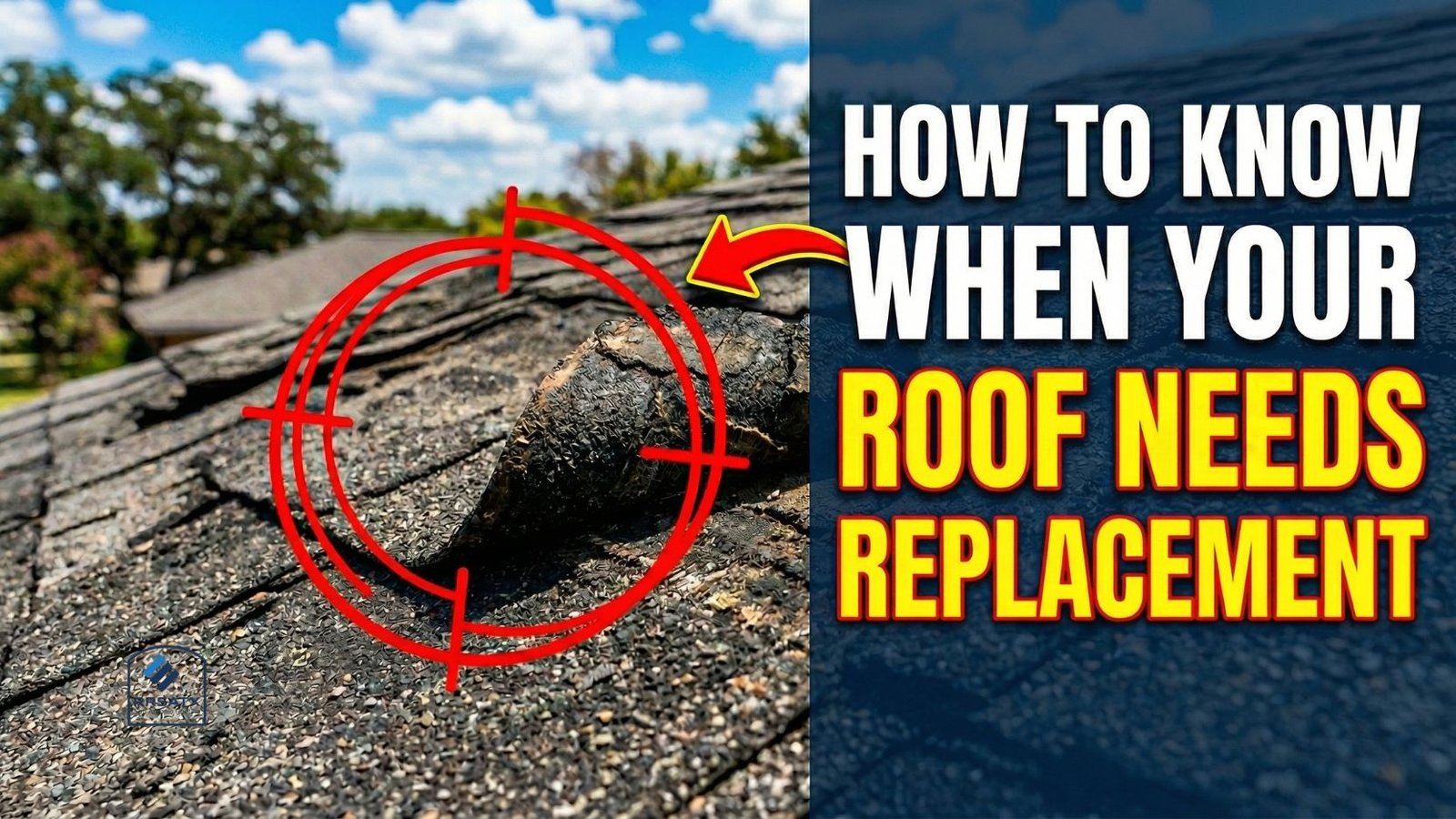
If you’re wondering how to know when your roof needs replacement, the short answer is this: replace your roof when damage is widespread, repairs keep recurring, or the roof has reached the end of its expected lifespan. The clearest signs include multiple leaks, missing or curling shingles, sagging areas, storm damage, mold or rot, and a roof that is 15–20+ years old.
For homeowners and property owners in San Antonio, roof replacement decisions often come down to a mix of age, heat exposure, storm damage, and repair cost versus long-term value. In a climate with intense sun, hail, wind, and sudden storms, roofs can fail earlier than expected if maintenance has been delayed.
What Are The Clearest Signs Your Roof Needs Replacement?
The most reliable signs are widespread deterioration, structural issues, and repeated leaking. If your roof has one isolated problem, a repair may be enough. If problems are showing up in multiple areas, replacement is often the smarter move.
Look for these warning signs:
- Leaks in more than one area
- Water stains on ceilings or walls
- Missing, cracked, curling, or bald shingles
- Sagging rooflines or soft decking
- Granules collecting in gutters
- Visible sunlight in the attic
- Moss, mold, or rot
- Storm damage from hail or wind
- A roof age of 15–20+ years, depending on material
Key takeaway: If your roof has both age-related wear and active water intrusion, replacement should be seriously considered.
How Old Is Too Old For A Roof?
A roof is often considered “old” when it reaches the upper end of its material lifespan or starts failing in multiple places. Age alone does not always mean replacement is required, but it is a major factor.
Here is a simple guide:
| Roofing Material | Typical Lifespan | Replacement Risk Point |
| 3-tab asphalt shingles | 15–20 years | 15+ years |
| Architectural shingles | 20–30 years | 20+ years |
| Metal roofing | 40–70 years | Depends on coating, fasteners, and damage |
| Tile roofing | 40+ years | Often underlayment fails first |
| Flat/commercial membrane | 15–30 years | Depends on ponding, punctures, seams |
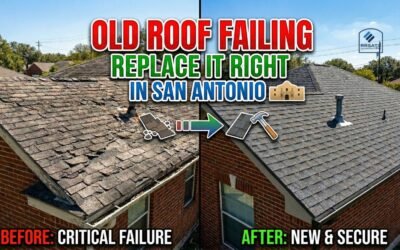
In San Antonio, high UV exposure and storm activity can shorten the lifespan of asphalt roofing. A 17-year-old roof in harsh local conditions may perform more like a much older roof elsewhere.
Can A Leaking Roof Be Repaired, Or Does It Need Full Replacement?
A leaking roof does not always need replacement, but recurring leaks usually point to a larger failure. One small leak around flashing or a vent boot may be repairable. Multiple leaks across different roof sections often suggest the system is breaking down.
Replacement is more likely if:
- Leaks return after prior repairs
- Water damage has spread into decking or insulation
- Shingles are brittle or lifting across large areas
- Storm damage affected many slopes
- The roof is already near the end of its lifespan
Repair may still make sense if:
- The damage is isolated
- The roof is relatively new
- The decking is still sound
- The issue is limited to flashing, sealant, or one section
Key takeaway: If the cost of repeated repairs keeps growing, a full replacement is usually more cost-effective than patchwork fixes.
What Does Storm Damage Look Like On A Roof?
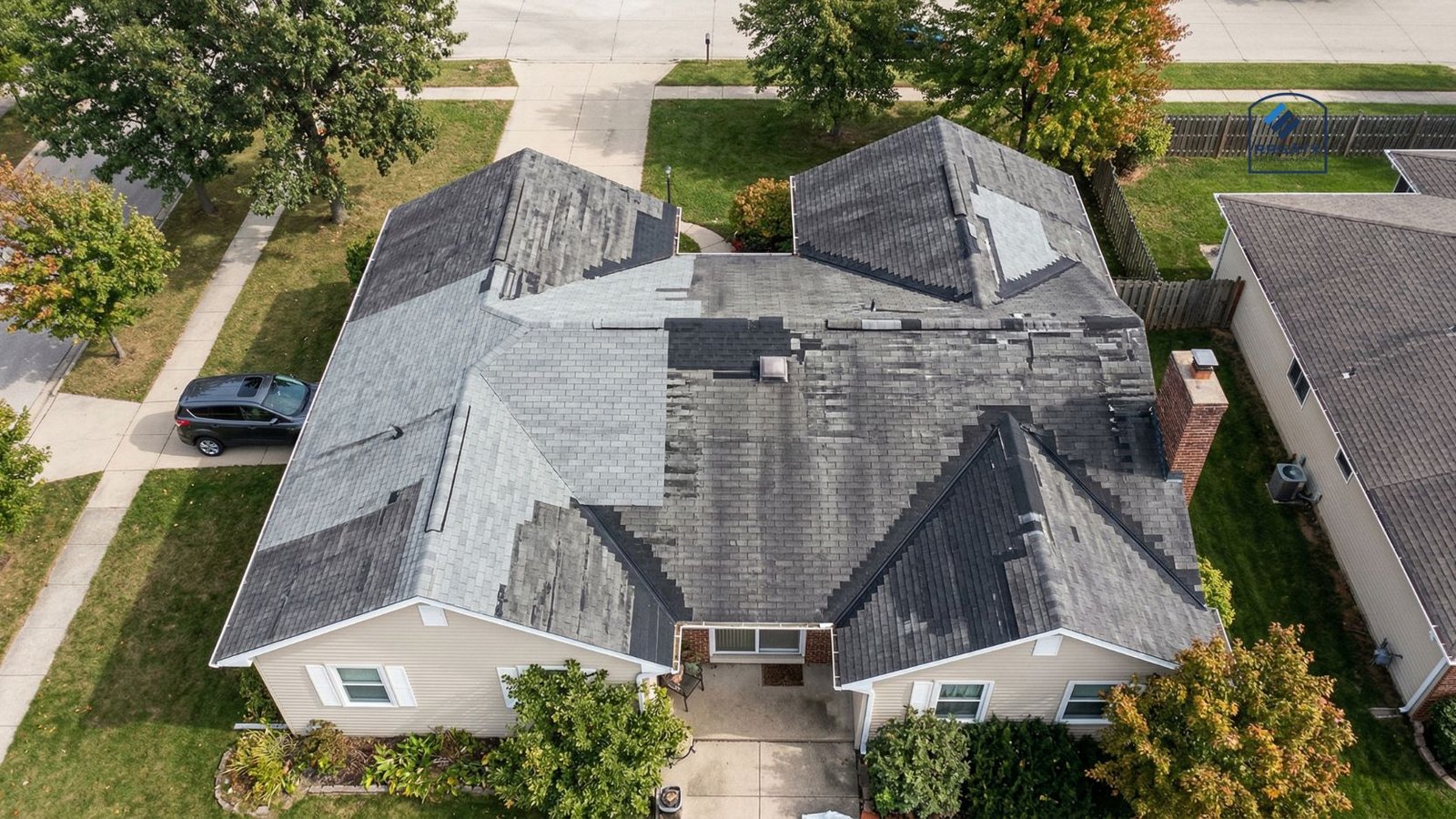
Storm damage often appears as bruised shingles, lifted tabs, missing materials, dents, punctures, or sudden interior leaks. In San Antonio, hail and wind are common reasons roofs need premature replacement.
Common storm-related signs include:
Hail Damage
- Dark impact spots on shingles
- Granule loss
- Soft “bruised” areas
- Cracked shingle mats
- Dents on vents, flashing, or gutters
Wind Damage
- Missing shingles
- Creased or lifted shingles
- Exposed underlayment
- Detached ridge caps
Water Intrusion After Storms
- Ceiling stains
- Damp attic insulation
- Musty odors
- Mold growth
If your roof was recently hit by a severe storm, documenting visible damage quickly is important, especially for insurance claims.
How Do You Know If Roof Replacement Is Better Than Repair?
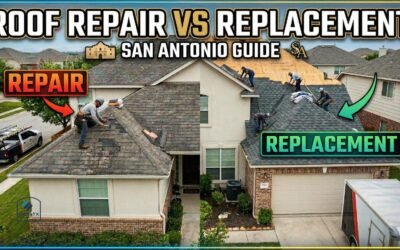
Roof replacement is usually better than repair when damage is extensive, the roof is old, or repair costs approach a large percentage of replacement cost. The decision should be based on condition, not just the immediate price tag.
A replacement is often the better option when:
- Repairs would fix only one part of a failing roof
- The roof has had several prior repairs
- Matching materials is difficult
- Energy efficiency and ventilation are poor
- You are preparing to sell the property
- Insurance may cover storm-related replacement
A repair is often better when:
- Damage is localized
- The roof still has years of useful life
- No structural moisture damage is present
- The repair addresses the actual root cause
For home buyers and sellers, a roof nearing the end of its life can affect inspections, negotiations, and insurance eligibility.
What Are The Signs Of Hidden Roof Damage Inside The Home?
Interior warning signs often show up before the full roof problem is visible from the outside. If you notice moisture indoors, your roof may already have active failure points.
Watch for:
- Brown or yellow ceiling stains
- Peeling paint near the ceiling
- Warped drywall
- Mold in the attic or upper rooms
- Higher energy bills from poor ventilation
- Drafts or hot spots in upper floors
These signs do not always mean full replacement is needed, but they do mean the roof should be inspected promptly.
Do Commercial Roofs Show Different Replacement Warning Signs?
Yes, commercial roofs often fail through membrane damage, seam separation, ponding water, and hidden moisture intrusion. The warning signs are different from sloped residential roofs.
Commercial property owners should look for:
- Ponding water after rain
- Blisters or bubbles in the membrane
- Open seams
- Cracks around rooftop units
- Interior leaks near penetrations
- Saturated insulation
- Repeated patch repairs
For flat or low-slope roofs, even small drainage issues can shorten service life significantly.
Are Roof Inspections Worth It Before Buying, Selling, Or Filing A Claim?
Yes, a roof inspection is worth it when a property is changing hands, showing leak signs, or involved in an insurance claim. It helps document current condition, estimate remaining lifespan, and identify whether repair or replacement is more appropriate.
An inspection is especially useful for:
- Home buyers checking for hidden issues
- Sellers wanting fewer surprises during negotiation
- Owners after hail or wind events
- Insurance documentation
- Budget planning for aging properties
For San Antonio properties, local inspection knowledge matters because heat, storm patterns, and roofing material performance vary by region.
What Should Homeowners In San Antonio Do Next?
If your roof is leaking, storm-damaged, or over 15–20 years old, the next step is a professional roof inspection. Waiting often turns a manageable roofing issue into decking, insulation, or interior repair costs.
Use this simple checklist:
- Check for visible missing or damaged shingles
- Look for ceiling stains or attic moisture
- Review the roof’s approximate age
- Note any recent storm events
- Compare repair history over the last few years
- Schedule an inspection if more than one warning sign is present
Key takeaway: A roof usually needs replacement when the problem is no longer isolated. If your roof has age, recurring leaks, and visible wear together, replacement is often the safest and most economical long-term decision.
FAQs
How Many Leaks Mean You Need A New Roof?
More than one leak does not automatically mean replacement, but multiple leaks in different areas are a strong warning sign. It usually indicates broader system failure rather than one isolated issue.
Should I Replace A 20-Year-Old Roof If It Is Not Leaking Yet?
Possibly. If the roof is near the end of its lifespan and showing curling shingles, granule loss, or storm wear, replacement may be smarter before leaks begin.
Can Insurance Cover Roof Replacement After Storm Damage?
Yes, in some cases. If hail or wind caused covered damage, your policy may help pay for replacement, subject to terms, exclusions, age, and deductible.