Hail storms can cause significant damage to your roof, leading to costly repairs if not addressed promptly. As a homeowner, it’s essential to know how to identify hail damage and how to fix it before the problem escalates. In this guide, we’ll explain how you can repair hail damage, what signs to look for, and when to call in a professional to help.
How to Identify Hail Damage on Your Roof
The first step in repairing hail damage is identifying it. Sometimes, the damage might be subtle, making it difficult to spot. Here’s how you can tell if your roof has been affected:
-
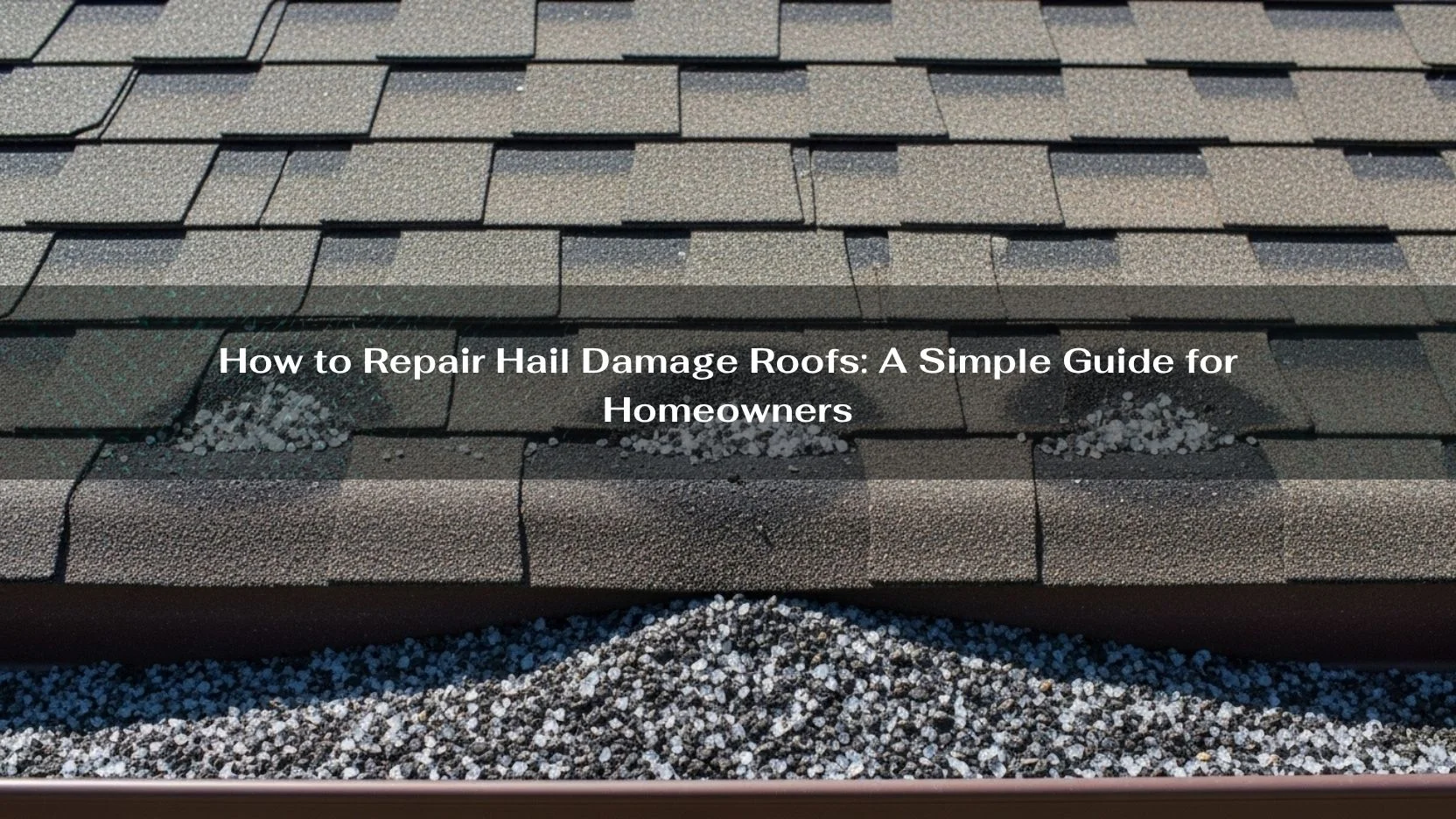
Shingle Damage: Hail can cause shingles to crack, split, or even fall off. You might notice dark spots or missing granules on your shingles.
-
Dents and Bruises: The impact of hail can leave dents or bruises on the surface of shingles. These marks might look like small indentations.
-
Granule Loss: When hail hits shingles, it often knocks off the granules. If you notice a buildup of granules in your gutters, this could be a sign of hail damage.
According to the National Roofing Contractors Association (NRCA), minor damage like this might be hard to spot, but it’s important to check for it regularly. If left unchecked, it could lead to more severe damage over time.
“If you notice cracks or granule loss on shingles, that’s a sign it might be time to call a professional,” says John Doe, a roofing expert.
DIY Roof Repairs for Minor Hail Damage
For small issues like loose shingles or minor granule loss, you might be able to handle the repair yourself. Here’s how you can do it:
Step 1: Gather Your Tools
You’ll need the following tools:
-
Replacement shingles
-
Roofing nails
-
Hammer
-
Ladder
-
Safety gear (gloves, safety glasses)
Step 2: Remove the Damaged Shingles
Use a pry bar to lift the damaged shingles and remove them carefully. If the damage is extensive, replace the entire shingle rather than trying to patch it.
Step 3: Install New Shingles
Place the new shingle where the old one was. Secure it with roofing nails and make sure it’s flush with the surrounding shingles.
“When it’s just a couple of shingles, you might be able to fix it yourself—but always ensure you’re using the proper materials,” suggests Sarah Smith, a DIY enthusiast.
For more information on DIY roof repairs, check out HGTV’s guide on home repairs.
When to Call a Professional Roofer
While minor hail damage can often be repaired by homeowners, severe damage should always be handled by professionals. If you notice any of the following, it’s time to call in a roofing expert:
-
Leaks in Your Roof: Leaks are a sign that water is getting through your roof, which can cause serious structural damage.
-
Extensive Shingle Damage: If large sections of your roof are damaged, it’s better to let a professional handle the replacement.
-
Sagging Roof: A sagging roof could indicate that the underlying structure is compromised and needs immediate attention.
The cost of professional roof repairs varies, but according to HomeAdvisor, it typically ranges from $300 to $1,500, depending on the damage. If you’re unsure whether to repair it yourself, always err on the side of caution and hire a professional.
“If you find yourself up on the roof and unsure about the severity of the damage, it’s best to call a professional,” advises roofing contractor Tom Brown.
Filing an Insurance Claim for Roof Repair
If the hail damage is significant, you may need to file an insurance claim. Here’s how to approach it:
Step 1: Review Your Insurance Policy
Check if your policy covers hail damage. Many homeowners’ insurance policies include hail damage, but it’s important to confirm your coverage.
Step 2: Document the Damage
Take clear photos of the damage on your roof and the surrounding area. Insurance companies will often require documentation for your claim.
Step 3: File Your Claim
Contact your insurance provider and file a claim. Be prepared to provide the photos and any additional information they may ask for.
The Insurance Information Institute explains that filing an insurance claim for hail damage is usually straightforward, but understanding your deductible and coverage options is key.
“Contact your insurance company early to understand how much your policy covers for hail damage,” advises insurance agent Mary Lee.
Conclusion
Repairing hail damage on your roof is essential for maintaining your home’s integrity. Whether you decide to tackle minor repairs yourself or call in a professional, early detection and prompt action are key. If the damage is severe, don’t hesitate to contact an expert. Regular roof inspections can also help catch potential issues before they turn into costly repairs.
Keep in mind that insurance can help cover the costs, so make sure to check your policy and file a claim if necessary. By staying proactive, you can avoid expensive roof repairs and keep your home safe from the elements.