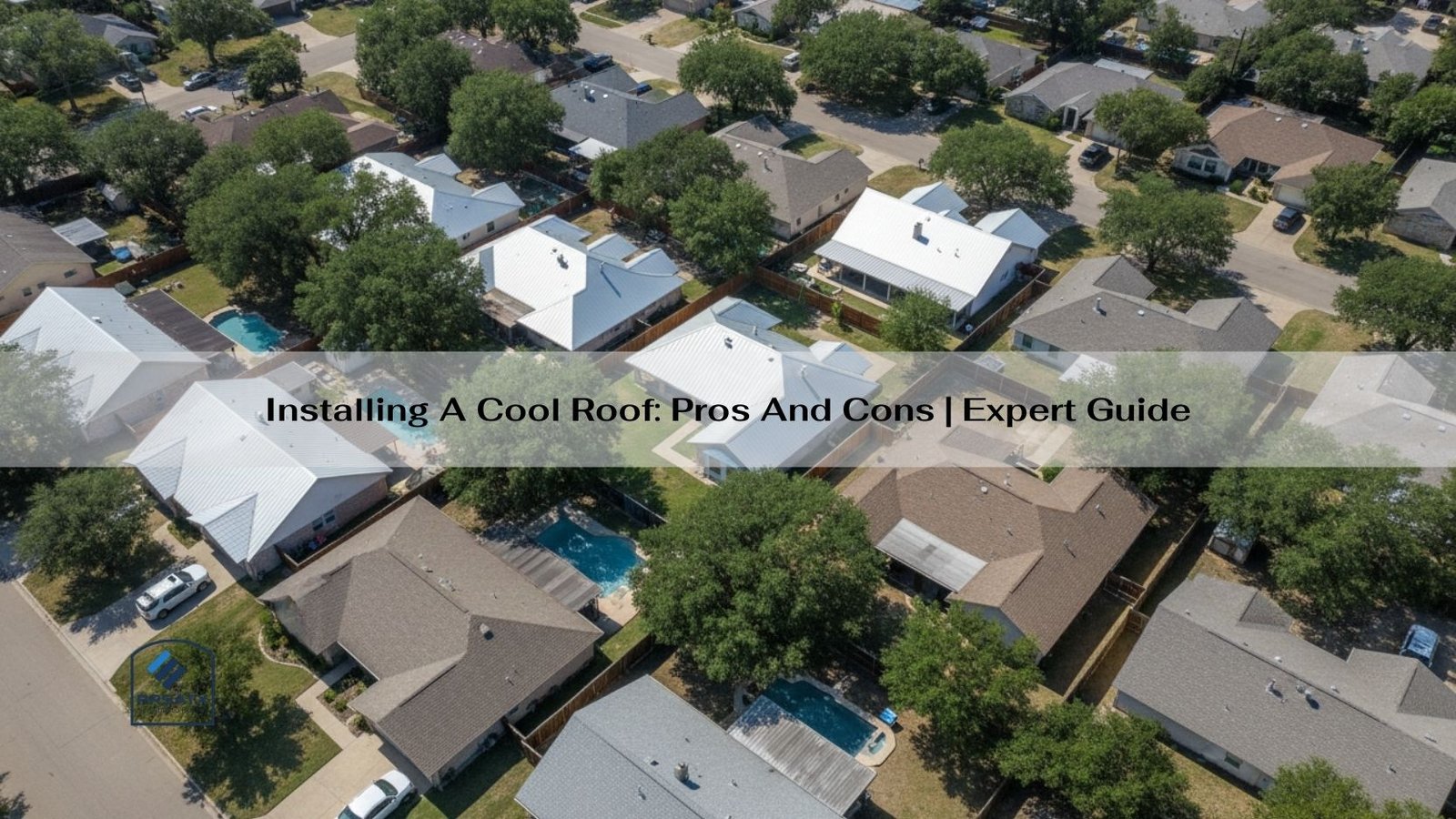
Installing a Cool Roof: Pros and Cons
When temperatures in San Antonio regularly climb past 100°F during summer months, your roof becomes more than just a protective barrier; it transforms into a massive heat absorber that can dramatically impact your home’s energy consumption and comfort. Cool roofs have emerged as a compelling solution for homeowners looking to combat the Texas heat while reducing cooling costs, but like any significant home improvement decision, they come with both advantages and limitations that deserve careful consideration.
This comprehensive guide examines the complete landscape of cool roof installation, breaking down the science behind the technology, analyzing real-world performance data, and providing the practical insights you need to determine whether a cool roof makes sense for your specific situation. Whether you’re planning a complete roof replacement or exploring options to reduce your energy bills, understanding the full spectrum of cool roofing pros and cons will help you make an informed decision that aligns with your long-term goals.
What Is A Cool Roof? Understanding The Technology
A cool roof is specifically designed to reflect more sunlight and absorb less heat than standard roofing materials. While conventional dark-colored roofs can reach temperatures exceeding 150°F on a summer afternoon, cool roofs typically stay 50°F cooler or more under the same conditions, a difference that translates directly into reduced air conditioning demands and lower energy bills.
The concept isn’t entirely new. White or light-colored roofing has existed for decades, particularly in commercial applications. However, modern cool roof technology has evolved significantly, incorporating advanced reflective coatings, specialized pigments, and engineered materials that deliver superior performance across various roofing types. According to research from the Cool Roof Rating Council, these innovations have made cool roofing viable for residential applications in ways that weren’t possible even ten years ago.
What distinguishes a cool roof from simply choosing a light-colored shingle goes deeper than aesthetics. Two key properties define cool roof performance: solar reflectance and thermal emittance. Solar reflectance measures the roof’s ability to reflect sunlight away from the building, rated on a scale from 0 to 1, with higher values indicating better reflectance. Thermal emittance measures how efficiently the roof releases absorbed heat, also rated from 0 to 1.
The most effective cool roofs combine high ratings in both categories. For example, a white thermoplastic polyolefin (TPO) membrane might achieve a solar reflectance of 0.80 and a thermal emittance of 0.90, meaning it reflects 80% of solar radiation and releases 90% of absorbed heat. This dual-action approach explains why cool roofs significantly outperform traditional materials in reducing heat transfer into buildings.
How Cool Roofs Work: The Science Explained
Understanding the mechanisms behind cool roof technology helps clarify why these systems perform differently from conventional roofing. When sunlight strikes any surface, it carries energy across the visible, infrared, and ultraviolet spectrums. Traditional dark roofing materials absorb much of this energy, converting it into heat that conducts downward through roof decking and insulation into your living space.
Cool roofs interrupt this heat transfer process through two primary mechanisms. First, highly reflective surfaces bounce solar radiation back into the atmosphere before it can convert to heat. Special pigments and coatings engineered for cool roofs can reflect portions of the solar spectrum that typical materials absorb, including near-infrared wavelengths that carry substantial thermal energy but remain invisible to the human eye.
This innovation allows manufacturers to produce cool roof products in colors beyond traditional white. Modern “cool color” technology uses specially formulated pigments that reflect infrared radiation while maintaining darker visual appearances. A cool black or dark gray shingle can reflect significantly more heat than a conventional shingle of the same color, though it won’t match the performance of lighter colors.
The second mechanism thermal emittance becomes crucial once heat does penetrate the roof surface. Materials with high emittance readily release absorbed heat as long-wave infrared radiation, preventing it from accumulating and conducting into the building. This property explains why some surfaces feel much hotter to the touch than others even when they appear similar in color.
The combined effect creates a measurable temperature differential. Research conducted by Lawrence Berkeley National Laboratory demonstrates that cool roofs can reduce peak roof surface temperatures by 50-60°F compared to conventional roofing. This temperature reduction translates into decreased heat flow through the roof assembly, lowering ceiling temperatures and reducing the workload on cooling systems.
In hot climates like San Antonio and Houston, this temperature differential directly impacts indoor comfort and energy consumption. When your roof surface temperature drops from 170°F to 110°F, the amount of heat radiating down into your attic space decreases substantially, even if your insulation levels remain constant. The result: your air conditioning system cycles less frequently, runs for shorter durations, and consumes less electricity to maintain comfortable indoor temperatures.
Types Of Cool Roofing Materials
Cool roof technology adapts to various roofing materials and applications, giving property owners multiple options that can accommodate different architectural styles, budget constraints, and performance requirements. Each category offers distinct advantages and considerations.
Cool Roof Coatings
Reflective coatings represent one of the most versatile and cost-effective approaches to cool roofing. These liquid-applied products can transform existing roofs into cool roofs without complete replacement. White elastomeric coatings, acrylic coatings, and specialized reflective coatings bond directly to cleaned and prepared roof surfaces, creating a seamless reflective membrane.
Coating systems work particularly well on low-slope and flat roofs common in commercial applications, though they can also be applied to certain steep-slope residential roofing materials. The primary advantages include lower upfront costs compared to replacement, straightforward application, and the ability to extend the service life of an existing roof while improving its thermal performance.
However, coating effectiveness depends heavily on proper surface preparation and application technique. Incompatible substrates, insufficient cleaning, or improper application can lead to premature coating failure. Additionally, coatings require periodic reapplication typically every 5-15 years depending on the product and environmental exposure to maintain optimal reflectance.
Single-Ply Membranes
For flat and low-slope applications, white TPO and PVC membranes have become dominant cool roofing choices. These synthetic materials achieve exceptional solar reflectance values, often exceeding 0.80 when new. They’re mechanically attached or adhered to the roof deck, creating durable, weather-resistant systems that can last 20-30 years with proper maintenance.
White EPDM (ethylene propylene diene monomer) represents another single-ply option, though it typically exhibits lower reflectance than TPO or PVC. The material’s flexibility and proven durability make it attractive for certain applications, particularly where darker colors won’t significantly compromise energy performance.
Cool Asphalt Shingles
Asphalt shingles remain the most common residential roofing material in the United States, and manufacturers have responded to cool roof demand by developing shingles with enhanced reflective properties. Cool asphalt shingles incorporate special granules coated with reflective pigments that increase solar reflectance while maintaining aesthetic appeal.
These products offer homeowners a familiar installation process, broad color selections, and competitive pricing. The energy savings typically don’t match white membrane systems, but cool asphalt shingles deliver measurable improvements over standard shingles, particularly when choosing lighter colors. Many carry Energy Star certification, indicating they meet specific reflectance standards for steep-slope applications.
Metal Roofing
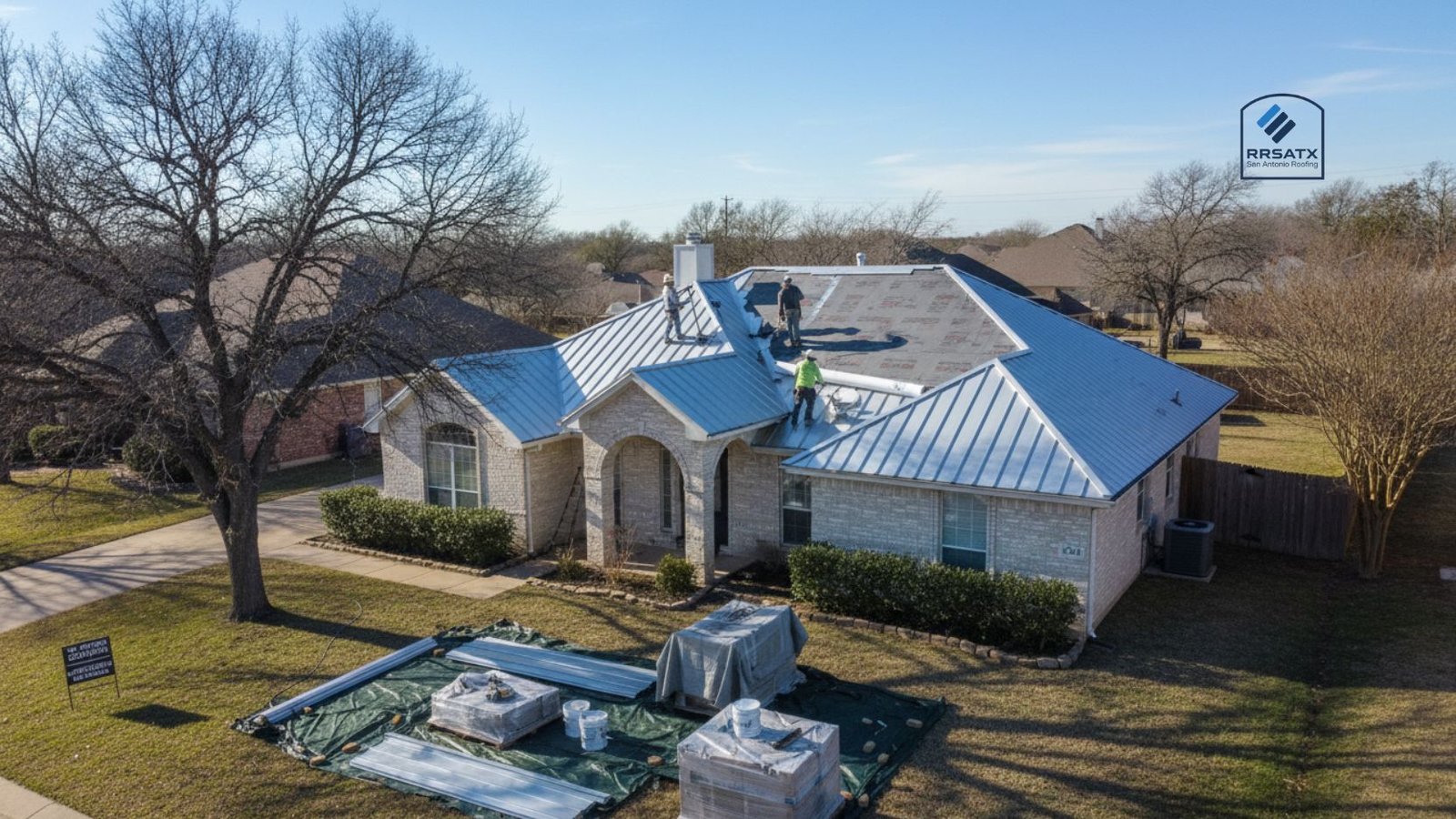
Metal roofing systems excel as cool roof candidates, especially when finished with reflective coatings or factory-applied cool color paint systems. Standing seam metal roofs with light-colored or bare metal finishes can achieve solar reflectance values comparable to single-ply membranes while offering exceptional durability and longevity.
The inherent emittance of metal surfaces contributes to thermal performance even when reflectance values are moderate. Additionally, metal roofing’s dimensional stability and resistance to degradation help maintain reflective properties over time. Premium cool metal roofing systems can last 40-50 years or more, making them attractive long-term investments despite higher initial costs.
Tile And Slate
Clay and concrete tiles naturally offer good cool roofing performance when manufactured in light colors or treated with reflective glazes. Terra cotta tiles, for instance, provide both durability and reasonable solar reflectance, making them popular in hot climates throughout the southwestern United States.
Slate, while less reflective than light-colored tiles, offers extreme longevity and low maintenance requirements. Some slate varieties exhibit natural cool roof properties, though performance varies based on color and composition.
The Advantages Of Installing A Cool Roof
Installing a cool roof delivers multiple benefits that extend beyond simple energy savings. Understanding the full scope of advantages helps contextualize the investment and potential return.
Substantial Energy Cost Reduction
The most quantifiable benefit comes from reduced cooling costs. In hot climates, homeowners report air conditioning energy savings ranging from 10-30% after cool roof installation, with the actual reduction depending on factors including home insulation levels, HVAC efficiency, thermostat settings, and local climate conditions.
For a typical San Antonio home consuming $2,400 annually on cooling, a 15% reduction translates to $360 in yearly savings. Over a 20-year roof lifespan, that compounds to $7,200 in cumulative savings enough to offset a significant portion of installation costs. In commercial buildings with extensive flat roof areas and high cooling demands, the savings often prove even more dramatic.
These calculations assume stable energy prices. If electricity rates increase over time as historical trends suggest they will, the actual savings may substantially exceed conservative estimates.
Enhanced Indoor Comfort
Lower roof surface temperatures create more comfortable indoor environments, particularly in rooms directly below the roof. Many homeowners report noticeable improvements in upstairs bedroom comfort and reduced temperature stratification between floors.
This comfort benefit extends beyond measurable temperature reductions. When ceiling temperatures decrease, the perceived comfort level improves even if the thermostat reading remains constant. The effect resembles the difference between standing in direct sunlight versus shade; both might register the same air temperature, but the radiant heat load dramatically affects how temperature feels.
Extended Roof Lifespan
High temperatures accelerate roofing material degradation. Thermal cycling the expansion and contraction that occurs as materials heat and cool causes fatigue damage over time. Reduced surface temperatures minimize this thermal stress, potentially extending roof service life by several years.
According to studies from the Department of Energy, cooler operating temperatures can slow the aging process for asphalt shingles, reduce membrane shrinkage in single-ply systems, and decrease thermal stress on fasteners and seams. While these benefits are harder to quantify than energy savings, they represent real economic value through deferred replacement costs.
Reduced Urban Heat Island Effect
Beyond individual property benefits, cool roofs contribute to mitigating the urban heat island effect, the phenomenon where cities experience significantly higher temperatures than surrounding rural areas due to dark surfaces and reduced vegetation. Wide-scale cool roof adoption can lower ambient urban temperatures, reducing regional energy demand and improving air quality.
While this community-level benefit might not directly impact individual homeowners’ decision-making, it represents meaningful environmental stewardship. Cities including Houston have recognized this potential through programs encouraging cool roof adoption in both residential and commercial construction.
Improved HVAC Longevity
Air conditioning systems working under reduced loads experience less wear and tear. When your roof stays cooler, your HVAC system runs fewer cycles and operates for shorter durations to maintain desired temperatures. This reduced workload can extend equipment lifespan and decrease maintenance requirements, delivering additional cost savings beyond direct energy consumption.
Potential Rebates And Incentives
Various utility companies, local governments, and state programs offer incentives for cool roof installation as part of energy efficiency initiatives. These programs can offset installation costs through rebates, tax credits, or reduced permit fees. Availability and amounts vary by location and change over time, making it worthwhile to research current programs when planning a cool roof installation.
The Drawbacks And Limitations Of Cool Roofs
Despite their advantages, cool roofs aren’t universally beneficial. Several limitations and potential drawbacks deserve consideration before committing to installation.
Higher Upfront Costs
Cool roofing materials and coatings typically cost more than conventional alternatives. Premium reflective coatings, cool color asphalt shingles, and white membrane systems command price premiums ranging from 10-40% over standard products. While long-term energy savings often justify these higher initial costs, the upfront investment requires available capital or financing.
For homeowners on tight budgets or those planning to sell properties in the near term, the payback period might exceed their ownership timeline, making cool roofs less financially attractive than cheaper conventional alternatives.
Increased Heating Costs In Cold Climates
Cool roofs’ heat-rejection properties work year-round, which becomes problematic in cold climates where solar heat gain provides beneficial passive heating during winter months. A highly reflective roof that reduces cooling costs in summer can increase heating costs in winter by reflecting away solar radiation that would otherwise warm the building.
This heating penalty varies based on climate, building insulation, heating system efficiency, and the balance between heating and cooling degree days in your location. In predominantly heating-dominated climates, think northern states with long, cold winters, cool roofs often create net negative energy impacts. However, in cooling-dominated regions like central and south Texas, the cooling benefits substantially outweigh minimal heating penalties.
Aesthetics And Color Limitations
While cool color technology has expanded beyond traditional white, the most effective cool roofs still utilize light colors. Homeowners preferring darker roof colors for aesthetic reasons must accept reduced thermal performance compared to lighter options, even when using cool color products.
Architectural styles that traditionally feature dark roofing may not accommodate light-colored roofs without compromising visual appeal. Historical neighborhoods with design guidelines might restrict color choices, limiting cool roof options. Additionally, some homeowners simply prefer the look of traditional dark roofing, making the aesthetic trade-off unacceptable regardless of performance benefits.
Maintenance Challenges
Cool roofs rely on maintaining high reflectance to deliver optimal performance. Dirt accumulation, algae growth, and weathering can reduce solar reflectance over time, degrading energy savings. While rainfall provides some natural cleaning, many cool roofs require periodic professional cleaning to restore reflectance, an ongoing maintenance expense that reduces net savings.
Light-colored roofs also show dirt, stains, and discoloration more readily than dark materials, creating potential aesthetic concerns. In areas prone to algae or mold growth, maintaining the clean appearance of white or light-colored roofs may require more frequent intervention than conventional dark roofing.
Performance Degradation Over Time
All roofing materials degrade over time, but reflectance loss represents a particular concern for cool roofs. Research indicates that reflectance values can decline 10-20% or more during the first few years of service due to dirt accumulation and weathering. While many products stabilize at lower but still effective reflectance levels, the initial high performance isn’t permanent.
Some coating systems require reapplication every 5-15 years to maintain effectiveness, creating recurring costs that must be factored into lifecycle analysis. Even permanent materials like metal roofing can experience reflectance degradation if protective finishes fail or oxidation occurs.
Limited Benefits For Well-Insulated Homes
Homes with exceptional attic insulation may experience diminished cool roof benefits. High R-value insulation already minimizes heat transfer from hot roof surfaces into living spaces, meaning the incremental benefit of reducing roof temperature delivers smaller energy savings. While cool roofs still provide benefits even in well-insulated homes, the magnitude of savings decreases as insulation quality improves.
This doesn’t make cool roofs counterproductive for well-insulated homes, but it suggests that homeowners should prioritize achieving adequate insulation before investing in premium cool roofing if energy efficiency is the primary goal.
Cool Roof Performance In Different Climates
Geographic location dramatically influences cool roof effectiveness. Understanding climate-specific performance helps determine whether cool roofing makes sense for your particular situation.
Hot-Humid Climates (San Antonio, Houston, South Texas)
Hot-humid climates represent ideal conditions for cool roof performance. Long cooling seasons, intense solar radiation, and minimal heating requirements create the perfect scenario for maximizing cool roof benefits. In San Antonio and Houston, where cooling degree days vastly outnumber heating degree days, cool roofs deliver substantial energy savings with negligible heating penalties.
High humidity levels do present maintenance challenges, as moist conditions promote algae and mold growth on light-colored surfaces. Selecting materials with antimicrobial properties or planning for periodic cleaning helps mitigate these concerns without negating overall performance benefits.
Hot-Dry Climates (West Texas, Desert Regions)
Desert climates share many characteristics with hot-humid regions regarding cooling dominance, but lower humidity levels reduce biological growth concerns. Cool roofs perform exceptionally well in these environments, delivering maximum energy savings with minimal maintenance complications.
The intense solar radiation common in desert regions accelerates conventional roof degradation, making the lifespan-extension benefits of cool roofing particularly valuable. Additionally, the dramatic day-night temperature swings characteristic of desert climates create significant thermal cycling stress that cool roofs help mitigate.
Mixed Climates (Transitional Zones)
Locations experiencing both significant heating and cooling loads require careful cool roof evaluation. The key question becomes whether cooling season savings exceed heating season penalties. Computer modeling tools can estimate this balance based on local weather data, building characteristics, and energy costs.
In many mixed climates, cool roofs still deliver net positive benefits, particularly for buildings with substantial internal heat loads that require cooling even during mild weather. However, the margin of benefit narrows compared to cooling-dominated regions.
Cold Climates (Northern States)
Cool roofs generally underperform in cold climates where heating requirements dominate. The solar heat gain blocked by reflective roofing during summer represents wanted passive heating during long winter months. Unless buildings have specialized cooling requirements year-round such as data centers or facilities with high internal heat loads, cool roofs rarely make economic sense in predominantly cold climates.
Some studies suggest selective use of cool roofs on sun-exposed portions of buildings in cold climates while using conventional materials on shaded areas, but this approach adds complexity that may not justify marginal benefits.
Cost Analysis: Investment And Payback Period
Understanding the complete financial picture requires examining both upfront costs and long-term returns. Cool roof economics vary significantly based on material selection, installation scope, and local conditions.
Material And Installation Costs
Cool roofing costs depend heavily on the specific product and application method:
Cool Roof Coatings: $0.75-$3.00 per square foot installed, making them the most economical option for existing roofs. Professional surface preparation and multi-coat application systems increase costs toward the higher end of this range.
Cool Asphalt Shingles: $350-$550 per square (100 sq ft) installed, representing a modest 10-20% premium over standard architectural shingles. Total project costs for typical residential applications range from $7,000-$15,000 depending on roof size and complexity.
White Single-Ply Membranes: $4.00-$8.00 per square foot installed for TPO or PVC systems. Commercial-scale installations typically achieve lower per-unit costs than small residential projects.
Cool Metal Roofing: $7.00-$12.00 per square foot installed for standing seam systems with cool color finishes. Premium products and complex roof geometries push costs higher.
These ranges reflect typical market conditions but vary based on regional labor rates, project accessibility, material availability, and contractor competition.
Energy Savings Calculations
Estimating energy savings requires considering multiple variables:
- Local climate and cooling degree days
- Current roof characteristics and condition
- Home insulation levels
- HVAC system efficiency
- Electricity rates
- Occupant behavior and thermostat settings
A 2,000-square-foot home in San Antonio with moderate insulation might spend $2,400 annually on cooling. A cool roof reducing consumption by 15% saves $360 per year. At this rate, a $1,500 coating project pays for itself in just over four years, while a $12,000 cool roof replacement requires 33 years for simple payback.
However, these calculations become more favorable when accounting for avoided roof replacement costs, HVAC equipment longevity, increased comfort value, and potential electricity rate increases. When comparing cool roof replacement against conventional roof replacement rather than against doing nothing the incremental cost difference might be only $1,500-$3,000, making payback much more attractive.
Return On Investment Analysis
Comprehensive ROI analysis should include:
- Net installation cost (cool roof cost minus conventional roof cost)
- Annual energy savings
- Available rebates and incentives
- Extended roof lifespan value
- Avoided HVAC maintenance costs
- Potential resale value impact
Using our San Antonio example with a $3,000 incremental cost for cool shingles over conventional shingles, $360 annual savings, and a $500 utility rebate, the adjusted payback period drops to approximately seven years well within the expected roof lifespan. After payback, the cool roof continues delivering savings for the remainder of its service life, creating substantial long-term value.
Installation Considerations And Best Practices
Proper installation determines whether cool roofs deliver their promised benefits. Several critical factors deserve attention during planning and execution.
Choosing The Right Product
Product selection should balance performance, durability, aesthetics, and cost. Consider these factors:
Climate suitability: Verify that the product delivers net positive benefits in your specific climate zone. Energy Star provides climate-specific guidance for product selection.
Code compliance: Ensure the selected material meets local building codes and fire ratings. Some jurisdictions mandate specific reflectance values for new construction or re-roofing projects.
Warranty coverage: Review manufacturer warranties carefully, noting coverage duration, performance guarantees, and maintenance requirements that might void protection.
Color options: Determine whether available colors accommodate your aesthetic preferences and any neighborhood covenant restrictions.
Surface Preparation Requirements
Cool roof coating success depends critically on proper surface preparation. Contractors must:
- Remove all loose material, dirt, and debris
- Repair damaged areas and seal penetrations
- Apply primers compatible with substrate materials
- Address moisture issues before coating application
- Allow adequate drying time between preparation and coating
Inadequate preparation represents the primary cause of premature coating failure. Investing in thorough preparation pays dividends through improved performance and longevity.
Professional Installation VS. DIY
While some homeowners attempt DIY cool roof projects, professional installation offers significant advantages:
Expertise: Experienced contractors understand product-specific application requirements, can identify and address underlying issues, and deliver consistent quality.
Equipment: Professional crews use specialized equipment for surface preparation, material application, and safety compliance that most homeowners don’t possess.
Warranty protection: Many manufacturer warranties require professional installation. DIY projects may void product guarantees.
Safety: Roof work involves inherent dangers. Professional roofers maintain proper safety equipment and training to minimize accident risks.
For complex projects, steep roofs, or premium materials, professional installation typically proves worthwhile despite higher costs. Simple coating applications on accessible low-slope roofs might accommodate capable DIY approaches, but thorough research and proper safety precautions remain essential.
Timing And Weather Considerations
Installation timing affects both cost and quality. Consider:
Seasonal pricing: Roofing contractors often offer better rates during slower seasons (typically late fall and winter in Texas). However, avoid installation during extended cold or wet periods that compromise material performance.
Weather windows: Many cool roof products require specific temperature ranges and dry conditions during application and curing. Plan installations around favorable weather forecasts.
Urgency factors: Emergency replacements forced by storm damage may not allow optimal timing selection. When possible, plan proactive replacements during favorable conditions.
Maintenance Requirements And Longevity
Cool roofs require ongoing attention to maintain optimal performance and appearance. Understanding maintenance needs helps set realistic expectations and budget for lifecycle costs.
Cleaning And Reflectance Restoration
Dirt accumulation represents the primary cause of reflectance degradation. Maintenance protocols should include:
Regular inspections: Visual inspections twice annually identify dirt buildup, biological growth, and damage requiring attention.
Periodic cleaning: Most cool roofs benefit from professional cleaning every 2-5 years, depending on environmental conditions. Areas with high dust levels, proximity to vegetation, or humid conditions may require more frequent cleaning.
Gentle techniques: Use low-pressure washing with approved cleaning solutions. Avoid abrasive methods that might damage reflective coatings or finishes.
Biological growth control: Address algae, moss, or mold promptly using appropriate biocides. Some products incorporate antimicrobial additives that slow biological growth.
Damage Repair And Coating Renewal
Cool roofs require the same leak prevention and structural maintenance as conventional roofs, plus specific concerns:
Coating reapplication: Elastomeric and acrylic coatings typically require renewal every 10-15 years. Some high-performance products extend this interval to 20 years.
Touch-up repairs: Address localized damage promptly to prevent moisture infiltration and maintain continuous reflective coverage.
Finish protection: Metal roofing finishes may require periodic treatment to maintain reflective properties and prevent oxidation.
Expected Lifespan By Material Type
Cool roof longevity varies by material:
Coated systems: 10-20 years with proper maintenance and recoating Cool asphalt shingles: 20-30 years, potentially extended by reduced thermal stress Single-ply membranes: 20-30 years with appropriate maintenance Cool metal roofing: 40-50+ years when properly maintained Tile and slate: 50-100+ years with minimal degradation
These estimates assume professional installation, appropriate product selection, and consistent maintenance. Neglected roofs or products installed in unsuitable conditions may fail prematurely.
Is A Cool Roof Right For Your Home?
Determining whether cool roofing makes sense for your specific situation requires evaluating multiple factors beyond simple energy savings calculations.
When Cool Roofs Make Excellent Sense
Cool roofing represents a smart investment when:
- You live in a cooling-dominated climate like San Antonio or Houston
- Your home has significant sun exposure and minimal roof shading
- You’re replacing an existing roof and can minimize incremental costs
- Energy efficiency and environmental responsibility align with your values
- You plan to own the property long enough to realize payback
- Available rebates or incentives improve economic attractiveness
- You value enhanced comfort alongside energy savings
When To Consider Alternatives
Cool roofs might not be optimal if:
- You live in a heating-dominated climate with minimal cooling requirements
- Aesthetic preferences strongly favor dark roof colors
- The property will sell before payback occurs
- Budget constraints make incremental costs prohibitive
- Existing insulation improvements would deliver better ROI
- Neighborhood covenants restrict light-colored roofing
- The existing roof has substantial remaining service life
Making An Informed Decision
Follow this decision framework:
- Assess current roof condition: Determine whether replacement is necessary or if the existing roof can continue serving adequately.
- Evaluate energy efficiency: Consider whether improving insulation or HVAC efficiency might deliver better returns than cool roofing.
- Calculate climate-specific savings: Use online calculators or consult with energy auditors to estimate realistic savings for your location.
- Research available products: Compare options that balance performance, cost, aesthetics, and longevity.
- Obtain multiple quotes: Solicit proposals from reputable contractors, ensuring they understand cool roof installation requirements.
- Factor in total costs: Include maintenance, potential rebates, and long-term value when comparing alternatives.
- Verify contractor credentials: Select licensed, insured contractors with demonstrated cool roof experience and positive customer reviews.
Make The Right Roofing Decision For Your Texas Home
Installing a cool roof represents a significant investment that delivers measurable benefits in appropriate circumstances. For homeowners in San Antonio, Houston, and similar cooling-dominated climates, cool roofs offer compelling advantages through reduced energy costs, enhanced comfort, and extended roof longevity. However, the decision requires careful evaluation of your specific situation, weighing upfront costs against long-term returns while considering aesthetic preferences and practical constraints.
The most successful cool roof projects begin with thorough planning, realistic expectations, and professional execution. Whether you choose reflective coatings, cool shingles, or premium metal roofing, partnering with experienced contractors ensures proper installation and long-term performance.
At RRSATX: San Antonio Roofing Company, our family-owned team brings 25 years of roofing expertise to every project. We understand the unique challenges Texas weather presents and can help you determine whether cool roofing makes sense for your home. Our comprehensive approach includes:
- Free 12-point roof inspections that assess your current roof condition and identify opportunities for improvement
- Transparent pricing with detailed written estimates that explain all costs and options
- Expert guidance on material selection, balancing performance, aesthetics, and budget
- Quality installation backed by our commitment to workmanship that stands up to South Texas weather
- Clear communication throughout the project, keeping you informed every step of the way
Don’t wait until your roof fails to explore your options. Whether you’re planning a replacement, considering cool roof technology, or simply want to understand your roof’s current condition, our team is ready to provide the honest, professional service San Antonio homeowners have trusted since 2000.
Get your FREE roof inspection today! Call us anytime: 713-504-2341, Email: info@roofrepairsanantoniotx.com
We’re open 24 hours and proudly serve San Antonio, Houston, and surrounding areas. Let our certified team help you make an informed roofing decision that protects your home and your investment for decades to come.