Replacing a roof in winter might sound risky, but with today’s materials and techniques, it’s often a safe and practical option. Many homeowners ask this question because winter brings concerns about cold temperatures, ice, and installation quality. This guide breaks everything down in simple terms so you can feel confident about your decision.
Can You Replace a Roof in Winter?
Yes you can replace a roof in winter, and many professionals do it every year. Modern tools and installation methods make it possible even when the weather is cold.
A contractor put it simply: “People think winter stops roofing, but that’s not true. We work year-round with the right gear and planning.”
Roofing experts also note that winter roof work is common in colder states. You can learn more from insights shared by Angi roofing experts.
How Cold Weather Affects Roofing Materials
Cold weather does affect certain materials, especially asphalt shingles. They become less flexible, which means installers must handle them carefully.
According to trends shared on HomeAdvisor roof replacement guides, professional crews often store shingles in warm trucks until they are needed. This prevents cracking and helps keep the installation smooth.
Metal roofing and rubber membrane systems, on the other hand, handle cold temperatures very well.
A homeowner shared on a forum, “Our roofer replaced our shingles in January. They used warming blankets and the roof looks perfect even three years later.”
Why Some Roofers Prefer Winter Work
Believe it or not, many roofing companies say winter is actually a great time for roof replacement. The spring and summer seasons get packed, so winter often means faster scheduling and shorter wait times.
One roofer said, “Winter keeps our schedule steady. Homeowners are surprised when we finish faster than in spring.”
This lines up with what many people write in Yelp roofing company reviews winter projects often start sooner and end quicker.
Safety and Quality Considerations
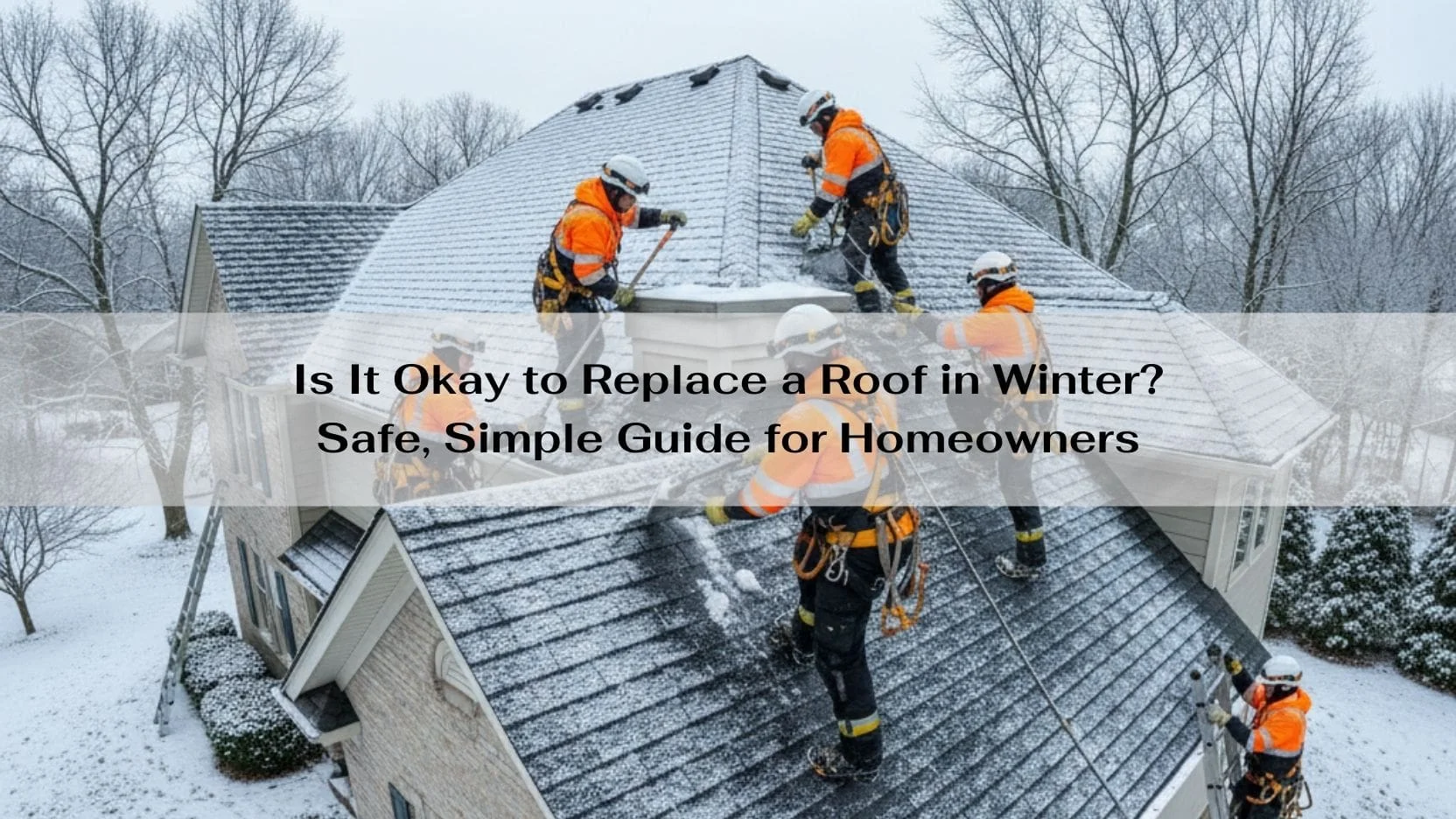
Safety is always the top priority. Experienced crews know how to deal with ice, snow, and slippery surfaces. They use special boots, harnesses, and tools designed for cold-weather work.
Real-world stories from Reddit home renovation insights show that trained installers take steps like:
- Clearing snow before starting
- Using heaters to warm materials
- Checking seal strips carefully
Cold temperatures can slow down the sealing process on shingles, especially self-sealing types. But roofers use hand-sealing techniques when needed to make sure everything bonds correctly.
When Winter Roof Replacement Is Not Ideal
There are cases where winter isn’t the best time for a roof replacement.
If temperatures drop extremely low (often below 20°F) or if heavy storms are in the forecast, roofers may delay the job. Some homes with steep or complex roof structures also need clearer weather.
You can learn more about how different materials behave on the Wikipedia roofing materials overview.
Still, these situations are the exception, not the rule. Most winter days allow safe and reliable roofing work.
Final Answer: Is It Okay?
Yes, replacing a roof in winter is safe and effective when handled by trained roofing professionals. Modern materials and tools make cold-weather installation dependable. Homeowners often enjoy quicker scheduling, stable pricing, and strong results.
If your roof is leaking, damaged, or aging, winter might actually be the right time to take action rather than waiting for spring.