If you own a rental property, the roof is one of the most important parts of the building. When it starts to fail, tenants notice fast. Many landlords say the same thing: “One small leak turned into nonstop calls.”
Installing a new roof for rental properties is a big decision, but it can protect your income, reduce repairs, and keep tenants happy. This how-to guide explains when to replace a roof, how to choose the right material, and what to expect financially.
Know the Signs Your Rental Property Needs a New Roof
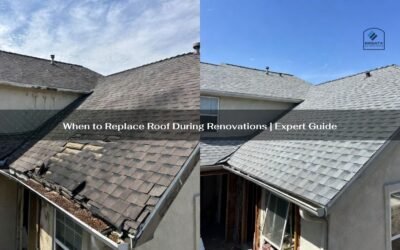
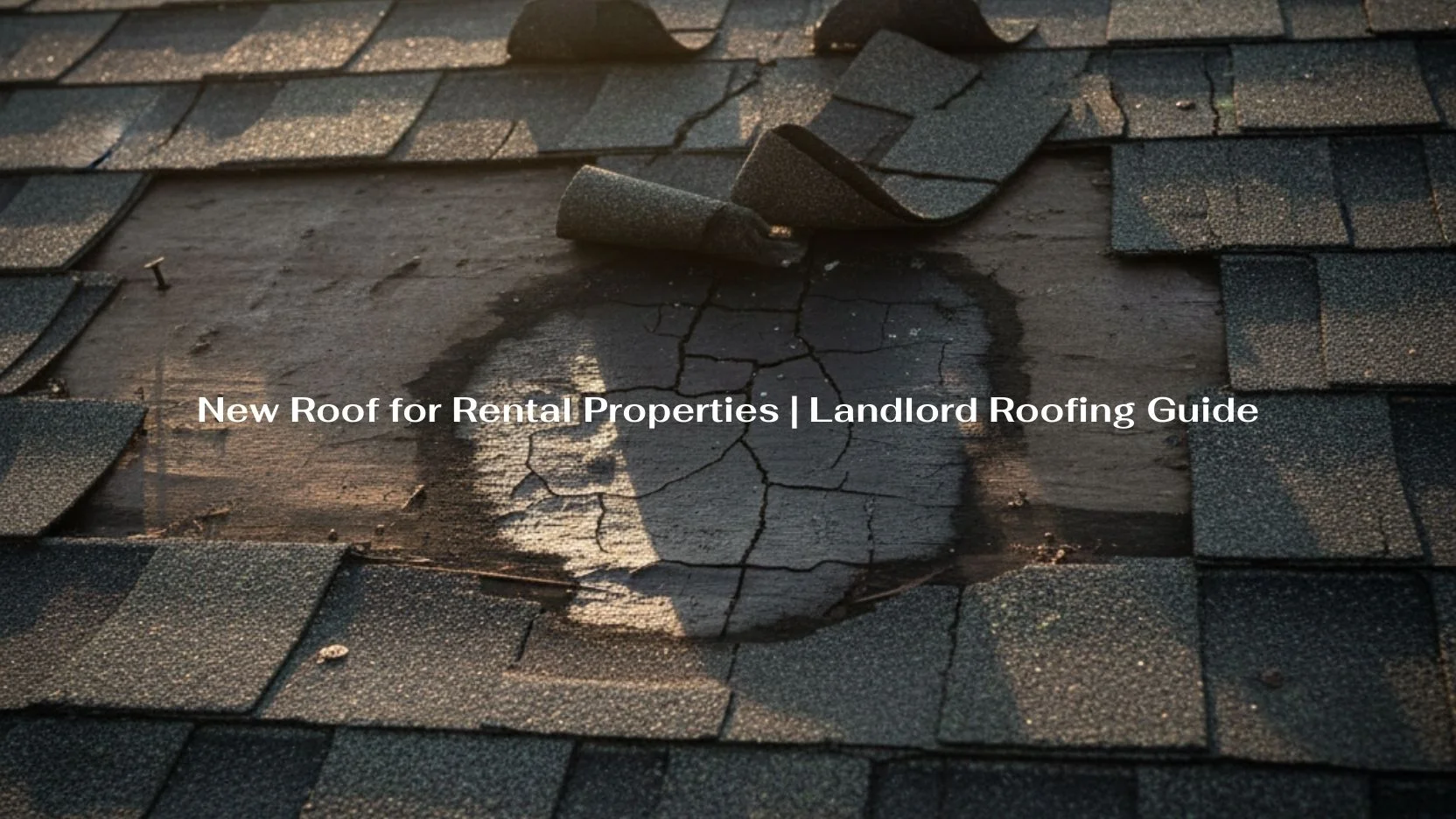
Aging roofs cause problems long before they fully fail. Common warning signs include missing shingles, water stains, mold smells, and repeat tenant complaints.
According to roof lifespan by material explained by HomeAdvisor, asphalt shingle roofs often last 20–30 years, while metal and tile roofs can last much longer when maintained.
One landlord shared, “I kept patching the same spot every year. Replacing the roof finally stopped the cycle.”
If repairs keep coming back, replacement is often the smarter long-term move.
Choose the Right Roofing Material for Rentals
Rental properties need roofing that balances cost, durability, and low maintenance.
Data from average roof replacement cost for rentals on Angi shows asphalt shingles are often the most affordable upfront option, while metal roofs cost more but last longer and need fewer repairs.
A property owner explained it simply: “I paid more for metal once, and now I don’t worry about it.”
Choosing a durable material can lower maintenance costs and reduce tenant disruptions.
How a New Roof Protects Your Rental Income
Roof problems can lead to tenant frustration, property damage, and even vacancy. A new roof helps prevent these issues.
Based on rental property maintenance best practices discussed in landlord forums on Reddit, properties with fewer maintenance issues tend to keep tenants longer.
One landlord noted, “After the roof replacement, the maintenance calls dropped almost overnight.”
Fewer repairs mean lower expenses and steadier rental income.
Understand Tax and Financial Considerations
For rental owners, a new roof is usually considered a capital improvement. That means the cost is spread out over time instead of deducted all at once.
The depreciation rules for rental property improvements explained by The Tax Adviser help landlords understand how roofing costs may be recovered through depreciation.
As one investor put it, “Knowing the tax treatment helped me plan the timing better.”
Always consult a tax professional before making financial decisions.
Hire the Right Roofing Contractor
Choosing the right contractor matters just as much as the roof itself. Look for licensed, insured professionals with experience in rental properties.
Reviews from landlord reviews of roofing contractors on Yelp show that reliable contractors communicate clearly and finish work on time.
One landlord said, “The cheapest quote wasn’t the best choice. The right contractor saved me headaches.”
Always check references and written warranties before signing a contract.
Conclusion: Is a New Roof Worth It for Rental Properties?
A new roof for rental properties is a smart investment when repairs become frequent or the roof reaches the end of its life. It protects your building, keeps tenants satisfied, and helps stabilize rental income.
By planning ahead, choosing durable materials, and hiring the right contractor, you can avoid emergencies and make a decision that supports long-term value.