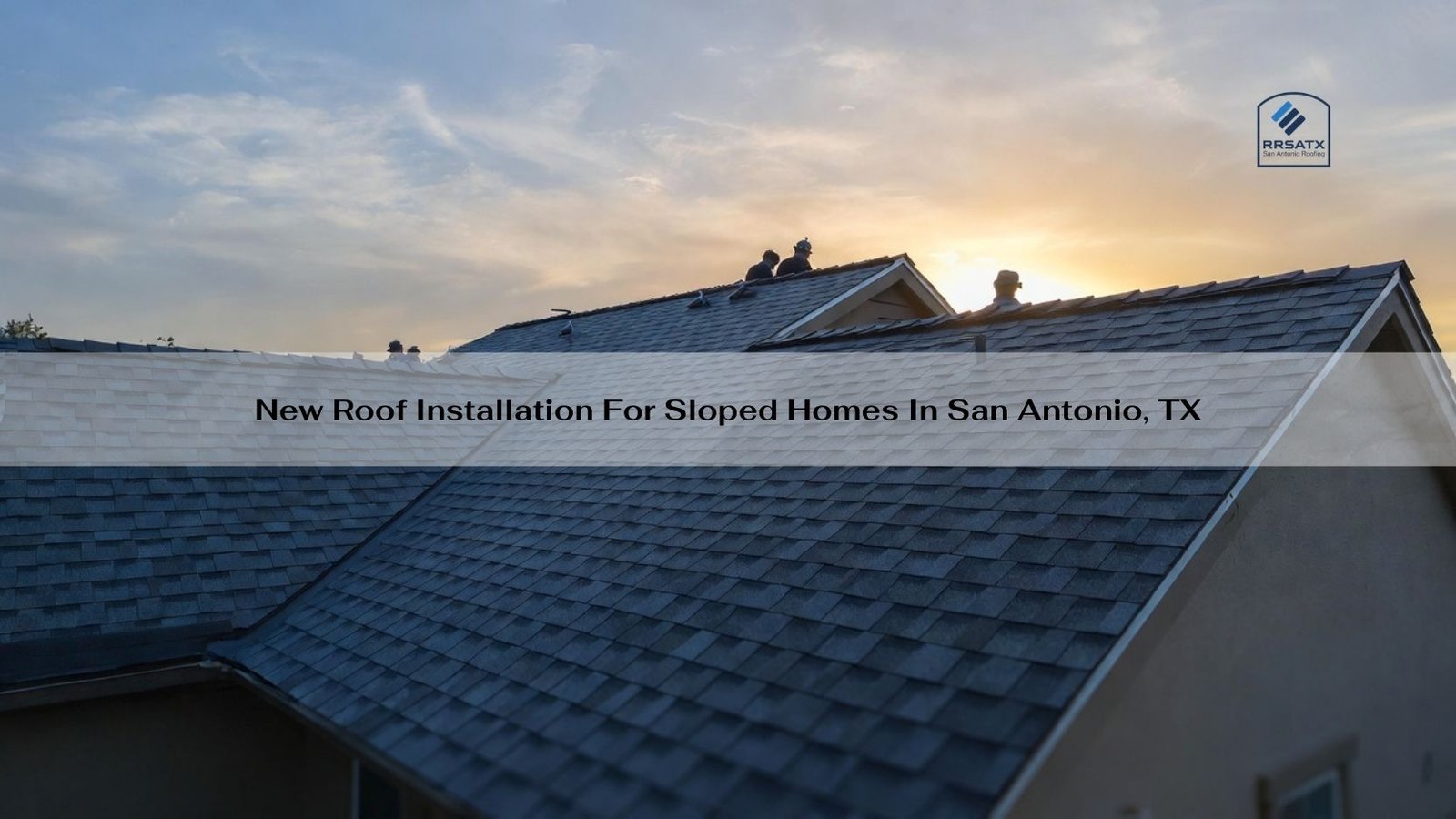
With over 12 years working on residential roofing systems across Central and South Texas, I’ve overseen dozens of new roof installations on sloped and steep-pitched homes. In San Antonio’s climate intense heat, heavy rain, and occasional hail proper material selection and correct installation technique are critical for long-term performance.
A new roof installation for sloped homes requires choosing the right material for your pitch, ensuring proper underlayment and flashing, meeting wind code requirements, and hiring a contractor experienced with steep-slope systems.
Below is a practical, step-by-step guide tailored to San Antonio homeowners and business owners.
What Is The Best Roofing Material For Sloped Roofs?
The best roofing materials for sloped roofs in San Antonio are architectural asphalt shingles and standing seam metal roofing.
Your roof pitch plays a major role in performance.
Top Roofing Options For Sloped Homes
| Material | Best For | Lifespan | Key Benefit |
| Architectural Shingles | 4:12–9:12 slopes | 20–30 years | Cost-effective & durable |
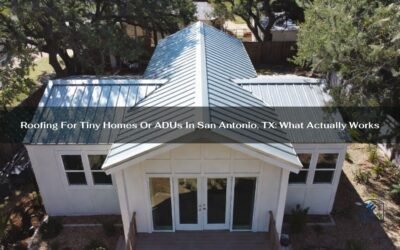
| Standing Seam Metal | 3:12+ slopes | 40–70 years | Energy-efficient & long-lasting |
| Clay/Concrete Tile | 4:12+ slopes | 50+ years | Excellent heat resistance |
Key takeaway: For most San Antonio homes, architectural shingles provide strong value. For long-term durability and energy savings, metal roofing is superior.
What Is The Best Roof Pitch For Sloped Homes?
A roof pitch between 4:12 and 8:12 is ideal for drainage, durability, and material flexibility.
- Low slope (2:12–3:12): Limited material options.
- Standard slope (4:12–8:12): Most common and versatile.
- Steep pitch (9:12+): Excellent drainage but higher installation cost.
Steeper roofs shed water faster, which is beneficial during heavy Texas rainstorms.
How Is A New Roof Installed On A Sloped House?
A sloped roof installation follows a structured process to ensure code compliance and long-term performance.
Sloped Roof Installation Guide
- Remove old roofing materials
- Inspect decking for damage
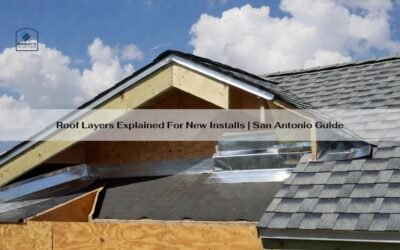
- Install synthetic underlayment
- Install drip edge and flashing
- Lay starter shingles or metal panels
- Install ridge cap and ventilation components
- Final inspection for wind compliance
San Antonio requires roofing permits for full replacements, and installations must meet local wind uplift standards.
Improper flashing or fastening is the most common issue with sloped roof installation.
How Much Does A New Roof Installation Cost For Sloped Homes?
In San Antonio, the cost of new roof installation for sloped homes typically ranges from $7,000 to $20,000, depending on size, pitch, and material.
Cost Breakdown
| Roof Type | Average Cost (2,000 sq ft home) |
| Asphalt Shingles | $7,000–$12,000 |
| Metal Roofing | $12,000–$20,000 |
| Tile Roofing | $15,000–$25,000 |
Steeper slopes increase labor costs due to:
- Safety requirements
- Slower installation time
- Additional equipment
Key takeaway: Roof pitch significantly impacts installation cost, not just material choice.
Are Steep-Pitched Roofs Better Than Standard Slopes?
Steep-pitched roofs offer superior drainage and visual appeal but cost more to install and maintain.
Benefits Of A Sloped Roof For Homes
- Faster water runoff
- Reduced leak risk
- Better attic ventilation
- Increased curb appeal
Drawbacks Of Steep Slopes
- Higher labor costs
- More complex repairs
- Increased safety precautions
For San Antonio homeowners, moderate slopes provide the best balance between durability and cost.
Installing Shingles On Sloped Roofs: What Should You Know?
Shingle installation on sloped roofs must follow strict fastening and alignment standards.
Critical factors include:
- Correct nail placement (per manufacturer specs)
- Wind-rated shingle systems
- Starter strip installation
- Proper ridge vent integration
San Antonio’s wind exposure makes correct fastening essential.
Common issues with sloped roof installation include under-driven nails and poor valley sealing.
Is Metal Roofing A Good Option For Sloped Homes?
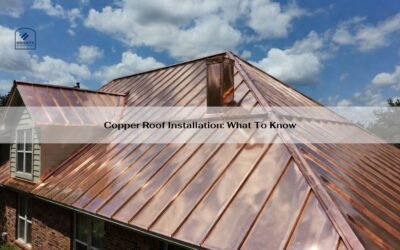
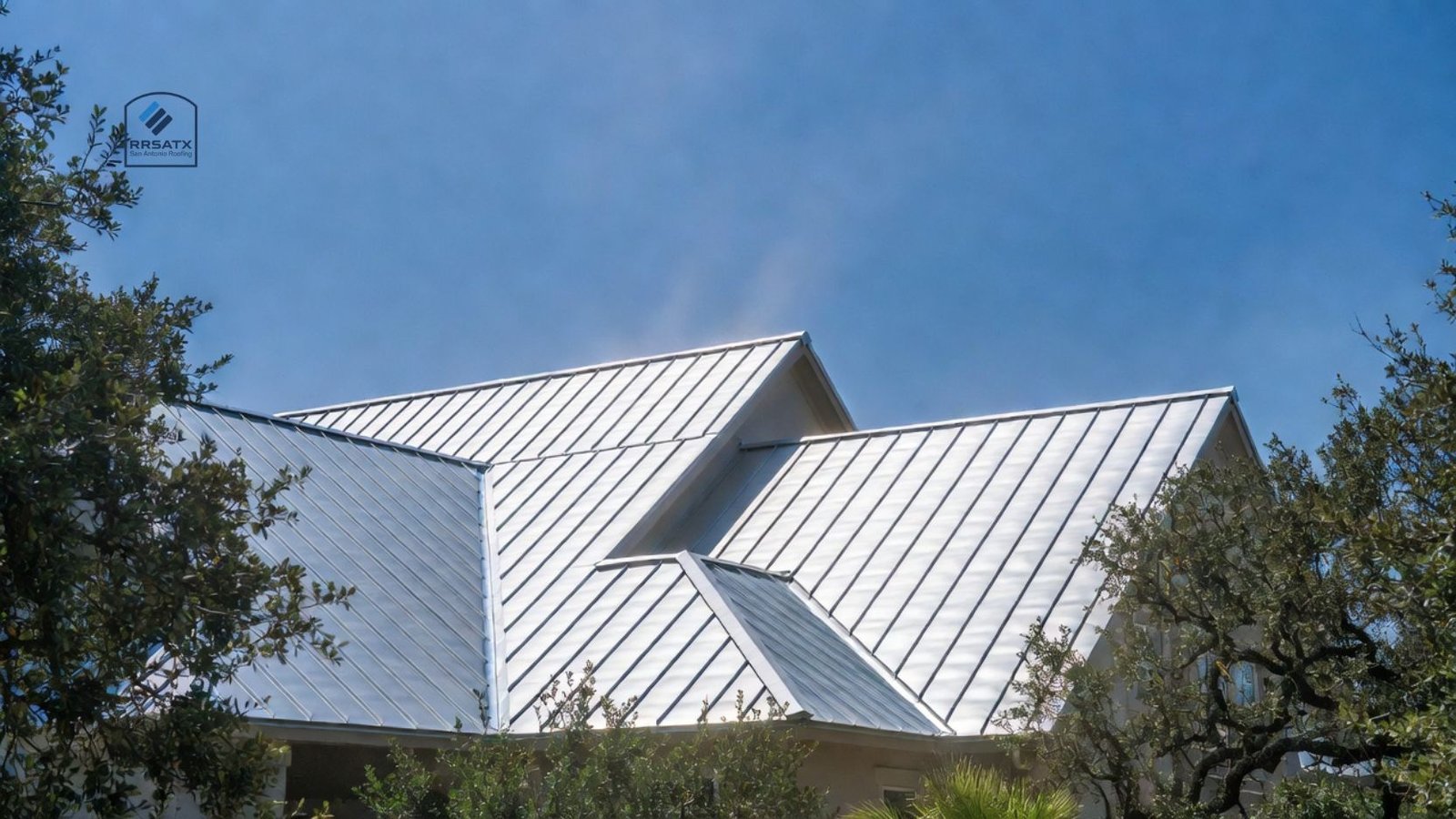
Yes. Installing metal roofing on sloped homes provides excellent longevity and heat resistance.
Metal roofs perform particularly well in Texas because they:
- Reflect solar heat
- Resist hail damage better than many materials
- Require minimal maintenance
They are especially effective on slopes of 3:12 or higher.
What Are Common Problems With Sloped Roof Installation?
Most failures come from installation errors not material defects.
Frequent problems include:
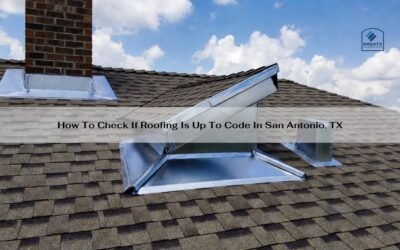
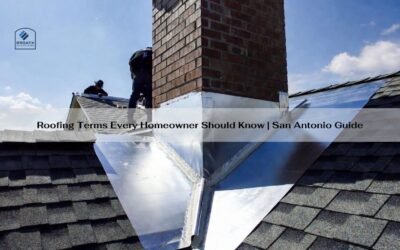
- Improper flashing around chimneys
- Poor valley construction
- Insufficient attic ventilation
- Ignoring roof pitch limitations
- Not meeting local wind codes
Choosing experienced roofing contractors for sloped roofs is essential to avoid these issues.
How Do You Choose The Right Roofing Contractor In San Antonio?
Look for licensed, insured contractors with experience in steep-slope roofing systems.
Before hiring:
- Verify permit process knowledge
- Request proof of insurance
- Ask about wind rating compliance
- Review past sloped roof projects
Avoid contractors who suggest skipping permits or inspections.
Key takeaway: Expertise with sloped roof design considerations matters more than lowest price.
How Do You Maintain A Sloped Roof After Installation?
Routine inspection and maintenance extend the life of your new roof.
Recommended maintenance:
- Annual inspections
- Clearing debris from valleys
- Checking flashing after storms
- Monitoring attic ventilation
San Antonio storms can loosen shingles or fasteners, especially on steep slopes.
FAQs
How Long Does It Take To Install A New Sloped Roof?
Most residential sloped roofs in San Antonio take 1–3 days, depending on size and pitch.
Is Metal Better Than Shingles For Steep Slopes?
Metal lasts longer and handles heat better, but shingles are more affordable upfront.
Do Steep Roofs Last Longer?
Not necessarily. Longevity depends more on material and installation quality than slope alone.