When your roof starts leaking or showing signs of wear, your first thought might be: Do I have to replace the whole thing? The good news is, not always. Many roofing problems can be repaired effectively without the cost or hassle of a full replacement.
According to experts at HomeAdvisor, most homeowners spend between $400 and $1,000 on roof repairs, which is far less than the $5,000–$12,000 range for a full roof replacement. So, before you call for a complete overhaul, here’s how to tell when repairs will do the job.
1. Inspect the Damage First
Before jumping into repairs, start with a careful inspection. Look for missing shingles, cracked flashing, or signs of water damage inside your attic. A guide from Angi suggests using binoculars to safely check your roof from the ground. If you notice small sections of damage or isolated leaks, these are often repairable.
“Homeowners are surprised to learn that even after a storm, a few missing shingles doesn’t mean a total replacement,” says a roofing contractor on Angi.
If your roof is under 15 years old and the damage is localized, a repair is typically sufficient.
2. Fix or Replace Damaged Shingles
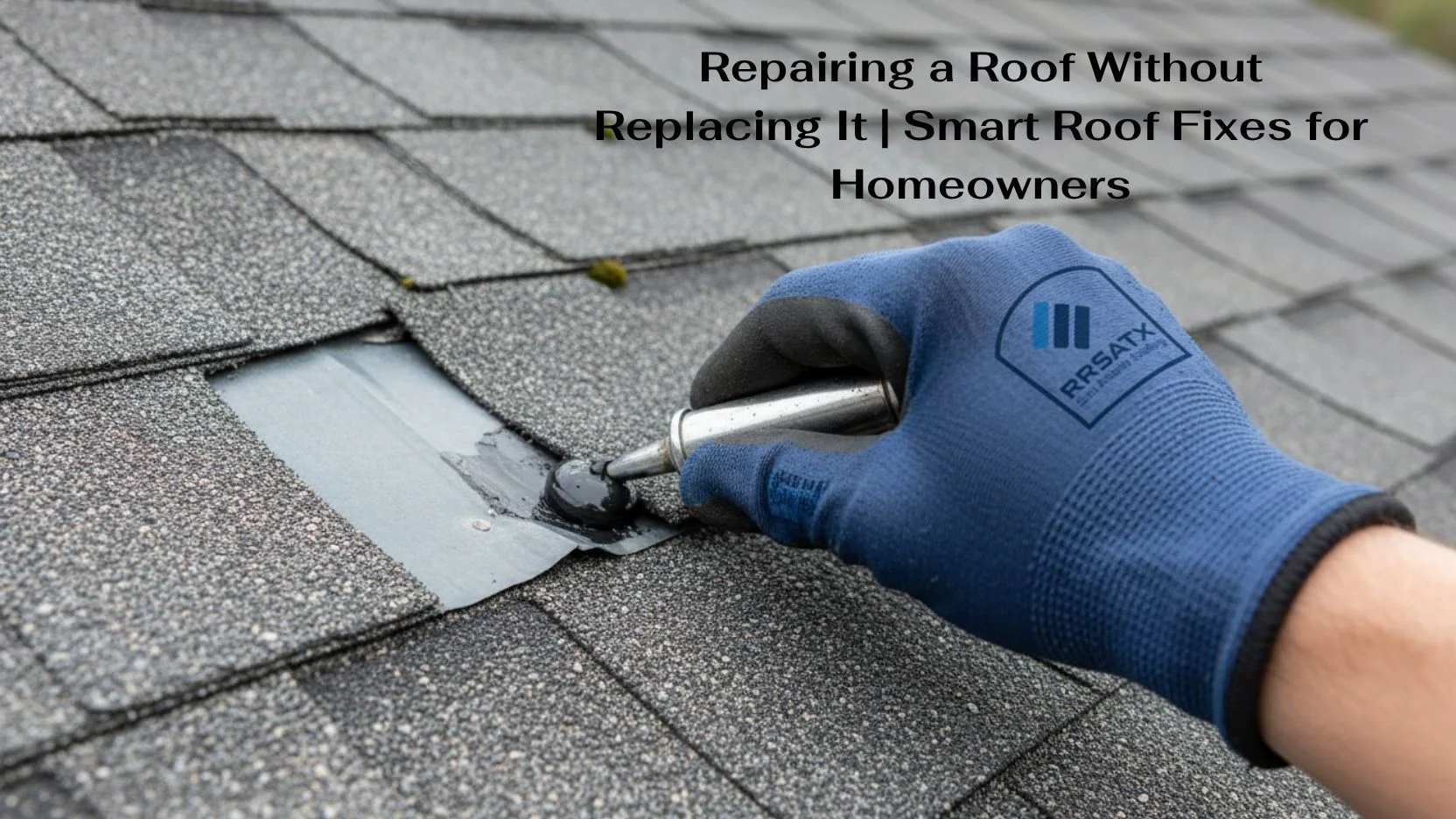
Loose, cracked, or missing shingles are the most common repair issues. You can replace damaged shingles individually using roofing cement or adhesive strips. Roofing Insights notes that matching the new shingles to your existing color helps maintain your roof’s appearance and value.
Tip: If more than 25% of your shingles are damaged, repair costs may start to approach the price of a new roof—so at that point, it’s worth comparing estimates.
3. Repair Flashing and Sealants
Flashing around chimneys, vents, and skylights can crack or lift over time, leading to leaks. Clean the affected area and reapply roofing sealant or replace small sections of flashing if it’s corroded. Home Depot’s DIY guide provides step-by-step instructions for resealing flashing safely.
“Flashing is like the glue that keeps your roof waterproof,” one contractor explains. “If it’s cracked, it’s a simple but crucial fix.”
4. Patch Small Leaks Quickly
Water stains on your ceiling are warning signs of a small leak that can become a major issue if ignored. Use roofing patch kits to seal small punctures or cracks. For leaks near the chimney or vents, reseal the flashing or apply a waterproof membrane. This Old House recommends checking attic insulation and beams for hidden water damage after patching.
5. Reinforce with Roof Coating
If your roof is older but structurally sound, applying a roof coating can extend its lifespan by several years. Elastomeric coatings or sealants form a waterproof layer, protecting against UV rays and moisture. According to Modernize, this method works especially well for flat or metal roofs and can delay the need for replacement.
6. Know When to Call a Professional
While DIY fixes can handle minor issues, it’s important to call a licensed roofer if you spot structural sagging, extensive rot, or multiple leaks. Professionals have tools to assess hidden damage and ensure repairs meet code.
“The biggest mistake homeowners make is waiting too long,” says a contractor on HomeAdvisor. “A small leak can turn into thousands in damage if ignored.”
Conclusion
Repairing a roof without replacing it is often the smarter move when the damage is limited. Regular inspections, prompt patching, and routine maintenance can add years to your roof’s life and keep more money in your pocket.