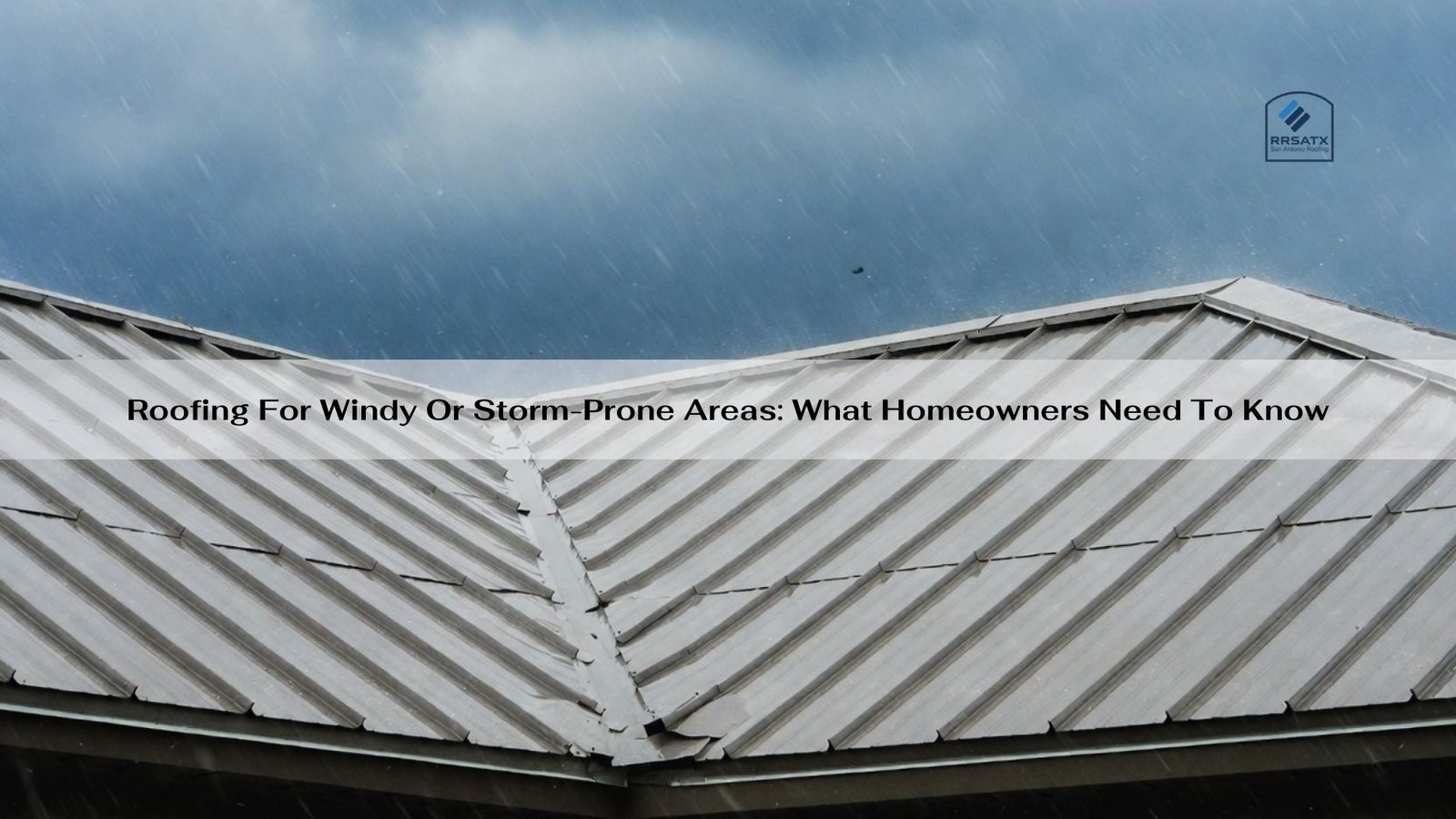
With decades of hands-on roofing experience in San Antonio, our team has repaired and replaced roofs after severe thunderstorms, hail events, and high-wind systems common across South Texas. We’ve seen firsthand how improper installation and low wind ratings lead to premature roof failure.
The best roofing for windy or storm-prone areas includes high wind-rated materials, proper underlayment, reinforced fastening systems, and balanced roof ventilation. Without these elements, even new roofs can fail during strong storms.
What Type Of Roofing Is Best For High-Wind Areas?
Metal roofing and architectural asphalt shingles with high wind ratings perform best in storm-prone regions.
Here’s how common materials compare:
| Roofing Type | Wind Resistance | Lifespan | Storm Performance |
| 3-Tab Shingles | 60–70 mph | 15–20 yrs | Moderate |
| Architectural Shingles | 110–130 mph | 25–30 yrs | Strong |
| Standing Seam Metal | 140+ mph | 40–50 yrs | Excellent |
| Tile Roofing | 100–125 mph | 40+ yrs | Strong but heavy |
Key takeaway: In San Antonio, architectural shingles rated 110+ mph or standing seam metal roofing offer the most reliable storm protection.
Why Do Roofs Fail During High Winds?
Roofs fail when wind lifts shingles or panels due to poor fastening, aging materials, or weak decking.
High winds create uplift pressure. If shingles are not sealed correctly or nails are placed improperly, wind can:
- Break adhesive seals
- Pull fasteners loose
- Tear off sections of roofing
- Expose underlayment and decking
Common causes of wind damage:
- Improper nail placement
- Too few fasteners
- Worn-out sealant strips
- Old or brittle shingles
- Inadequate roof edge protection
Is Metal Roofing Better For Storm-Prone Areas?
Yes, metal roofing is one of the most durable options for windy climates.
Standing seam systems are especially effective because panels interlock and fasten beneath the seams, reducing exposure.
Benefits of metal roofing in storms:
- Wind resistance above 140 mph
- Low risk of shingle blow-off
- Fire resistance
- Long lifespan (40–50 years)
- Energy efficiency in hot climates
However, installation quality matters. Poorly installed metal panels can still fail.
Are Impact-Resistant Shingles Worth It In Texas?
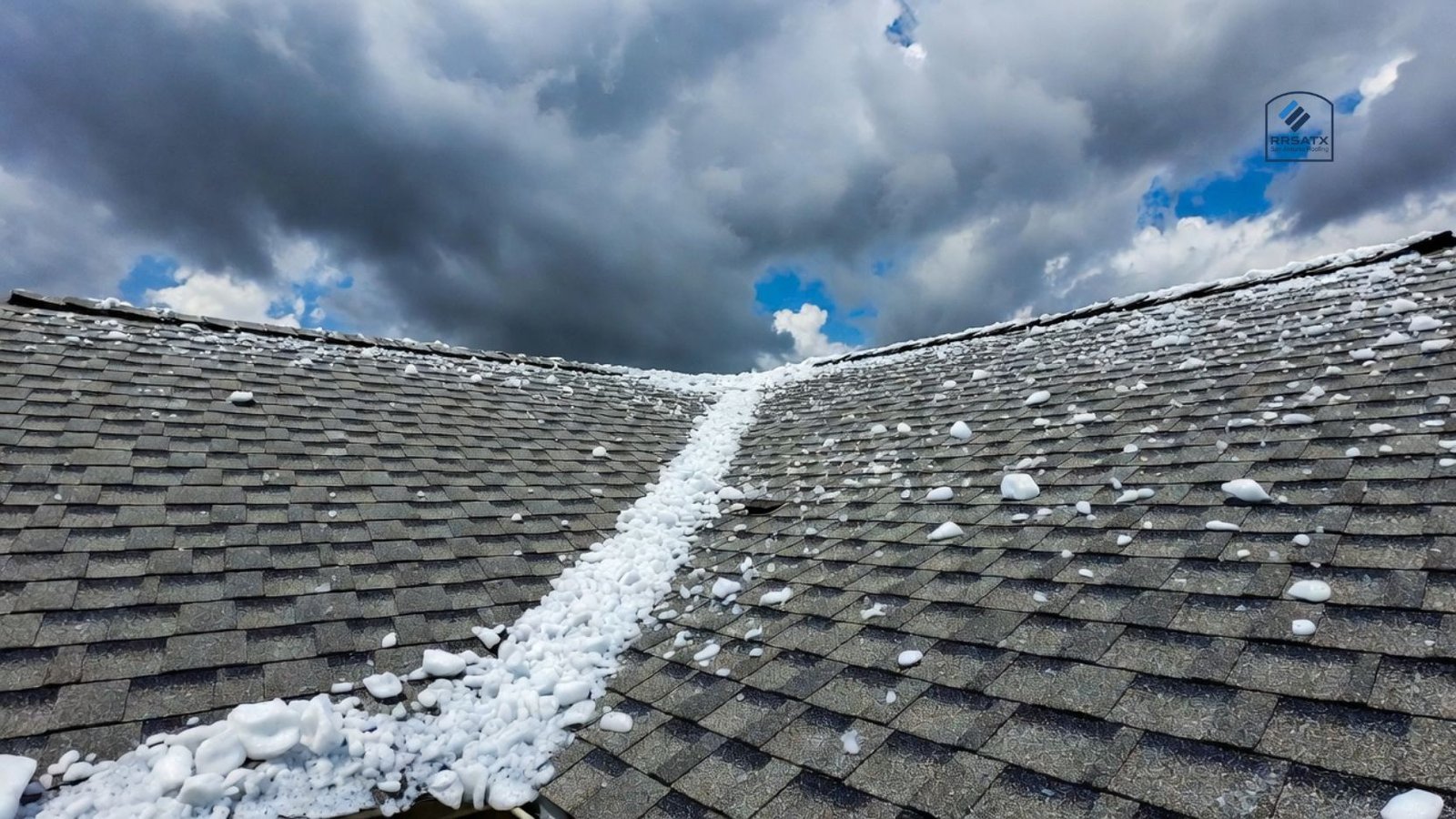
Impact-resistant shingles can reduce hail damage and may lower insurance premiums.
Class 4 impact-rated shingles are tested to withstand steel ball impacts simulating hail.
Benefits include:
- Better resistance to cracking
- Reduced granule loss
- Potential insurance discounts
- Longer performance in severe weather
For homeowners filing storm-related insurance claims, impact-rated materials can provide long-term cost savings.
How Do You Storm-Proof A Roof During Replacement?
Storm-proofing starts with reinforcing the entire roofing system, not just upgrading shingles.
Key upgrades include:
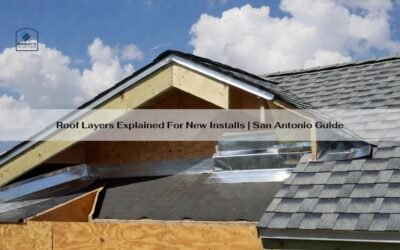
1. Enhanced Underlayment
Synthetic underlayment resists tearing and water intrusion better than traditional felt.
2. Ice And Water Shield
Installed along eaves and valleys to prevent wind-driven rain penetration.
3. Proper Nailing Pattern
Manufacturers specify exact nail placement. Deviating from this reduces wind warranty coverage.
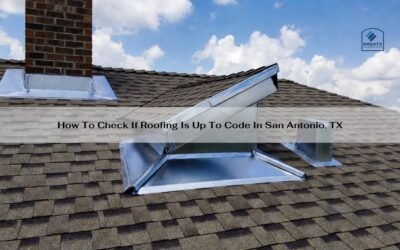
4. Reinforced Flashing
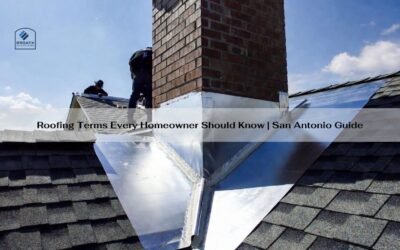
Metal flashing around chimneys, vents, and valleys prevents leaks during heavy rain.
5. Roof Deck Inspection
Damaged or soft decking must be replaced before installing new materials.
Key takeaway: A storm-resistant roof is a system built in layers, not just shingles on plywood.
Should Older Roofs In San Antonio Be Replaced Before Storm Season?
If your roof is 15–20 years old, replacement before peak storm season may prevent emergency repairs.
Warning signs include:
- Curling or lifted shingles
- Frequent leaks
- Missing granules
- Prior patchwork repairs
- Visible sagging
For homeowners near 4324 Monterey St or 318 E Nakoma Dr in San Antonio, seasonal roof inspections can identify vulnerabilities before severe weather hits.
How Does Roof Design Affect Wind Resistance?
Roof slope and shape significantly impact storm performance.
- Hip roofs perform better than gable roofs in high winds
- Lower slopes reduce uplift pressure
- Properly secured ridge caps prevent wind entry points
In commercial roofing, flat systems require reinforced edge details and secure membrane attachment.
FAQs
What Wind Rating Should Shingles Have In Texas?
Shingles rated at least 110 mph are recommended for storm-prone areas in South Texas.
Does Homeowners Insurance Cover Wind Damage?
Most policies cover sudden storm damage, but wear and tear is typically excluded. Documentation from inspections is important.
How Long Does A Storm-Resistant Roof Last?
Architectural shingles last 25–30 years. Metal roofing can exceed 40–50 years with proper maintenance.