Your roof is more than just shingles—it’s your home’s first line of defense against weather, pests, and water damage. Yet, many homeowners only notice problems when it’s too late. Spotting roof issues early can save you thousands in repair costs and prevent damage to the rest of your home. In this guide, we’ll show you simple ways to tell if your roof needs repair, with tips you can use right away.
Spotting Exterior Signs
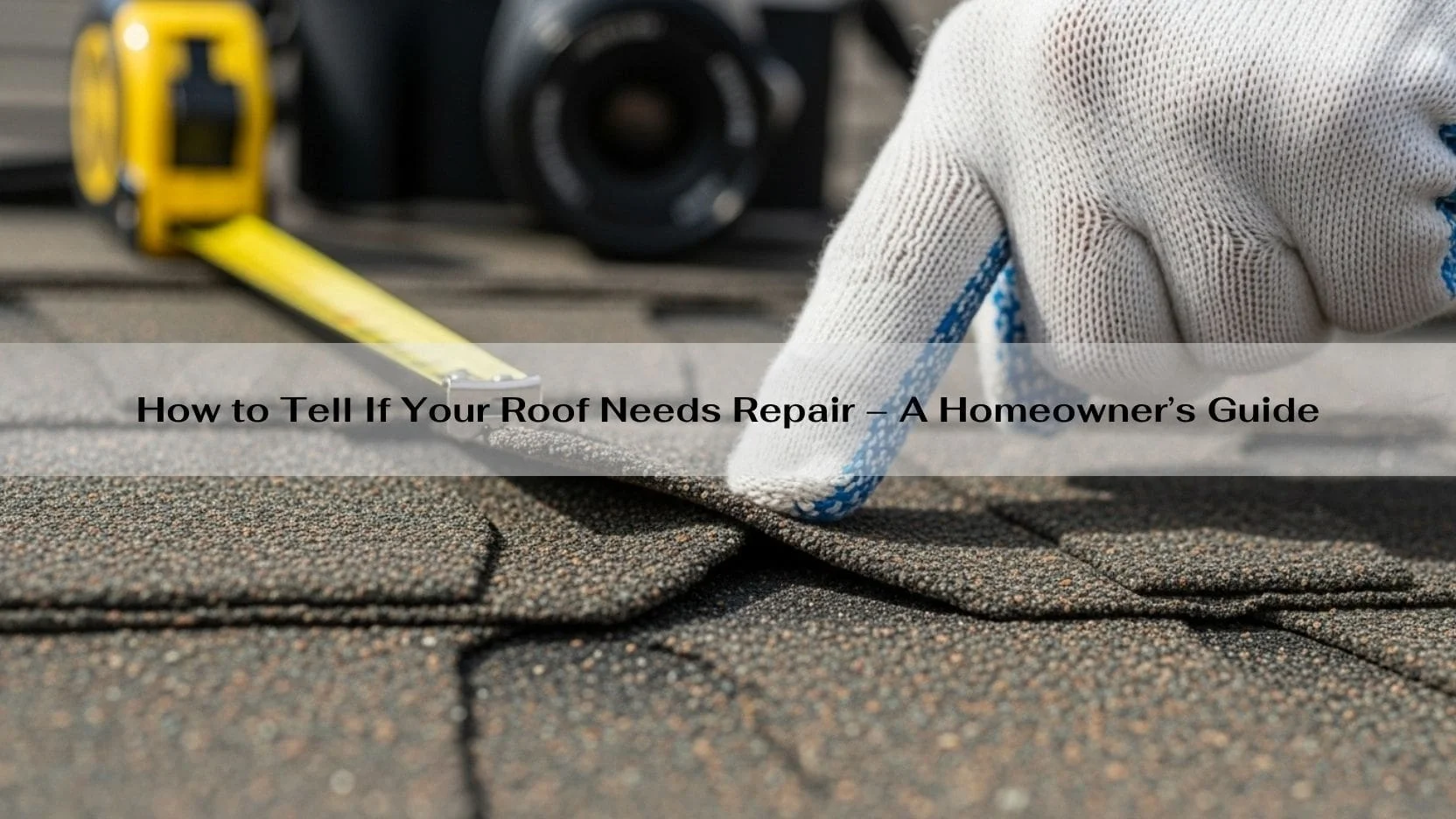
One of the first places to check is your roof’s exterior. Missing, curling, or cracked shingles are clear warning signs. Dark streaks or moss growth may indicate trapped moisture or algae damage.
“I didn’t realize my shingles were curling until water started leaking in,” says Sarah, a homeowner from Denver. According to Angi Roofing Advice, spotting these early signs can prevent more serious damage.
Check for:
- Shingles that are cracked, broken, or missing.
- Granules from shingles accumulating in gutters.
- Moss or algae growth on the roof surface.
Checking Interior Clues
Not all roof issues are visible from the outside. Your attic and ceilings often reveal hidden problems. Look for water stains, damp insulation, or mold and mildew.
“I noticed a yellow stain on my ceiling—turns out my roof needed urgent repair,” shares Mark from Chicago. Homeowners discuss similar experiences on Quora Roof Leaks.
Steps to inspect inside:
- Carefully inspect attic insulation for moisture.
- Look for dark spots or discoloration on ceilings.
- Check for a musty smell that indicates mold growth.
Considering Roof Age
Roof age is a major factor. Most asphalt shingles last about 20–25 years, while metal and tile roofs can last longer. Older roofs should be inspected more frequently, even if no obvious damage exists.
As Bob Vila Roof Maintenance explains, regular inspections are key to catching issues early and prolonging your roof’s lifespan.
Evaluating Structural Issues
Sagging areas, damaged flashing, and loose shingles may indicate structural problems. If you notice uneven spots or dips, it’s time to call a professional.
According to HomeAdvisor Roof Inspection Tips, these structural signs are critical red flags that homeowners should never ignore.
Inspecting Gutters and Downspouts
Your gutters often tell the story of your roof’s health. Granules in gutters or water pooling near your home can signal roof damage.
“Finding granules in the gutter was my first hint something was wrong,” says Lisa from Seattle.
Check for:
- Buildup of shingle granules in gutters.
- Overflowing or leaking gutters.
- Water pooling near the foundation.
Regular gutter inspections can save your roof and home from serious water damage, as noted by HomeAdvisor Roof Inspection Tips.
Weather-Related Damage
After a storm, inspect your roof for hail, wind, or snow damage. Look for dents, cracks, or missing shingles.
Safety first: use binoculars from the ground if possible, or hire a professional. Bob Vila Roof Maintenance emphasizes that post-storm inspections prevent minor damage from turning into costly repairs.
Conclusion
Knowing how to tell if your roof needs repair is crucial for every homeowner. Look for exterior signs like damaged shingles, interior clues like leaks and mold, and consider the roof’s age and structural condition. Don’t forget gutters and weather-related damage. Catching problems early protects your home and saves money in the long run. If you notice any signs, schedule a professional inspection immediately.