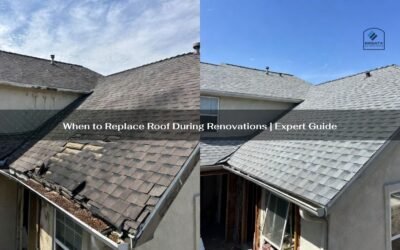
If you’ve ever walked into a room after a heavy rain and noticed a faint water stain on the ceiling, you’re not alone. Many homeowners say the same thing: “It only showed up after that big storm.” One common source of these sneaky leaks is the roof valley.
This guide explains what valley leaks are, what causes them, and what steps you can take to prevent or fix them.
What Exactly Is a Roof Valley?
A roof valley is the line where two roof slopes meet. It’s a channel that carries a large amount of water during storms. Because so much water flows through valleys, even a small problem can quickly turn into a leak.
A contractor on Quora homeowner questions about roof valleys explained it well: “The valley is the busiest part of the roof. If something’s installed wrong, water will find it fast.”
The Most Common Causes of Valley Leaks
Roof valleys take a lot of wear and tear. Here are the most common reasons leaks form.
1. Poor Installation
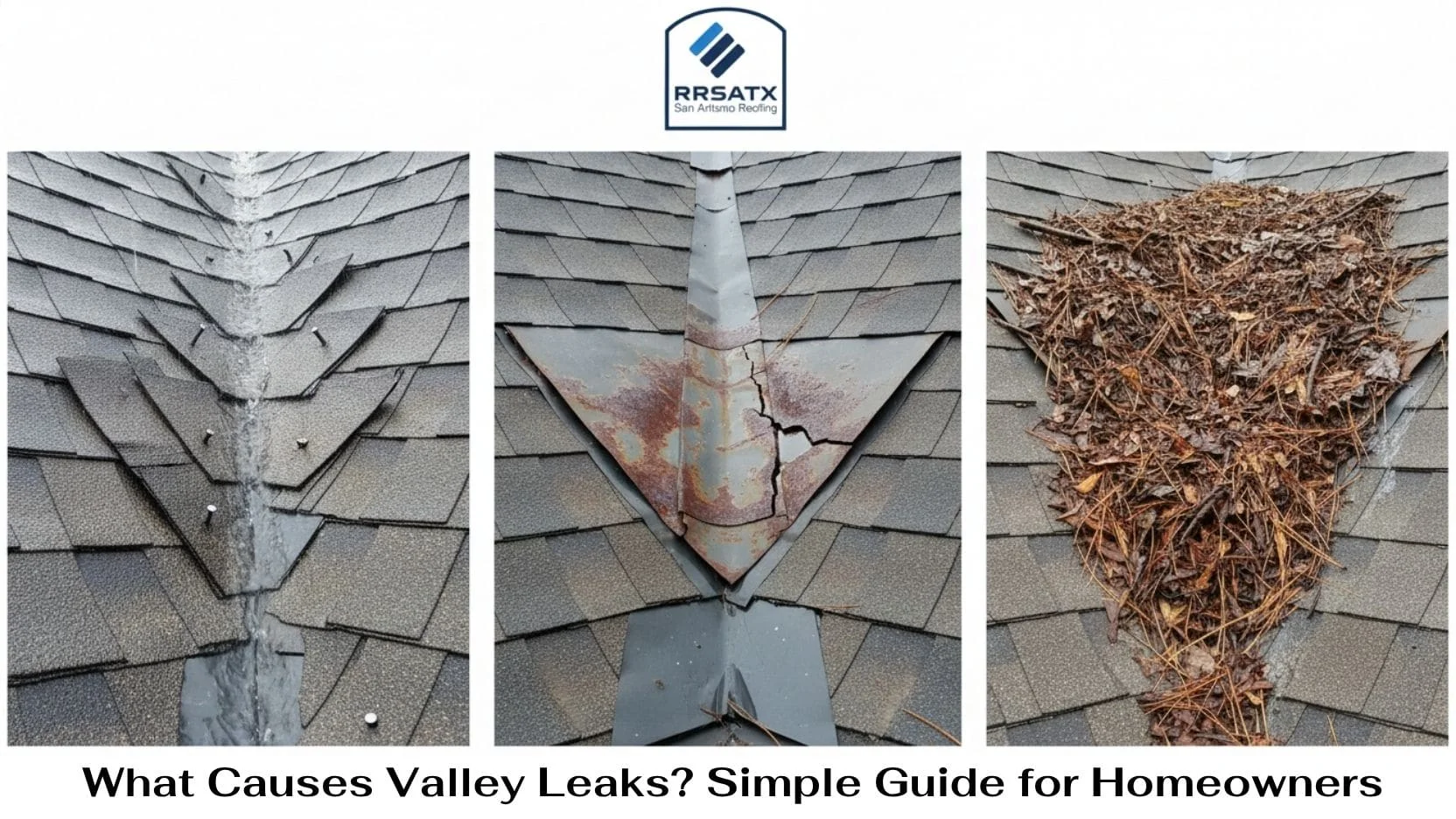
If shingles overlap the wrong way or nails are placed too close to the valley line, water can slip underneath.
As one roofer said, “When water hits a valley, it speeds up. Any weakness shows fast.”
2. Damaged or Worn Flashing
Flashing is the metal layer that protects the valley. If it rusts, cracks, or shifts, it can’t guide water properly.
Tips from Angi roofing valley leak repair notes that damaged flashing is one of the top repair needs for aging roofs.
3. Debris Buildup
Leaves, seeds, and branches can clog the valley. When debris blocks water flow, water pushes sideways into the roof layers.
4. Ice Dams and Weather Stress
In winter, ice can form right in the valley. When it melts and refreezes, it lifts shingles and weakens flashing.
5. Old or Brittle Shingles
Shingles dry out and crack over time. When this happens in the valley, water seeps through the weak spots.
How Homeowners Can Spot Early Warning Signs
Catching a valley leak early can prevent hundreds or even thousands of dollars in damage.
Look for:
- Water stains on ceilings or walls
- Wet marks or damp wood in the attic near a valley
- Gaps or cracks where the shingles meet the valley
- Rust or warping on the metal flashing
According to the HomeAdvisor roof leak cost guide, early detection can save homeowners from costly structural repairs.
One homeowner shared, “I didn’t think a tiny stain meant anything. Turns out the valley flashing had a crack. Glad we caught it early.”
DIY Steps Homeowners Can Take (If Safe)
You may be able to make simple checks or temporary fixes before calling a pro.
1. Clear Out Debris
Use a blower or soft broom to remove leaves and branches.
2. Check Flashing for Rust or Gaps
If a section looks loose, you may be able to reseal it with roofing cement.
3. Apply Temporary Sealant
This can slow a leak until a roofer arrives.
Experts in the Reddit roofing community threads often suggest clearing debris first because it’s the easiest way to stop water backup.
Safety Tip: Only inspect your roof on a dry day. Avoid climbing onto steep or slippery surfaces.
When to Call a Roofing Pro
Some valley issues require more than a quick patch.
Call a professional if:
- The leak is recurring
- Flashing is cracked or deeply rusted
- Shingles in the valley are curling or missing
- You see water damage spreading inside your home
A review on Yelp roofing contractor reviews highlights a common point: “Valley leaks rarely fix themselves. A pro can solve the issue before it ruins the decking.”
Professionals can replace flashing, re-lay shingles, and install waterproof barriers that protect the valley long-term.
Conclusion
Valley leaks happen because this part of the roof handles so much water. Poor installation, worn flashing, debris, weather, and aging shingles can all play a role. But with regular checks and early action, homeowners can stop leaks before they grow.
If you spot a stain or suspect an issue, don’t wait. A quick fix now can save costs and stress later.