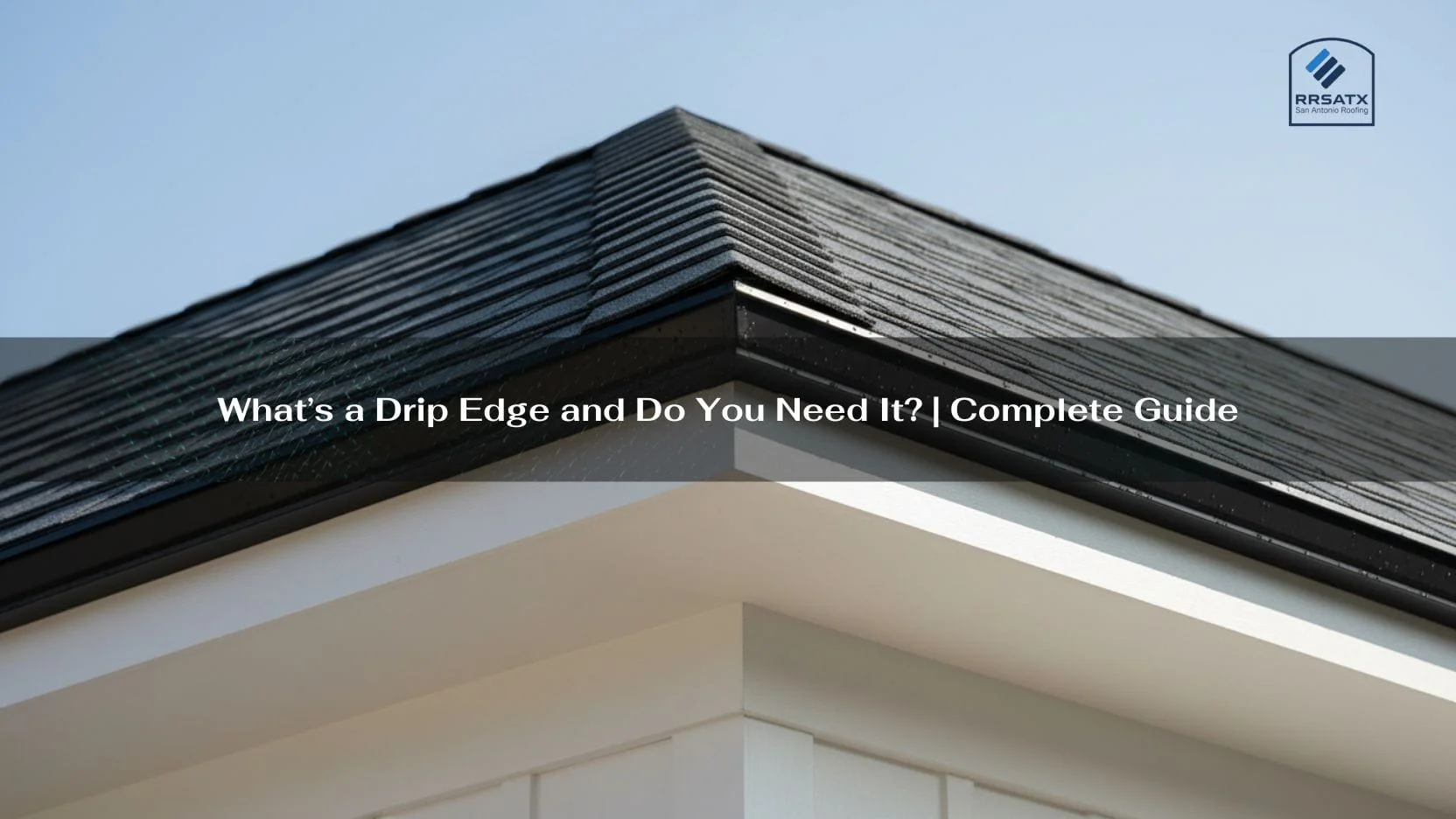
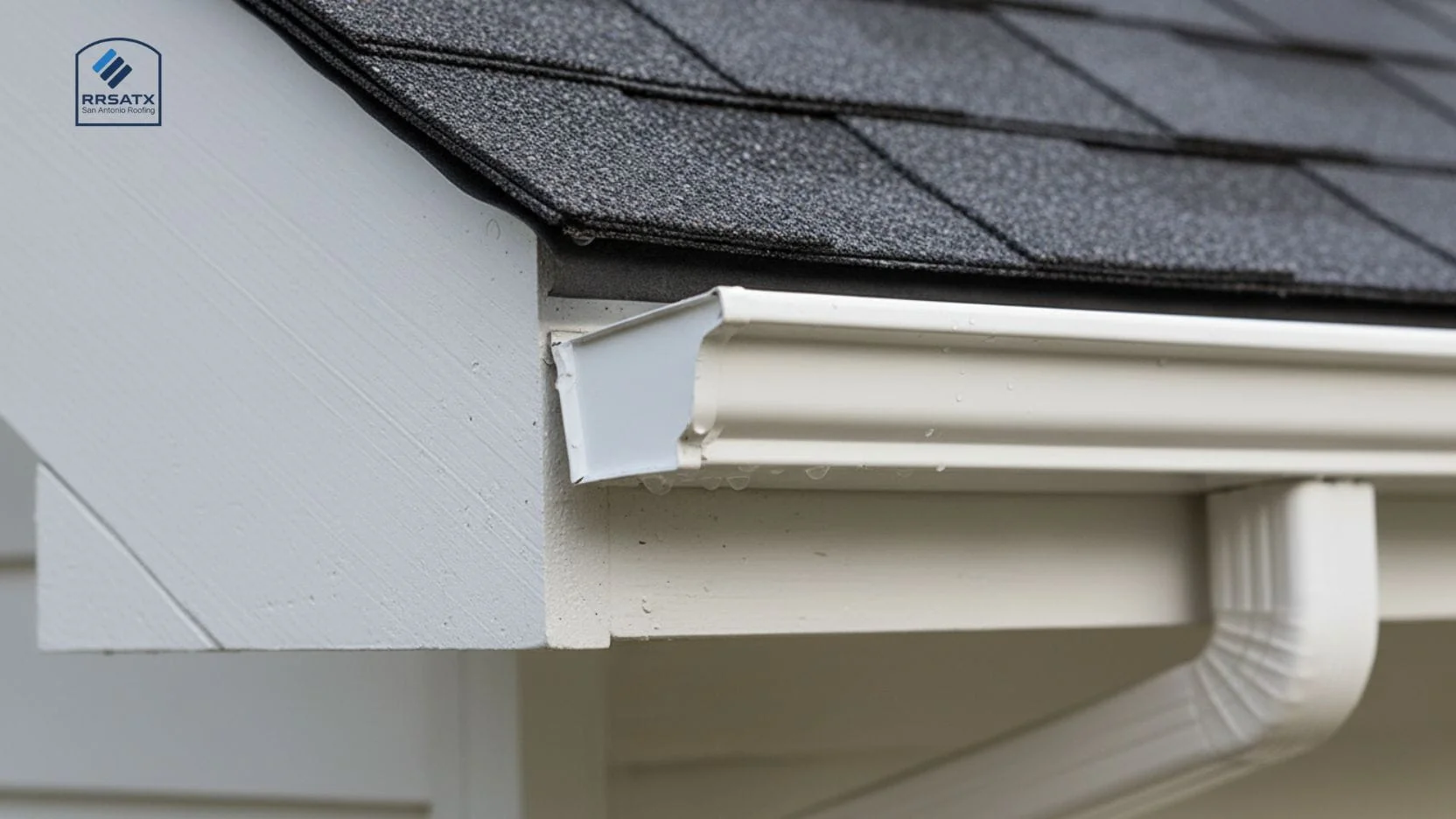
A drip edge is a thin strip of metal installed along the edges of a roof to direct water away from the fascia and into the gutter system. It is one of the smallest components in a roofing system, yet one of the most important for long-term moisture control.
Despite its simple appearance, roof drip edge flashing plays a critical role in preventing rot, mold, and structural damage. Many homeowners only learn about it after problems appear.
This guide explains what a drip edge is, how it works, when it’s required, and whether your roof actually needs one.
What Is a Drip Edge?
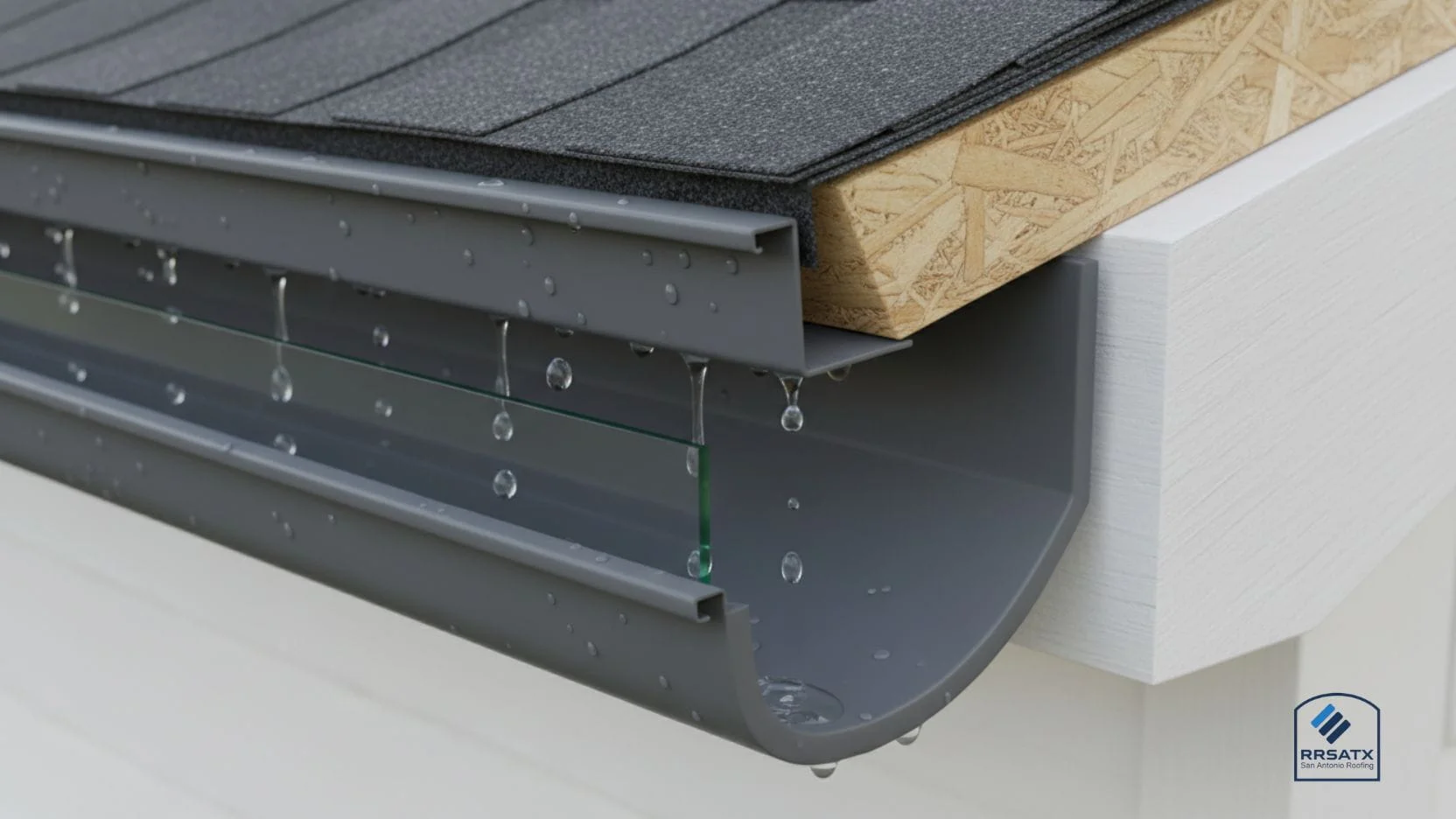
A drip edge is a type of roof edge flashing installed at the eaves and rakes of a roof. It is designed to:
- Control water runoff
- Protect roof decking and fascia boards
- Prevent water from wicking under shingles
- Direct water cleanly into gutters
Most modern drip edges are made from aluminum drip edge, galvanized steel, or copper.
Why Drip Edge Exists (And Why It Matters)
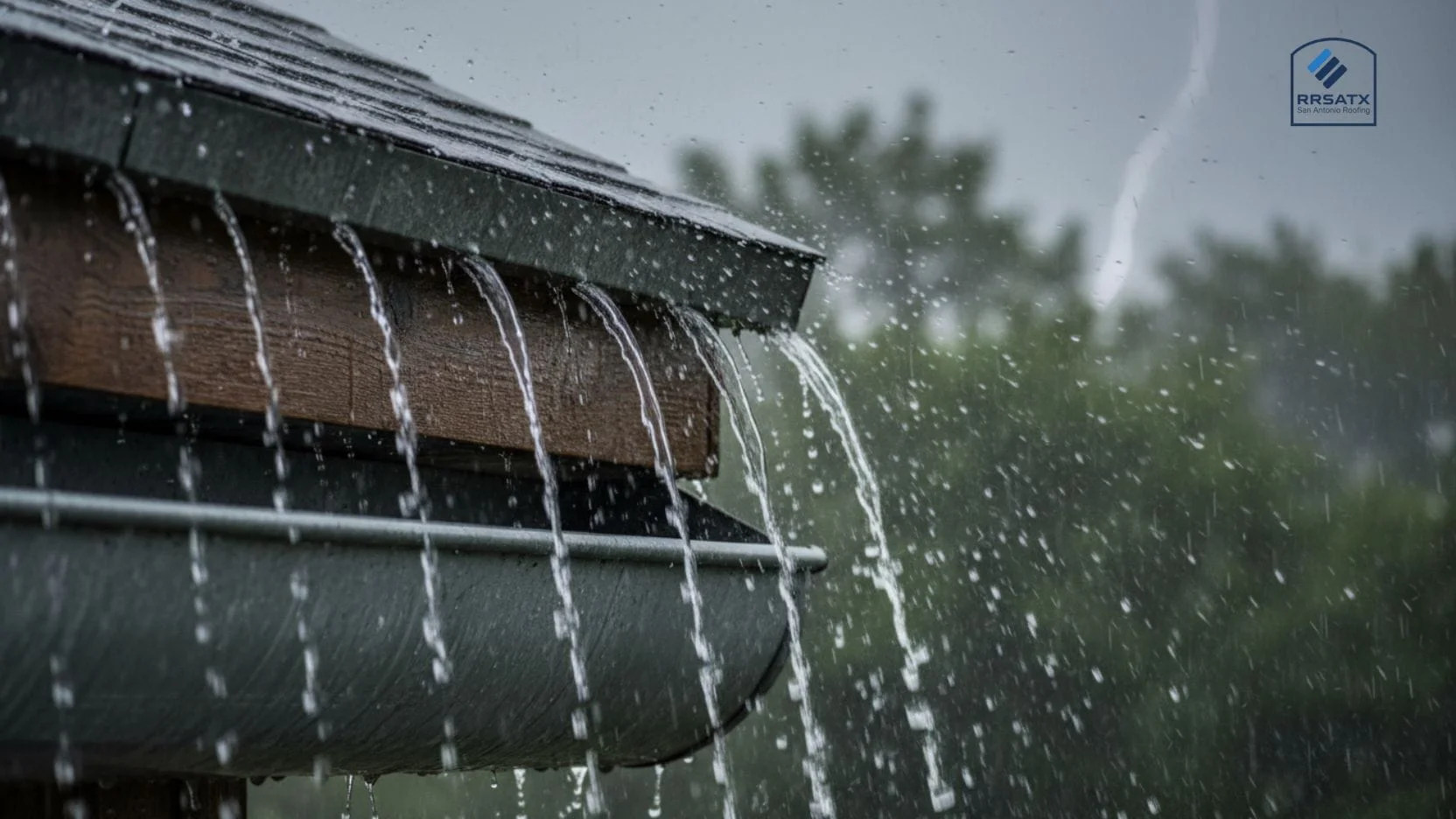
Water does not always fall straight down. Wind, surface tension, and roof design cause water to:
- Curl under shingle edges
- Run behind gutters
- Soak fascia boards
- Enter roof decking
Without drip edge roof flashing, moisture can reach parts of the structure that were never designed to get wet.
Over time, this leads to:
- Wood rot
- Paint failure
- Mold growth
- Insect damage
- Premature roof deterioration
Drip edge is a simple solution to a complex moisture problem.
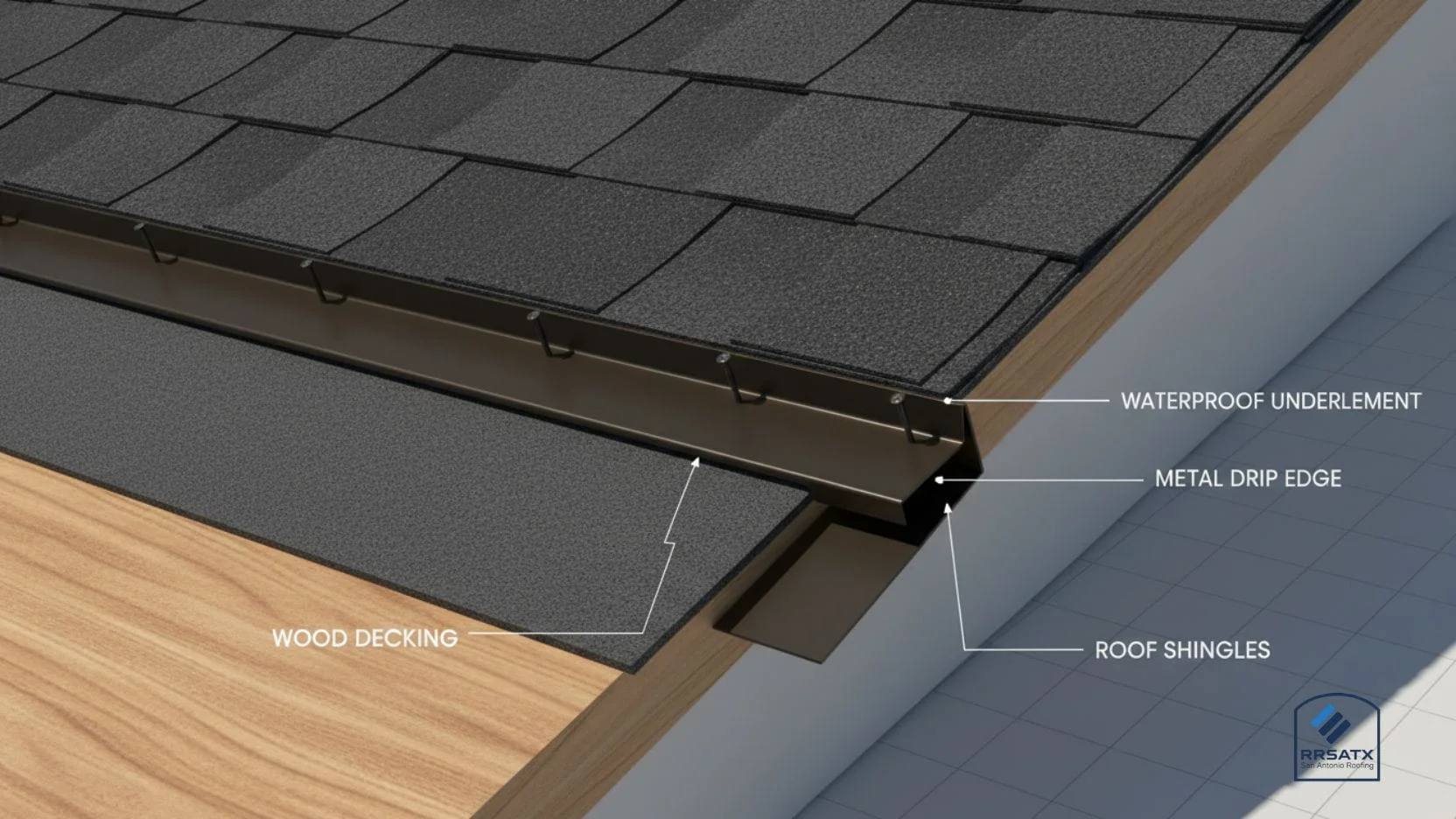
Where Drip Edge Is Installed
Drip edge is installed in two main locations:
At the Eaves (Bottom Edge of the Roof)
- Installed under the underlayment
- Guides water into the gutter
- Protects fascia from constant moisture exposure
At the Rakes (Sloped Side Edges)
- Installed over the underlayment
- Prevents wind-driven rain from entering
- Shields roof decking edges
This placement is intentional and defined by roofing best practices.
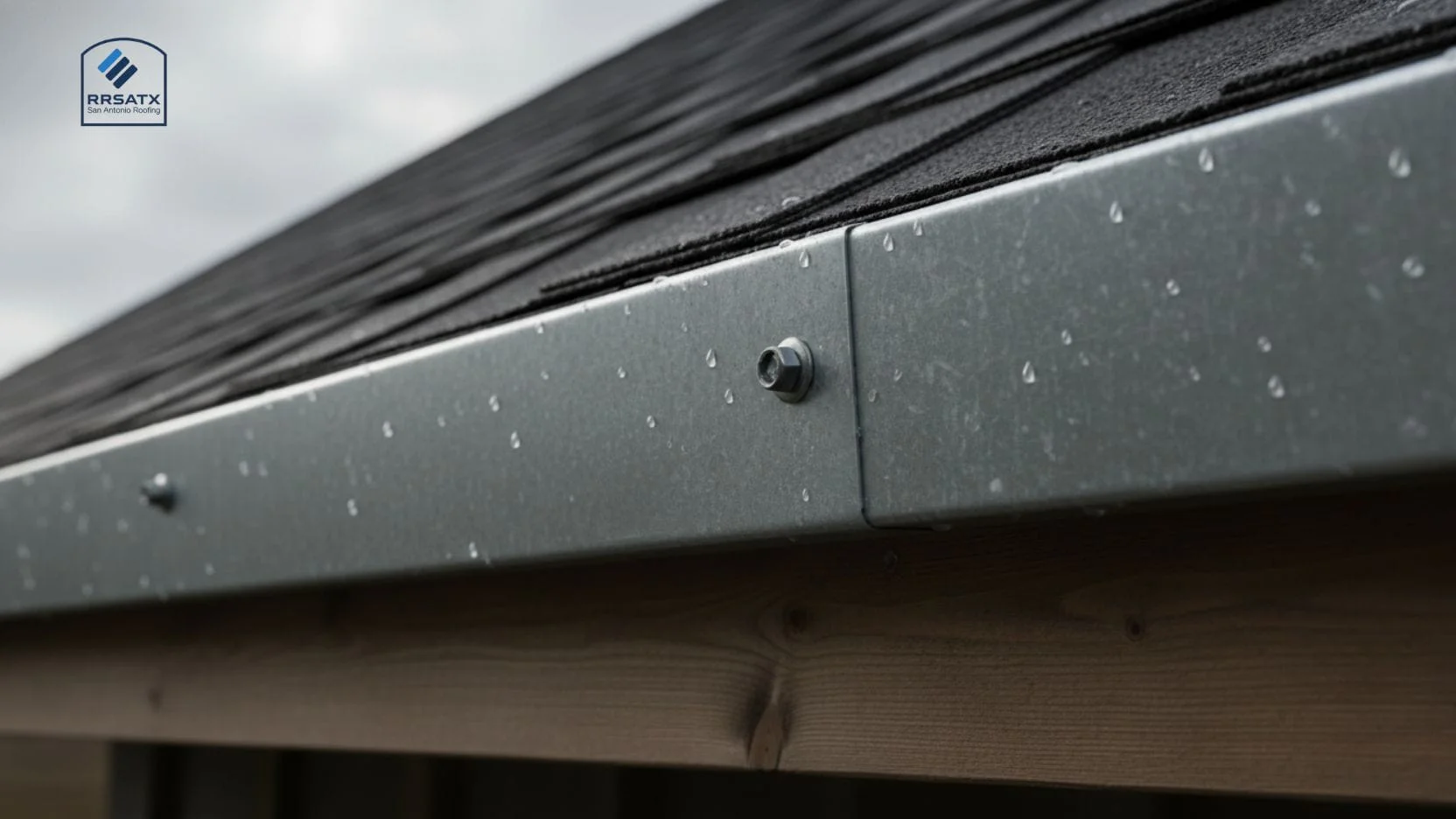
What Is Drip Edge Flashing Made Of?
Most metal drip edge products fall into these categories:
Aluminum Drip Edge
- Lightweight
- Corrosion-resistant
- Most commonly used in residential roofing
Galvanized Steel
- Stronger than aluminum
- More impact resistant
- Slightly heavier
Copper
- Long lifespan
- High cost
- Usually used on high-end or historic homes
The shape and profile can vary, but the function remains the same.
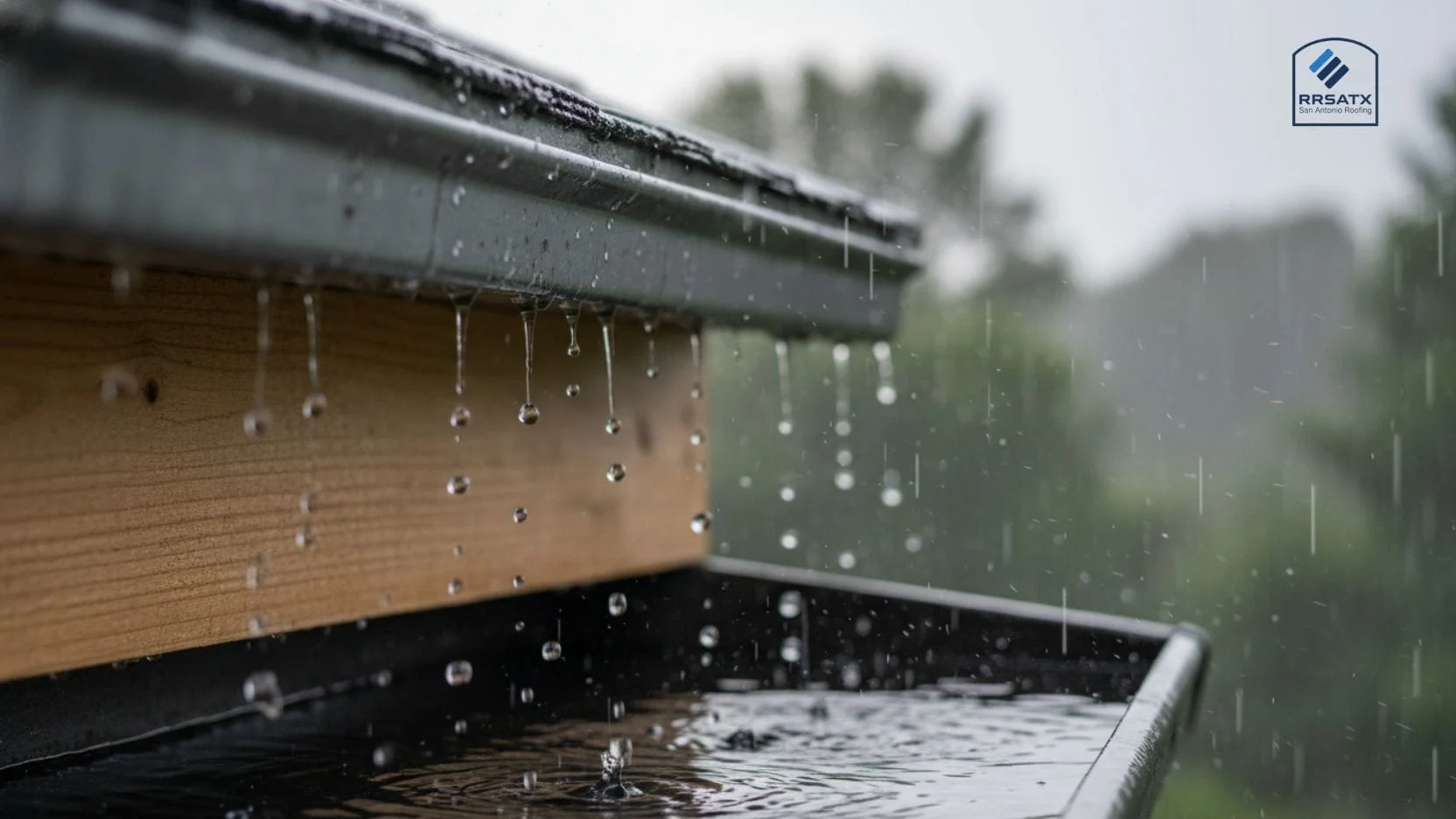
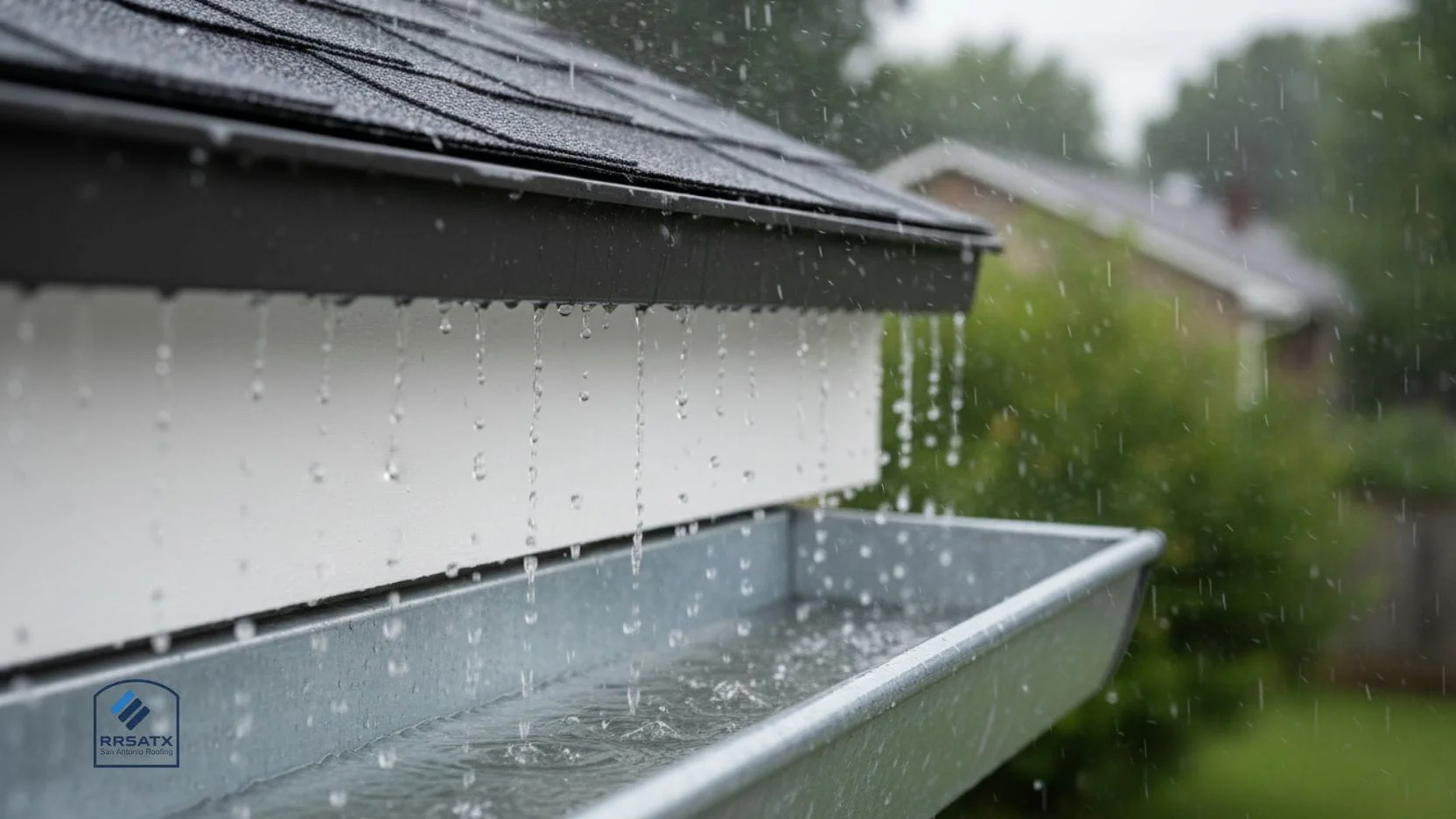
How Drip Edge Works (In Simple Terms)
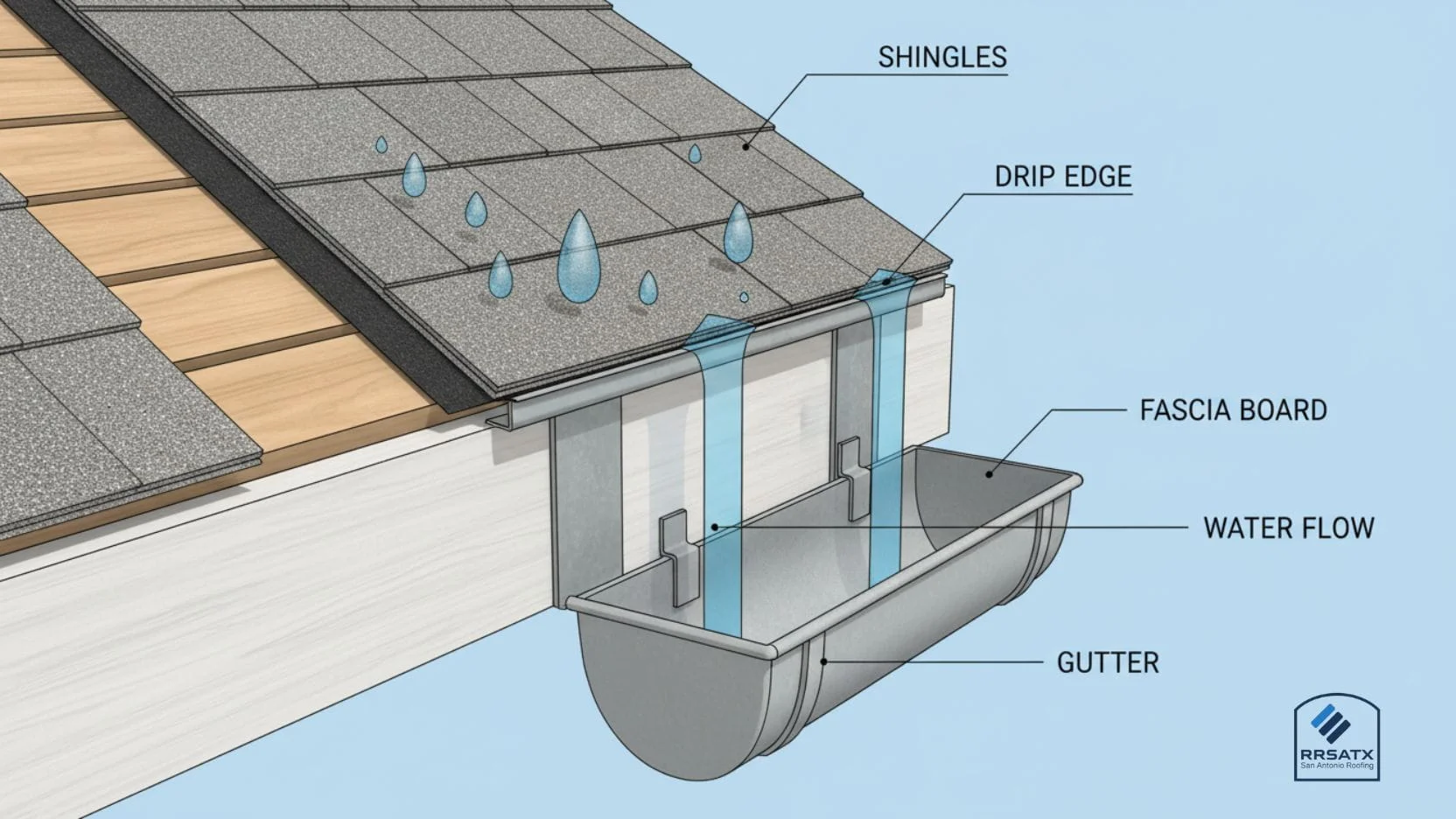
When rain hits your roof:
- Water flows down the shingles
- The drip edge breaks surface tension
- Water drops cleanly into the gutter
- Fascia and decking stay dry
Without drip edge, water can:
- Run behind gutters
- Soak the roof edge
- Travel under shingles
- Damage hidden structural components
It’s a passive system that works every time it rains.
Do You Need Drip Edge on a Roof?
In most cases, yes.
Drip edge is not decorative. It is a functional moisture control component.
You especially need drip edge if:
- Your roof has asphalt shingles
- You have wood fascia boards
- Your gutters are attached to the fascia
- You live in a rainy, snowy, or humid climate
- Your roof has experienced edge rot before
Even in dry climates, condensation and occasional storms can cause damage over time.
Is Drip Edge Required by Building Code?
In many areas, yes.
Most modern building codes now require drip edge for asphalt shingle roofs. This includes:
- International Residential Code (IRC)
- Many state and local amendments
However, enforcement varies by location and by inspector.
If your home was built before these requirements, it may not have drip edge.
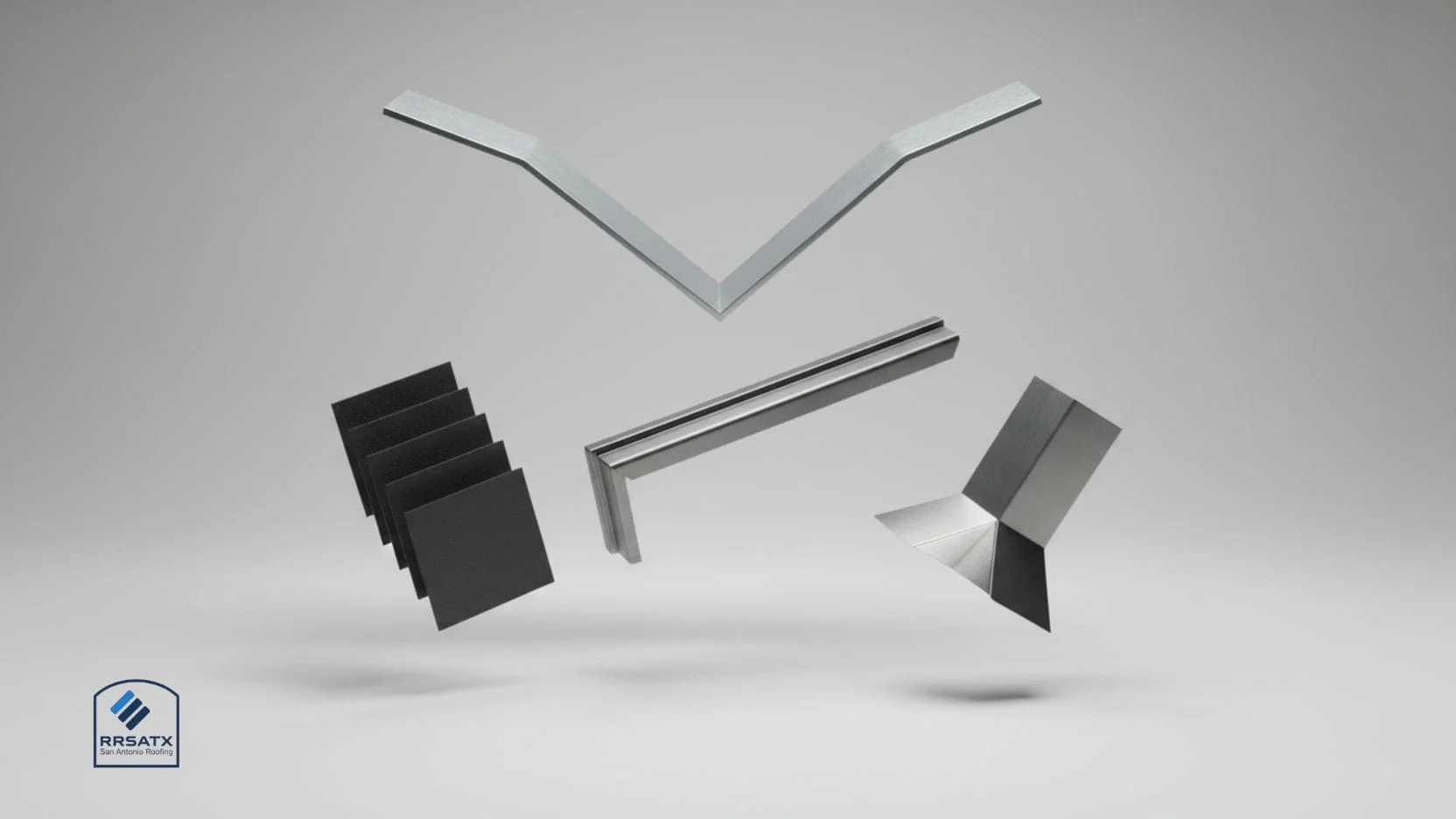
Drip Edge vs. Other Roof Flashing
It’s important to understand that drip edge flashing is not the same as other flashing types.
| Flashing Type | Purpose |
| Drip Edge | Protects roof edges |
| Step Flashing | Seals roof-to-wall intersections |
| Valley Flashing | Protects roof valleys |
| Chimney Flashing | Seals around chimneys |
| Kickout Flashing | Diverts water at roof-to-wall edges |
Drip edge specifically manages water at the perimeter of the roof.
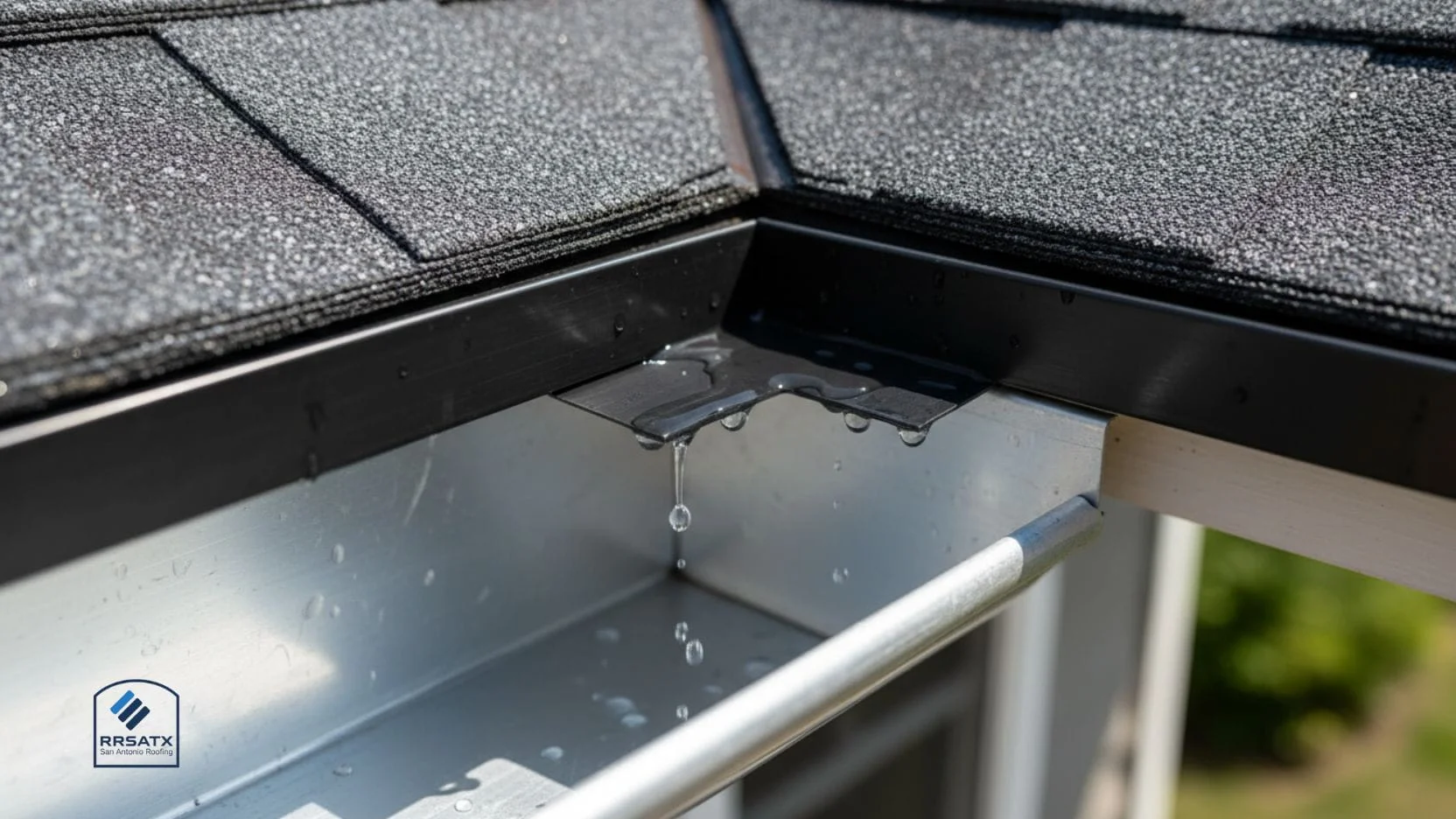
Drip Edge for Shingles: Why Compatibility Matters
Asphalt shingles are designed to shed water downward. But their edges are vulnerable.
Without drip edge:
- Shingle edges can curl
- Granules can wash away
- Water can back up under the shingle
- Ice dams can cause damage in winter climates
Drip edge for shingles provides a clean, stable termination point for the shingle system.
Common Misconceptions About Drip Edge
My roof has gutters, so I don’t need drip edge
Gutters do not stop water from running behind them. Drip edge directs water into the gutter.
The shingles hang over, that’s enough
Overhang alone does not control surface tension. Water can still curl backward.
Drip edge is optional
In many regions, it is code-required. Even when not required, it is strongly recommended.
It’s only for new roofs
Drip edge replacement is possible during reroofing or major repairs.
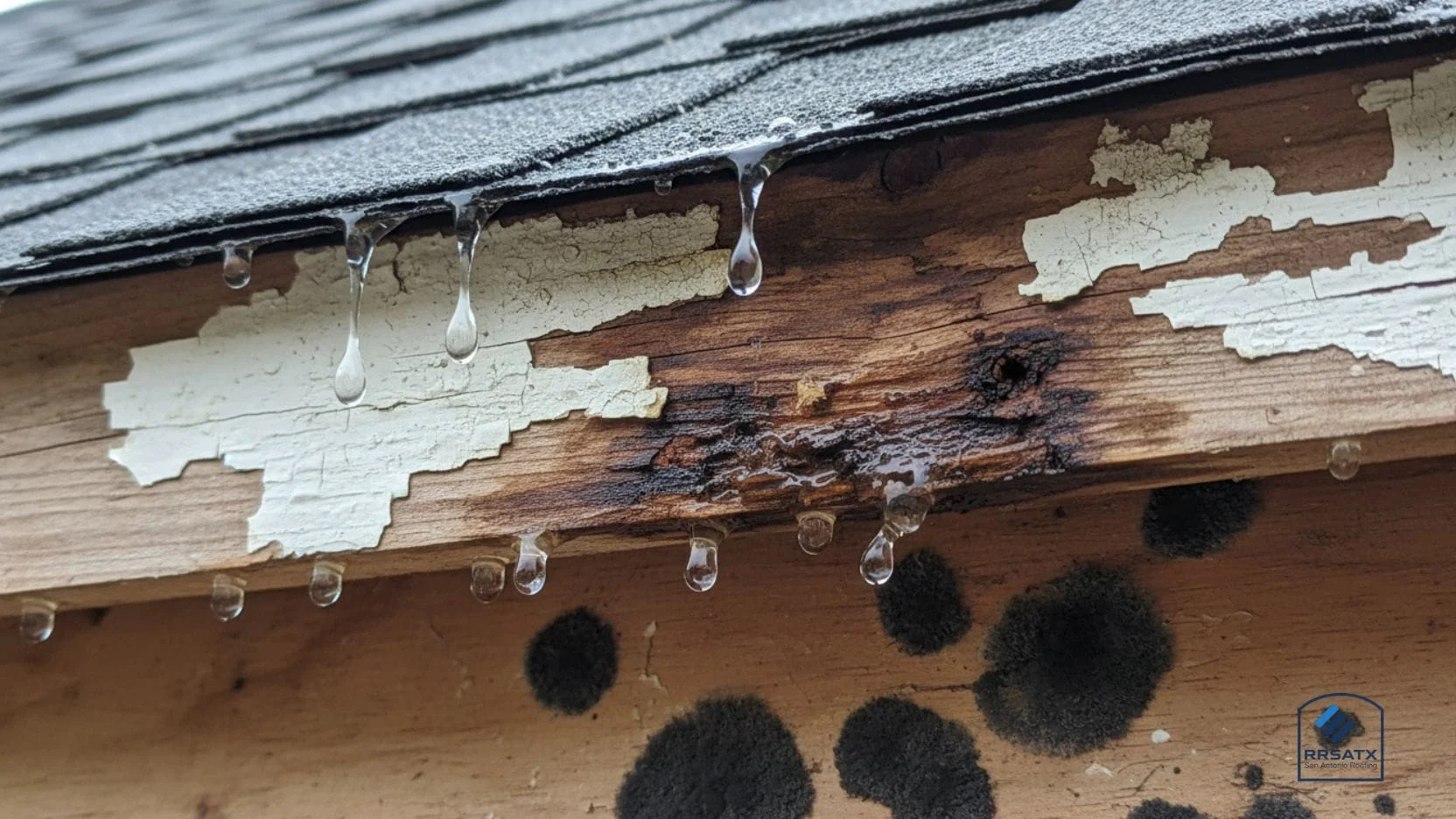
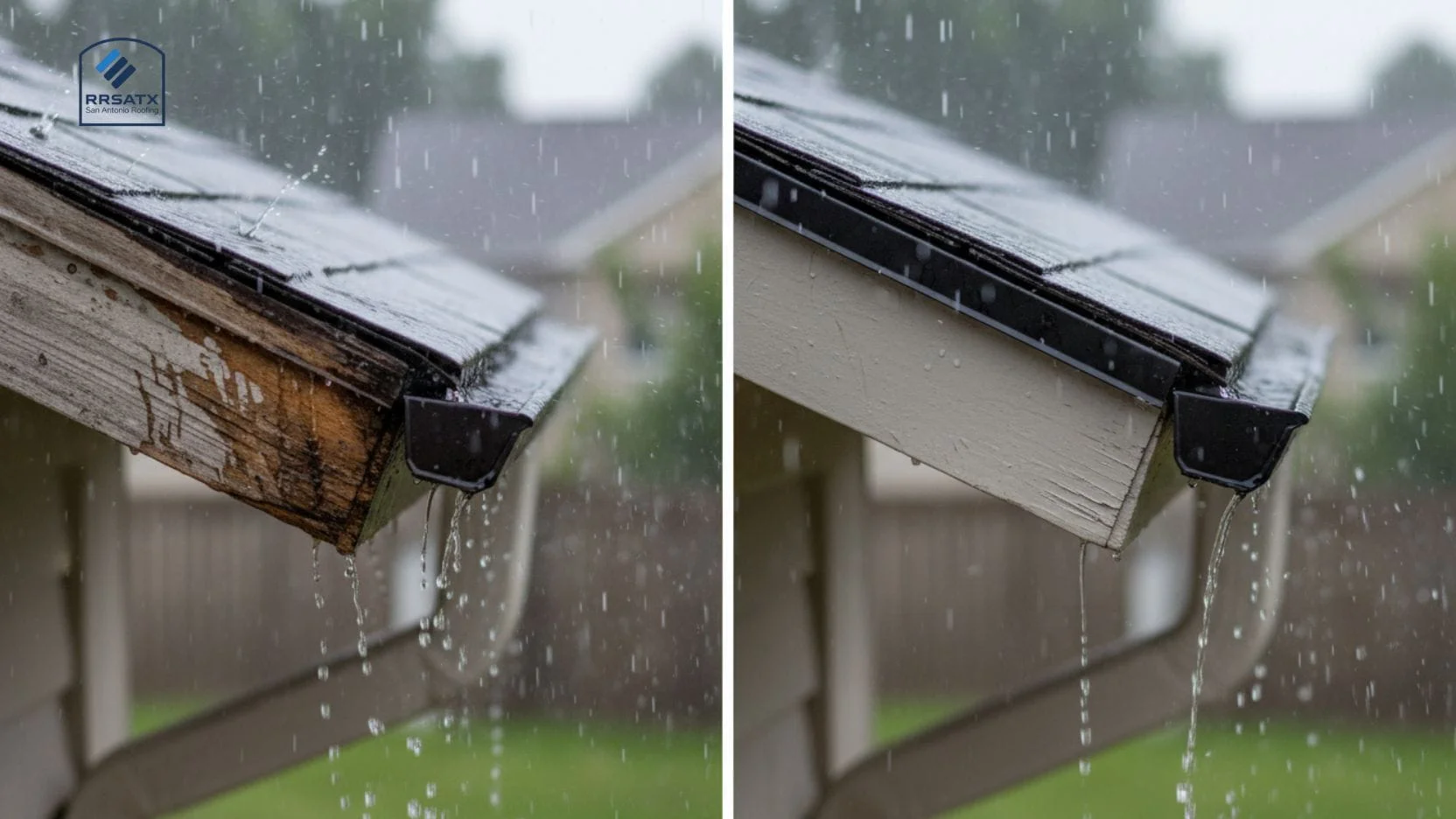
What Happens When a Roof Has No Drip Edge?
Over time, you may see:
- Peeling paint on fascia
- Soft or rotting wood
- Stained siding
- Rusted gutter backs
- Mold or mildew growth
- Water marks under eaves
These are not cosmetic issues. They are signs of ongoing moisture intrusion.
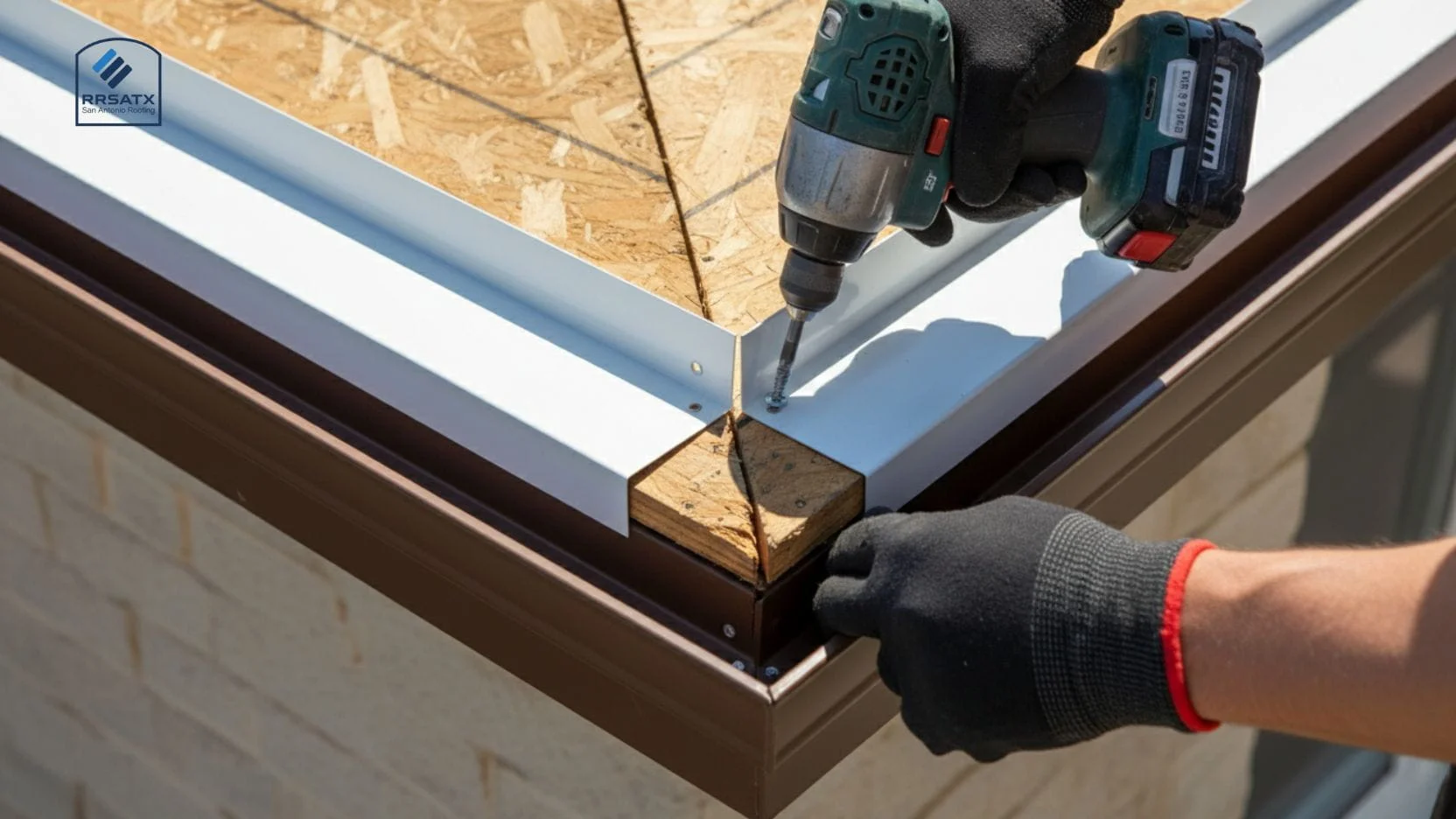
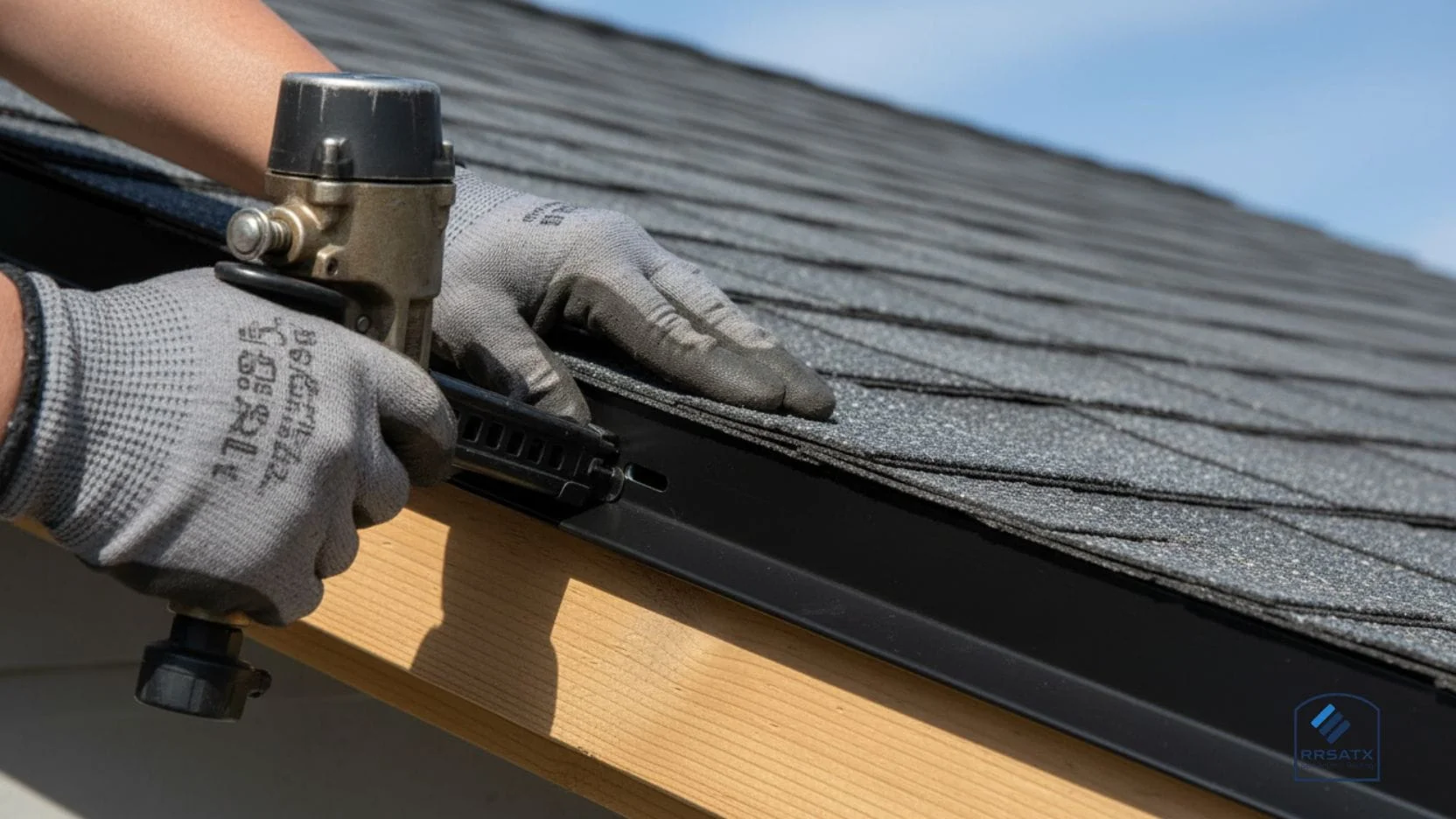
Drip Edge Installation: What You Should Know
Drip edge installation is typically done during:
- New roof installation
- Full roof replacement
- Major roof repairs
It is installed before shingles and integrated with the underlayment.
Proper installation includes:
- Correct overlap at corners
- Proper fastening spacing
- Correct placement relative to underlayment
- Clean alignment with gutter system
Improper installation can reduce effectiveness.
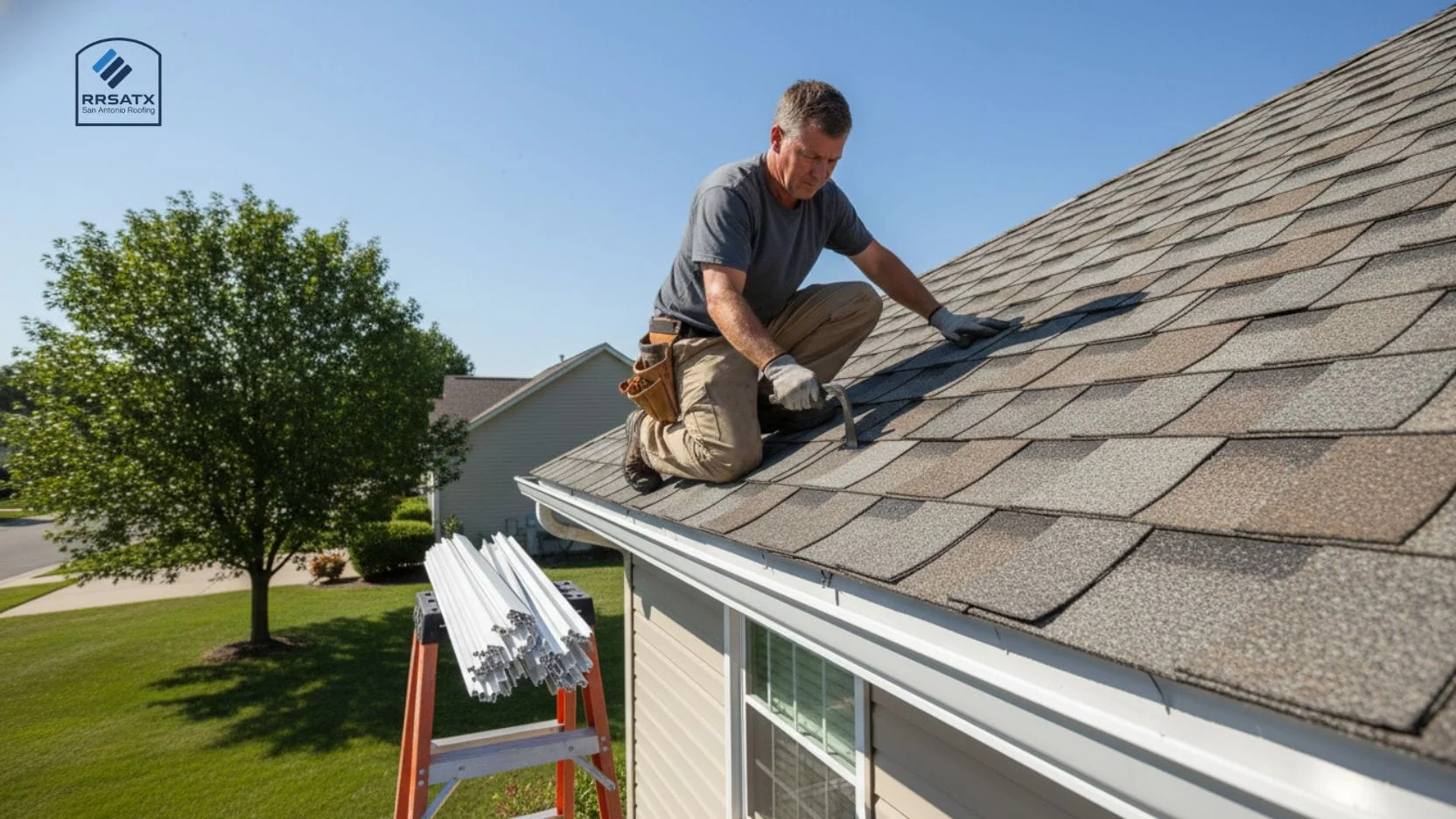
Can Drip Edge Be Added to an Existing Roof?
Yes, in many cases.
Drip edge replacement or retrofit installation can be done by:
- Loosening the first course of shingles
- Sliding drip edge underneath
- Re-securing shingles
However, this is labor-intensive and not always possible without damaging shingles.
It is most cost-effective during roof replacement.
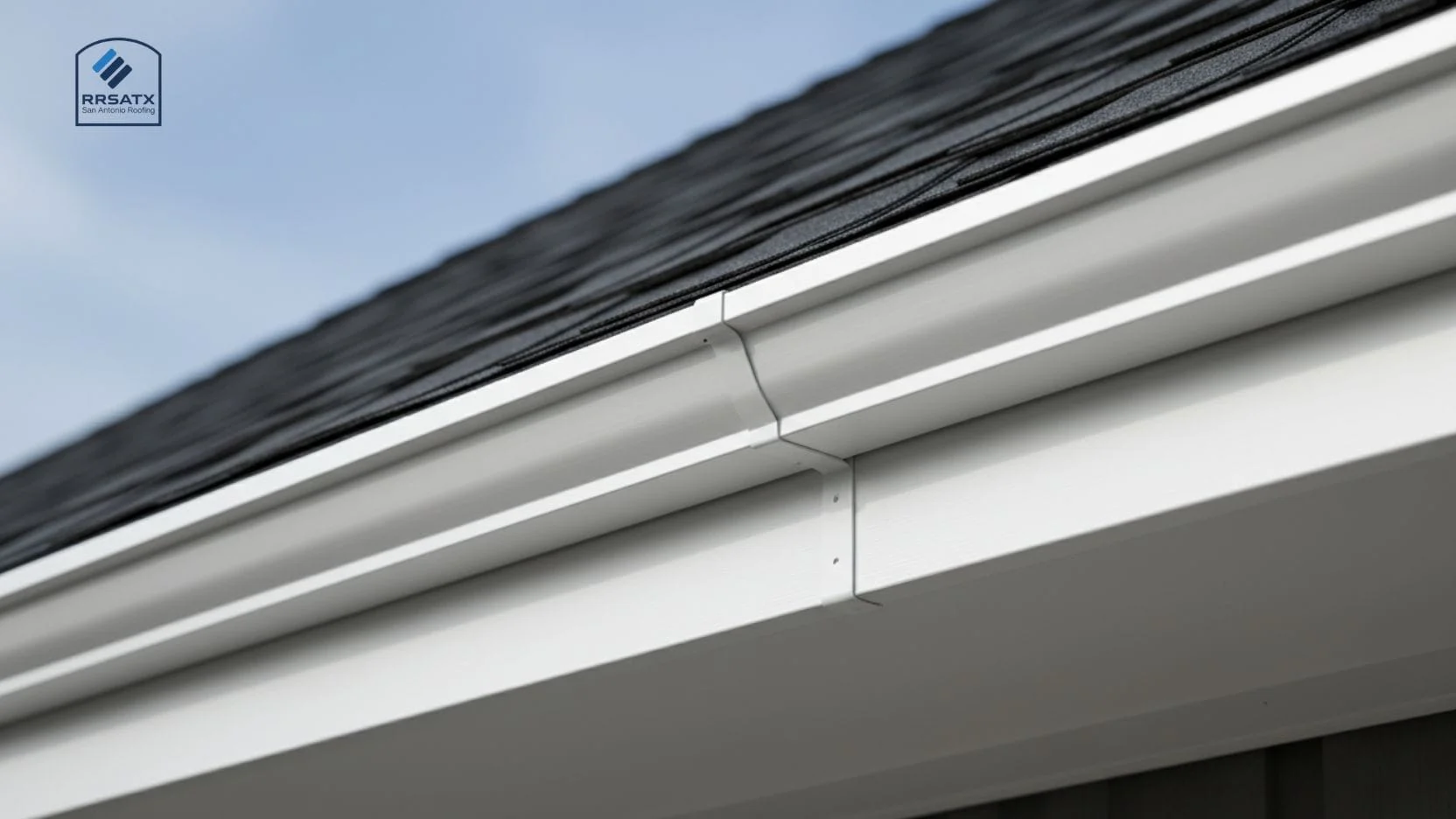
How Long Does Drip Edge Last?
Most metal drip edge products last as long as the roof itself.
Typical lifespan:
- Aluminum: 20–30 years
- Galvanized steel: 25–40 years
- Copper: 50+ years
Damage usually comes from:
- Improper installation
- Severe storms
- Physical impact
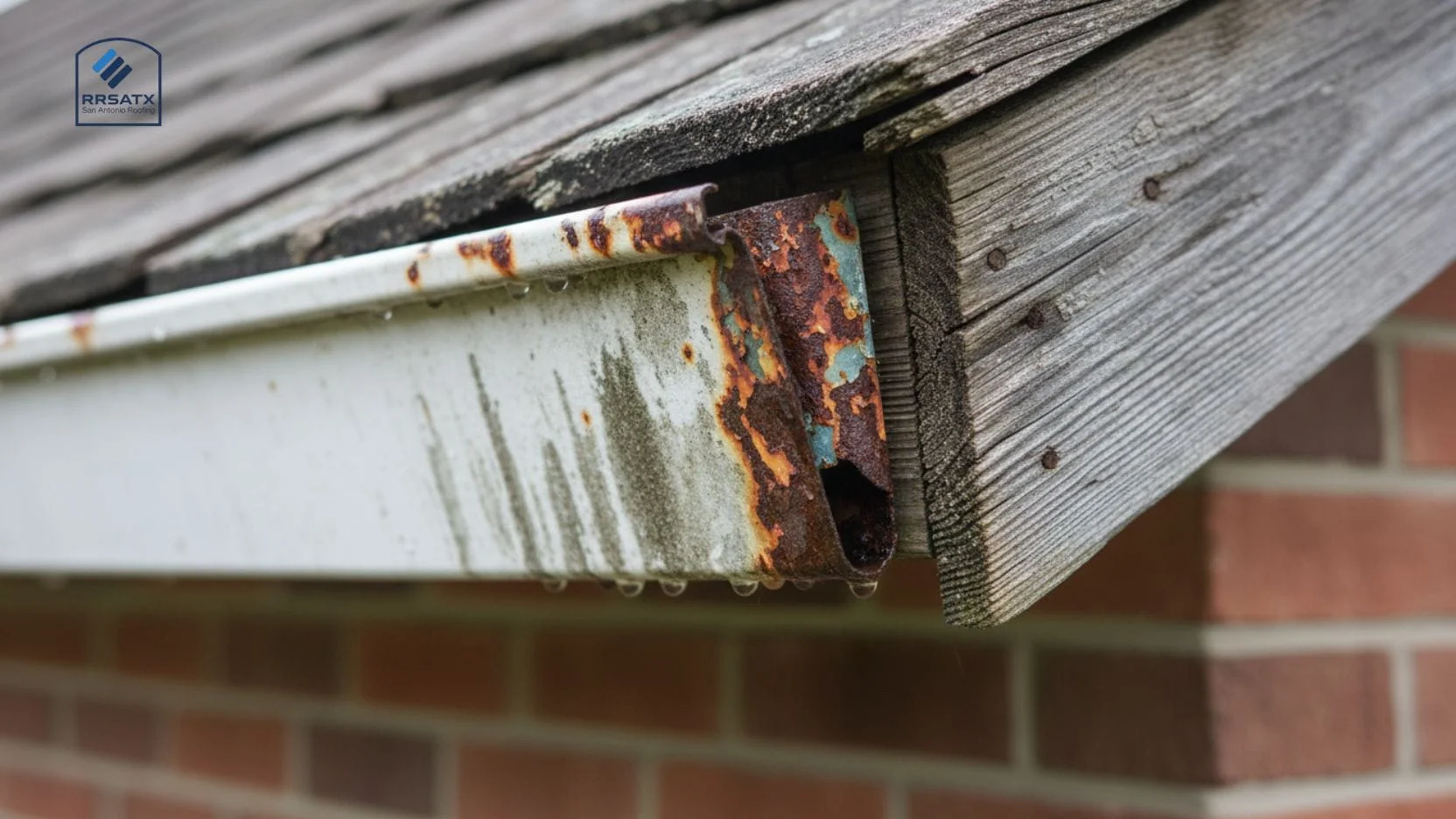
Signs Your Drip Edge May Need Replacement
Look for:
- Rust or corrosion
- Bent or detached sections
- Gaps between drip edge and fascia
- Water staining behind gutters
These indicate the system is no longer working as intended.
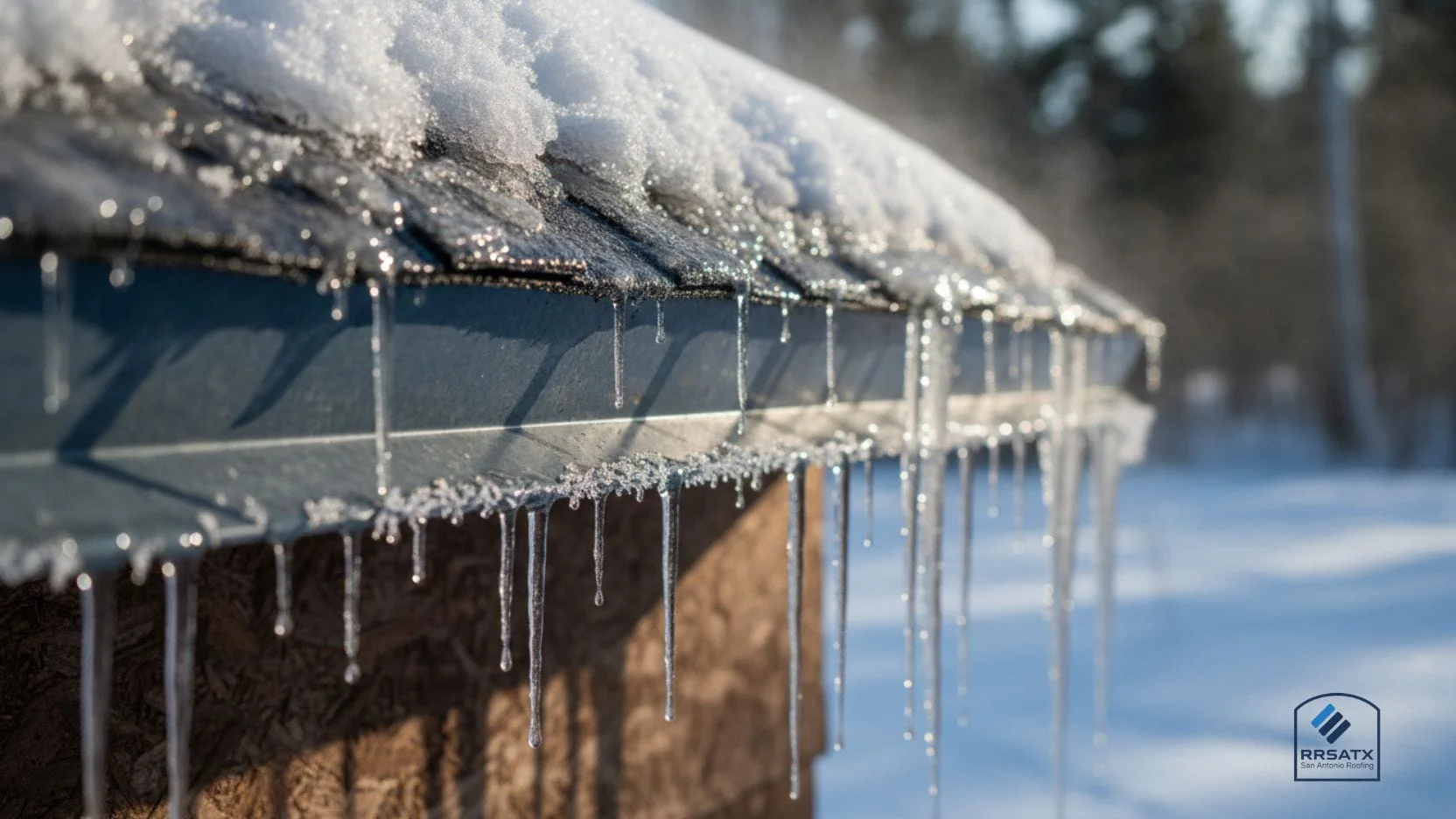
Drip Edge and Ice Dams
In cold climates, drip edge helps:
- Protect roof edges from ice buildup
- Prevent meltwater from backing up under shingles
- Reduce fascia damage from freeze-thaw cycles
It does not prevent ice dams, but it reduces their impact.
Drip Edge and Roof Warranties
Some shingle manufacturers require:
- Drip edge installation
- Proper edge detailing
Failure to install drip edge can:
- Void portions of the warranty
- Lead to denied claims for edge damage
Always check manufacturer requirements.
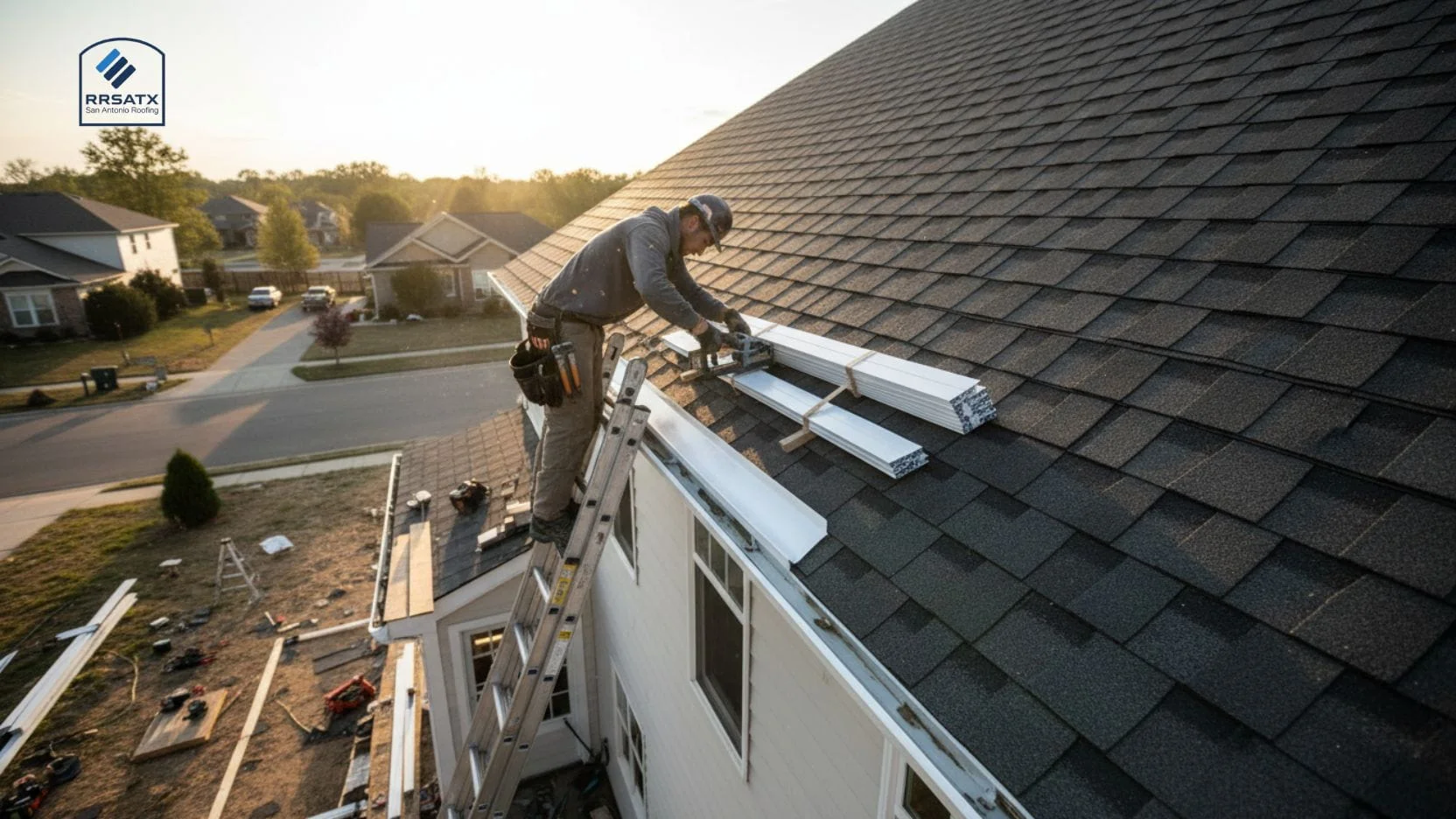
How Much Does Drip Edge Cost?
Material cost is relatively low.
Most of the cost comes from labor and access.
Typical factors affecting cost:
- Roof height and pitch
- Linear footage needed
- Whether it’s new installation or retrofit
- Material type (aluminum vs. steel vs. copper)
Compared to the cost of fascia or deck repair, drip edge is inexpensive prevention.
When Drip Edge Is Especially Important
Drip edge is critical for:
- Homes with wood fascia
- Roofs with minimal overhang
- Steep-slope roofs
- High rainfall regions
- Snow and ice climates
- Homes with past moisture issues
In these cases, skipping drip edge almost guarantees future problems.
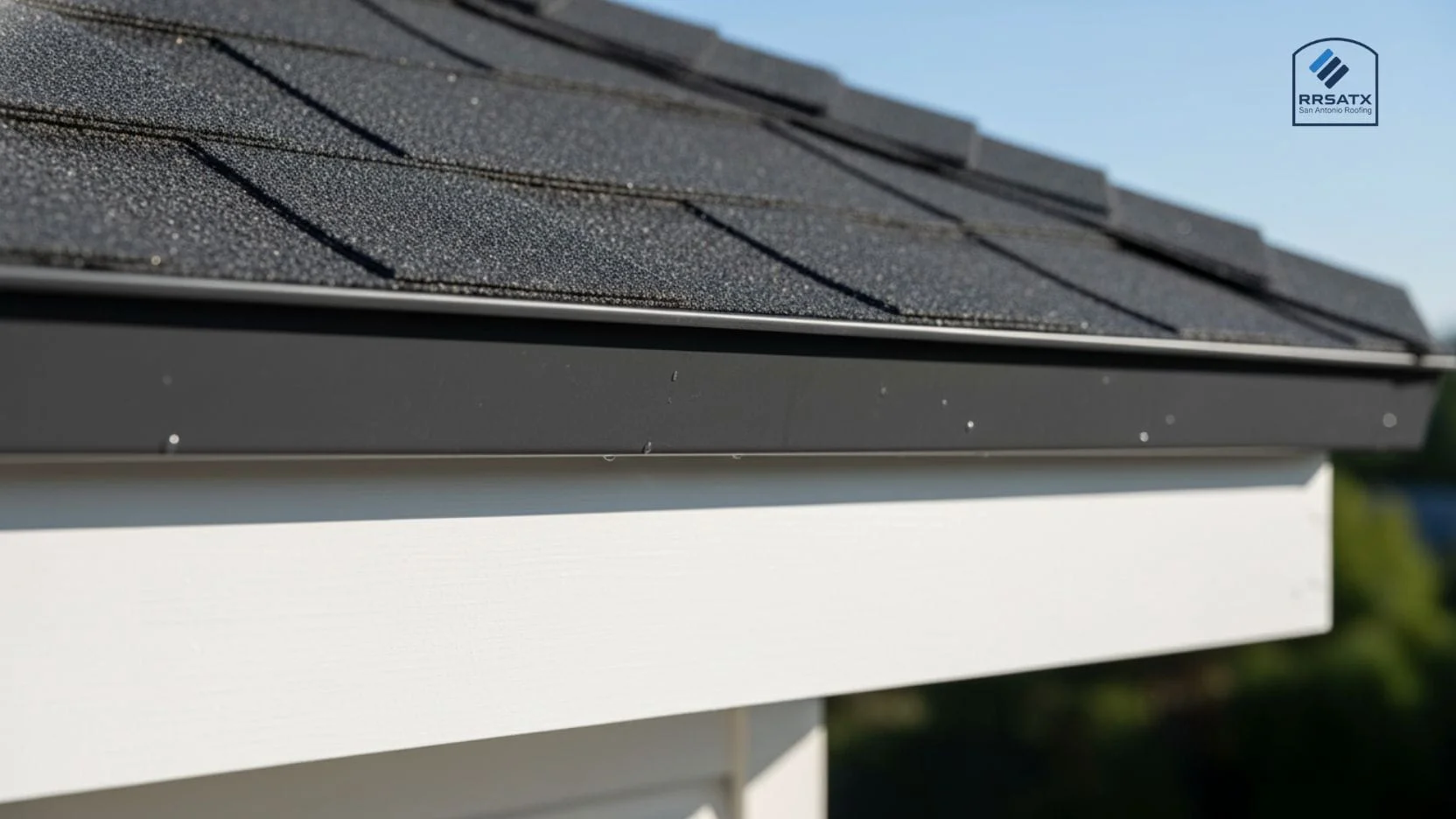
How to Check if Your Roof Has Drip Edge
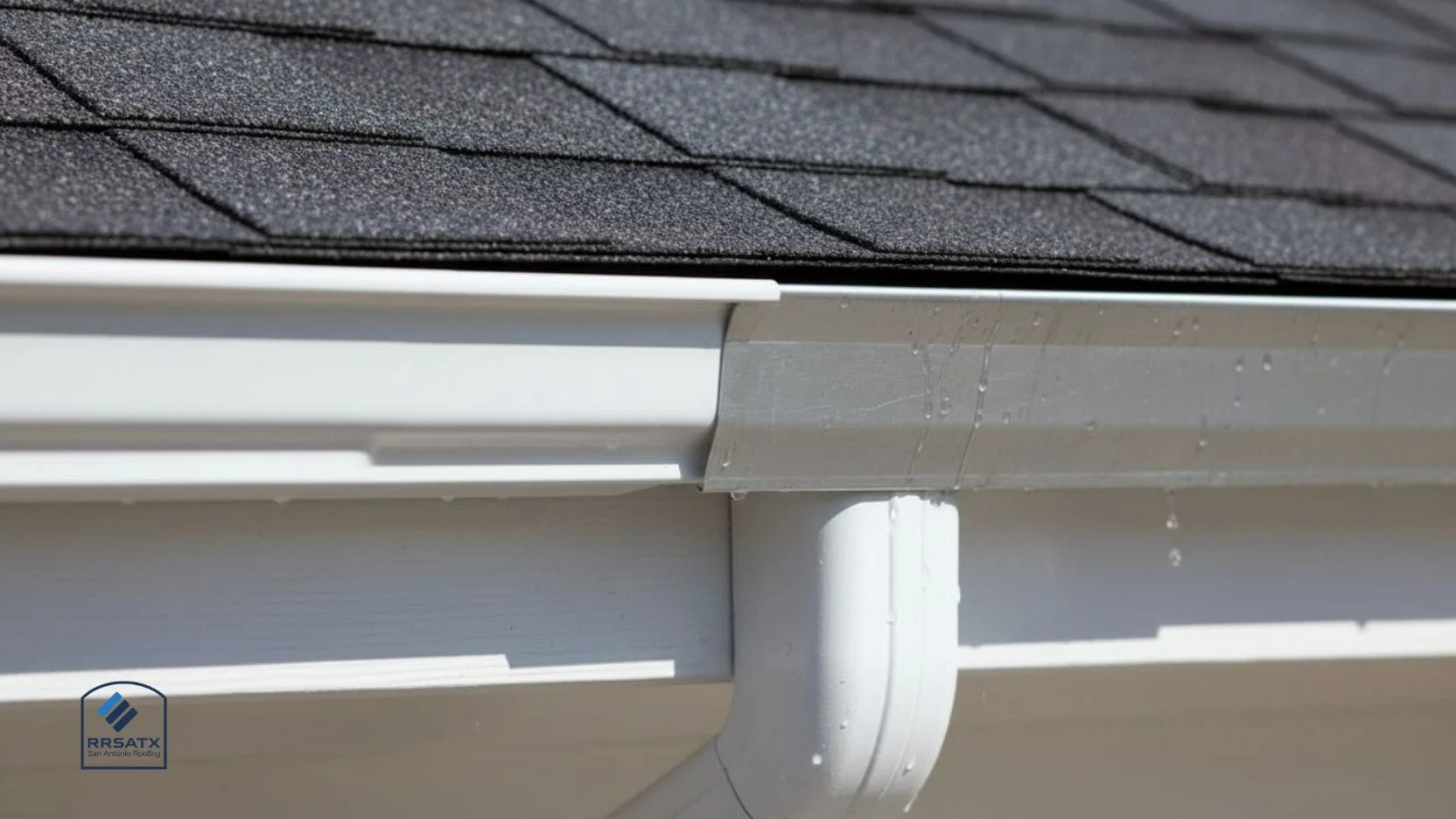
Stand near the gutter and look up at the roof edge.
You should see:
- A thin metal strip extending slightly past the fascia
- A clean edge under the shingles
- Metal visible behind or above the gutter
If you only see wood or shingle edges, you may not have drip edge.
Drip Edge in New Construction vs. Older Homes
New Construction
- Usually code-required
- Standard installation practice
- Integrated with modern roofing systems
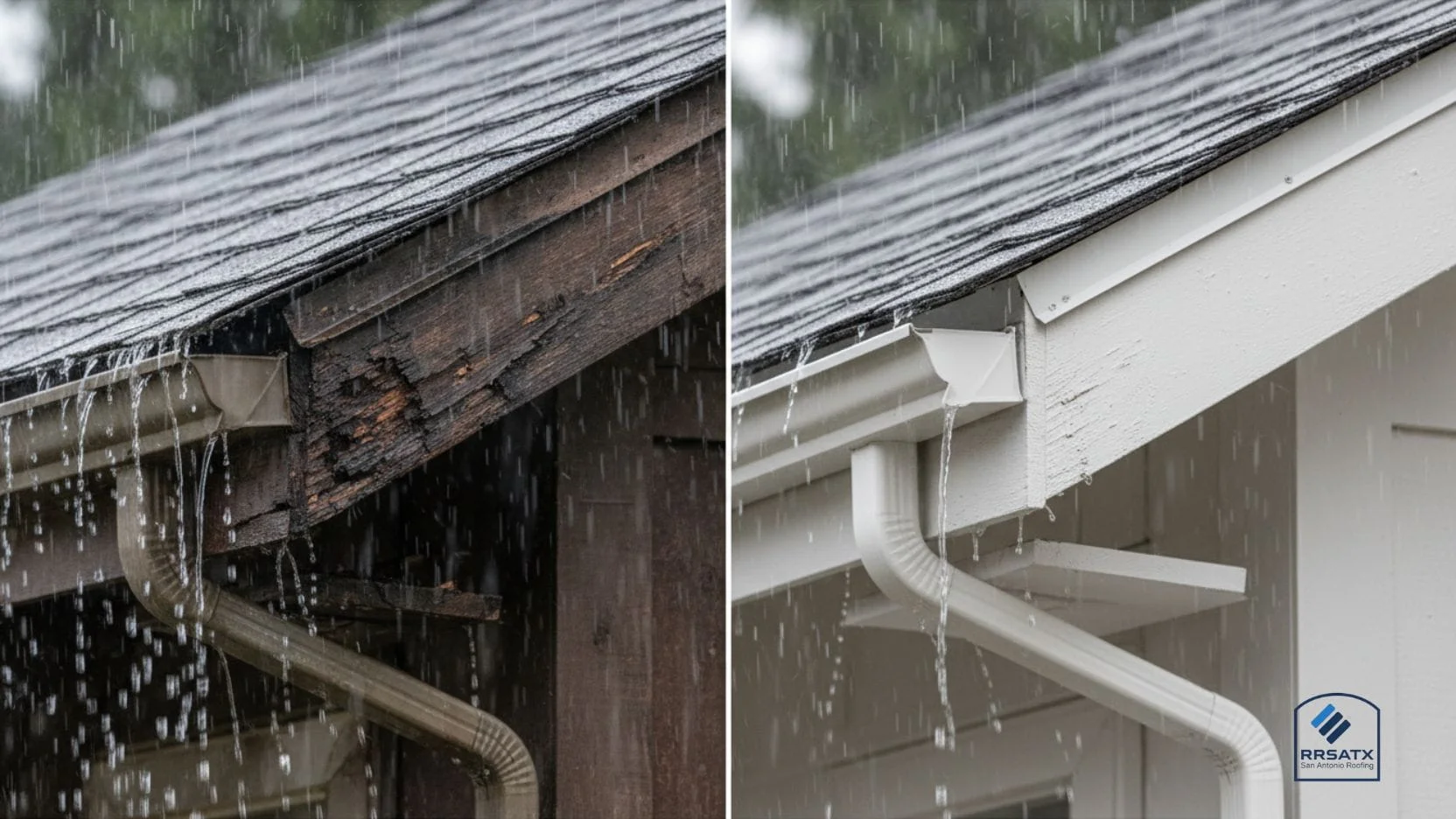
Older Homes
- Often missing
- May have wood rot at edges
- Benefit greatly from retrofit during reroofing
Many edge damage issues in older homes trace back to the absence of drip edge.
Is Drip Edge Ever Not Needed?
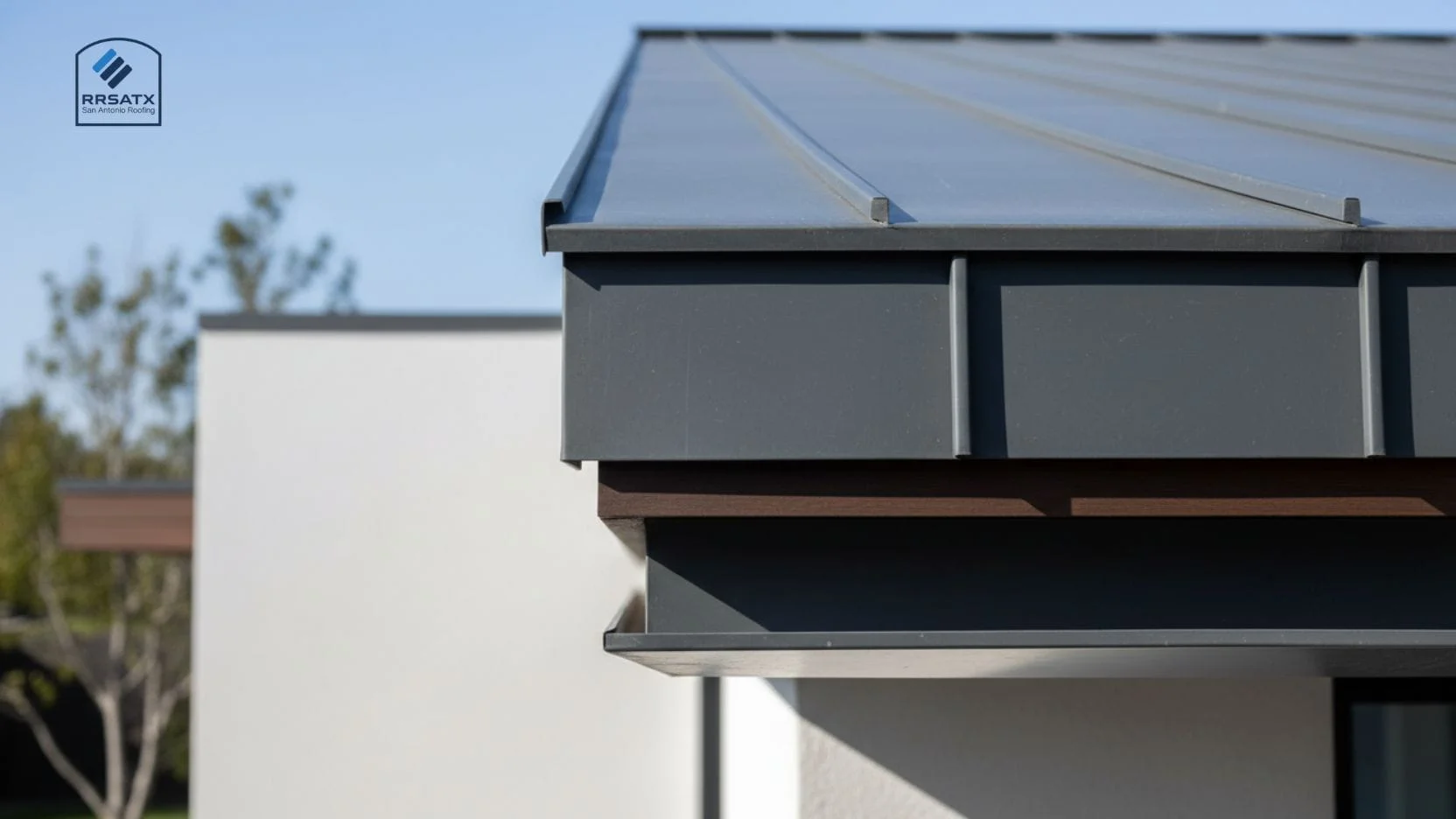
In rare cases:
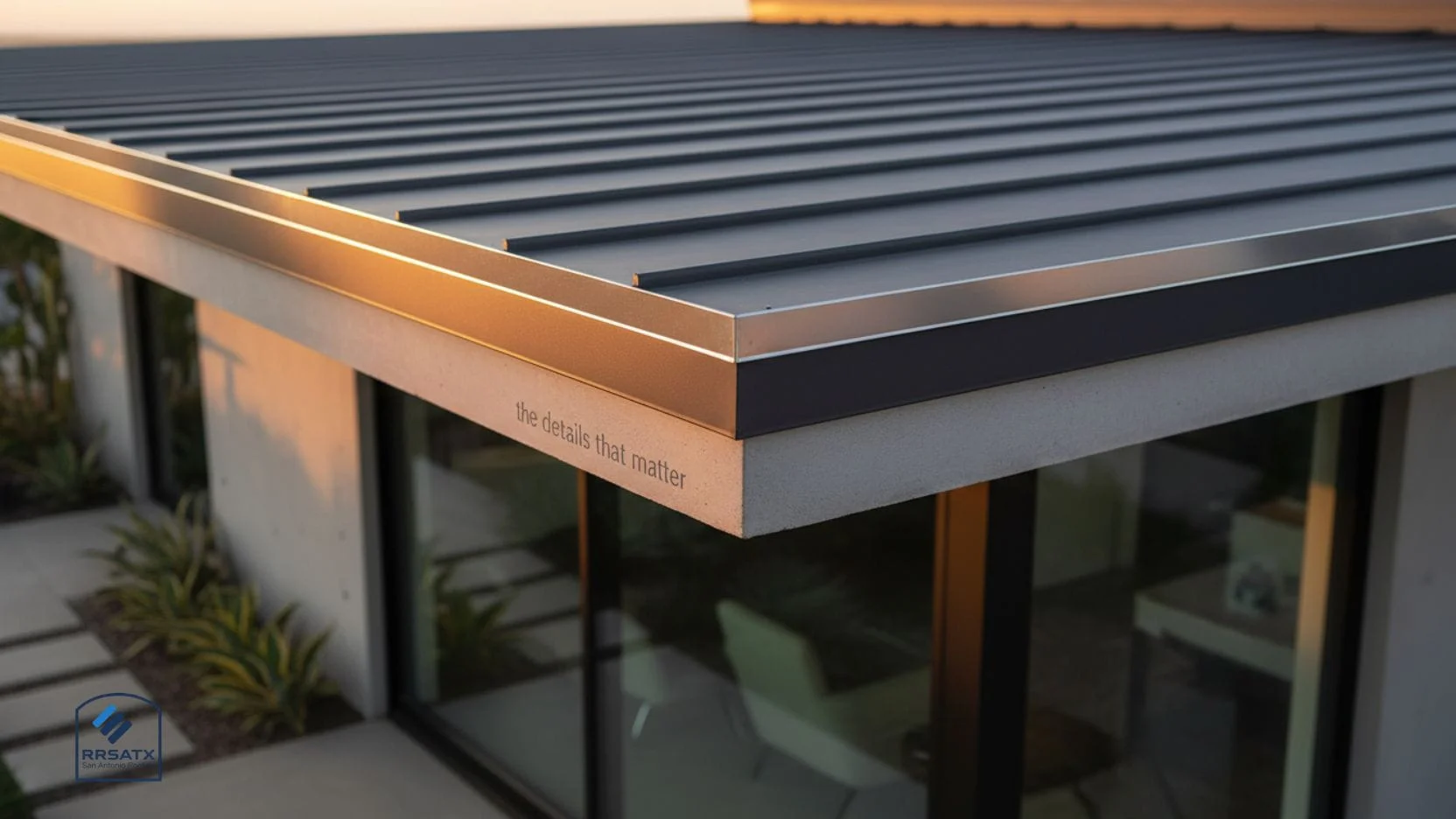
- Some metal roof systems have built-in edge detailing
- Certain flat roof systems use different edge designs
However, for asphalt shingle roofs, drip edge is almost always recommended.
Key Takeaways
- Drip edge is a critical roof edge flashing component.
- It protects fascia, decking, and siding from water damage.
- It is often required by building code.
- It is especially important for shingle roofs.
- It is inexpensive compared to the damage it prevents.
In short, drip edge is not an upgrade. It is part of a complete roofing system.
Frequently Asked Questions
Do you need drip edge on a roof?
In most cases, yes. It protects the roof structure and is often required by code.
What is roof drip edge flashing?
It is a metal flashing installed along roof edges to control water runoff and protect wood components.
Can drip edge be added later?
Yes, but it is easiest and safest during roof replacement.
Is aluminum drip edge better than steel?
Aluminum is lighter and corrosion-resistant. Steel is stronger. Both are effective when installed correctly.
Does drip edge stop leaks?
It helps prevent edge-related water intrusion but does not replace proper underlayment and flashing elsewhere.
Final Perspective
Drip edge is one of the most misunderstood roofing components. It is small, often overlooked, and rarely discussed yet it plays a major role in protecting the roof structure.
Understanding what a drip edge is and why it exists allows homeowners, builders, and property managers to make better decisions about roof longevity, maintenance, and moisture control.
When it comes to roofing, details matter. Drip edge is one of those details.