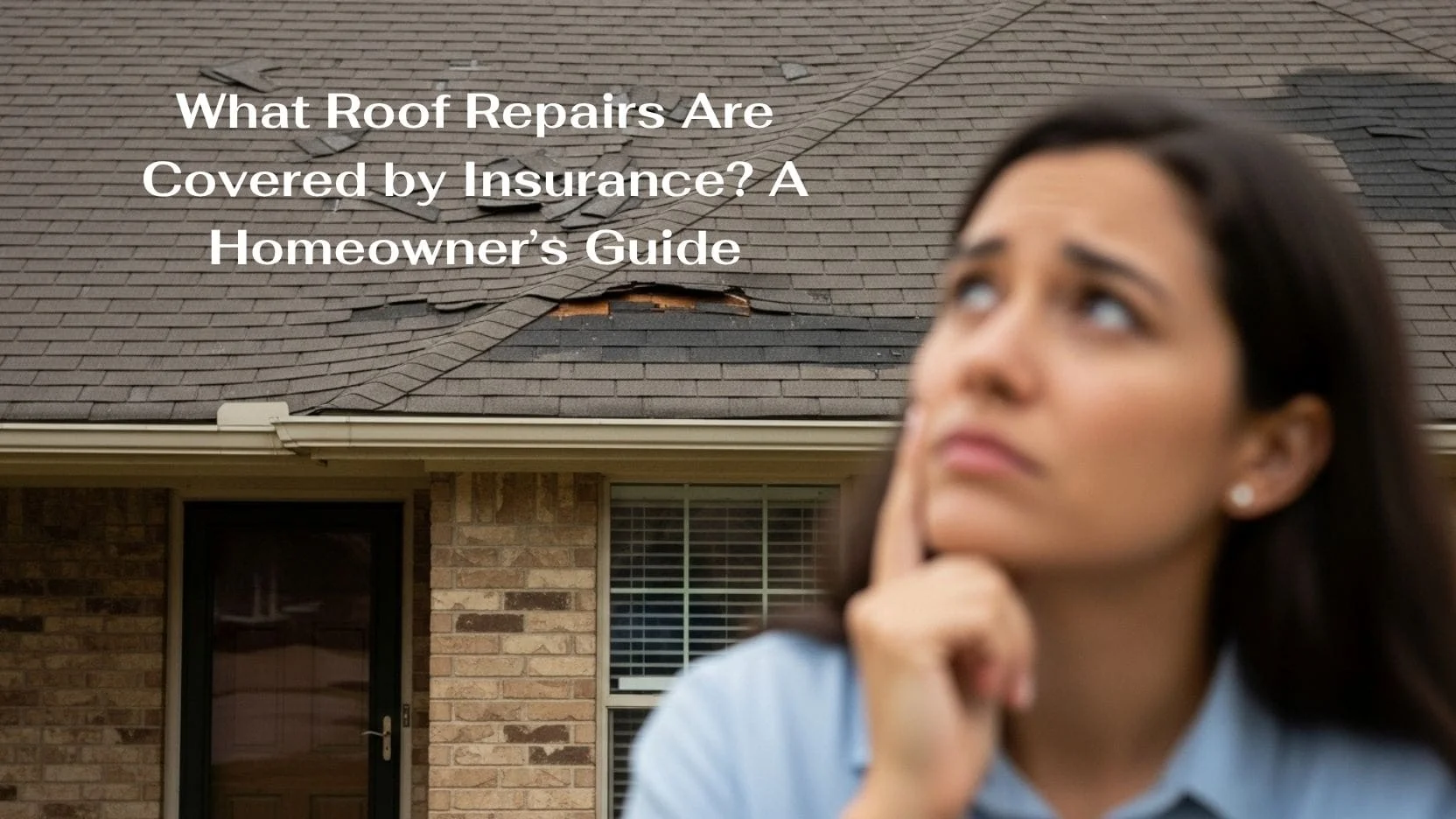
When a storm hits and you notice water dripping from the ceiling, the first thought that runs through your mind is: Will my insurance cover this? Roof repairs can be expensive, and understanding what’s included in your policy can save you from a costly surprise. This guide breaks down exactly what types of roof repairs are covered by homeowners insurance, what’s not, and how to file a successful claim.
How Homeowners Insurance Typically Covers Roof Damage
Most standard homeowners insurance policies cover roof damage that results from sudden and accidental events. That means damage caused by things like hail, wind, fire, or falling trees is usually covered. According to HomeAdvisor, insurers often classify these incidents as perils, and coverage applies if the damage was beyond your control.
“Most homeowners don’t realize their roof is only protected from sudden events not from age or neglect,” says a roofing claims specialist quoted by Forbes Home. In other words, if your roof was already old or poorly maintained, your claim could be denied even if a storm worsened the damage.
Common Roof Repairs That Are Usually Covered
If your roof suffers damage from a covered event, your insurance will likely pay for repairs such as:
- Replacing shingles blown off by wind or hail.
- Fixing holes caused by falling tree branches or debris.
- Repairing structural damage from fire or vandalism.
According to Angi, insurers typically send an adjuster to inspect the roof and determine whether repairs or a full replacement are necessary. If your roof was in good shape before the incident, you stand a better chance of getting a fair payout.
Roof Repairs That Aren’t Covered
Unfortunately, not every roof problem qualifies for coverage. Homeowners insurance won’t cover wear and tear, mold, rot, or damage caused by poor maintenance. If your roof is more than 20 years old, many insurers may only cover its depreciated value rather than the full replacement cost.
State Farm notes that insurance is meant to protect against unexpected events, not issues that develop slowly over time. So, if your roof leaks because of missing shingles that weren’t replaced, the repair cost will likely come out of your pocket.
Another common exclusion is damage caused by pests or animals. Squirrels or raccoons tearing through your shingles may be a nuisance, but that’s typically considered a maintenance issue, not an insurable event.
How to File a Roof Damage Insurance Claim (Step-by-Step)
If your roof suffers sudden damage, here’s how to make sure your claim process goes smoothly:
- Document the damage — Take clear photos and videos from multiple angles. Note the date and cause (e.g., hailstorm, falling branch).
- Get a professional inspection — A licensed roofer can assess the extent of the damage and provide an estimate for repairs.
- Contact your insurance company — Notify them promptly. Most policies have strict timelines for reporting damage.
- Meet with the adjuster — They’ll inspect the roof and determine how much the insurer will pay.
- Review your deductible and payout — Check whether your policy covers the full replacement cost or the roof’s current value.
The Zebra suggests keeping receipts for all temporary repairs, as insurers may reimburse you later.
Tips to Maximize Your Coverage
You can take a few smart steps to ensure your roof remains protected and that your claims are approved when needed:
- Schedule regular roof inspections. Preventive maintenance helps prove you’ve taken care of your home.
- Keep all repair records. Receipts, inspection reports, and warranty documents can support your claim.
- Hire certified roofing contractors. Insurers are more likely to honor claims backed by professional assessments.
- Understand regional risks. In areas prone to hurricanes or hail, some insurers may require additional wind or storm coverage. Check your policy annually.
Forbes Home advises homeowners to read their policy’s fine print carefully, as coverage terms and deductibles can vary widely.
Conclusion
Homeowners insurance generally covers roof repairs that result from sudden, accidental damage like hail, wind, or falling trees. But it won’t pay for normal wear, aging materials, or poor maintenance. Understanding these differences can help you avoid claim denials and protect your biggest investment: your home.
Before the next storm hits, review your policy, keep your roof in good shape, and document everything. That way, if damage happens, you’ll be ready to file with confidence.