
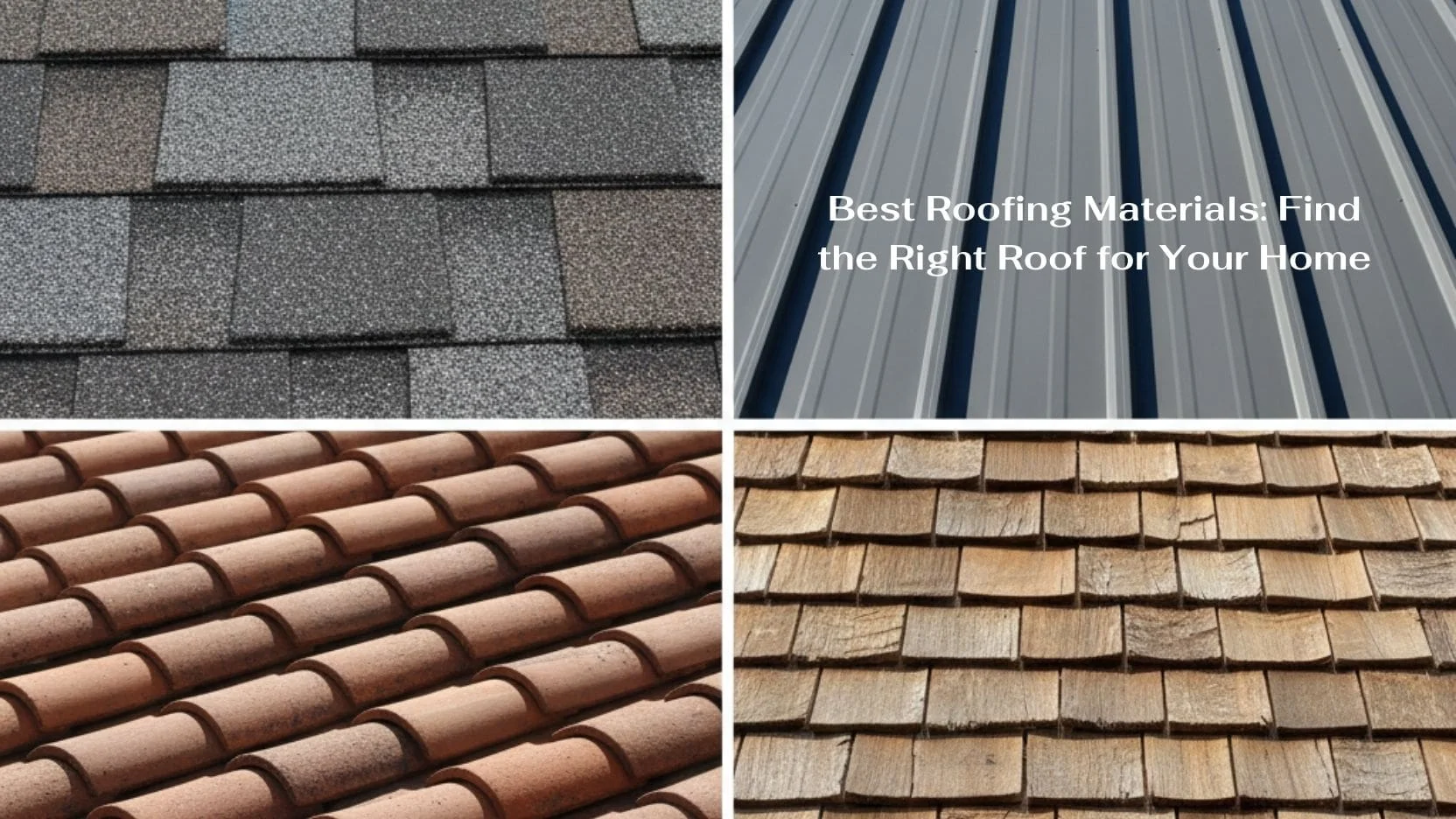
Roofing guide · San Antonio, Texas
Which Roofing Material Is Best for a San Antonio Home?
There is no single best roof. Here is how the common materials compare for South Texas heat and storms, and how to choose.
The short answer
The best roofing material depends on your roof’s slope, your budget, how long you plan to stay, and your priorities on heat, hail, and looks. Asphalt shingles are the most common residential roof covering in Texas, according to the Texas Department of Insurance. [1] Metal and tile last longer with maintenance: the City of San Antonio’s design guidelines say clay tile, cement tile, slate, and metal can last more than fifty years, while asphalt shingles typically last 20 to 30 years. [2]
How do the main materials compare?
Each has a trade-off.
| Material | Strengths | Trade-offs |
|---|---|---|
| Asphalt shingles | Most common in Texas; [1] wide choice of styles; impact-rated options | Shorter life than tile or metal [2] |
| Metal | Durable, low maintenance, can last 50 years or more; reflective coatings available [3] | Tends to cost more than shingles; [3] thinner panels can dent |
| Clay or concrete tile | Long life with maintenance [2]; naturally cool terra cotta [4] | Heavy; tiles can crack; framing must support them |
| Flat roof membranes | Made for low-slope roofs; cool-colored options [4] | Need good drainage; seams need care |
What matters most in San Antonio?
Heat, hail, wind, and the roof’s slope.
- Heat. Reflective, cool-colored products absorb less solar heat. [4]
- Hail. Texas classifies impact-resistant roofing from Class 1 to 4, and Class 4 gets the highest insurance premium credit, though each company sets its own discount. [5]
- Wind. For shingles, TDI advises products tested to ASTM D 3161 Class F or ASTM D 7158 Class H. [1]
- Slope. Asphalt shingles can only be installed on slopes of 2:12 or greater; [1] flatter roofs need low-slope systems.
How should you choose?
Start with the roof, then your plans.
- Confirm the slope and the condition of the deck and framing.
- Decide how long you plan to stay.
- Rank your priorities: upfront cost, lifespan, heat, hail, looks.
- Check HOA rules; Texas law limits how HOAs can restrict certain impact-resistant, energy-efficient, or solar shingles. [6]
- Compare written estimates that name the exact products.
What RRSATX recommends
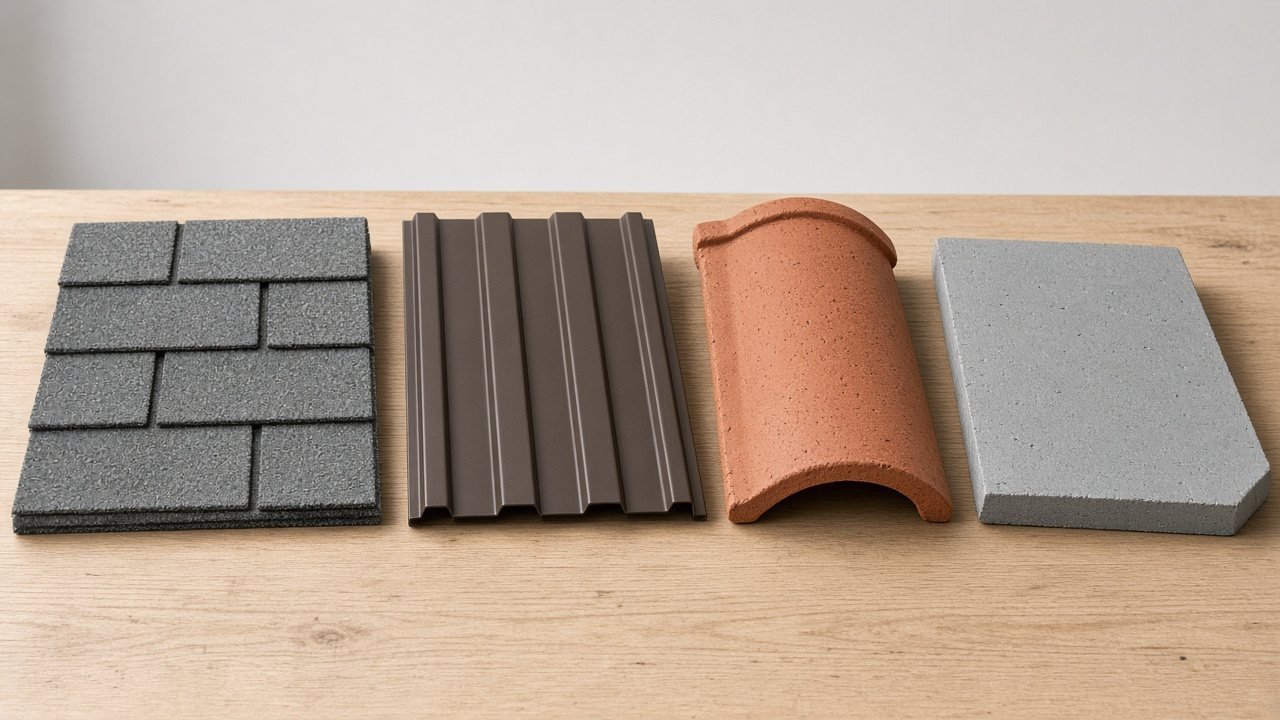
Ask for at least two material options in writing for your roof. Seeing both side by side for the same house makes the choice much clearer.
Next steps: what you can do, and what needs a pro
Narrow the options with facts about your roof.
You can safely:
- Decide how long you plan to stay.
- Ask your insurer about impact-rated roof discounts.
- Check HOA rules.
- Compare written estimates for two materials.
Leave to a roofer: checking slope, deck, and framing, and pricing materials that suit the house. RRSATX offers a free roof inspection with a photo report and a written estimate.
Local roofing service
About Affordable Roofing Contractors San Antonio
Affordable Roofing Contractors San Antonio, also known as RRSATX, is a father-and-son roofing business owned by Ted. Ted has 40 years of hands-on roofing experience. The company carries $2 million in liability insurance coverage. It offers free roof inspections and leak inspections, with no fee and no obligation, provides a photo report after the inspection, and gives a free written estimate before any work starts. If storm damage is involved, RRSATX can help as your roofer, not your adjuster: it can document damage and prepare an estimate, but it cannot act as a public insurance adjuster or negotiate a claim for you. [7] RRSATX provides a written workmanship warranty; this guide does not state its terms.
- Phone
- (713) 504-2341
- sales@affordableroofingcontractorssanantonio.com
- Address
- 4324 Monterey St, San Antonio, TX 78237
- Contact
- Request a free roof inspection
Best roofing materials: questions answered
What is the longest-lasting roof?
With maintenance, tile, slate, and metal can last more than fifty years, according to the City of San Antonio’s design guidelines. [2]
Is metal better than shingles?
It depends on budget and plans. See metal versus shingles.
Can my house support tile?
Tile is heavy, so framing has to be checked before switching.
What is a cool roof?
A roof that absorbs and transfers less heat from the sun, mainly through high solar reflectance. [4]
Request a free roof inspection
Call or use the contact form. You get a photo report and a written estimate before any work starts.