
[et_pb_section fb_built=”1″ admin_label=”section” _builder_version=”4.16″ global_colors_info=”{}”][et_pb_row admin_label=”row” _builder_version=”4.16″ background_size=”initial” background_position=”top_left” background_repeat=”repeat” global_colors_info=”{}”][et_pb_column type=”4_4″ _builder_version=”4.16″ custom_padding=”|||” global_colors_info=”{}” custom_padding__hover=”|||”][et_pb_code _builder_version=”4.27.6″ _module_preset=”default” global_colors_info=”{}”]
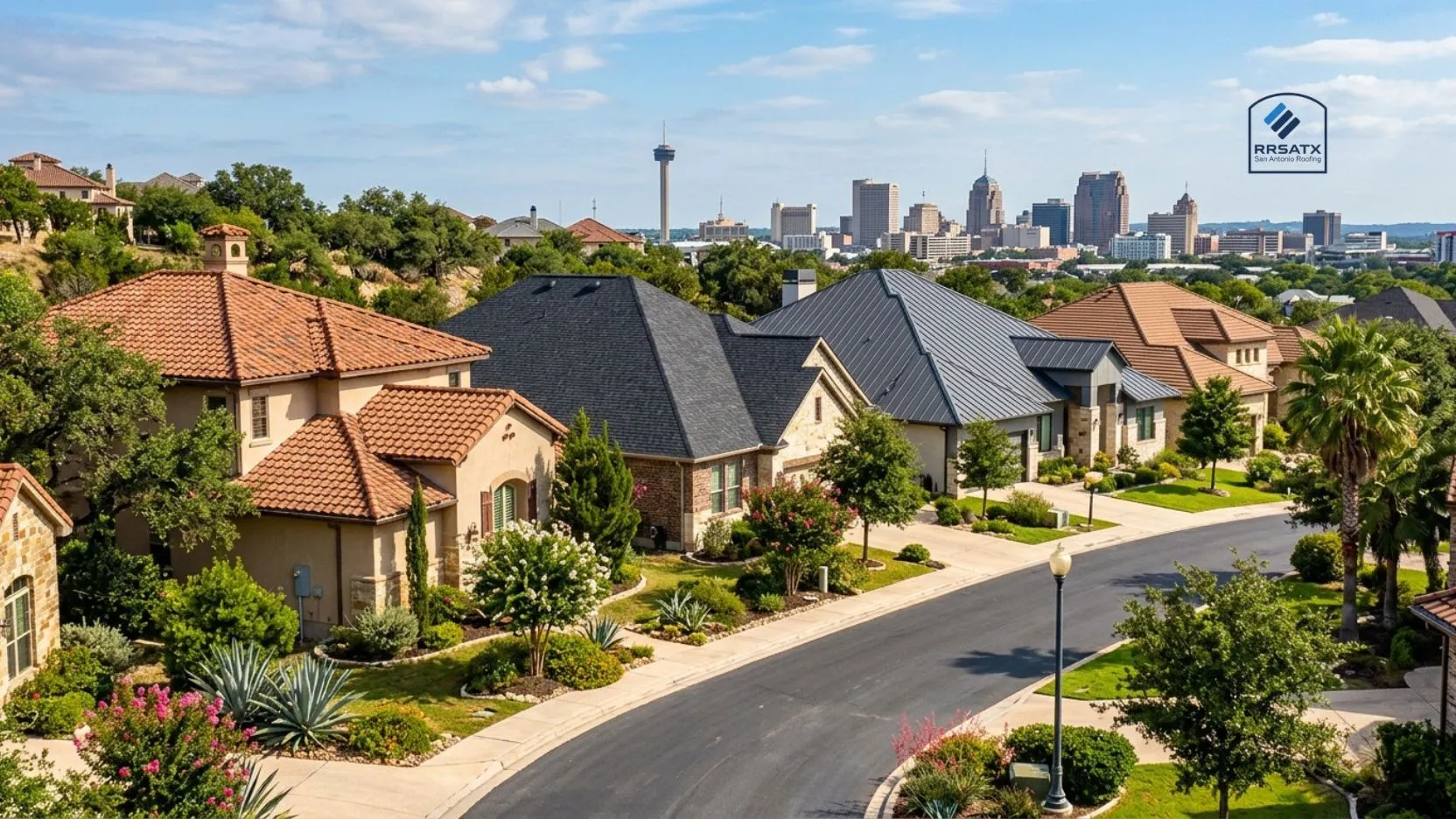
Choosing the right roofing material is one of the biggest decisions a San Antonio homeowner will make. This guide covers every major roof type available in San Antonio, what each one costs, how each performs in Texas heat and hail, and how to decide which material fits your home.
San Antonio homeowners have more roofing material choices today than ever before, and each one performs differently against the specific demands of South Texas weather. Intense summer heat, sudden hailstorms, high UV exposure, and the occasional hard freeze all put roofing materials through a unique stress test. The right choice depends on your budget, your home’s architectural style, and how long you plan to stay before the next roof replacement.
This guide breaks down every major roofing type available in San Antonio: what it costs installed in 2026, how it holds up to Texas weather, and which homes it suits best. Whether you are replacing storm-damaged shingles or building new, this comparison will help you choose with confidence.
The cheapest roofing material to install is not always the cheapest roof over time. A material with a lower price tag but a shorter lifespan or higher hail vulnerability can end up costing more in repairs and early replacement than a pricier option built to last. Before choosing a roofing material in San Antonio, ask about installed cost, expected lifespan in this climate, and how the material performs against hail, since hail is the single biggest threat to roofs in this region.
Most Popular
Asphalt shingles cover the large majority of residential roofs in San Antonio, and for good reason. They are the most affordable roofing material to install, come in dozens of colors and styles, and almost every local roofing contractor is experienced installing and repairing them. Three-tab shingles are the most basic and least expensive option, while architectural (dimensional) shingles add a thicker, more textured look and better wind resistance.
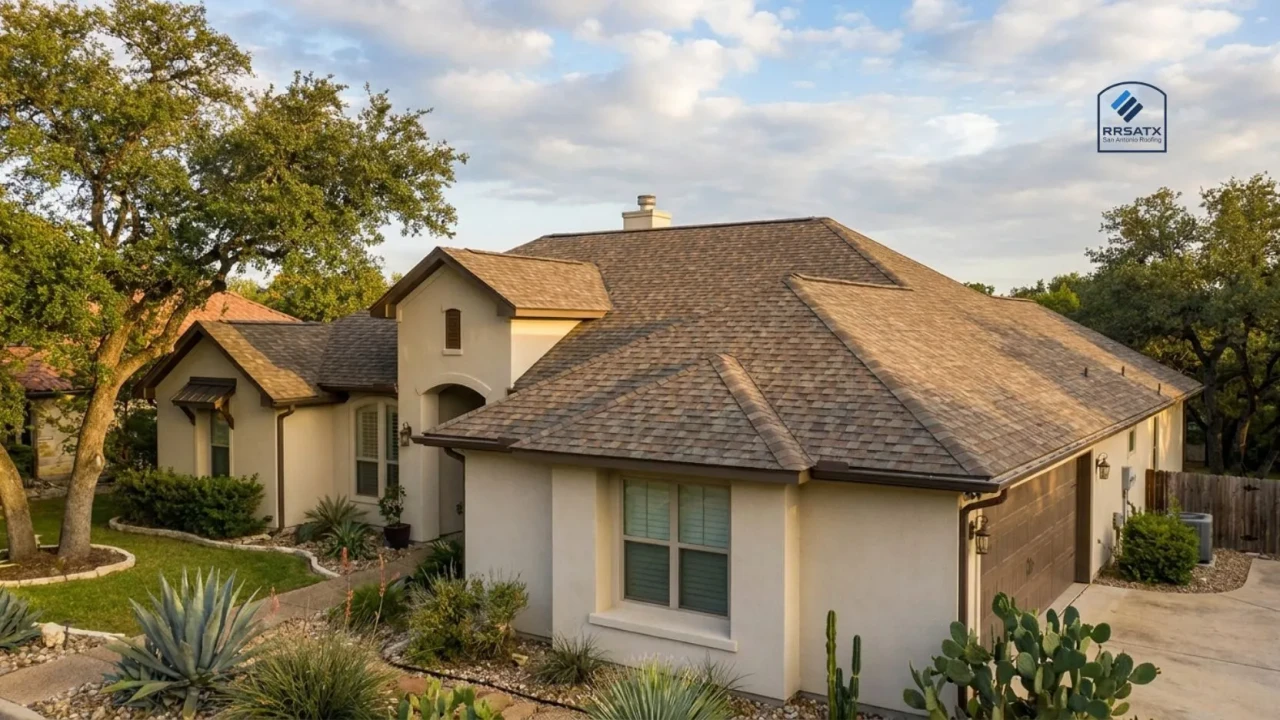
Three-tab shingles: The most budget-friendly option, with a flat, uniform appearance. Typically rated for 15 to 20 years and offers the lowest wind resistance of the shingle category.
Architectural shingles: Thicker, layered shingles with a dimensional look that mimics the appearance of wood shake from a distance. Rated for 25 to 30 years and better suited to San Antonio’s wind and hail exposure.
- Confirm whether shingles are three-tab or architectural before comparing quotes
- Ask about Class 4 impact-resistant shingles and the related insurance discount
- Verify the manufacturer warranty length and whether it covers labor or materials only
- Confirm proper attic ventilation is included, since this affects shingle lifespan in Texas heat
- Check that synthetic underlayment, not old-style felt, is part of the installation scope
Best Durability
Metal roofing has grown steadily in popularity across San Antonio over the past decade, largely because it holds up better against hail and heat than any other common material. Standing seam metal panels and exposed-fastener corrugated panels are the two main styles installed residentially, with standing seam carrying a higher cost but a cleaner appearance and better long-term seal.
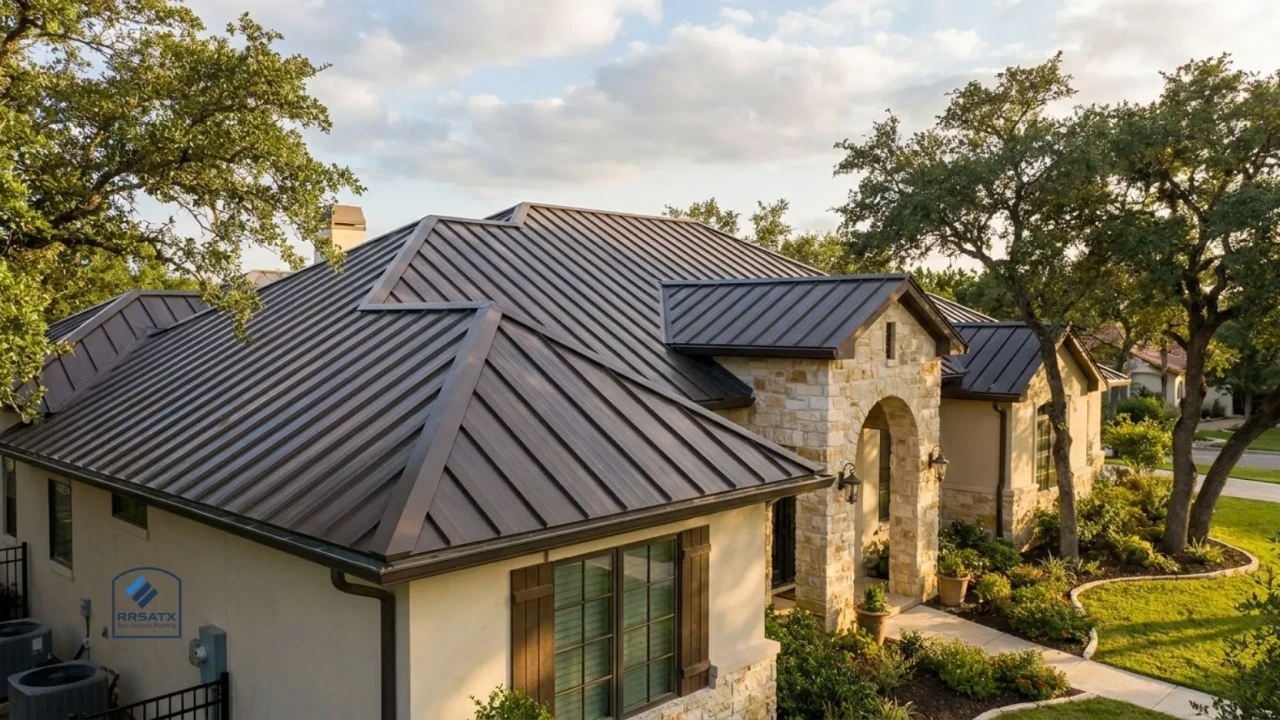
Metal also reflects more solar heat than asphalt, which can meaningfully reduce summer cooling costs in San Antonio’s climate. The tradeoff is a higher installation cost and a louder sound during rain unless additional insulation is included.
Some Texas insurers offer a premium discount for metal roofs due to their hail and wind performance. Ask your insurance provider whether installing a metal roof in San Antonio qualifies for a reduced rate, since this can offset a meaningful portion of the higher installation cost over the life of the policy.
- Confirm whether the quote is for standing seam or exposed-fastener corrugated panels
- Ask about panel gauge thickness, since thinner gauges dent more easily in hail
- Verify whether additional insulation or underlayment is included to reduce rain noise
- Check with your insurer about a possible premium discount for metal roofing
- Confirm the contractor has documented standing seam installation experience specifically
Premium
Tile roofing is a familiar sight across San Antonio’s Spanish colonial and Mediterranean-style neighborhoods. Clay tile and concrete tile are both extremely long-lasting and handle Texas heat exceptionally well, since the tile material itself does not degrade under UV exposure the way asphalt does. The main consideration with tile is weight: most homes need verified structural support before a tile roof can be installed, particularly on older construction.
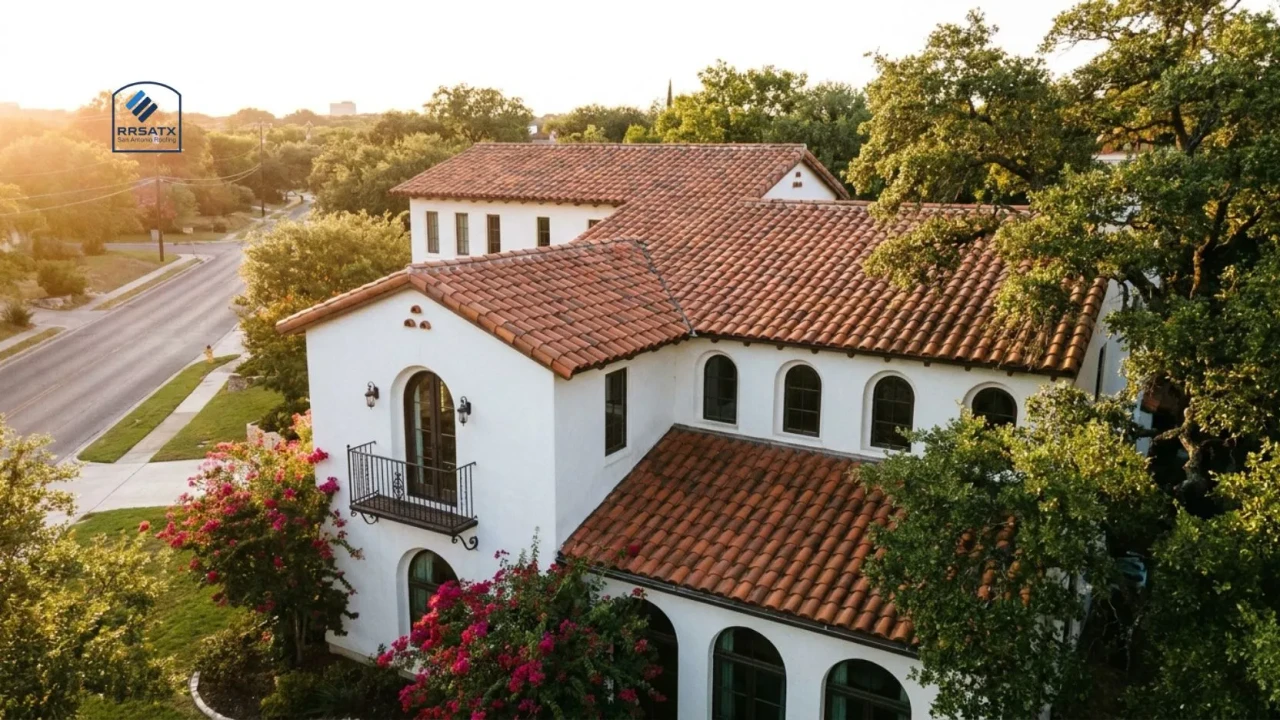
Clay tile: The traditional choice for Spanish and Mediterranean architecture, with a distinctive curved or flat profile and a lifespan that frequently exceeds 50 years. Clay holds its color well under San Antonio’s intense sun.
Concrete tile: A more affordable alternative to clay with a similar appearance and comparable durability. Concrete tile is heavier than clay and requires the same structural verification before installation.
- Structural load capacity verified by a contractor or engineer before installation
- Underlayment specified, since the underlayment, not the tile, is the primary water barrier
- Walkway plan in place for future maintenance to avoid cracking tiles underfoot
- Confirm whether broken tiles can be individually matched and replaced later
- Ask about the contractor’s specific experience with clay or concrete tile installation
Commercial Standard
Flat and low-slope roofing systems are common on home additions, covered porches, and the large majority of commercial buildings in San Antonio. Because water does not run off as quickly as on a pitched roof, these systems rely on membrane materials and proper drainage design rather than shingle overlap to stay watertight.
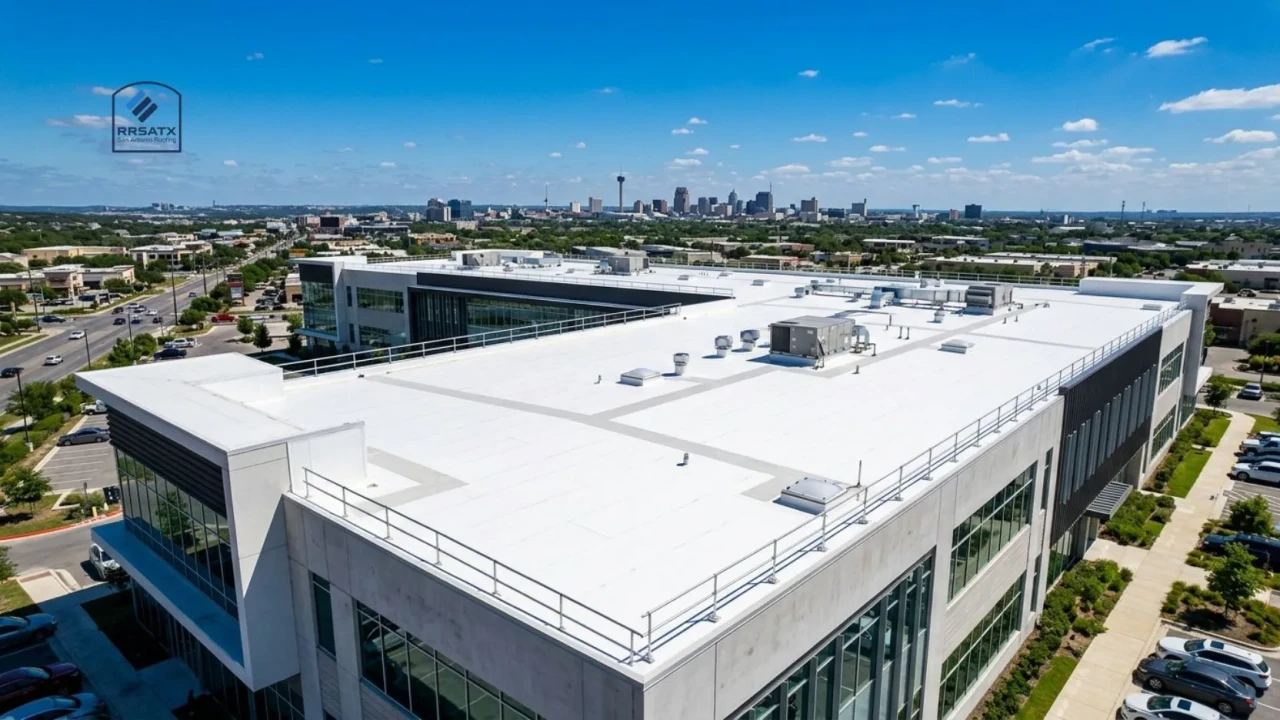
TPO (thermoplastic polyolefin) has become the most widely installed low-slope material due to its reflective white surface, which helps manage heat on San Antonio’s hot summer roofs. EPDM rubber membrane and modified bitumen remain common alternatives, particularly on older commercial buildings.
- Confirm proper drainage slope is built into the design, not just a flat membrane laid down
- Ask whether seams are heat-welded (TPO) or adhered, and how that affects warranty terms
- Verify insulation board (ISO board) is included beneath the membrane for energy efficiency
- Check the membrane thickness specified, commonly measured in mils
- Confirm a maintenance schedule for inspecting seams and drains after major storms
Higher Maintenance
Wood shake and wood shingle roofs offer a natural, textured appearance that some San Antonio homeowners prefer for craftsman and rustic-style homes. Cedar is the most common species used due to its natural resistance to insects and rot. That said, wood roofing requires more regular maintenance in San Antonio’s climate than asphalt, metal, or tile, since UV exposure, humidity swings, and the occasional wildfire risk all factor into the upkeep and insurance picture.
- Confirm whether the wood has been pre-treated with fire retardant before installation
- Ask your insurer about premium impact for untreated versus treated wood roofing
- Establish a maintenance schedule for cleaning, treating, and inspecting the wood surface
- Verify proper ventilation underneath to reduce moisture buildup in humid months
- Confirm the contractor has specific wood shake or shingle installation experience
Highest Cost
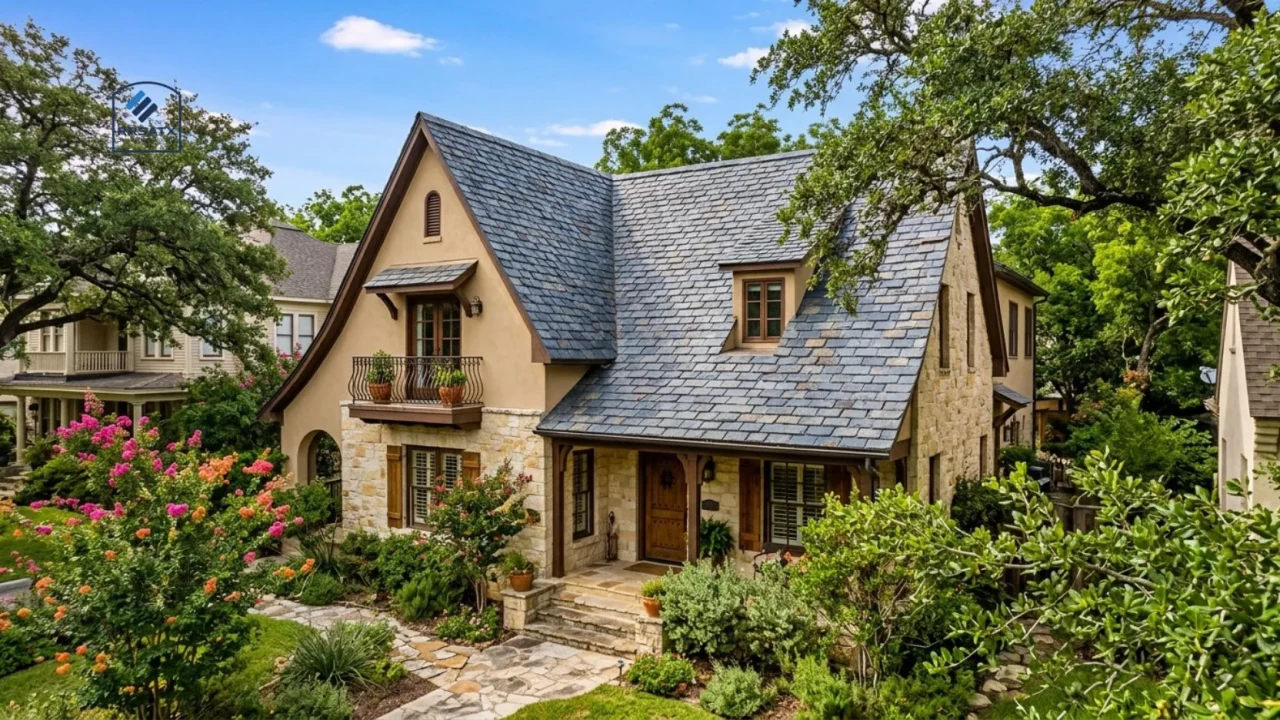
Slate is the longest-lasting roofing material available, with a service life that can exceed 100 years when properly installed and maintained. It is rare in San Antonio outside of historic homes and select high-end custom builds, largely due to its high material and installation cost and the heavyweight structural requirements it shares with tile. Few local contractors specialize in slate, so finding an experienced installer is an important first step.
- Structural engineering review completed to confirm the roof can support slate weight
- Contractor has documented, specific slate installation experience, not general roofing only
- Slate source and grade specified, since quality varies significantly between quarries
- Flashing details confirmed at every valley, chimney, and penetration point
- Long-term maintenance plan established for periodic tile replacement over decades
Use this table to compare lifespan, cost, and hail performance across the most common roofing materials installed in San Antonio. Actual pricing varies based on roof complexity, pitch, and material grade selected.
| Material | Cost per sq ft | Typical lifespan | Hail performance |
|---|---|---|---|
| Asphalt shingles | $4 to $8 | 15 to 30 years | Moderate; Class 4 improves this |
| Metal (standing seam) | $12 to $22 | 40 to 70 years | Strong; dents but rarely fails |
| Clay or concrete tile | $12 to $25 | 50+ years | Strong, though individual tiles can crack |
| Flat roofing (TPO/EPDM) | $5 to $10 | 20 to 30 years | Good when properly installed |
| Wood shake or shingle | $8 to $14 | 20 to 30 years | Weaker; more prone to splitting |
| Slate | $18 to $30 | 100+ years | Strong, though tiles can crack on impact |
| Situation | Recommended material | Reasoning |
|---|---|---|
| Tight budget, standard home replacement | Asphalt shingles | Lowest installed cost with a wide range of style options and easy local repair availability. |
| Planning to stay long-term, want to minimize future repairs | Metal (standing seam) | Higher upfront cost offset by a 40 to 70 year lifespan and strong hail performance. |
| Spanish, Mediterranean, or historic style home | Clay or concrete tile | Matches the architectural style and performs exceptionally well in Texas heat. |
| Home addition, porch, or commercial building | TPO or EPDM flat roofing | Purpose-built for low-slope applications with proper drainage and heat reflection. |
| Craftsman or rustic architectural style | Wood shake or shingle | Achieves the desired look, with the understanding that maintenance needs are higher. |
| Historic restoration or high-end custom build | Slate | Unmatched longevity and authenticity for projects where budget is a secondary concern. |
- Budget range confirmed, including both installed cost and expected lifespan per dollar spent
- Home’s structural capacity verified if considering tile, slate, or other heavyweight materials
- Insurance provider consulted about discounts for impact-resistant or metal roofing
- Architectural style of the home considered alongside material appearance and authenticity
- At least two written quotes received specifying exact material grade and brand
- Contractor’s specific experience with the chosen material confirmed, not just general roofing
- Manufacturer warranty terms reviewed for length and what voids coverage
- Ventilation and underlayment specifications discussed for the chosen material
- Hail and wind rating of the specific product compared, not just the material category
- Maintenance expectations clearly understood, especially for wood or tile roofing
- Final inspection completed and signed off before final payment is made
- Warranty documents received with contractor contact information and coverage period
- Maintenance schedule established appropriate to the material chosen
- Job site debris fully removed, including old material and packaging
- Insurance company notified of the new roof material for potential premium adjustment
What is the most common roofing material in San Antonio?
Which roofing material handles hail best in San Antonio?
How much does a new roof cost in San Antonio?
Can I install a metal roof over my existing shingles?
Is tile roofing too heavy for older San Antonio homes?
What roofing material lasts the longest in San Antonio’s climate?
Get a free roofing material consultation in San Antonio
Not sure which roofing material is right for your home and budget? We will walk you through your options, give you an honest recommendation, and provide a clear written estimate at no cost.
[/et_pb_code][/et_pb_column][/et_pb_row][/et_pb_section]