
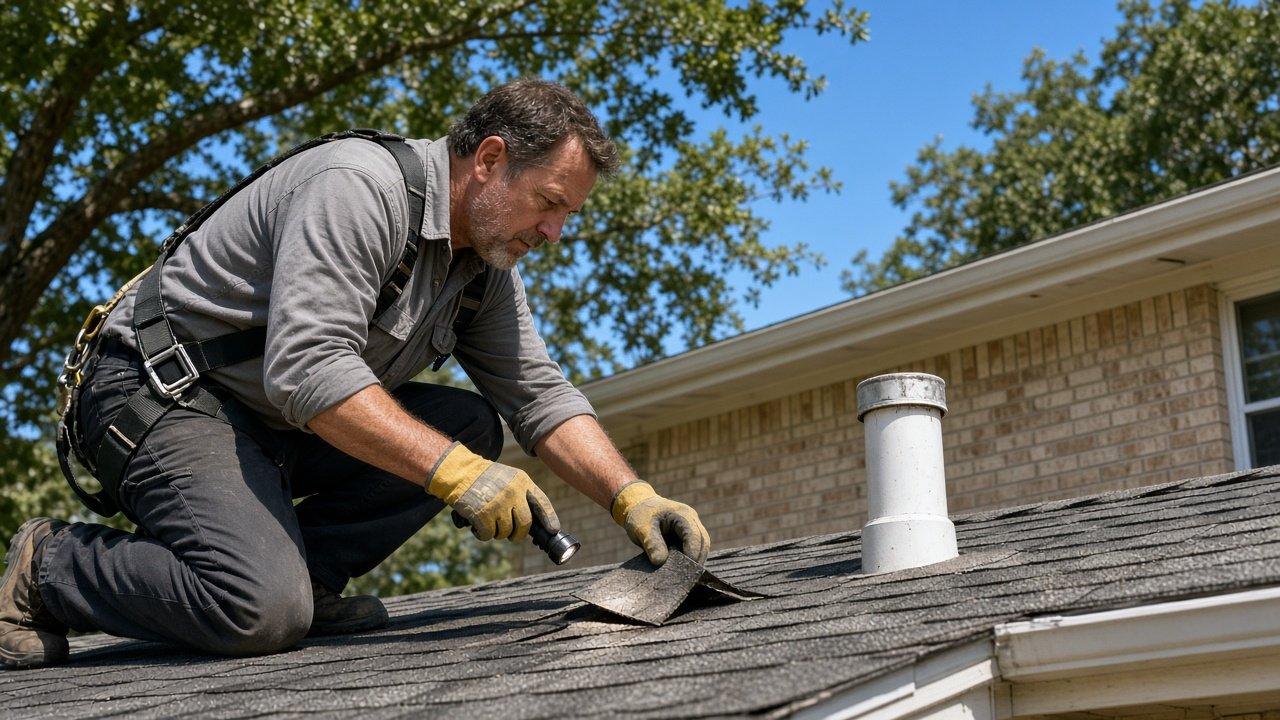
Roof leaks · San Antonio, Texas
What Is a Non-Structural Roof Leak? A San Antonio Homeowner’s Guide
Not every roof leak means the wood under your roof is damaged. This guide explains the difference between a non-structural and a structural roof leak in plain language, the signs of each, the common causes on San Antonio homes, and what to do before the next storm.
The short answer
What is a non-structural roof leak? It’s a leak where water gets in through the roof’s weatherproofing parts, such as flashing, a pipe boot, damaged shingles, or failed sealant, while the decking, rafters, and trusses underneath are still sound. A structural leak is one where water has already softened, rotted, or weakened the decking or framing. These are practical terms roofers use to describe repair scope, not one universal legal or insurance definition, so the wording in your own policy or warranty is what counts. Most non-structural leaks need a localized repair, but if they’re left alone, they can turn structural.
What is a non-structural roof leak?
A non-structural roof leak is a leak in the roof’s weatherproofing, not in its frame. Water finds a gap in the outer layers and drips through, but the wood that holds the roof up hasn’t been damaged.
It helps to think of a roof in two parts. The structure is the framing, meaning the rafters or trusses, plus the decking boards or sheets nailed over it. The weatherproofing is everything layered on top to keep water out: shingles, underlayment, flashing where the roof meets a chimney or wall, pipe boots around plumbing pipes, and sealant at joints. When one of those weatherproofing parts fails and water gets in, but the decking and framing are still firm and solid, roofers usually call it a non-structural leak.
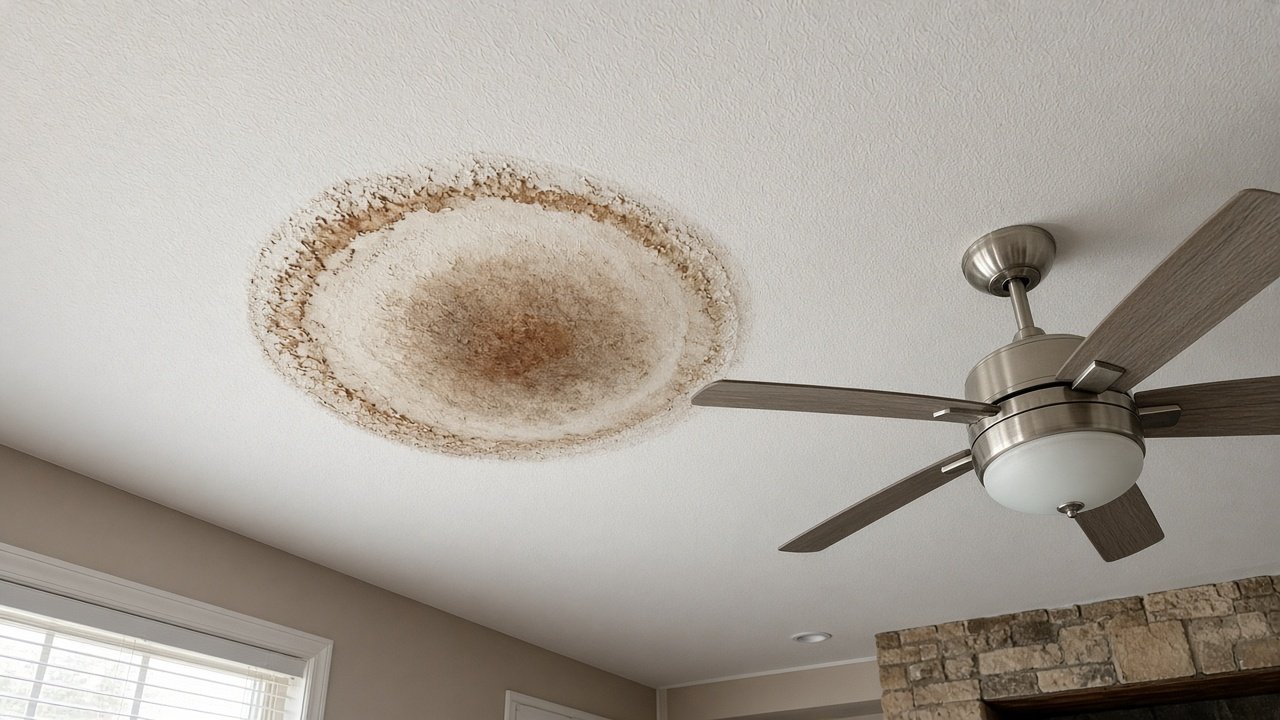
Typical sources include chimney, wall, and step flashing that has pulled loose; a cracked pipe boot; cracked, lifted, or missing shingles; dried-out sealant; and worn underlayment at a seam. The fix is aimed at the part that failed.
A working term, not a legal definition
“Non-structural” and “structural” are practical words roofers and homeowners use to describe how big a repair is. There’s no single universal legal or insurance definition. Insurance policies, home warranties, and roofing contracts each use their own wording, so read your own documents and ask your agent or insurer how they describe roof leaks and water damage.
How a structural roof leak is different
A leak becomes structural when water has damaged the parts that hold the roof up. At that point, the repair is no longer just about the shingle or flashing that let water in.
A structural leak, or a leak that has become structural, is one where water has soaked, softened, or weakened the decking, rafters, trusses, or other framing. Signs include decking that feels soft or spongy, plywood that has started to separate into layers (delamination), dark rotted wood in the attic, or a visible dip in the roof line. Damaged wood has to be cut out and replaced before new roofing goes back on.
From inside the house, the two types can look exactly the same. A brown ceiling stain doesn’t tell you whether the decking above it is sound. That’s why both the roof surface and the attic need a look before anyone can say which kind of leak you have.
Common causes of non-structural roof leaks in San Antonio
Most non-structural leaks start where the roof has a joint, an opening, or a damaged surface. San Antonio’s strong sun and heat, sudden thunderstorms, hail, and wind are hard on all three.
- Cracked pipe boots. The rubber collar around a plumbing pipe dries out and splits under heat and sun, leaving a gap right where the pipe comes through.
- Loose or unsealed chimney and wall flashing. Metal flashing where the roof meets brick or siding can pull away, and the sealant along its top edge can crack.
- Wind-lifted or hail-damaged shingles. Storm gusts can lift or tear off shingles, and hail can crack them or knock granules loose.
- Dried-out sealant. Sealant around flashing and other roof openings shrinks and cracks after long exposure to the Texas sun.
- Nail pops. A nail that backs out pushes up the shingle above it and opens a small path for water.
- Valley wear. Valleys carry water from two slopes, so worn shingles or lining there can let water in quickly during a heavy downpour.
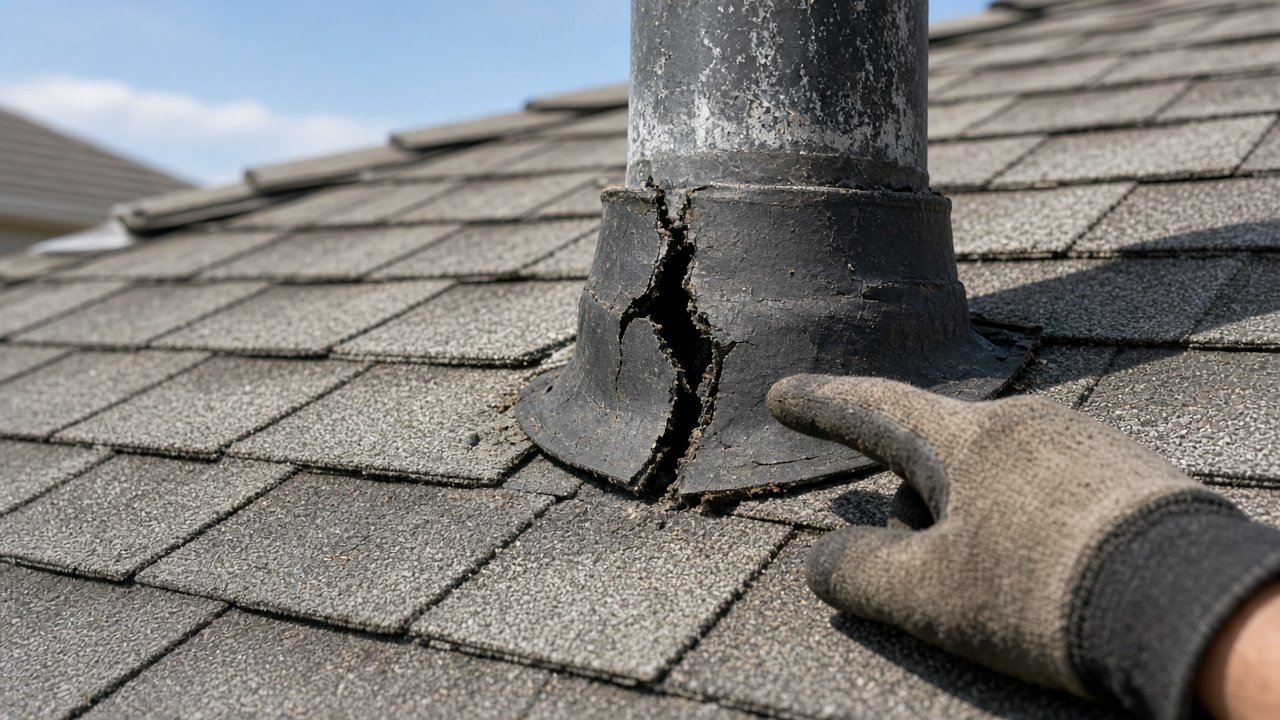
If you want to narrow down the source from inside your home, the RRSATX guide to finding roof leaks fast walks through it. Leaks that keep coming back in the same spot are covered in our guide to stopping recurring roof leaks.
Signs of a non-structural leak vs. signs it may be structural
Some signs point to a leak in the weatherproofing; others suggest water has reached the wood. Use this table as a guide, not a diagnosis. Only an inspection of the roof and attic can confirm the type.
| Sign | Usually non-structural? | Why it matters | What to do |
|---|---|---|---|
| Ceiling stain after rain | Usually | Shows water is getting in, not how much wood is affected | Photograph it, note the date, book an inspection |
| Drip only while it’s raining | Usually | Points to an opening in flashing, a pipe boot, or shingles | Catch the water and note the rain and wind direction |
| Damp spot in the attic near a pipe or chimney | Usually | Narrows the source to a roof opening or its flashing | Mention the location when you call |
| Stain that grows after each storm | Often, at first | Repeated wetting is how a non-structural leak turns structural | Don’t wait for the next storm |
| Wet insulation near a pipe or chimney | Usually | Wet insulation holds moisture against the decking | Have the decking checked from the attic |
| Sagging ceiling or roof line | May be structural | Can mean water-weakened decking or framing | Keep people clear and call for emergency roof repair |
| Soft or spongy decking | May be structural | Decking may be rotted or delaminating | Stay off that part of the roof |
| Daylight through the boards | May be structural | Decking may have gaps, damage, or missing sections | Schedule an inspection promptly |
| Musty smell or dark, rotted wood | May be structural | Suggests moisture has been there a long time | Ask for a full attic check |
| Repeated leaks in the same area | May be structural | Each rain soaks the same wood again | Get written findings with photos |
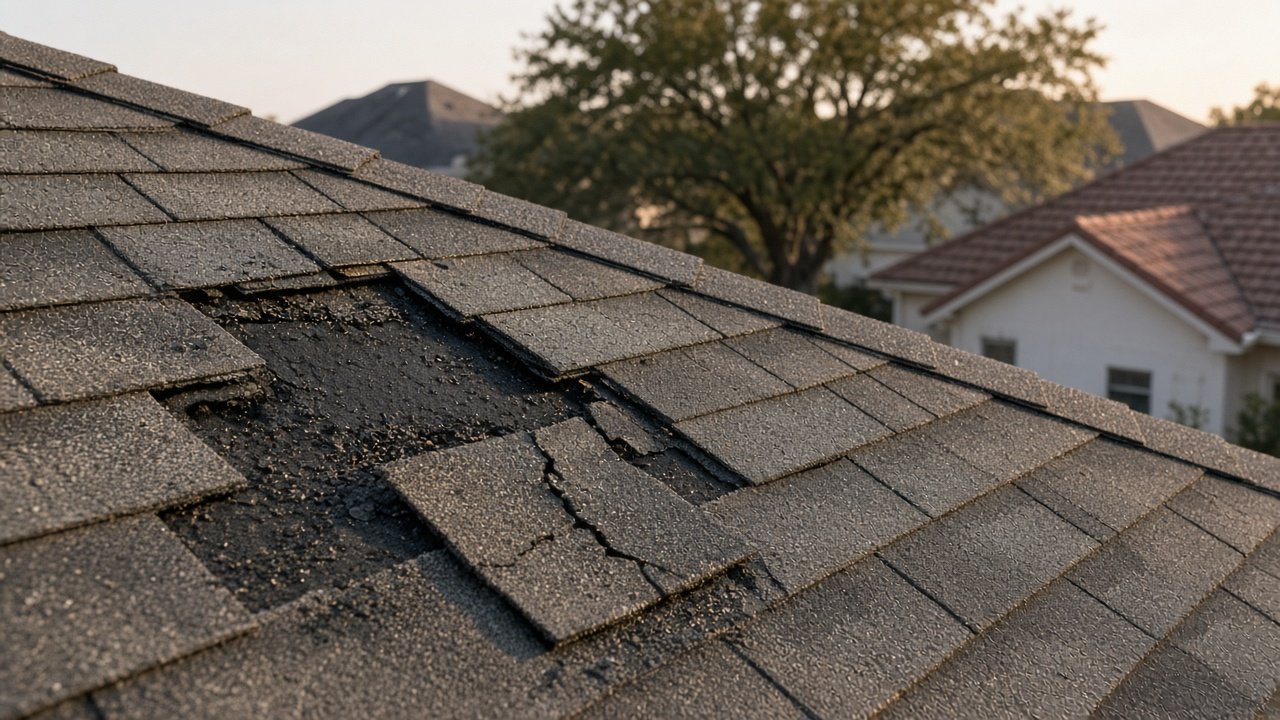
Why the non-structural label matters for repair, urgency, and insurance
Knowing which kind of leak you have tells you how big the repair is, how fast to act, and what to ask your insurer.
Repair scope. A non-structural leak usually calls for a localized repair to the part that failed: a new pipe boot, resealed flashing, or replaced shingles. A structural leak adds decking or framing replacement, which is a bigger job. RRSATX’s roof leak repair in San Antonio covers both.
Urgency. Every leak needs attention, but sagging, soft spots, or a ceiling bulging with water are more urgent. The longer water reaches the wood, the more likely a simple repair grows.
Insurance wording. Coverage depends on your policy, so treat this as general background only. The Texas A&M Real Estate Center explains that the key to covering water damage is that the damage must be sudden and accidental, and that the typical homeowners policy covers water damage from causes including a roof leak following damage from a storm or wind. [2] The same publication says water damage is not covered if it arises from a lack of maintenance or negligence, and that a common exclusion is the cost to repair or replace the source of the water damage: the damage itself may be covered, while repairing what caused the leak is not. [2] The Texas Department of Insurance lists damage that happens over time, such as rotted boards and worn roofs, among the things companies won’t pay for, and notes that your insurance company might inspect your house when you buy or renew a policy. [1]
Questions to ask your insurance agent
How does my policy describe roof leaks and water damage? Does a leak caused by storm or wind damage get treated differently from wear and tear? Is repairing the source of the leak excluded? What photos and records do you want from me? If a storm caused the damage, RRSATX’s storm damage roofing service can document what it finds on the roof.
When a non-structural leak becomes a structural one
A small leak doesn’t stay small if water keeps reaching the same wood.
Each rain that gets past a cracked boot or loose flashing soaks the underlayment and decking below. Wood that dries out between storms may hold up at first, but repeated wetting lets rot set in and spread. As the decking softens, nails and fasteners lose their hold, the roofing above can loosen, and the area can start to dip. What could have been a boot or flashing repair now includes cutting out and replacing damaged decking, and sometimes framing.
That’s the main reason you should never ignore small leaks. If the wood is already damaged, our guide to roof wood rot repair cost in San Antonio explains what drives that repair. A patch from the attic side can help in a pinch, but as our guide on whether you can patch a roof leak from inside explains, it doesn’t fix the opening on the roof.
What to do right now if your roof is leaking
Protect your home, record what you see, and leave the roof to a professional.
- Move furniture, electronics, and rugs away from the drip, and set out a bucket and towels.
- Photograph the ceiling stain, any wet insulation you can safely see, and the roof from the ground. Keep the photos dated.
- Note when it leaks: during every rain or only heavy storms, and which way the wind was blowing.
- If a ceiling is bulging with water or sagging, keep people out of the room and call for help.
- Do not climb onto a wet roof, and stay off the roof in wind or lightning.
- Call your insurance agent if storm damage is possible, and keep your notes and photos together.
- Schedule an inspection so a roofer can confirm the source and the type of leak.
How a roofer confirms whether a roof leak is non-structural
A roofer checks the roof from outside and inside, then puts the findings in writing.
- Exterior inspection. Flashing at chimneys and walls, pipe boots, shingles, valleys, and sealant are checked for cracks, gaps, lifted edges, and storm damage.
- Attic check. With a light, the roofer looks at the underside of the decking above the stain for dark spots, wet wood, rot, delamination, and daylight.
- Moisture checks. The decking and framing are checked for dampness and softness to see how far moisture has spread around the leak.
- Written findings with photos. You get a record showing the source, whether the decking and framing are sound, and the recommended repair.
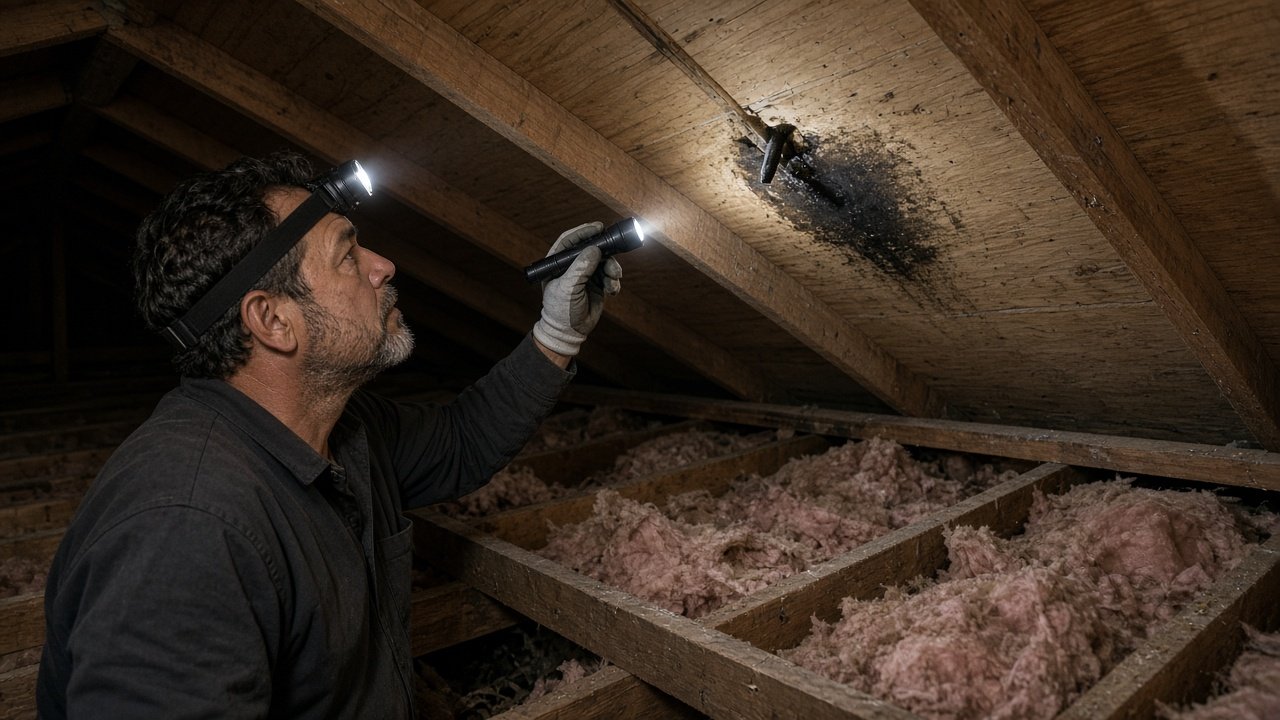
RRSATX includes these checks in a free roof inspection.
Repairing a non-structural roof leak
When the decking and framing check out, the repair targets the part that failed.
That might mean replacing a cracked pipe boot, resealing or replacing chimney and step flashing, swapping out damaged shingles, or redoing worn valley material. Because the leak is caught before the wood is damaged, the repair stays focused on one area. RRSATX handles this work through its roof repair service in San Antonio.
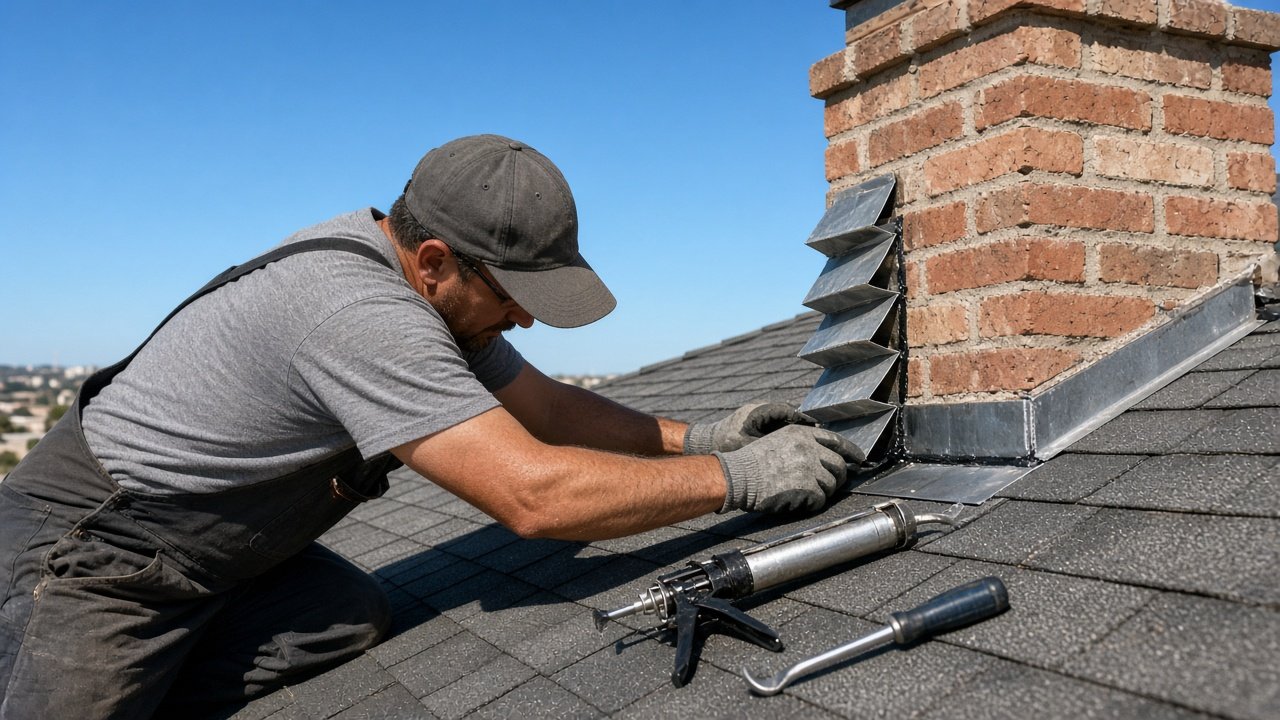
If the roofer opens the area and finds soft decking under the leak, they should show you photos and explain why the scope has changed before any extra work starts. Ask for that explanation in writing.
Local roofing service
About Affordable Roofing Contractors San Antonio
Affordable Roofing Contractors San Antonio, also known as RRSATX, provides roof leak repair, roof repair, emergency roof repair, storm damage roofing, and roof inspections in San Antonio. When you call, tell us where the stain or drip is, when it shows up, and what the weather was doing. Photos help.
- Phone
- (713) 504-2341
- sales@affordableroofingcontractorssanantonio.com
- Address
- 4324 Monterey St, San Antonio, TX 78237
- Contact
- Request a free roof inspection
Non-structural roof leaks: questions answered
Is a non-structural roof leak an emergency?
It still needs prompt attention, because every rain can soak the wood below. If water is pouring in or a ceiling is sagging, treat it as an emergency and call for emergency roof repair.
Can a non-structural leak turn into a structural one?
Yes. Repeated wetting lets rot set in, decking softens, and fasteners lose their hold. Fixing the source early keeps the repair small.
Does homeowners insurance cover a non-structural roof leak?
It depends on your policy. In general terms, the Texas A&M Real Estate Center says water damage must be sudden and accidental to be covered, and that the typical policy covers water damage from a roof leak following storm or wind damage, but not damage arising from a lack of maintenance. [2] Read your own policy and ask your agent.
Can I tell which type of leak I have from inside the house?
Not reliably. A ceiling stain looks the same either way. A sagging ceiling, a musty smell, or soft wood in the attic are warning signs, but a roofer needs to check the roof and decking to confirm.
Is a non-structural leak the same as a small leak?
Not always. A failed pipe boot or open flashing can let in a lot of water during a heavy storm and still be non-structural if the wood is sound. The label is about what’s damaged, not how much water comes in.
What should I tell RRSATX when I call about a leak?
Share the address, where the stain or drip is, when it leaks, the wind direction if you noticed it, and any photos. Call (713) 504-2341 or use the contact page.
Explore the roofing topic
More help with roof leaks
Related guideTips for finding roof leaks fastHow to trace a leak back toward its source.
Next stepRoof wood rot repair cost in San AntonioWhat drives the repair when a leak has reached the decking.
Find out what kind of leak you have
Ask RRSATX for a free roof inspection and written findings for your San Antonio roof.