At RRSATX: San Antonio Roofing Company, we work with property owners dealing with roof leaks, storm damage, failing shingles, and aging roofing systems in San Antonio. In South Texas, roofs face constant stress from heat, UV exposure, wind, hail, and sudden heavy rain, so problems that seem small can turn into expensive damage fast.
The 7 roof problems homeowners should never ignore are active leaks, missing or damaged shingles, flashing failure, sagging roof sections, storm damage, clogged drainage, and signs of moisture in the attic. These issues can lead to interior water damage, mold, wood rot, insulation problems, and higher repair costs if left untreated.
Why Do Small Roof Problems Turn Into Major Damage So Quickly?
Roof problems spread fast because water rarely stays in one spot. A small opening in the roofing system can let moisture travel into decking, insulation, walls, and ceilings.
In San Antonio, common factors that speed up roof damage include:
- High heat that dries out roofing materials
- Hail that weakens shingles and metal components
- Wind that lifts shingles and flashing
- Sudden rainstorms that expose hidden weak points
- Aging materials on roofs 15 to 20 years old or older
Key takeaway: Ignoring early roof damage usually costs more than fixing it early.
What Is The First Roof Problem Homeowners Should Never Ignore?
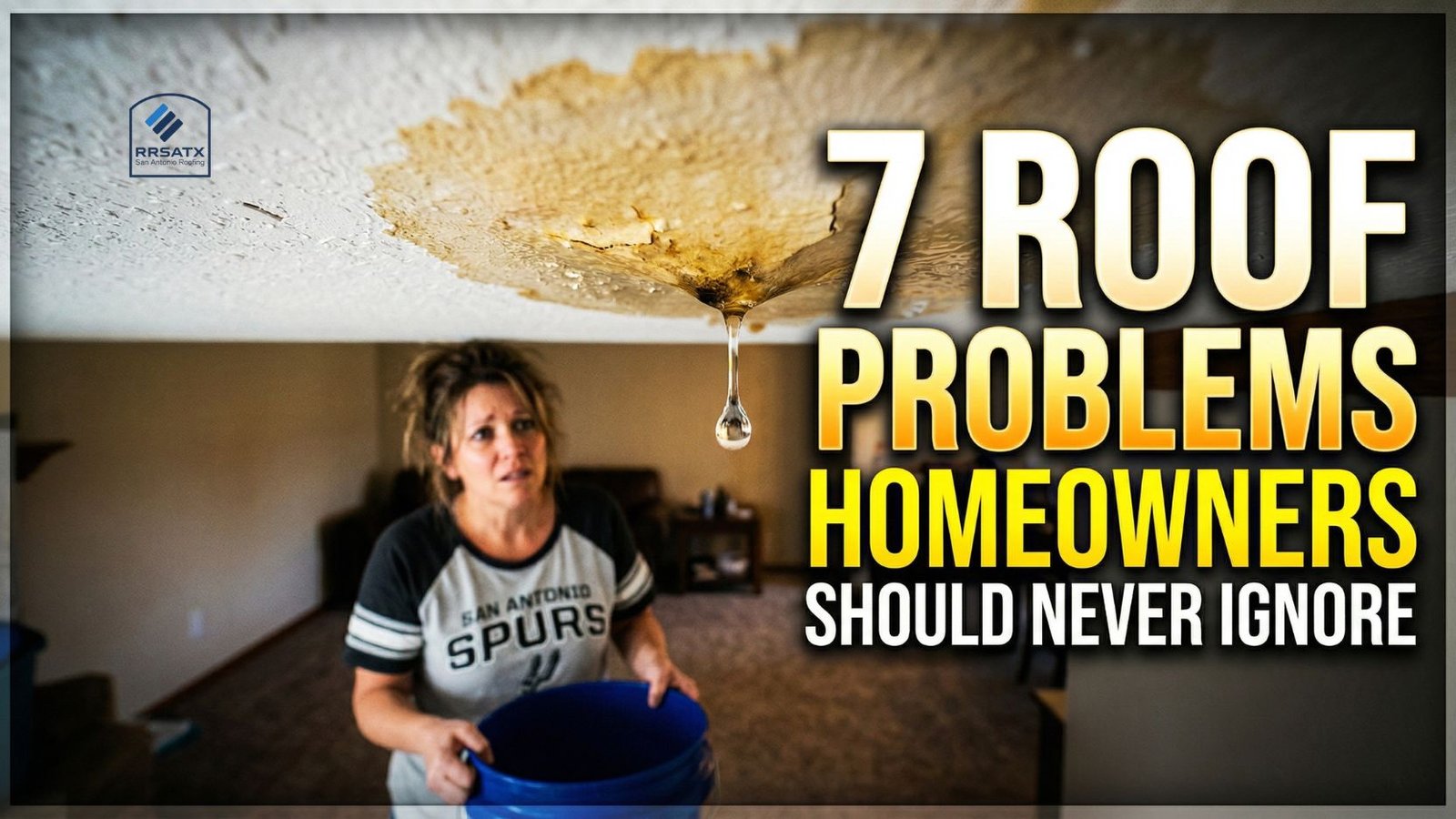
An active roof leak is the most urgent roofing problem to address. If water is entering your home, damage is already happening.
Signs of a roof leak include:
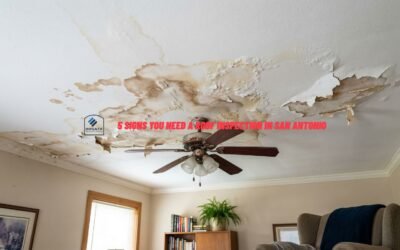
- Water stains on ceilings or walls
- Dripping during rain
- Damp attic insulation
- Peeling paint near the ceiling
- Musty odors indoors
Even a small leak can damage:
- Drywall
- Electrical areas
- Wood framing
- Insulation
- Flooring
If the leak appears after a storm, the cause may be missing shingles, flashing damage, or hail impact.
Why Are Missing Or Damaged Shingles A Serious Warning Sign?
Missing, cracked, or curling shingles expose the layers underneath your roof. Once shingles fail, your underlayment and roof deck become more vulnerable to water intrusion.
Common causes include:
- Wind uplift
- Heat damage
- Normal aging
- Hail strikes
- Poor past installation
Damaged shingles are especially common after strong San Antonio storms. If only a few shingles are affected, repair may be possible. If damage is widespread, replacement may be the better long-term solution.
How Dangerous Is Damaged Flashing Around Vents, Chimneys, And Skylights?
Flashing failure is one of the most common sources of hidden roof leaks. Flashing seals the joints and edges where water is most likely to enter.
Problem areas include:
- Chimneys
- Plumbing vents
- Skylights
- Roof valleys
- Wall-to-roof transitions
Look for:
- Rust
- Cracks
- Loose metal
- Missing sealant
- Water stains nearby inside the home
Key takeaway: A roof can look fine overall but still leak badly at flashing points.
What Does A Sagging Roof Mean?
A sagging roof can signal structural trouble and should be inspected right away. This is one of the most serious roof issues a homeowner can face.
A sagging area may mean:
- Wet or rotted decking
- Trapped moisture
- Failing supports
- Long-term leak damage
If the roofline looks uneven or dips in one section, do not wait. Structural roof damage tends to get worse over time, especially during heavy rain.
Can Storm Damage Be Hidden Even If The Roof Looks Normal From The Ground?
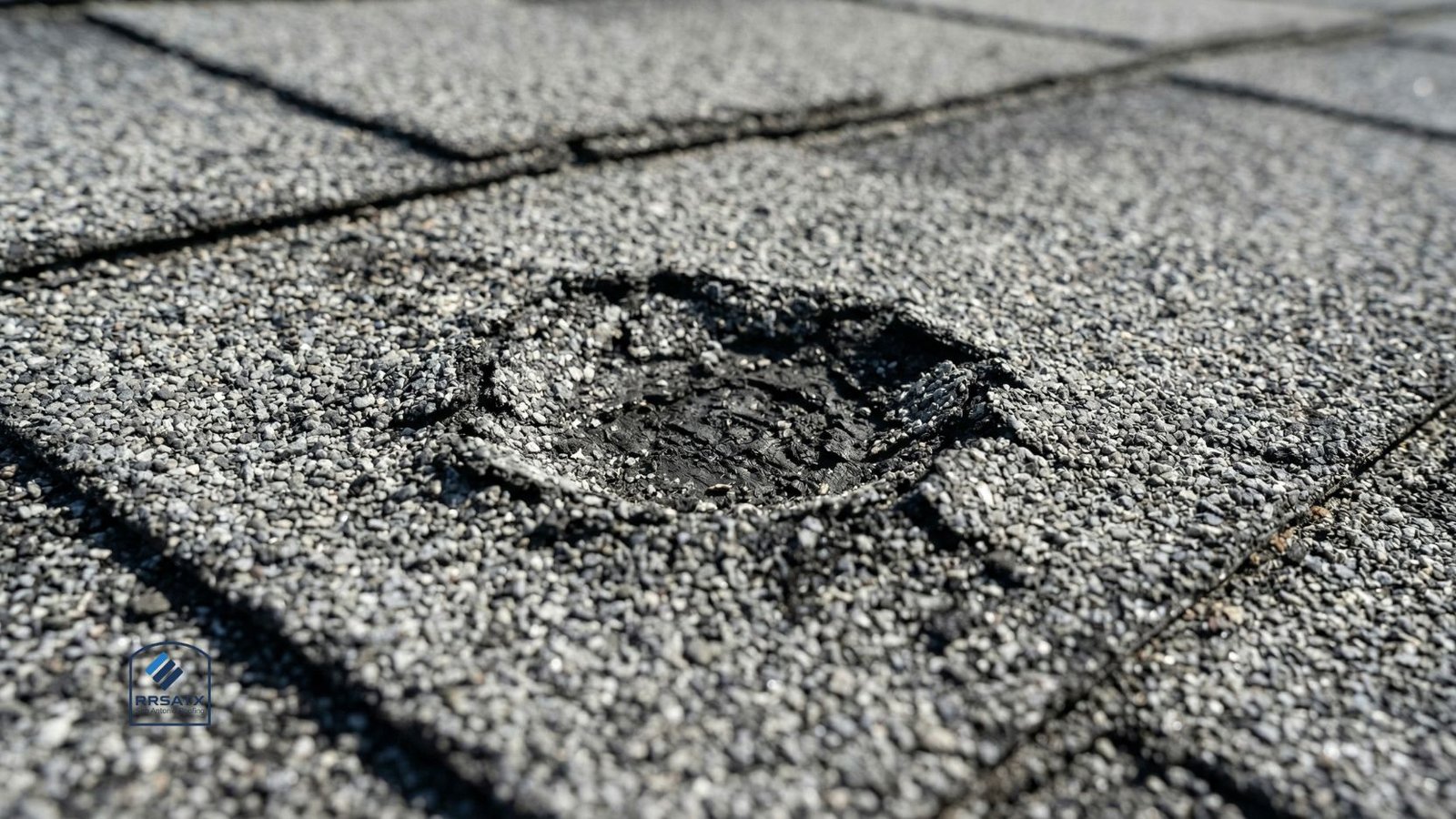
Yes, storm damage is often not visible from the driveway. Hail and wind can weaken roofing materials without creating an immediate leak.
Hidden storm damage may include:
- Bruised shingles
- Lifted shingle edges
- Granule loss
- Bent flashing
- Small punctures
- Damage around roof penetrations
This matters for homeowners dealing with insurance claims, because delay can make documentation harder. After major hail or wind events in San Antonio, a roof inspection can help identify damage before it becomes a larger repair.
Why Are Clogged Gutters And Roof Drainage A Roofing Problem?
Poor drainage can shorten the life of your roof by keeping water where it should not be. When gutters and downspouts clog, rainwater can back up under roofing materials or overflow near the foundation.
Drainage issues can lead to:
- Roof edge damage
- Fascia rot
- Water intrusion
- Mold growth
- Staining on exterior walls
On flat and low-slope roofs, drainage problems are even more important because standing water can wear down membranes and seams faster.
Why Should Attic Moisture And Mold Never Be Ignored?
Moisture in the attic often means the roof system is failing or ventilation is not working properly. This is not just a comfort issue. It can affect the structure and air quality of the home.
Watch for:
- Damp insulation
- Mold or mildew smell
- Dark staining on wood
- Condensation near vents
- High indoor humidity
In many homes, attic moisture is linked to:
- Roof leaks
- Blocked ventilation
- Flashing failure
- Heat buildup under the roof deck
Which Roof Problems Need Immediate Repair First?
The highest-priority roof problems are active leaks, sagging roof areas, major storm damage, and flashing failures. These have the highest risk of causing fast structural or interior damage.
Here is a simple priority table:
| Roof problem | Urgency | Main risk |
| Active leak | High | Interior water damage |
| Sagging roof | High | Structural failure |
| Flashing damage | High | Hidden leaks |
| Storm damage | Medium to High | Delayed water entry |
| Missing shingles | Medium to High | Exposed roof layers |
| Drainage issues | Medium | Water backup |
| Attic moisture | Medium to High | Mold and rot |
When Should Homeowners In San Antonio Schedule A Roof Inspection?
Homeowners should schedule a roof inspection after hail, strong wind, visible leaks, or if the roof is aging. This is especially important for roofs over 15 to 20 years old.
A roof inspection can help with:
- Finding hidden storm damage
- Deciding between repair and replacement
- Supporting insurance documentation
- Catching leaks early
- Identifying weak flashing or drainage issues
Key takeaway: The best time to inspect a roof is before a small issue becomes major water damage.
FAQs
How Do I Know If My Roof Problem Is Urgent?
If you have a leak, sagging roof area, or visible storm damage, it is urgent. These issues can worsen quickly and lead to more expensive repairs.
Can A Roof Leak Cause Mold In The Attic?
Yes. Roof leaks can trap moisture in insulation and wood, which creates conditions for mold and mildew growth.
Should I Inspect My Roof After Every Storm In San Antonio?
You should inspect it after major hail, high winds, or heavy rain. Many storm-related roof problems are not obvious right away.