
[et_pb_section fb_built=”1″ admin_label=”section” _builder_version=”4.16″ global_colors_info=”{}”][et_pb_row admin_label=”row” _builder_version=”4.16″ background_size=”initial” background_position=”top_left” background_repeat=”repeat” global_colors_info=”{}”][et_pb_column type=”4_4″ _builder_version=”4.16″ custom_padding=”|||” global_colors_info=”{}” custom_padding__hover=”|||”][et_pb_code _builder_version=”4.27.7″ _module_preset=”default” hover_enabled=”0″ sticky_enabled=”0″]
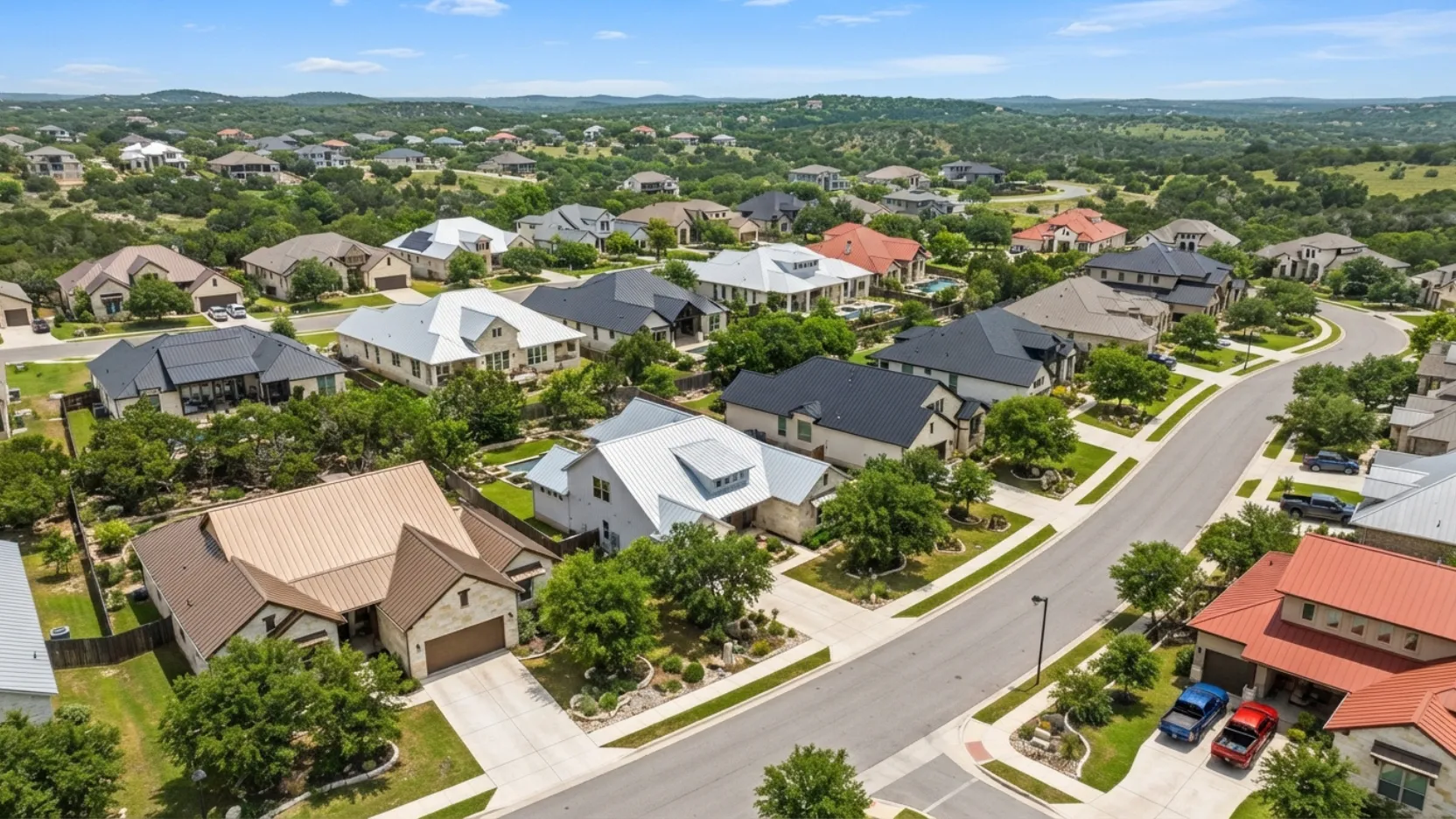
From extreme summer heat to hailstorms and high humidity, San Antonio tests every roofing material year after year. This homeowner’s guide covers every major benefit of metal roofing in San Antonio and why more local homeowners are making the switch.
San Antonio homeowners face one of the most demanding roofing environments in the country. Summer temperatures push well past 100 degrees Fahrenheit for weeks at a time. Hailstorms roll through Bexar County every spring. Wind events follow closely behind. Then there is the humidity that creeps in during fall and winter. Every one of those conditions shortens the life of the wrong roofing material and drives up the cost of ownership over time.
Metal roofing was built for exactly this kind of punishment. It has become one of the fastest-growing roofing choices among San Antonio homeowners not because of marketing, but because it solves real problems that asphalt shingles cannot. This guide walks through every meaningful benefit of metal roofing in the San Antonio context from the energy savings you will see on your first summer utility bill to the long-term financial return when you sell the home.
The financial case for metal roofing is stronger in San Antonio than in most U.S. cities. The combination of extreme heat that drives up cooling bills, frequent hail events that destroy asphalt shingles, and a hot real estate market where buyers notice and value premium roofing materials means every dollar you spend on a metal roof works harder here than it would in a milder climate. The payback period is shorter, the energy savings are larger, and the durability advantage is more meaningful when the weather is this extreme.
Longevity
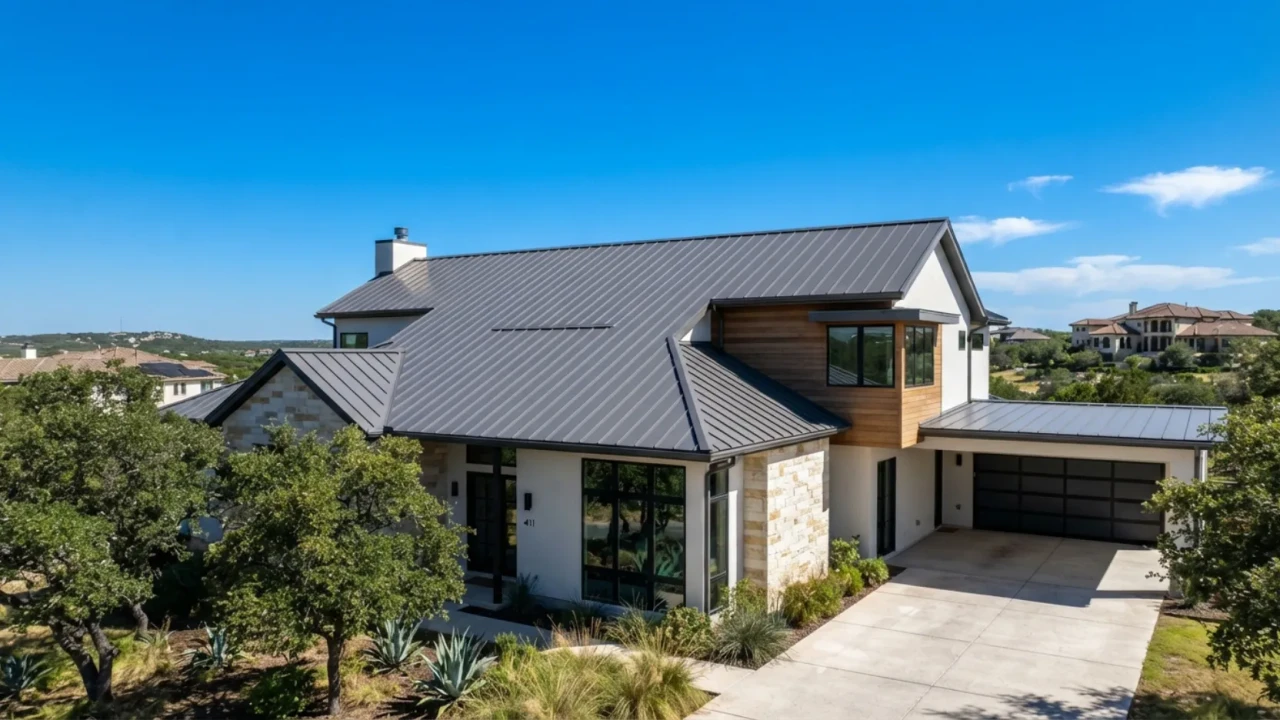
The single biggest financial argument for metal roofing in San Antonio is lifespan. A standard three-tab asphalt shingle roof lasts 15 to 20 years in the Texas climate. Architectural shingles push that to 25 to 30 years under ideal conditions. A metal roof whether standing seam, corrugated steel, stone-coated steel, or aluminum is rated to last 40 to 70 years. In practical terms, that means one metal roof for the life of your home rather than two or three asphalt replacements.
San Antonio’s climate is particularly hard on roofing materials. UV exposure degrades asphalt binders faster than in northern states. Thermal expansion and contraction from extreme temperature swings cracks shingles and lifts edges. Intense summer heat accelerates the breakdown of the granule coating that protects asphalt from moisture. Metal roofing handles all of those conditions without degrading. The same roof that goes on the home today should still be protecting it when your grandchildren inherit the house.
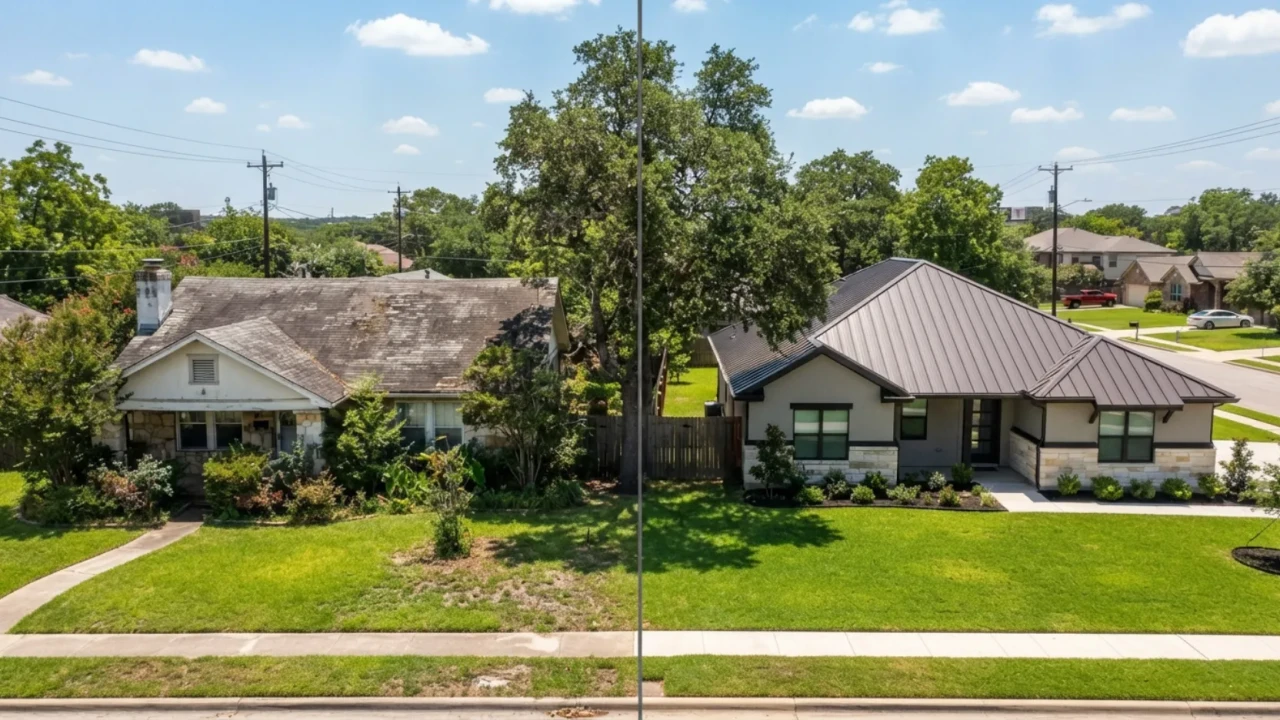
Asphalt shingles in San Antonio: Typically last 15 to 25 years before requiring full replacement. The intense UV exposure, frequent hail events, and temperature extremes cause granule loss, curling, and cracking well ahead of northern market timelines.
Metal roofing in San Antonio: Rated for 40 to 70 years with standard maintenance. Does not degrade from UV exposure, does not curl, crack, or shed granules, and holds its structural integrity through repeated hail events without requiring full replacement.
- UV-resistant coatings that do not degrade under prolonged Texas sun exposure
- Structural integrity that holds through repeated freeze-thaw and thermal expansion cycles
- No organic material in the roofing system that can rot, mold, or be consumed by insects
- Protective Galvalume or paint coatings that resist rust and corrosion for decades
- Fastening systems designed to accommodate thermal movement without loosening over time
Energy Savings
Energy efficiency is one of the most immediately felt benefits of metal roofing for San Antonio homeowners. Dark asphalt shingles can reach surface temperatures of 150 to 190 degrees Fahrenheit on a hot Texas summer day. That heat radiates down into the attic and from there into the living space, forcing your air conditioning system to work harder and run longer. Metal roofing, especially panels with cool-roof reflective coatings, bounces a large portion of that solar energy back into the sky before it ever enters the building.
The Energy Star program certifies metal roofing panels that meet minimum solar reflectance standards. In San Antonio’s climate, homeowners with Energy Star-rated metal roofs report cooling cost reductions of 20 to 30 percent compared to dark asphalt shingles. When your air conditioning is running six or seven months a year, those savings add up fast. A household spending $300 per month on summer cooling bills could realistically save $60 to $90 per month during the peak season.
The color of your metal roof matters more in San Antonio than almost anywhere else in the country. Lighter colors whites, tans, light grays, and galvalume natural finishes reflect significantly more solar radiation than darker tones. If energy savings are a priority, ask your roofing contractor about Energy Star-certified panels and choose the lightest color that fits your home’s aesthetic. The difference in cooling performance between a dark bronze metal roof and a light tan metal roof on the same San Antonio home can reach 15 percent or more on peak summer cooling bills.
- Select panels with an Energy Star cool-roof certification for maximum solar reflectance
- Choose lighter colors (white, tan, light gray, or bare Galvalume) for peak energy performance
- Add attic insulation during the roofing project to compound the energy benefit
- Ensure proper ridge and soffit ventilation is maintained or improved during installation
- Ask your contractor about radiant barrier options that pair with metal roofing systems
Storm Resistance
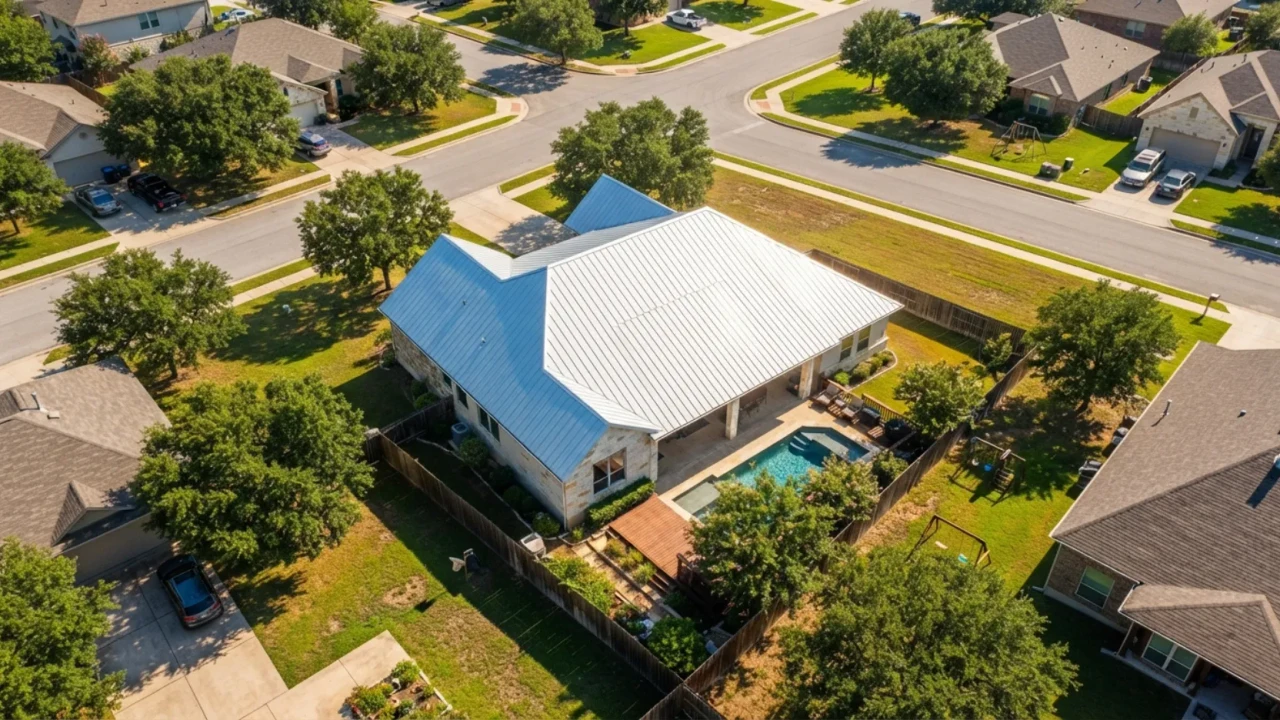
San Antonio’s location in the Texas Hill Country corridor means hailstorms are not occasional events they are a regular feature of the spring and early summer weather calendar. Large hail events that destroy asphalt shingles and require full roof replacements are common enough that roofing contractors in Bexar County stay busy throughout the storm season. This is the single environment where the difference between metal roofing and asphalt shingles is most dramatic and most financially consequential.
Asphalt shingles suffer catastrophic damage from hail that is larger than one inch in diameter. The impact knocks granules off the surface, cracks the shingle core, and creates direct pathways for water intrusion. A single storm can require a full roof replacement and that cost falls partly on you through deductibles and partly on your insurance premiums over time. Metal roofing takes hail hits without losing structural integrity. Denting can occur with very large hail, but dented metal roofing continues to protect the home. It does not crack, shed protective granules, or develop immediate leak points from impact.
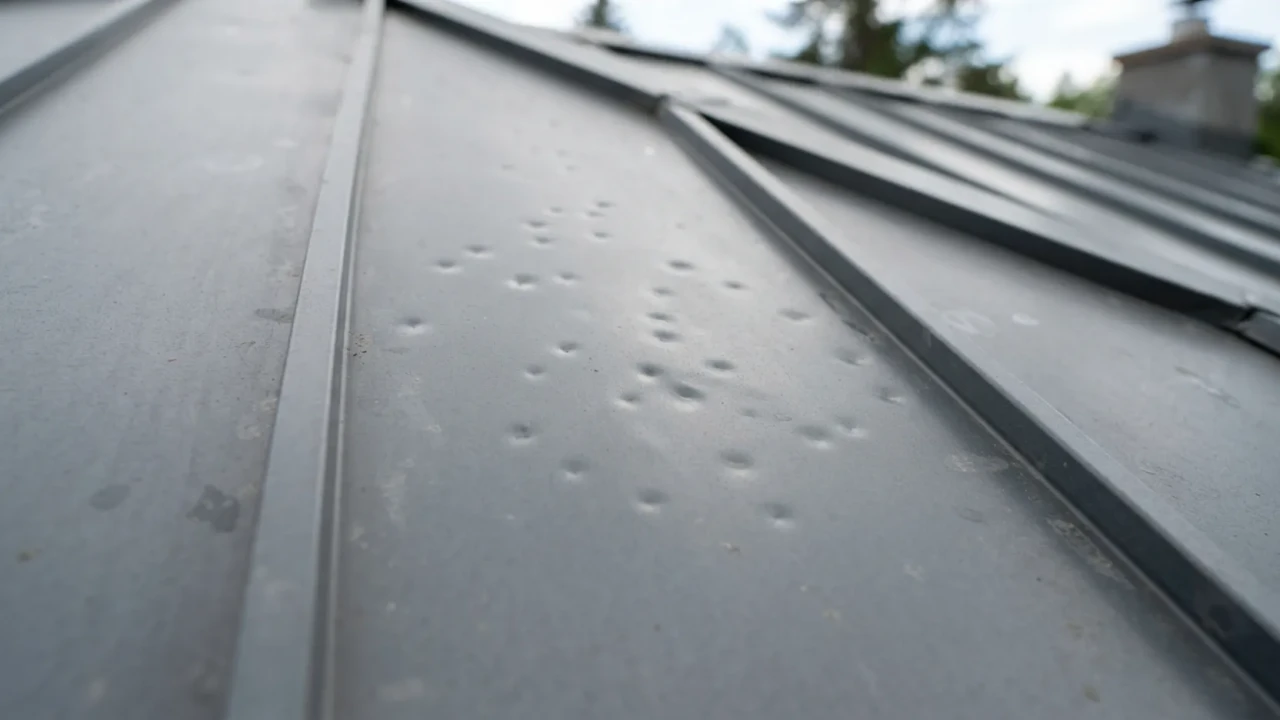
UL 2218 Impact Resistance Ratings: Metal roofing panels are tested and rated for impact resistance under the UL 2218 standard. Class 4 is the highest rating, representing the ability to withstand 2-inch steel ball impacts dropped from 20 feet. Most standing seam metal panels achieve Class 4. This rating is meaningful in San Antonio because many insurance companies offer premium discounts for Class 4 impact-resistant roofing materials.
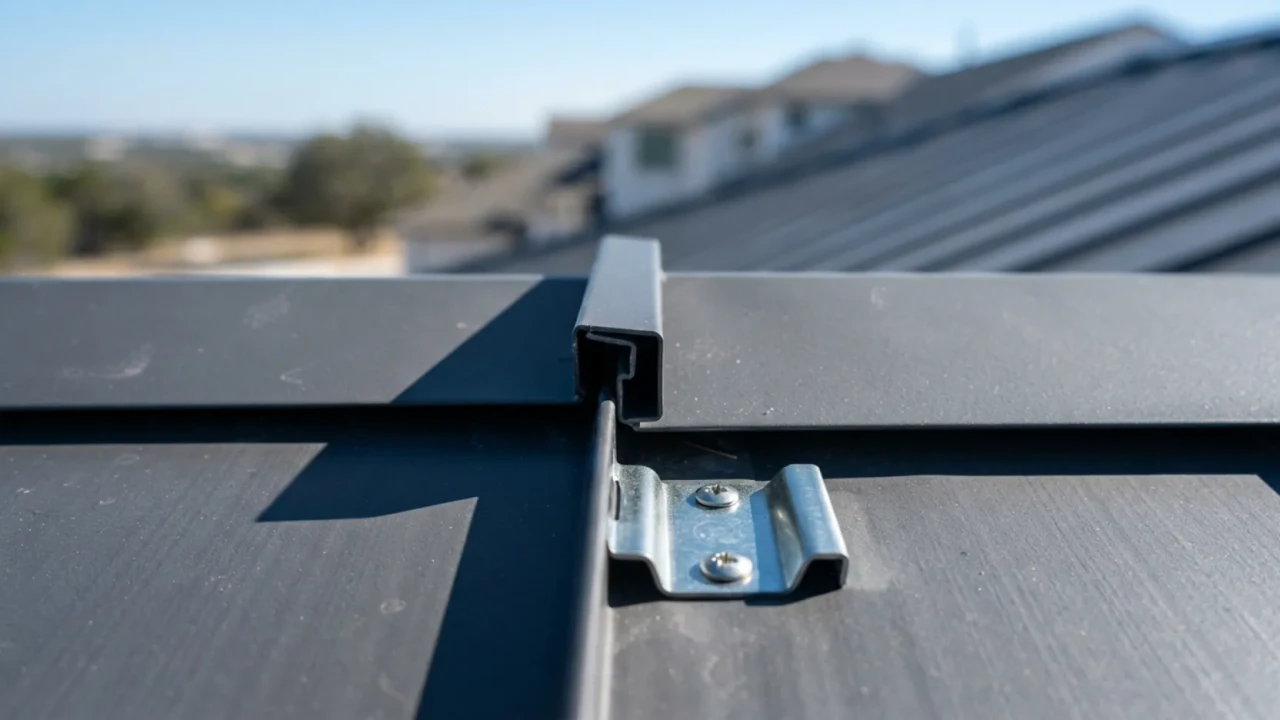
Wind resistance: Metal roofing systems are rated for wind speeds of 120 to 160 miles per hour depending on the panel type and installation method. Standing seam systems, where the fasteners are completely hidden and the panels interlock at the seams, offer the strongest wind resistance of any residential roofing material commonly available in San Antonio.
- UL 2218 Class 4 impact resistance rating on the specific panel being installed
- Wind speed rating: confirm the panel and fastening system are rated for at least 130 mph
- Panel gauge: heavier gauge steel (24 gauge vs 29 gauge) provides better dent resistance
- Hidden fastener systems (standing seam) for maximum wind uplift resistance
- Manufacturer warranty coverage for hail damage and wind events
Home Value
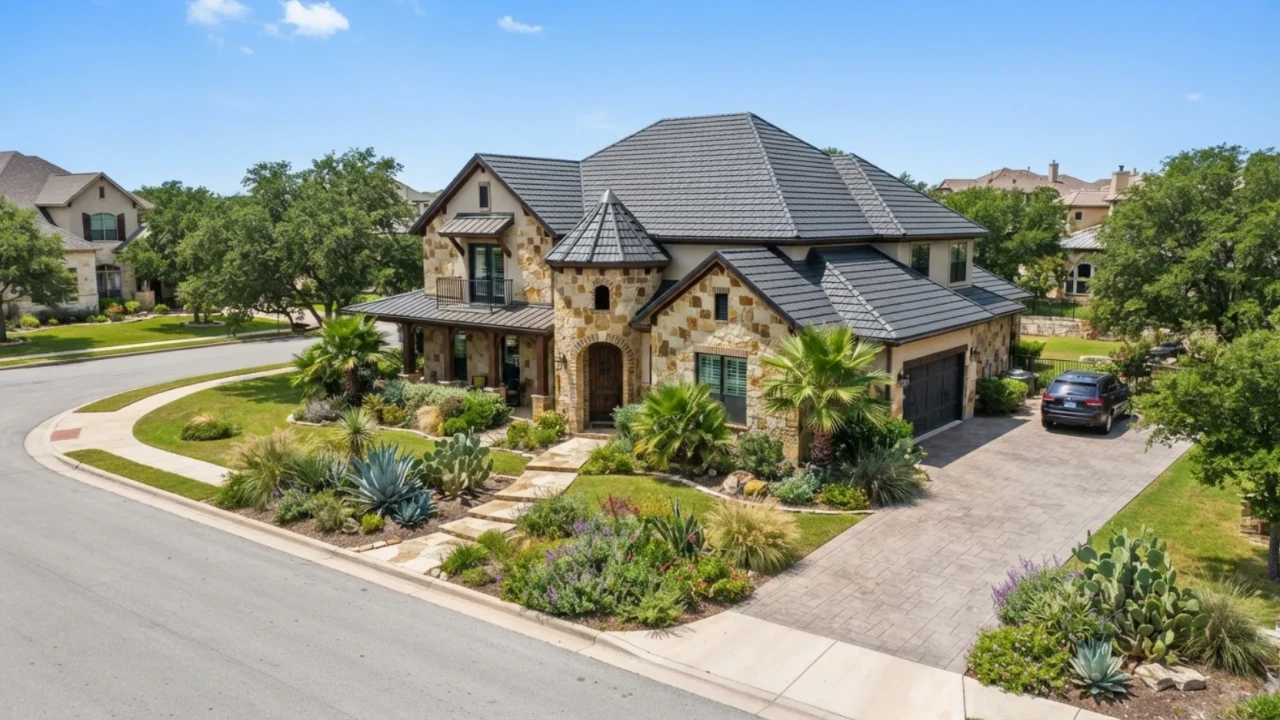
Metal roofing adds measurable resale value in the San Antonio real estate market for a simple reason: buyers understand what they are getting. A home with a metal roof already installed is a home that will not need a new roof for 40 or 50 more years. That directly reduces the buyer’s cost of ownership and makes the home more attractive than a comparable home with an aging asphalt shingle roof. In a competitive San Antonio market, premium features that reduce post-purchase costs stand out.
Industry data consistently shows that metal roofing returns 60 to 85 percent of its installed cost at resale. In San Antonio’s climate-driven market where buyers are acutely aware of roofing costs because they have likely dealt with hail damage claims themselves the return can be even stronger. A 6 percent increase in resale value on a $400,000 home represents $24,000 in additional sale price. That is meaningful, and it is driven by something buyers can see and understand the moment they look at the house from the street.
If you are selling a San Antonio home with a metal roof, document and disclose it prominently. Provide the installation date, the panel manufacturer and model, the warranty documents, and the impact resistance rating. A buyer who understands they are getting a Class 4-rated metal roof with 40 or more years of remaining lifespan is a buyer who is willing to pay a premium for the house. Do not let this feature get buried in the listing lead with it.
- Eliminates the roof replacement cost from the buyer’s near-term ownership budget
- Reduces buyer-requested credits and price reductions during inspection and negotiation
- Improves curb appeal: metal roofing is a visible premium that photographs well in listings
- Reduces homeowners insurance premiums, which benefits the buyer’s ongoing cost of ownership
- Signals overall quality of maintenance and investment to prospective buyers
Insurance Savings
Homeowners insurance in San Antonio and across Texas has become significantly more expensive in recent years. Insurance companies have raised rates, reduced coverage, and in some cases stopped writing new policies in Texas altogether because of repeated large hail and wind claim payouts. Metal roofing directly addresses this problem from the homeowner’s side. Because metal roofing materials especially Class 4 impact-resistant-rated panels dramatically reduce the likelihood of a covered weather claim, many insurance carriers reward homeowners with lower premiums.
Texas Department of Insurance regulations require insurance companies to offer discounts to homeowners who install impact-resistant roofing materials. Class 4 metal roofing is the highest-rated category and qualifies for the largest discounts, which vary by carrier but commonly range from 15 to 30 percent off the wind and hail portion of the policy. In San Antonio, where wind and hail riders carry significant premium weight, these discounts represent real dollars in your pocket every year for the life of the roof.
- Obtain documentation from your contractor showing the panel’s UL 2218 Class 4 rating
- Notify your insurance carrier within 30 days of completing the installation
- Request the discount in writing and confirm the adjusted premium in your renewal documents
- If your current carrier does not offer a meaningful discount, shop competing carriers who may
- Keep installation documentation on file for the life of the roof for any future insurance questions
Eco-Friendly
The environmental argument for metal roofing is straightforward. Asphalt shingles are one of the largest contributors to landfill waste in the residential construction industry. Approximately 11 million tons of asphalt shingles are removed and discarded in the United States every year. A typical 2,000-square-foot home generates several tons of shingle waste each time the roof is replaced. With metal roofing replacing that roof only once in a 50-year period instead of two or three times, the waste reduction is significant even before considering the recyclability of the metal itself.
Most residential metal roofing products are manufactured using recycled steel or aluminum content. At the end of the roof’s service life which may not come for 50 or 60 years the metal panels are completely recyclable and have real scrap value. Nothing goes to the landfill. The environmental footprint of a metal roof over a 50-year period is dramatically lower than any asphalt shingle system covering the same time period.
- Ask about the recycled content percentage in the specific panel product being installed
- Confirm the panel has a cool-roof or Energy Star rating for reduced cooling demand
- Choose Galvalume or painted steel over bare galvanized steel for longer coating life and less maintenance
- Verify the manufacturer’s recycling program or scrap value policy for removed panels
- Consider installing over existing shingles (where code permits) to eliminate a full tear-off and shingle disposal
Curb Appeal
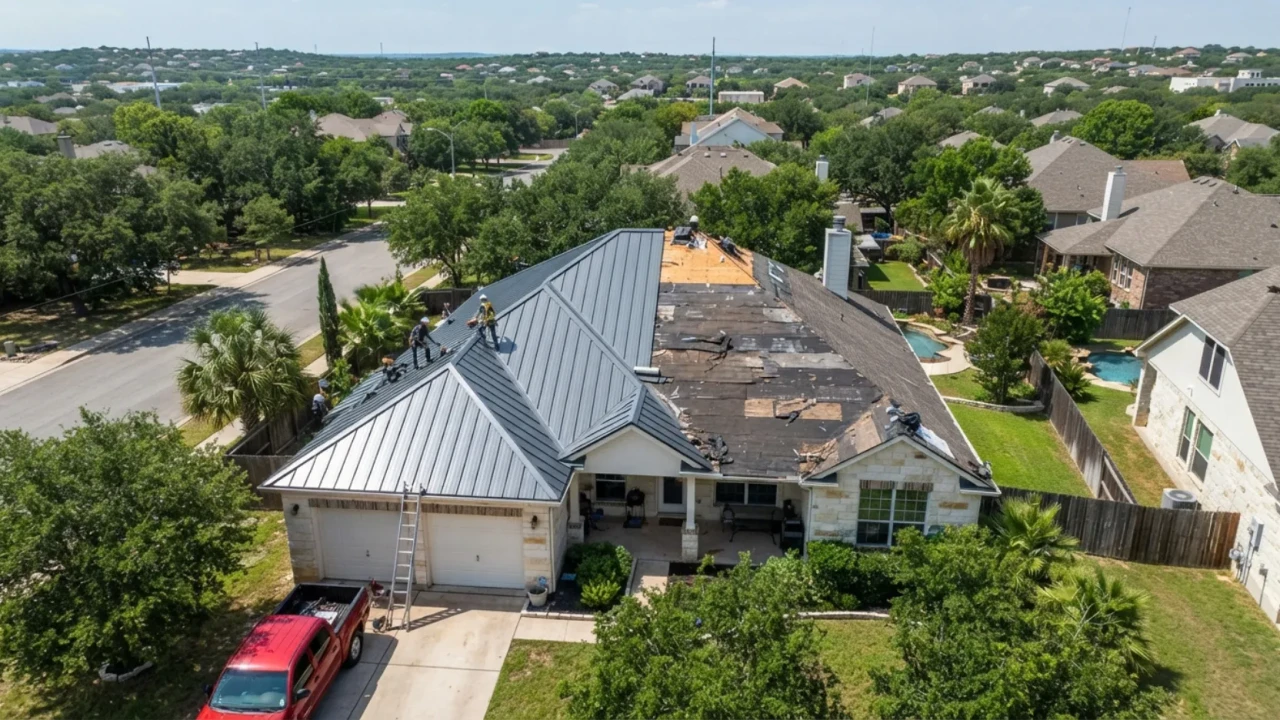
One of the most common hesitations San Antonio homeowners have about metal roofing is appearance. The mental image that comes to mind is often a corrugated metal farm building or an industrial warehouse. That image is outdated by decades. Today’s residential metal roofing comes in profiles that closely replicate the look of traditional shingles, Spanish tile, slate, and cedar shake as well as the distinctively modern standing seam look that has become popular in new construction and high-end renovation across San Antonio and the surrounding Hill Country.
Color selection has also expanded dramatically. Metal roofing is available in dozens of standard colors and can be custom-coated to match virtually any palette. The painted finishes are baked on and UV-stabilized for San Antonio’s intense sun, meaning the color holds its vibrancy for decades without fading the way painted wood or fiber cement siding can. Whether your San Antonio home is a traditional limestone ranch, a newer stucco Mediterranean, or a contemporary Hill Country design, there is a metal roofing profile and color that enhances rather than clashes with the architecture.
For San Antonio’s traditional limestone and stucco homes, stone-coated steel panels in a tile or shake profile offer the best of both worlds. You get the appearance that matches the traditional aesthetic of the neighborhood while gaining all the durability, energy efficiency, and storm resistance advantages of metal roofing underneath. Ask your contractor to bring physical samples of the panel and color options before making a final decision photos online rarely capture the true appearance of the installed product.
- Request physical panel samples in your top two or three color choices before finalizing
- Consider how the roof color interacts with the exterior wall color, trim, and landscaping
- For energy savings, bias toward lighter colors look at the Solar Reflectance Index (SRI) for each option
- Review the warranty on the color coating separately from the panel structural warranty
- Ask about neighborhood and HOA color restrictions if applicable in your area of Bexar County
This table compares the two most common residential roofing choices on the factors that matter most to San Antonio homeowners. Every data point reflects San Antonio-specific conditions, not national averages.
| Category | Metal Roofing | Asphalt Shingles | San Antonio Impact |
|---|---|---|---|
| Lifespan in San Antonio climate | 40 to 70 years | 15 to 25 years | Metal saves one or two full replacements over 50 years |
| Summer cooling costs | 20 to 30% lower | Baseline | Significant savings across San Antonio’s 6-month hot season |
| Hail resistance | Class 4 rated (highest) | Class 1 to 4 (varies) | Metal survives hail events that destroy asphalt shingles |
| Wind resistance | 120 to 160 mph | 60 to 130 mph | Metal holds through severe thunderstorms and straight-line winds |
| Insurance premium discount | 15 to 30% off wind and hail | None to minimal | Real annual savings for the life of the roof in Texas market |
| Upfront installation cost | $8 to $15 per sq ft installed | $3 to $6 per sq ft installed | Higher upfront; lower total lifetime cost |
| Resale value impact | +4 to 6% above comparable homes | Neutral | Metal roofing is a marketable upgrade in San Antonio listings |
| Environmental impact | Recyclable; low waste over time | Landfill waste at replacement | Metal produces significantly less roofing waste over 60 years |
| Maintenance requirements | Low; inspection every 2 to 3 years | Moderate; annual inspection recommended | Metal requires less ongoing attention and fewer emergency repairs |
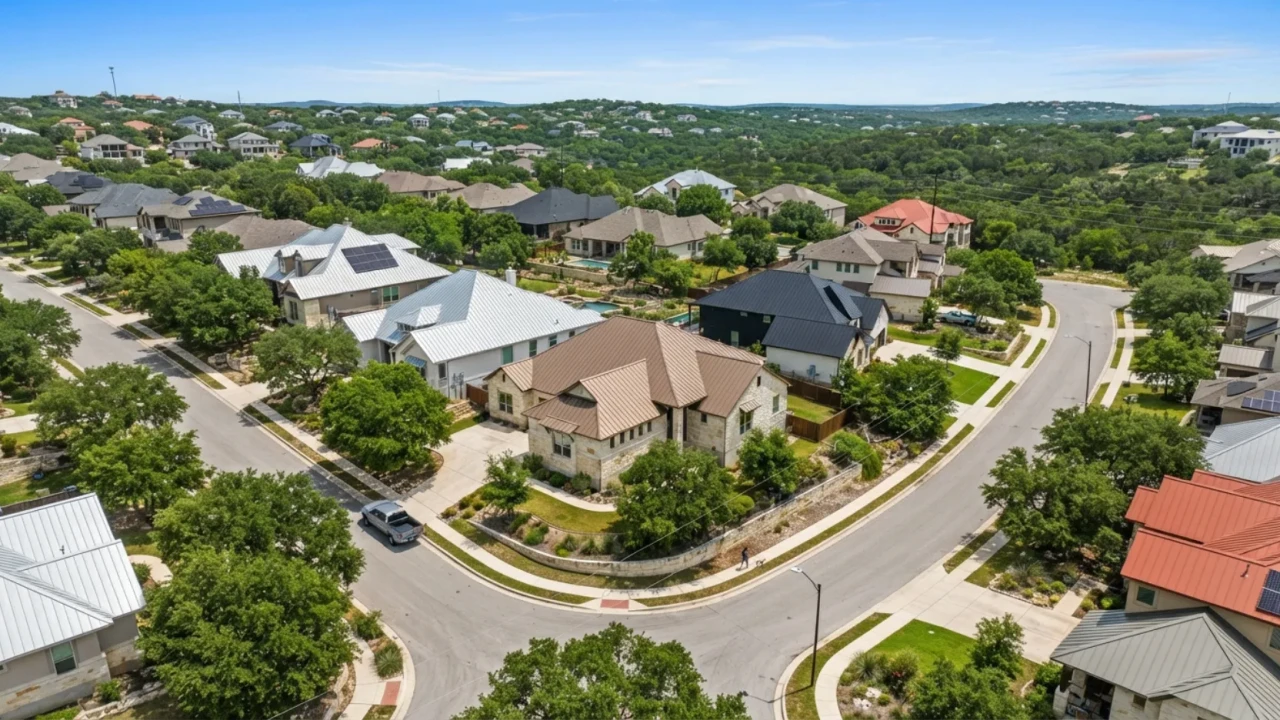
Metal roofing is not the right answer for every situation. Understanding when it makes the most sense helps you make a confident decision rather than an impulse one in either direction.
- You plan to stay in the home for 10 or more years enough time to recover the upfront premium through energy and insurance savings
- Your asphalt shingle roof is approaching or has reached end of life and you want to avoid replacing it again in 20 years
- You are planning to sell the home within the next few years and want to maximize resale value and buyer confidence
- Your homeowners insurance premium has increased significantly and you want to reduce it with a Class 4-rated roof
- Your air conditioning bills are high and you want a structural improvement that reduces cooling demand
- Your home has been hit by hail multiple times and you want a material that can absorb the next storm without needing replacement
- Your current roof is in a low-pitch area where asphalt shingles are more vulnerable to water intrusion and moss growth
- The home is in an area of Bexar County that sees high wind events and you want the superior wind resistance of a standing seam system
- You are building a new home and want to select the roofing material that will minimize lifetime cost of ownership from day one
- Your current asphalt shingle roof has fewer than five years of remaining life and your budget is constrained a straight replacement in asphalt may be the right bridge decision
- You are planning major structural work on the home within the next two to three years coordinate the roofing upgrade with that project rather than doing it twice
- Your HOA has restrictions on roofing materials confirm approval before committing to any metal roofing project
How much money does metal roofing actually save on energy bills in San Antonio?
Does metal roofing really last 50 years in San Antonio’s climate?
Will a metal roof make my San Antonio home noisier during rain or hail?
Does metal roofing increase the risk of lightning strikes on my San Antonio home?
How much does metal roofing cost compared to asphalt shingles in San Antonio?
Can metal roofing be installed over existing asphalt shingles in San Antonio?
Ready to explore metal roofing for your San Antonio home?
Get a free, no-obligation estimate from our experienced metal roofing team. We will inspect your current roof, walk you through the right panel options for your home and budget, and give you a clear written quote with no pressure and no surprises.
[/et_pb_code][/et_pb_column][/et_pb_row][/et_pb_section]