

Metal roofing · San Antonio, Texas
How Long Does It Take to Install a Metal Roof in San Antonio?
A metal roof goes on in a set order: tear-off, deck check, underlayment, panels or shingles, then trim, flashing, and cleanup. How long each step takes depends on your roof’s size, pitch, and shape, the metal system you choose, and the weather. Here is what happens in each phase and what moves the schedule.
The short answer
How long it takes to install a metal roof depends on the roof, not on a standard number of days. A simple roof with one layer to remove and an easy panel system moves faster than a steep, cut-up roof with several old layers, a damaged deck, or a lot of custom flashing. Rain, permit timing, and when materials arrive also matter. A reliable schedule comes from an inspection and a written quote for your house, not from a general estimate.
Why metal roof installation time depends on your roof
Every metal roof goes through the same phases, but how long each phase takes varies a lot from house to house. That’s why a roofer who quotes a fixed number of days before seeing your roof is guessing.
Consider two San Antonio homes. One is a single-story ranch house with a simple gable roof and one layer of old shingles. The other is a two-story house with a steep roof, several valleys, a chimney, skylights, and two layers of shingles on top of decking that has had leaks before. Both can get the same metal roof, but the second house needs more tear-off, more deck repair, more cutting, and more flashing work. Its schedule will be longer, and only an inspection can say by how much.
The main things that decide the timeline are the size of the roof, how steep and complicated it is, how many old layers have to come off, what condition the deck is in, which metal system you choose, and the weather. Permits and material delivery can also affect the start date. Each is covered below.
If you’re still choosing materials, RRSATX’s metal roofing services page explains the options, and the guide to metal roof cost in San Antonio covers how those choices affect the budget.
Phase one: tear-off and roof deck check
Most metal roof jobs start by stripping the old roofing down to the deck so the crew can see what the new roof will sit on.
The crew removes the old shingles, underlayment, and worn flashing, protects the landscaping and siding, and clears the debris as it comes off. Each extra layer of old roofing adds work. A roof that has been re-covered before takes longer to strip than one with a single layer.

Once the deck is exposed, the crew checks it for soft, rotted, or damaged sheets. This is the step most likely to change the schedule, because damaged decking has to be replaced before anything goes on top of it. Some damage only shows once the old roofing is off. A good contractor tells you upfront how replacement sheets will be documented and approved if they’re needed.
In some cases metal can be installed over existing shingles instead of after a full tear-off. Whether that makes sense depends on the condition of the roof and local requirements, so ask about it during the inspection rather than assuming it’s an option.
Phase two: underlayment and roof preparation
Underlayment is the water-resistant layer between the deck and the metal, and it has to be installed carefully before any panels go on.
The crew rolls out underlayment across the deck, lapping each course over the one below it so water runs down and off. Extra protection goes in the areas that take the most water, such as valleys, eaves, and the spaces around penetrations. Drip edge and some starter trim go in at this stage too, depending on the system.
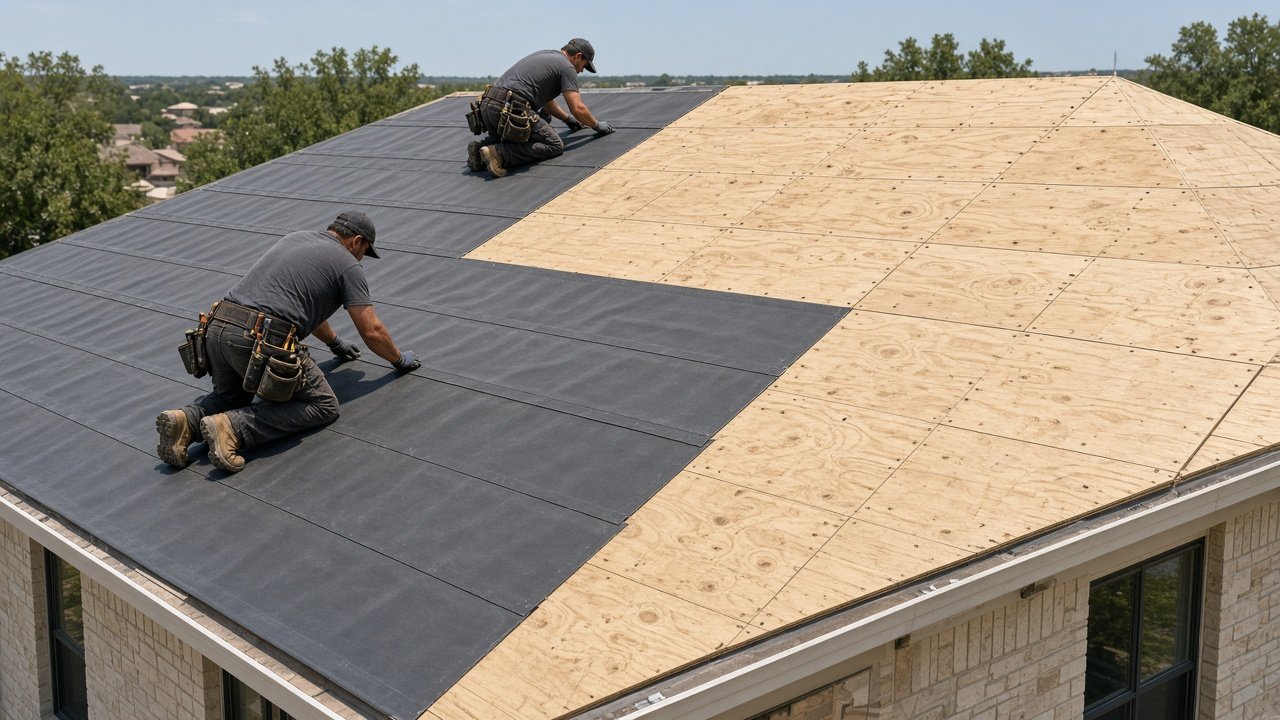
Weather matters most in this phase and the one before it. Once the old roof is off, the house is protected only by the deck and the new underlayment. Crews often plan tear-off and underlayment so that an exposed area is covered the same day, and they may hold off on starting when rain is in the forecast. San Antonio storms can come up quickly, so a schedule that leaves room for weather is a sign of a careful contractor, not a slow one.
Phase three: installing standing seam, corrugated, or metal shingle roofing
The metal system you choose has a major effect on how long installation takes. Panels and shingles go on differently, and some need more measuring, cutting, and detail work than others.
| System | How it goes on | What tends to affect the pace |
|---|---|---|
| Standing seam | Long vertical panels with raised seams that lock or snap together over hidden clips | Panels may be measured and formed to length for each slope, and careful seam and flashing work takes time |
| Corrugated or exposed-fastener panels | Ribbed panels screwed through the face into the deck or framing | Fewer steps per panel, but fastener placement and sealing still need care |
| Metal shingles | Smaller interlocking pieces installed in courses, similar to traditional shingles | More pieces to place and more cuts around hips, valleys, and penetrations |
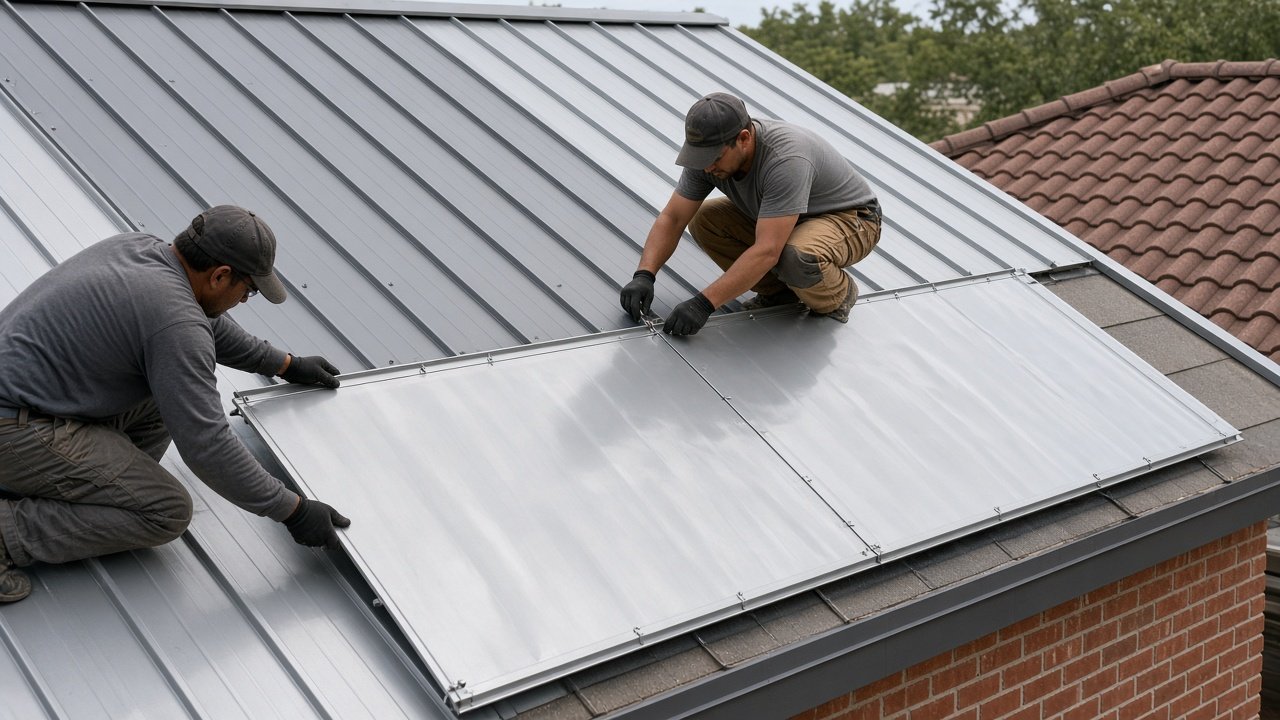
Roof shape matters as much as the material. Every hip, valley, dormer, chimney, skylight, and vent means panels have to be cut and fitted around it. A long, open slope goes quickly with any system. A roof with many intersections slows every system down.
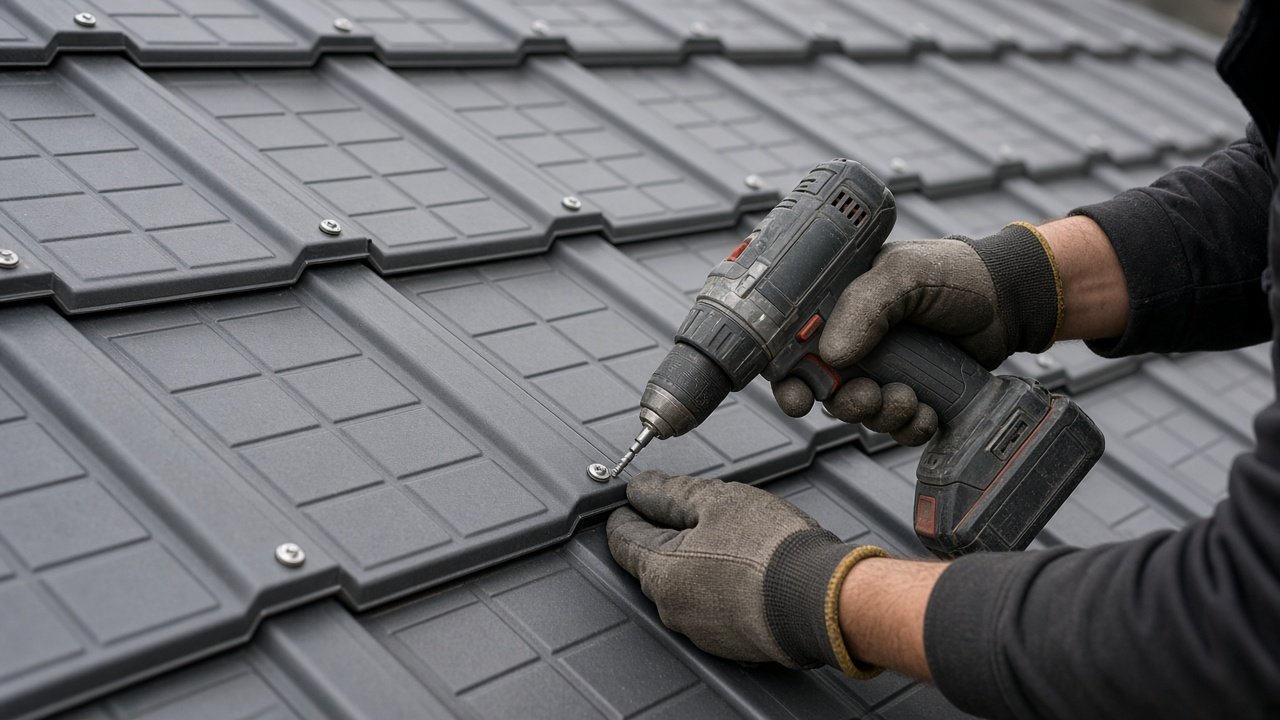
For a step-by-step look at the installation itself, see RRSATX’s guide on how metal roofing is installed in San Antonio.
Phase four: trim, flashing, and final cleanup
The finishing work is what makes a metal roof watertight at its edges and openings, so it shouldn’t be rushed.
After the panels or shingles are on, the crew installs ridge caps, hip and valley trim, eave and rake trim, and flashing around chimneys, walls, vents, and skylights. On a roof with a lot of penetrations or wall intersections, this phase can be a significant part of the job, because each detail is fitted and sealed by hand.
- Ridge and hip caps. Cover the peaks where slopes meet.
- Edge trim. Finish the eaves and rakes so wind and water can’t get under the panels.
- Penetration and wall flashing. Seal around chimneys, pipes, skylights, and walls.
- Cleanup. Pick up metal scraps and fasteners from the yard and driveway with magnetic sweeps.
- Final walkthrough. Review the finished roof with you, with photos of the work and any decking that was replaced.
Ask for the final walkthrough and photos even if the job looks finished from the street. They’re your record of what was installed, and they make any future metal roof repair easier to plan.
What speeds up or slows down a metal roof installation
Most schedule changes come from a handful of predictable factors. Ask your roofer to tell you which of them apply to your roof before the job starts.
- Roof size: more area means more tear-off, more underlayment, and more panels.
- Pitch and height: steep or two-story roofs need more safety setup and slower, more careful movement.
- Old layers: each layer of old roofing adds tear-off time and disposal.
- Deck condition: rotted or damaged decking has to be replaced before the new roof goes on.
- Roof complexity: valleys, dormers, chimneys, and skylights add cutting and flashing.
- Panel type: standing seam, exposed-fastener panels, and metal shingles each install at a different pace.
- Weather: rain, high wind, and lightning stop work on an exposed roof.
- Permits and materials: when the permit is issued and when custom panels arrive can decide the start date.
Faster isn’t automatically better
A shorter schedule is only good news if it includes everything: a full deck check, proper underlayment, and careful flashing. Ask how the contractor avoids skipping steps when the weather is good and the crew is moving quickly.
Getting a written metal roof schedule for your San Antonio home
The most accurate answer to how long your metal roof will take comes in writing after an inspection. The Texas Department of Insurance recommends getting more than one written bid and keeping your contract and warranty documents. [1]
A roof inspection lets the contractor measure the roof, count the layers, check what can be seen of the deck, and note every penetration and intersection. Those findings are what a realistic schedule is built on. When you compare written quotes, look for these items:
- The metal system, panel profile, and underlayment included
- Whether the job includes a full tear-off, and how many layers are being removed
- How damaged decking found during tear-off will be documented, priced, and approved
- How the house is protected overnight and when rain is expected
- Who handles any permit, and how material ordering affects the start date
- Cleanup, final walkthrough, payment stages, and written warranty terms
Local roofing service
About Affordable Roofing Contractors San Antonio
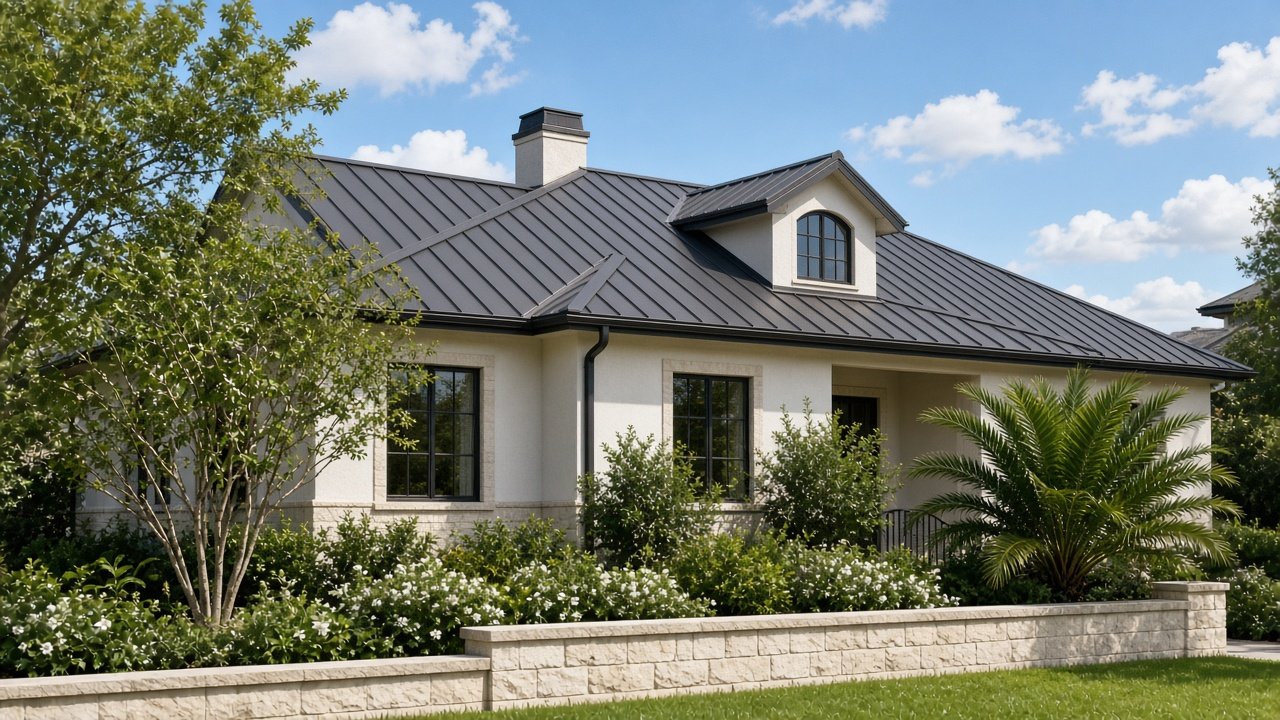
Affordable Roofing Contractors San Antonio, also known as RRSATX, provides metal roofing, roof repair, roof replacement, and roof inspections in San Antonio. When you call, tell us about your current roof, how many layers you think it has, and which metal system you’re considering. We’ll build the written scope and schedule from the inspection.
- Phone
- (713) 504-2341
- sales@affordableroofingcontractorssanantonio.com
- Address
- 4324 Monterey St, San Antonio, TX 78237
- Contact
- Request a free roof inspection
How long a metal roof install takes: questions answered
Can you tell me how many days my metal roof will take without an inspection?
Not reliably. The timeline depends on roof size, pitch, layers, deck condition, the metal system, and the weather. A schedule given before anyone has looked at the roof is a guess. The written schedule after an inspection is the one to plan around.
Does a standing seam metal roof take longer to install than other metal roofs?
It can. Standing seam panels are often measured and formed to length, and the seams and flashing need careful work. Exposed-fastener panels usually involve fewer steps per panel. Metal shingles have more pieces to place. The shape of your roof matters as much as the system.
What usually delays a metal roof installation?
The most common delays are rain or high wind on a roof that has been stripped, damaged decking found during tear-off, extra layers of old roofing, and waiting on a permit or custom panels. A good contractor tells you in writing how each of these will be handled.
Can I stay in my house while the metal roof is installed?
Many homeowners do. Expect noise during tear-off and installation, keep vehicles and pets away from the work areas, and ask the crew where debris will be dropped and how the yard will be cleaned up afterward.
Is it faster to install metal over my existing shingles?
Skipping tear-off can shorten the job, but it also means the deck isn’t fully checked. Whether it’s an option depends on the roof’s condition and local requirements, so ask about it during the inspection.
What should I send RRSATX to start planning?
Send the property address, photos of the current roof taken from the ground, the metal system you’re interested in, and any known leaks or past repairs. Call (713) 504-2341 or use the contact page.
Explore the roofing topic
More help planning a metal roof
Related guideHow metal roofing is installedA closer look at the installation steps from deck to ridge.
Next stepFree roof inspectionMeasurements and findings that a realistic schedule is built on.
Get a metal roof schedule built for your roof
Ask RRSATX for a free roof inspection and a written scope for your San Antonio home.