With decades of roofing and construction experience behind our team, we know that roof leaks in San Antonio rarely stay small for long. In South Texas, heat, hail, wind, and heavy rain can turn a minor roof issue into damaged insulation, stained ceilings, and costly repairs fast.
To stop roof leaks before water damage starts, act early when you notice missing shingles, ceiling stains, wet attic insulation, damaged flashing, or storm-related roof wear. The best way to prevent interior damage is to schedule a professional roof inspection before the leak spreads.
Why Is It So Important To Stop A Roof Leak Early?
A small roof leak can lead to much bigger problems inside the home or building. Water often travels before it becomes visible, which means the damage may already be spreading behind ceilings and walls.
Early action helps prevent:
- Mold and mildew growth
- Damaged drywall and paint
- Wet insulation
- Wood rot in roof decking
- Electrical hazards near attic wiring
- Higher repair costs later
Key takeaway: A roof leak is usually cheaper to fix early than after water damage reaches the interior.
What Are The First Signs Of A Roof Leak Before Major Water Damage Starts?
Most roof leaks show warning signs before they become severe. Knowing what to look for can help you act before major repairs are needed.
Common early signs include:
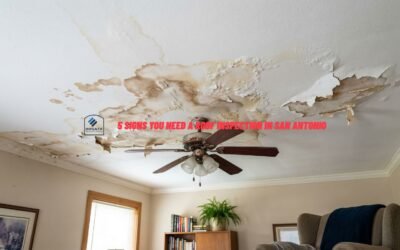
- Brown or yellow water stains on ceilings
- Bubbling or peeling paint
- Damp spots in the attic
- Wet or compressed insulation
- Missing, cracked, or curling shingles
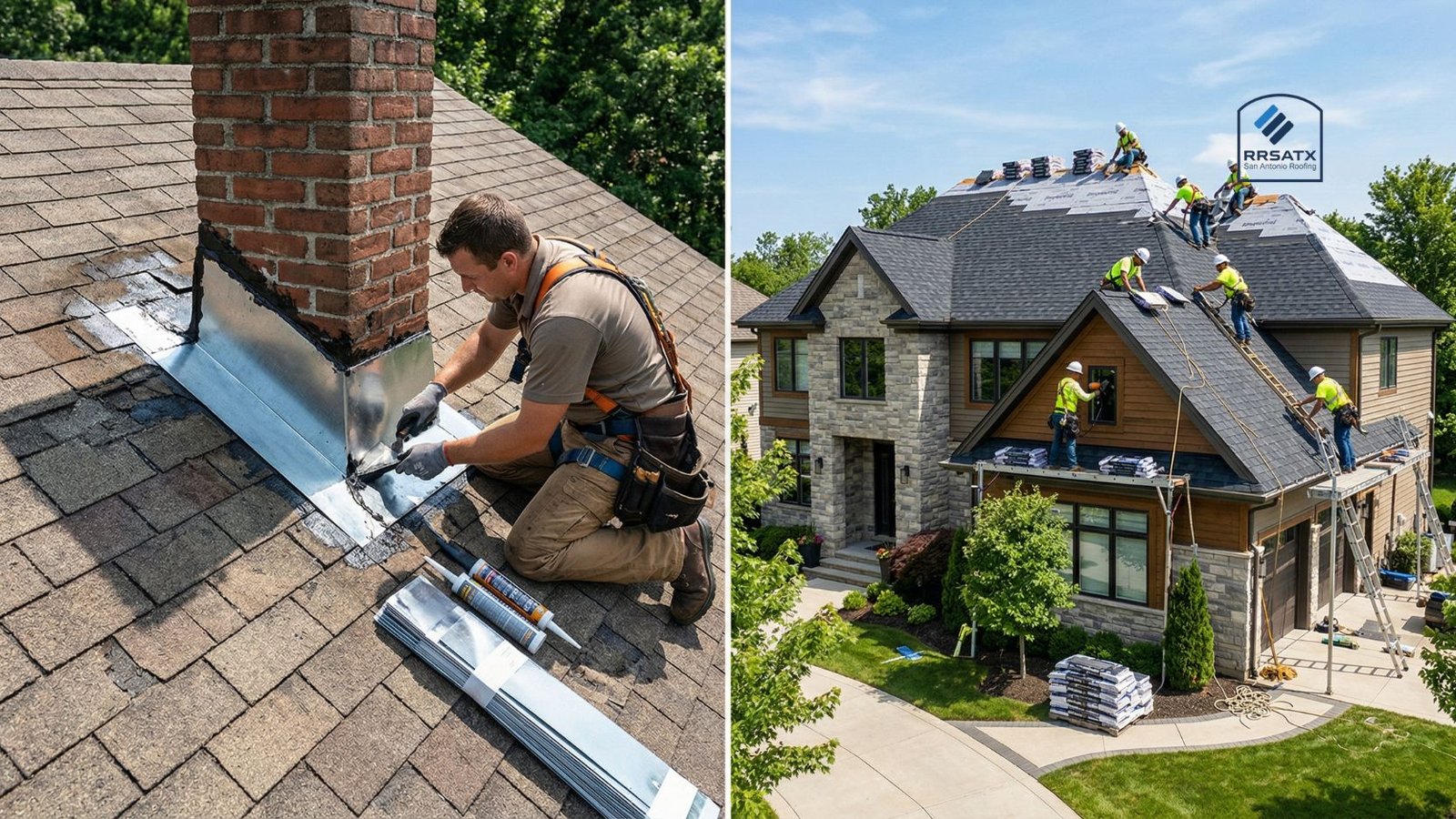
- Loose flashing near vents, chimneys, or skylights
- Musty smells after rain
- Dripping water during storms
These signs matter even if the leak seems minor. Water can move along rafters and decking before it appears in one visible spot.
What Causes Roof Leaks In San Antonio Homes And Buildings?
San Antonio roofs deal with intense weather stress year-round. Local climate is one of the biggest reasons leaks develop earlier than property owners expect.
The most common causes are:
- Hail damage from Texas storms
- Wind-lifted or missing shingles
- Cracked flashing around roof penetrations
- Aging roofing materials on 15- to 20-year-old roofs
- Failed sealants
- Flat roof drainage problems
- UV damage from constant sun exposure
- Poor past repairs
For properties near 4324 Monterey St, San Antonio, TX 78237 and 318 E Nakoma Dr #210, San Antonio, TX 78216, regular inspections make sense because local storm patterns and heat can shorten roof life.
How Can You Stop Roof Leaks Before They Damage Your Home?
The best way to stop roof leaks early is through inspection, maintenance, and fast repair when warning signs appear. Waiting for active dripping usually means the damage has already advanced.
Smart Prevention Steps
- Schedule roof inspections after major storms
- Check attic spaces for moisture or daylight
- Repair damaged shingles and flashing quickly
- Keep gutters and drains clear
- Watch for signs of aging on older roofs
- Document hail or wind damage right away
What To Do If You Already See Leak Signs
- Place a container under any active drip
- Move furniture and electronics away
- Take photos of damage
- Avoid climbing on the roof during wet or stormy weather
- Arrange a professional roof inspection
Key takeaway: Prevention is not just maintenance. It is finding small roof failures before they become interior repair projects.
Is Roof Repair Enough, Or Is Roof Replacement The Better Option?
That depends on the age of the roof, the size of the damaged area, and whether the problem is isolated or widespread. Many leaks can be repaired, but older roofs with repeated issues may need replacement.
Repair May Be Enough If:
- The leak is limited to one section
- Damage is tied to flashing or a few shingles
- The roof is still in good overall condition
- There are no signs of decking failure
Replacement May Make More Sense If:
- The roof is 15 to 20+ years old
- Leaks keep returning
- Storm damage affects large areas
- Roofing materials are brittle or worn out
- Water damage has reached structural components
| Roof Condition | Best Next Step |
| One leak, newer roof | Targeted roof repair |
| Storm damage in several areas | Full inspection and repair plan |
| Repeated leaks on old roof | Consider replacement |
| Sagging or structural damage | Urgent professional evaluation |
How Do Roof Inspections Help Stop Water Damage?
Roof inspections help catch hidden damage before it turns into visible interior problems. That is especially important after hail, wind, or heavy rain.
A professional roof inspection can identify:
- Missing or weakened shingles
- Damaged flashing
- Soft spots in roofing components
- Moisture intrusion in the attic
- Flat roof membrane issues
- Drainage problems
- Storm-related impact damage
This is valuable for homeowners, commercial building owners, and even buyers or sellers who need accurate roof condition information.
Should You File An Insurance Claim For A Roof Leak?
You may need to file a claim if the leak was caused by a covered event like hail or wind. If the issue came from age or deferred maintenance, coverage may be limited.
To protect your claim:
- Take photos of roof and interior damage
- Record when the leak started
- Save receipts for emergency tarping or mitigation
- Get a professional inspection report
- Review your policy details carefully
Key takeaway: Good documentation improves the chance of a smoother claim process.
How Do You Choose The Right Roofing Contractor In San Antonio?
Choose a roofing contractor who understands local storm damage, roof aging patterns, and the difference between repair and replacement. A proper inspection should come before any major recommendation.
Look for:
- Experience with residential and commercial roofing
- Clear written estimates
- Proof of insurance
- Knowledge of San Antonio weather conditions
- Honest repair recommendations
- Strong local review history
Avoid companies that skip the inspection process or push a full replacement without explaining why.
FAQs
Can A Small Roof Leak Really Cause Major Water Damage?
Yes. Even a slow leak can soak insulation, stain ceilings, rot wood, and create mold if it is not fixed early.
How Often Should A Roof Be Inspected In San Antonio?
At least after major storms and more often for older roofs. Roofs exposed to hail, wind, and strong sun should be checked regularly.
Is A Ceiling Stain Always Caused By A Roof Leak?
Not always, but it is a common cause. A roof inspection can help confirm whether the stain is from roof damage, flashing failure, or another moisture source.