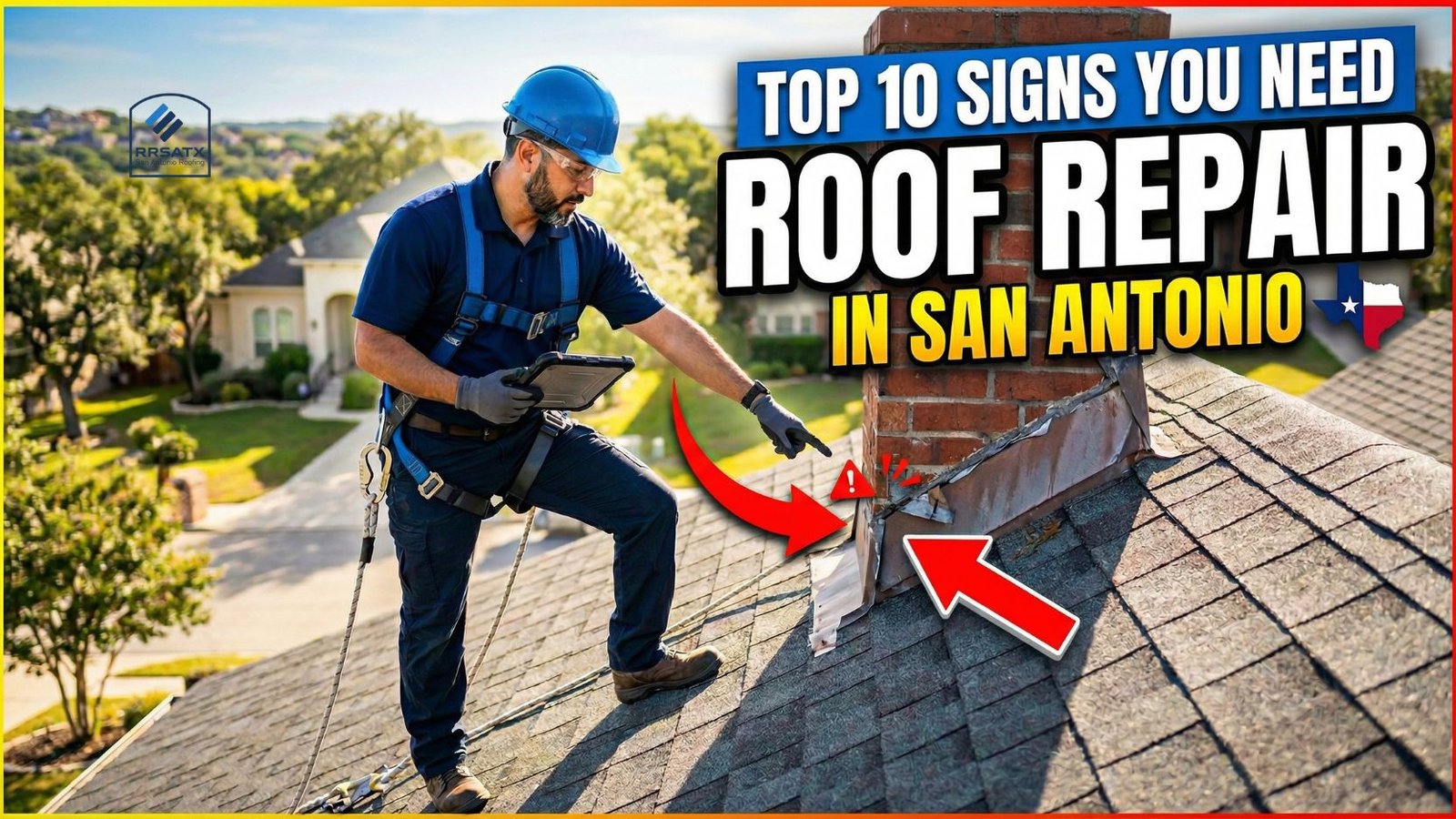
At RRSATX: San Antonio Roofing Company, our team works with homeowners and property owners dealing with roof leaks, storm damage, aging shingles, and commercial roofing issues in San Antonio. In South Texas, roofs take constant stress from heat, UV exposure, wind, hail, and heavy rain, so the warning signs of roof damage often show up earlier than many people expect.
The top signs you need roof repair in San Antonio include roof leaks, water stains on ceilings, missing or cracked shingles, damaged flashing, sagging roof areas, granules in gutters, attic moisture, rising energy bills, visible storm damage, and roofs nearing the end of their service life. If you notice one or more of these issues, a professional roof inspection can help prevent more costly structural damage.
Why Do Roofs In San Antonio Fail Faster Than Homeowners Expect?
San Antonio roofs often wear out faster because of extreme sun, heat swings, hailstorms, and strong winds. Even a roof that looks fine from the ground may have hidden damage.
Common local causes include:
- Intense UV exposure that dries and cracks shingles
- Hail impact that bruises roofing materials
- Wind that lifts shingles and flashing
- Heavy rain that finds weak points around vents and valleys
- Poor attic ventilation that traps heat and moisture
Key takeaway: South Texas weather is hard on roofing systems, so small warning signs should never be ignored.
What Are The Top 10 Signs You Need Roof Repair In San Antonio?
The most common roof repair warning signs are usually visible inside the home, along roof edges, or after a storm. Here are the top 10 signs property owners should watch for.
1. Water Stains On Ceilings Or Walls
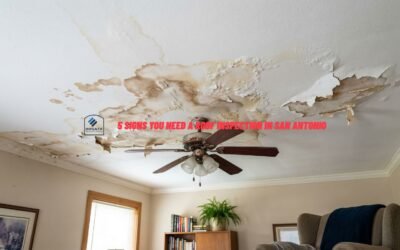
Brown spots, bubbling paint, or damp drywall often mean water is entering through the roof.
This can point to:
- A roof leak
- Failed flashing
- Damaged underlayment
- Roof penetration issues near vents or skylights
2. Missing, Cracked, Or Curling Shingles
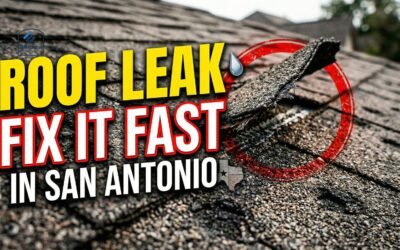
Damaged shingles are one of the clearest signs your roof needs repair.
Shingles can fail due to:
- Age
- Wind uplift
- Hail impact
- Heat exposure
When shingles are missing or broken, water can reach the roof deck.
3. Roof Leaks During Or After Rain
An active leak is a direct sign that roof repair should not wait.
Even a small leak can lead to:
- Insulation damage
- Mold growth
- Ceiling stains
- Wood rot
4. Damaged Flashing Around Roof Penetrations
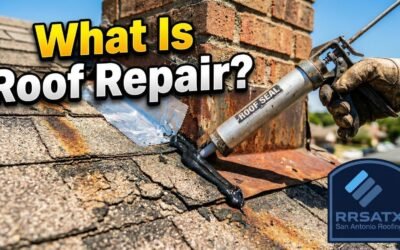
Flashing protects weak points around chimneys, vents, skylights, and roof edges. If flashing is loose, rusted, or cracked, water can enter quickly.
5. Sagging Roof Sections
A sagging roof area may signal trapped moisture, rotted decking, or structural weakness. This is one of the most serious signs and should be inspected right away.
6. Granules Collecting In Gutters
Asphalt shingle granules in gutters often mean the roof surface is wearing down. Granule loss reduces UV protection and speeds up aging.
7. Mold, Mildew, Or Attic Moisture
Moisture in the attic can point to a hidden roof leak or poor ventilation. Left alone, it can affect insulation, indoor air quality, and framing.
8. Higher Energy Bills
A damaged roof can reduce energy efficiency. If hot air is entering through roof gaps or attic ventilation is failing, cooling costs may rise.
9. Visible Hail Or Wind Damage
After a San Antonio storm, dents, lifted shingles, torn ridge caps, and exposed roof layers often mean repairs are needed.
10. Your Roof Is 15 to 20+ Years Old
Older roofs are more likely to develop leaks, material failure, and storm damage. Even if damage is not obvious, age alone is a good reason to schedule an inspection.
Which Roof Problems Need Immediate Attention?
Roof leaks, sagging areas, storm damage, and flashing failure should be addressed as soon as possible. These issues can quickly affect the structure of the home or building.
Here is a quick guide:
| Roof problem | Risk level | Why it matters |
| Active roof leak | High | Can damage ceilings, insulation, and framing |
| Sagging roof section | High | May indicate structural weakness |
| Missing shingles | Medium to High | Exposes underlayment and decking |
| Damaged flashing | High | Common source of hidden leaks |
| Granule loss | Medium | Speeds up shingle deterioration |
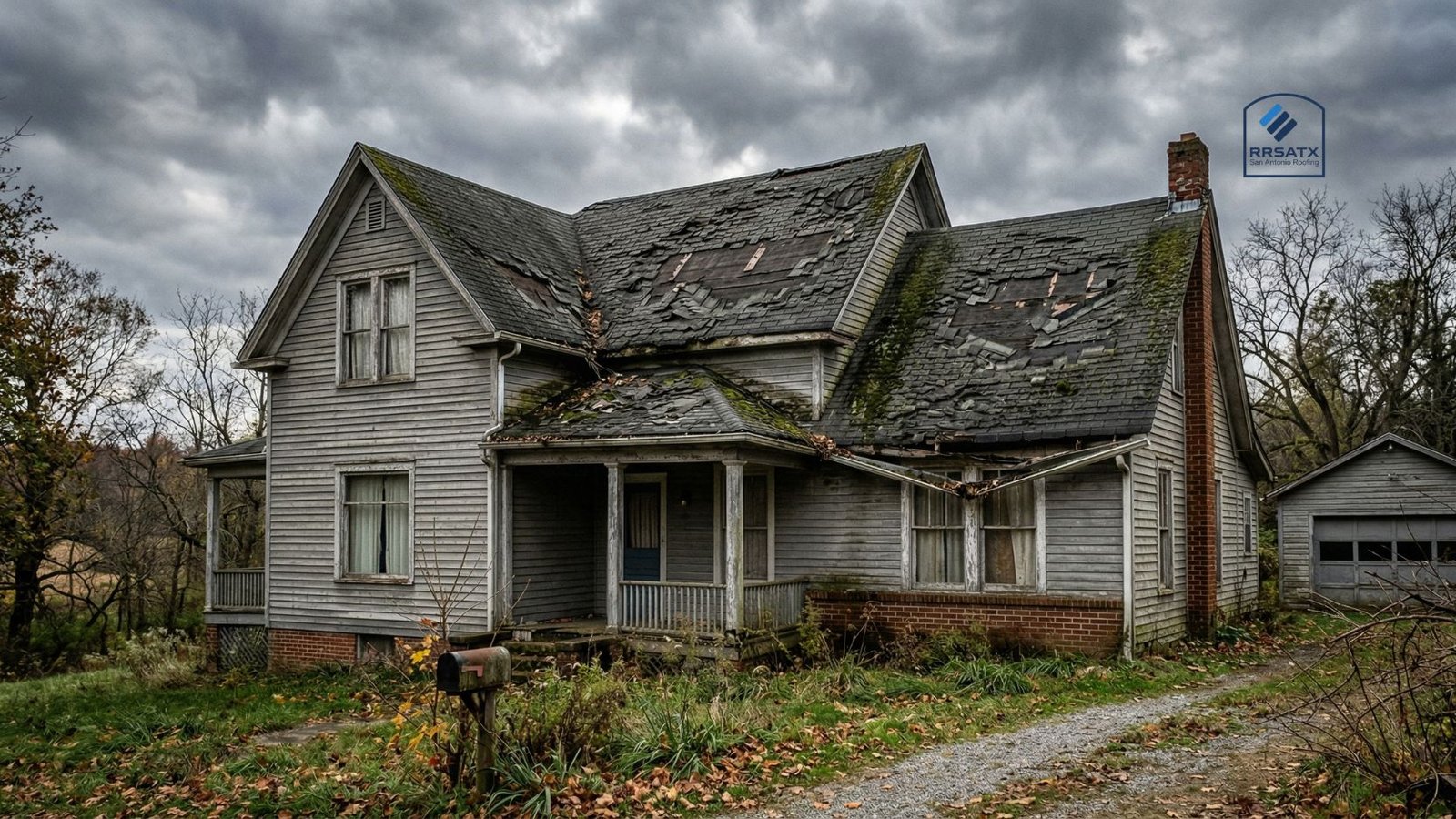
Should You Repair Or Replace Your Roof?
If damage is limited, roof repair is often the better option. If the roof is older or has widespread damage, replacement may be more cost-effective.
Roof repair may make sense if:
- Damage is isolated
- The roof is still within its expected life
- The decking is in good condition
Roof replacement may make sense if:
- Leaks keep returning
- Large areas are damaged
- Storm damage is severe
- The roof is near the end of its lifespan
Key takeaway: The right choice depends on the extent of damage, roof age, and overall condition of the system.
When Should San Antonio Homeowners Schedule A Roof Inspection?
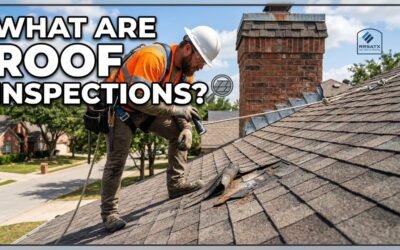
You should schedule a roof inspection after storms, when leaks appear, before buying or selling a home, or if the roof is more than 15 to 20 years old.
A professional inspection can help identify:
- Hidden hail damage
- Soft spots in decking
- Flashing problems
- Drainage issues on flat or low-slope roofs
- Moisture entry points
For property owners in San Antonio, regular inspections are one of the best ways to catch small issues before they become major repairs.
FAQs
How Do I Know If My Roof Leak Is Serious?
Any roof leak is serious enough to inspect. Even minor dripping can lead to mold, insulation damage, and wood rot if ignored.
Can Hail Damage A Roof Without Causing An Immediate Leak?
Yes. Hail can bruise shingles, loosen granules, and weaken roofing materials long before water shows inside the home.
How Often Should A Roof Be Inspected In San Antonio?
Most roofs should be inspected at least once a year and after major storms. Older roofs may need more frequent checks.