
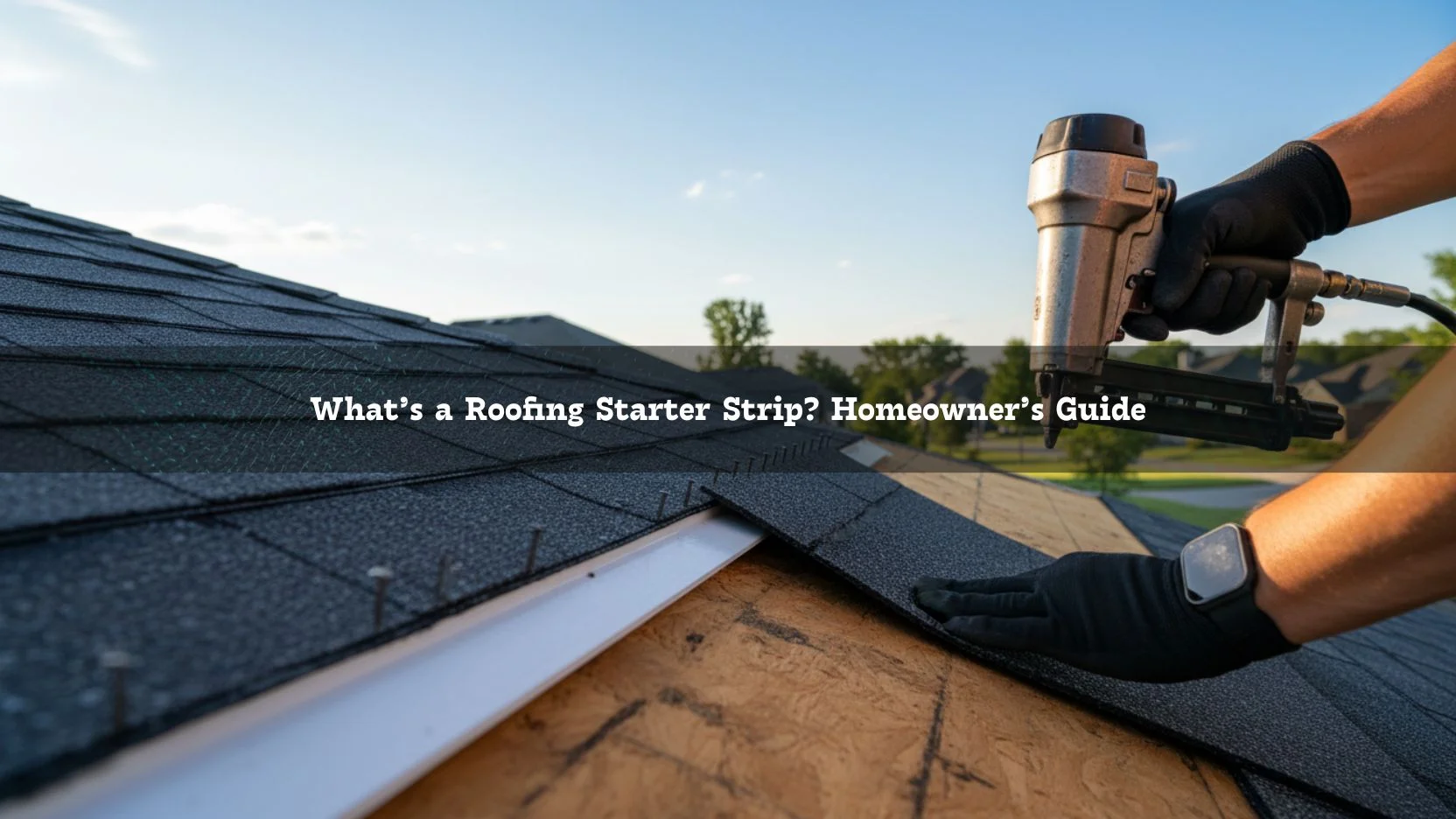
Roofing guide · San Antonio, Texas
What Is a Roofing Starter Strip, and Why Does It Matter?
The first row of a shingle roof is easy to overlook but does important work at the edges.
The short answer
A starter strip is the first course of shingle material installed along the eaves and often the rakes, under the first row of shingles. It has a sealant strip that bonds the first row down, helping keep wind from lifting the roof’s edges, and it covers the gaps between the first row of shingles so water doesn’t reach the deck. The Texas Department of Insurance stresses installing shingles to the manufacturer’s instructions, which usually specify starter. [1]
What does a starter strip do?
Seals the edges and covers the gaps.
- Wind resistance: its adhesive bonds the first row so wind can’t get under the edge.
- Water protection: it fills the gaps under the first row’s cutouts or joints.
- A straight line: it gives the crew a straight starting edge.
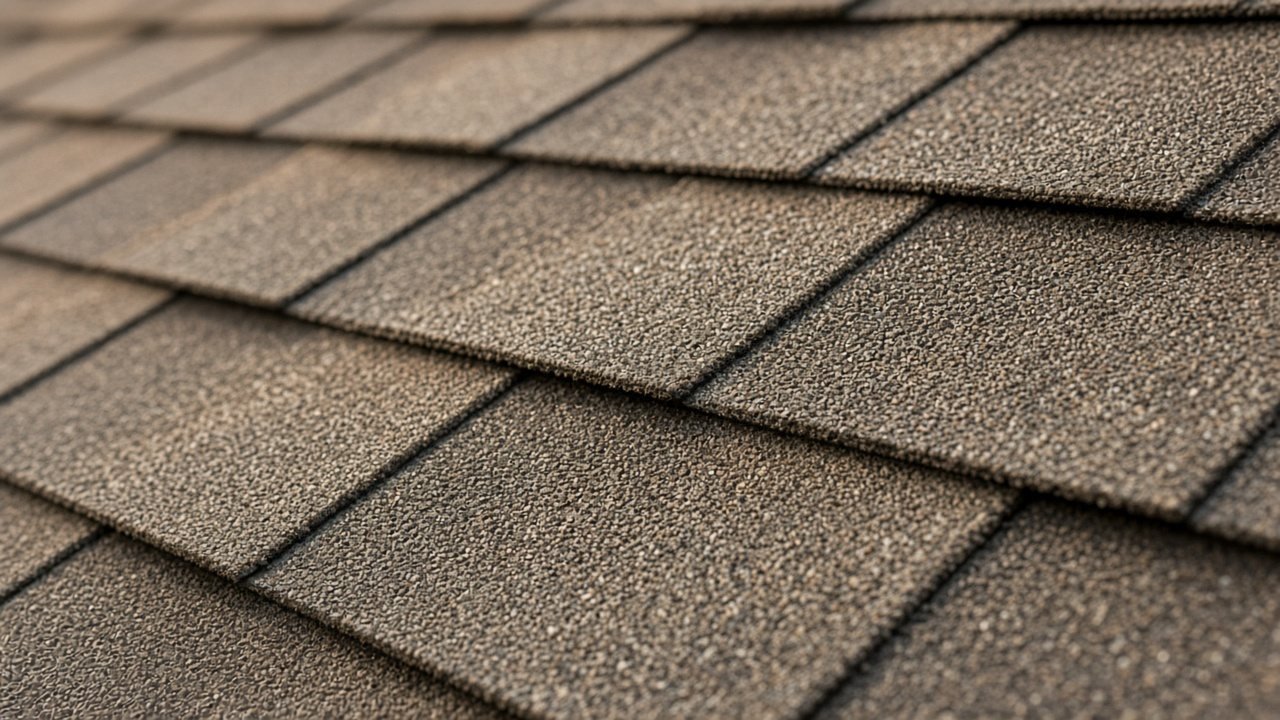
Where does it go?
Eaves, and often rakes.
Starter goes along the eaves, at the bottom of the roof, and many manufacturers also call for it along the rakes, the sloped edges. It sits over the drip edge and underlayment. See drip edge for how the edge metal fits in.
What types are there?
Purpose-made starter or cut shingles.
| Type | Notes |
|---|---|
| Purpose-made starter | Made by shingle manufacturers with sealant placed for the edge |
| Cut three-tab shingles | Older method; check that it meets the manufacturer’s instructions |
Shingles should be tested for wind to ASTM D 3161 Class F or D 7158 Class H, [1] and the starter should be part of that installed system.
What should you ask your roofer?
Is it included, and where?
- Is starter included at eaves and rakes?
- Is it the manufacturer’s matching product?
- Is it installed to the manufacturer’s instructions? [1]
What RRSATX recommends
Edges are where wind starts tearing shingles off. Make sure the estimate names starter at both eaves and rakes.
Next steps: what you can do, and what needs a pro
Check the edges in your estimate.
You can safely:
- Ask if starter is included.
- Ask where it goes.
- Check after storms for lifted edges.
- Keep the estimate.
Leave to a roofer: installing starter, drip edge, and shingles to the manufacturer’s instructions. RRSATX offers a free roof inspection with a photo report and a written estimate.
Local roofing service
About Affordable Roofing Contractors San Antonio
Affordable Roofing Contractors San Antonio, also known as RRSATX, is a father-and-son roofing business owned by Ted. Ted has 40 years of hands-on roofing experience. The company carries $2 million in liability insurance coverage. It offers free roof inspections and leak inspections, with no fee and no obligation, provides a photo report after the inspection, and gives a free written estimate before any work starts. If storm damage is involved, RRSATX can help as your roofer, not your adjuster: it can document damage and prepare an estimate, but it cannot act as a public insurance adjuster or negotiate a claim for you. [2] RRSATX provides a written workmanship warranty; this guide does not state its terms.
- Phone
- (713) 504-2341
- sales@affordableroofingcontractorssanantonio.com
- Address
- 4324 Monterey St, San Antonio, TX 78237
- Contact
- Request a free roof inspection
Roofing starter strip: questions answered
Can a roof be installed without starter?
Manufacturers usually require it. Check the installation instructions. [1]
Does starter affect the warranty?
Manufacturers set installation requirements; read the warranty.
What if my edges lift in wind?
Have them inspected. See missing shingles.
Is starter used on metal roofs?
No. Metal roofs use their own edge trim.
Request a free roof inspection
Call or use the contact form. You get a photo report and a written estimate before any work starts.