
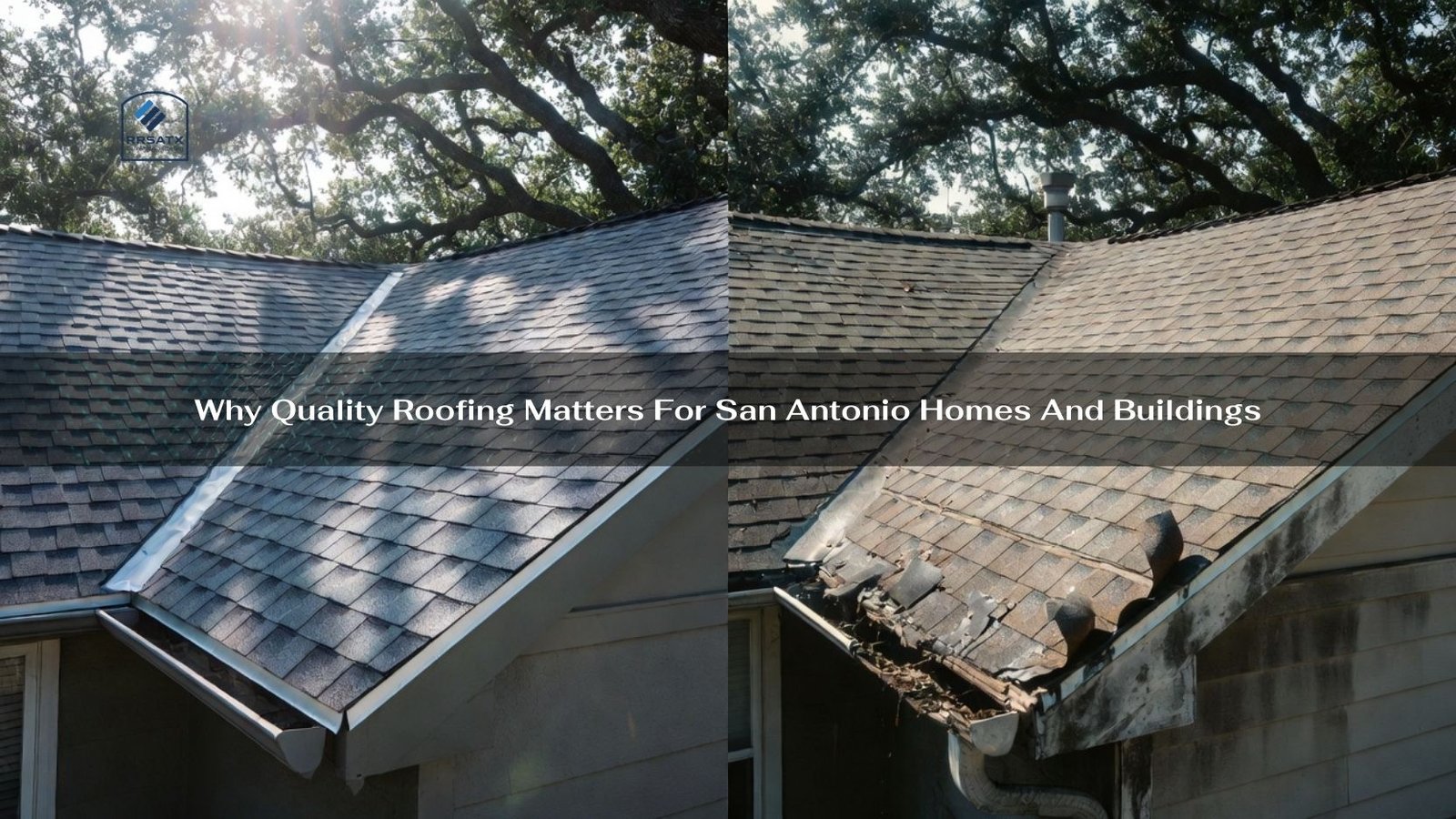
With decades of hands-on roofing experience working on residential and commercial properties across San Antonio, we’ve seen the long-term difference between low-cost installs and high-quality roofing systems. In South Texas, where extreme heat, hail, and heavy rain are common, roofing standards directly impact how long a roof truly lasts.
Why quality roofing matters: A properly installed, high-quality roof protects your structure from water intrusion, lowers long-term costs, improves energy efficiency, and preserves property value especially in demanding climates like San Antonio.
Key takeaway: A roof is not just shingles, it’s a complete protection system.
What Does “Quality Roofing” Actually Mean?
Quality roofing means proper materials, correct installation, and full system integration.
It includes:
- Durable roofing materials rated for Texas weather
- Correct underlayment installation
- Proper flashing and sealing around penetrations
- Adequate attic ventilation
- Code-compliant fastening methods
A roof fails most often at seams, flashing points, and penetrations not in the middle of the shingles.
Low-bid installations often cut corners in these hidden areas.
How Does Quality Roofing Protect Against San Antonio Weather?
High-quality roofing systems are designed to handle heat, hail, and heavy rain.
In San Antonio:
- UV exposure weakens lower-grade shingles
- Sudden downpours test drainage systems
- Hail impacts reveal material strength differences
Premium shingles and metal systems typically offer:
- Higher wind ratings
- Better impact resistance
- Stronger sealant performance
For commercial flat roofs, membrane thickness and seam welding quality determine longevity.
Key takeaway: Climate demands higher standards.
Does Quality Roofing Really Save Money Long Term?
Yes. Higher upfront investment often reduces lifetime ownership costs.
Here’s how:
| Roofing Quality Level | Typical Lifespan | Maintenance Frequency | Long-Term Cost Impact |
| Low-grade install | 10–15 years | Frequent | Higher cumulative cost |
| Mid-grade install | 15–20 years | Moderate | Balanced |
| High-quality system | 20–30+ years | Lower | Lower lifetime cost |
Inferior installation often leads to:
- Early leaks
- Repeated repairs
- Premature replacement
Budget-conscious homeowners benefit most from durable systems that avoid repeat labor expenses.
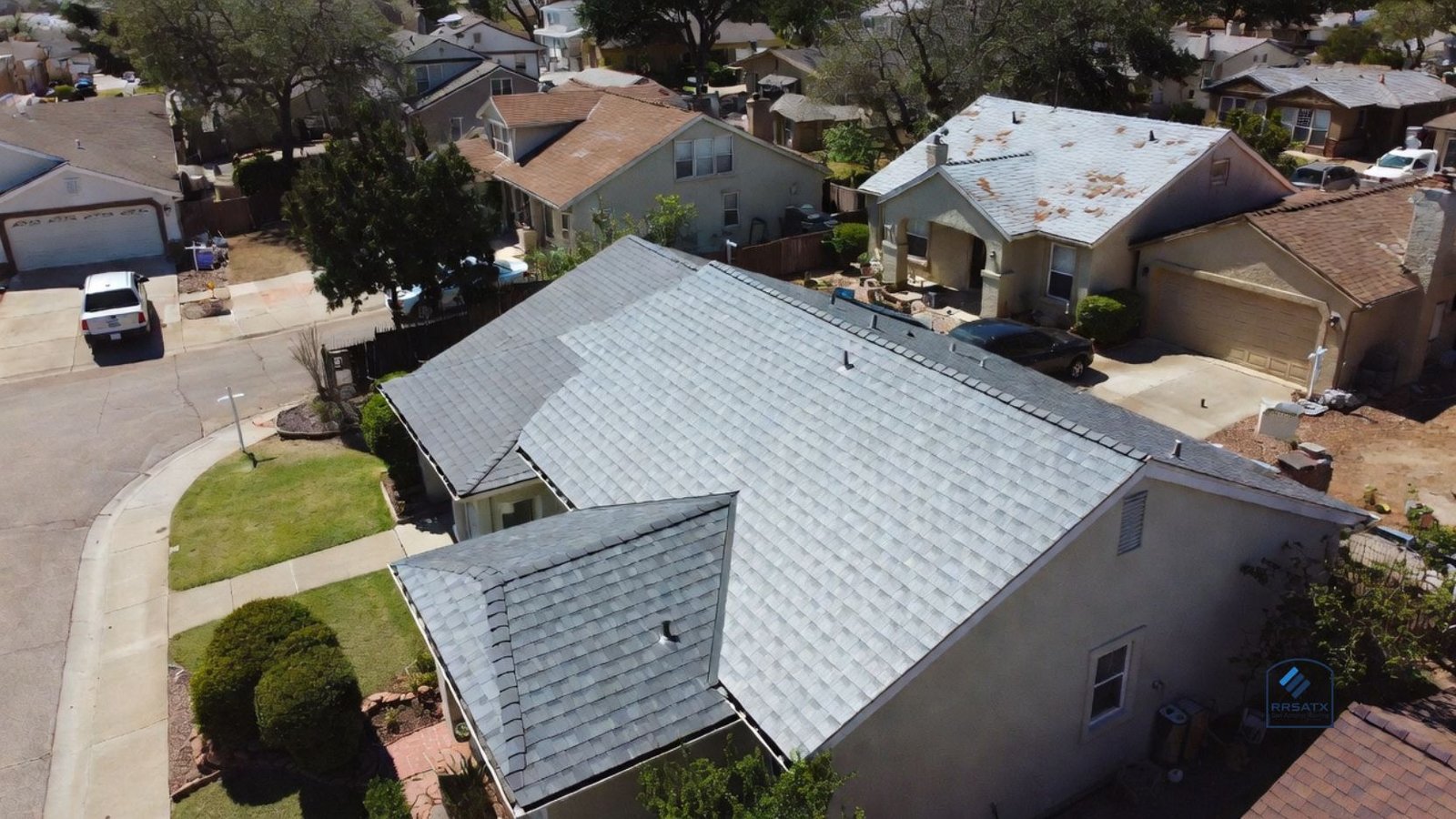
How Does Quality Roofing Affect Home Value?
A well-installed roof increases resale confidence and property value.
For home buyers and sellers:
- Clean inspection reports reduce negotiation delays
- Documented installation improves appraisal strength
- Buyers feel more confident in well-maintained homes
Commercial property owners also benefit:
- Lower perceived risk
- Stronger lease stability
- Improved asset valuation
In competitive San Antonio neighborhoods near 78237 and 78216, roof condition directly influences buyer decisions.
Why Does Installation Quality Matter More Than Material Alone?
Even premium materials fail if installed incorrectly.
Common installation mistakes include:
- Improper nail placement
- Poor flashing alignment
- Inadequate ventilation design
- Incorrect slope transitions
Ventilation alone impacts:
- Shingle lifespan
- Energy efficiency
- Moisture buildup
Poor airflow can trap heat and moisture, accelerating deterioration from the inside.
Key takeaway: The installer is as important as the material.
Is Quality Roofing Important For Insurance And Storm Claims?
Yes. Insurance inspections often evaluate installation condition.
After storm events:
- Properly installed shingles show clearer damage patterns
- Secure flashing reduces secondary water damage
- Well-documented systems strengthen claims
Insurance providers may question repeated claims tied to poor workmanship.
Quality roofing reduces disputes and simplifies documentation.
When Should You Upgrade To A Higher-Quality Roofing System?
Consider upgrading if:
- Your roof is 15–20+ years old
- You’ve had repeated leak repairs
- Storm damage is frequent
- You plan to sell within 3–5 years
Metal roofing, architectural shingles, and high-impact rated systems may provide stronger performance in high-risk weather zones.
An inspection determines whether repair or full upgrade makes financial sense.
FAQs
Is Expensive Roofing Always Better?
Not necessarily. The key is proper installation and climate-appropriate materials. Balanced investment and correct workmanship matter most.
Does Quality Roofing Lower Energy Bills?
Yes. Proper ventilation and reflective materials reduce attic heat buildup, improving cooling efficiency in hot climates.
How Long Should A Quality Roof Last In San Antonio?
A well-installed asphalt shingle roof can last 20–30 years. Metal systems may exceed 40 years with proper maintenance.