
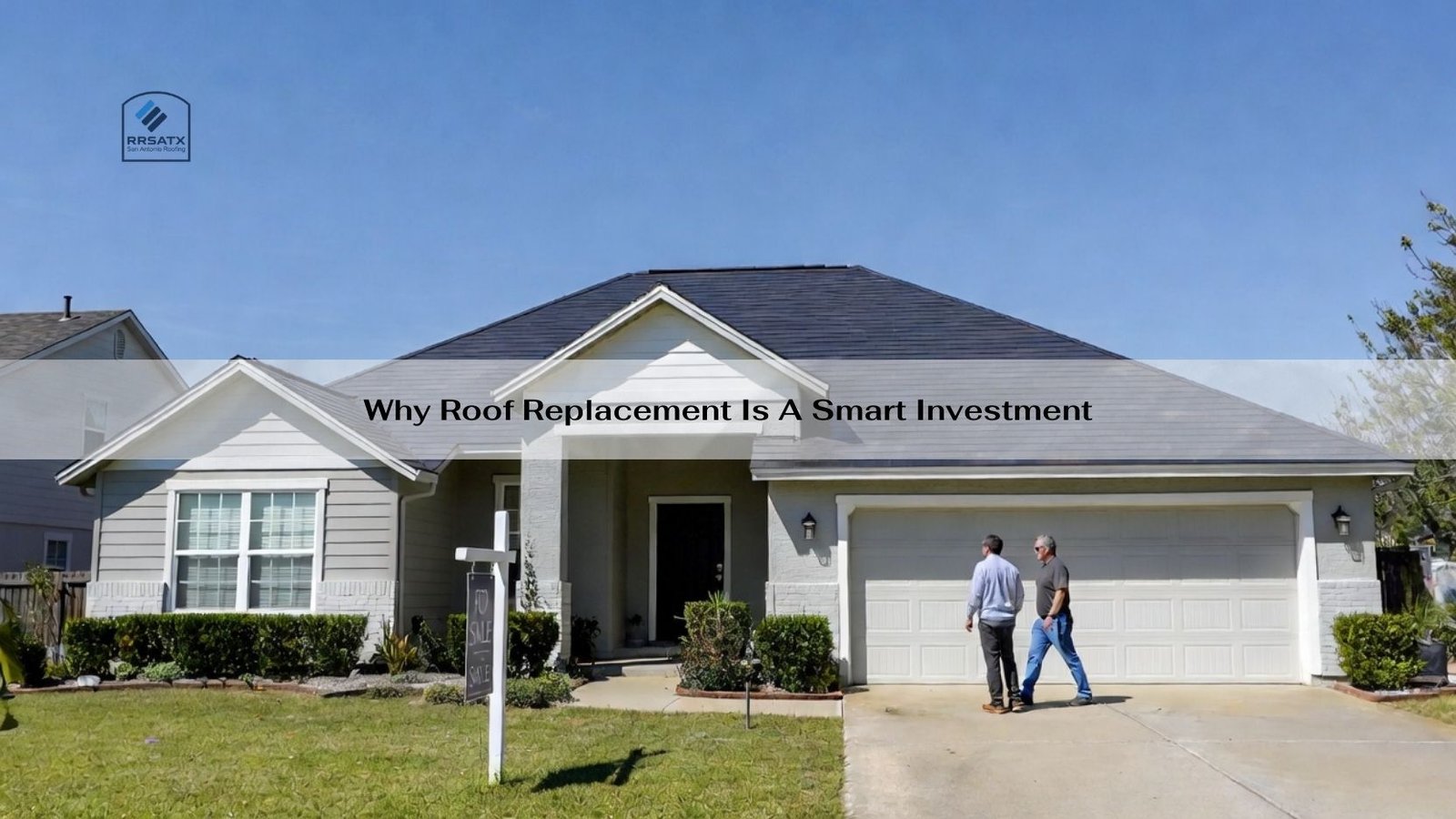
With years of experience working on residential and commercial roofs across San Antonio, we’ve seen how roof condition directly affects property value, energy performance, and long-term maintenance costs. In South Texas, heat, hail, and heavy rain accelerate roof wear.
Roof replacement is a smart investment because it protects your home from costly structural damage, improves energy efficiency, increases resale value, and reduces long-term repair expenses. Waiting too long often leads to higher total costs.
How Does Roof Replacement Save Money Long Term?
Roof replacement reduces the need for repeated repairs and prevents hidden damage.
Many aging roofs require frequent patchwork repairs. While individual fixes may seem affordable, they add up quickly. Worse, small leaks often spread beneath shingles and decking.
Long-term savings come from:
- Eliminating recurring leak repairs
- Preventing insulation and drywall damage
- Avoiding mold remediation costs
- Reducing emergency service calls
Key takeaway: One properly installed roof system costs less over time than ongoing temporary repairs.
Does A New Roof Increase Property Value?
Yes. A new roof improves resale value and buyer confidence.
According to national remodeling cost studies, homeowners often recover a significant portion of roof replacement costs at resale. In competitive San Antonio housing markets:
- Buyers ask about roof age
- Inspectors flag worn shingles
- Lenders may require roof condition verification
A recently replaced roof reduces negotiation issues and improves appraisal outcomes.
Homes with new roofs often sell faster and require fewer repair credits.
How Does Roof Replacement Improve Energy Efficiency?
Modern roofing systems perform better than older installations.
In Texas summers, attic temperatures can exceed 130°F. Poor ventilation traps heat, increasing HVAC strain.
A new roof may include:
- Improved attic ventilation
- Reflective shingles
- Synthetic underlayment
- Proper flashing and sealing
These components help reduce thermal transfer.
Energy-efficient roofing can lower cooling costs and improve indoor comfort.
Metal roofing and impact-rated architectural shingles are especially effective in high-heat climates.
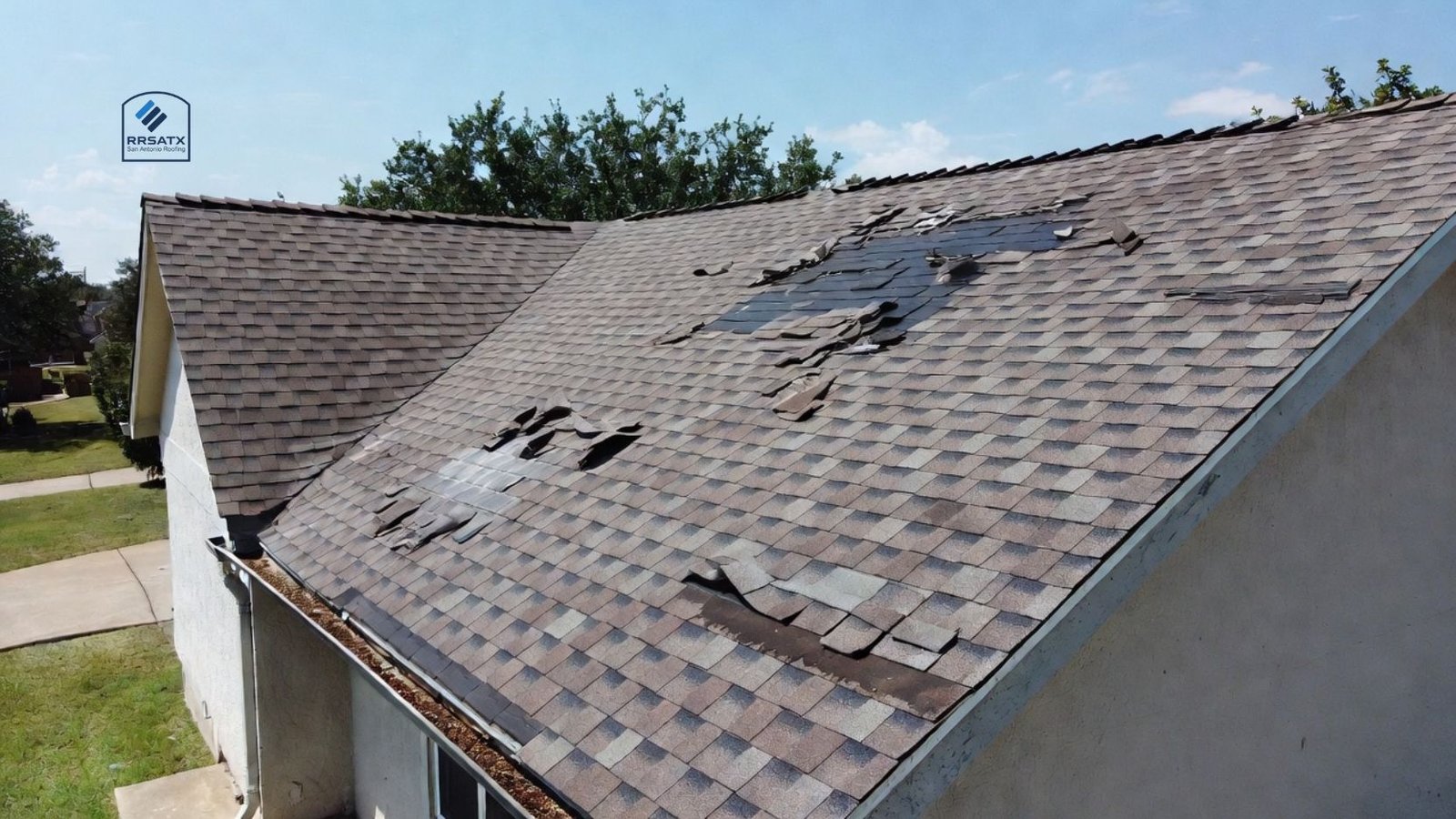
Is Roof Replacement Worth It For Aging Roofs (15–20+ Years)?
Yes. Roofs near the end of their lifespan carry a higher risk.
Asphalt shingles in Texas typically last 15–25 years, depending on ventilation and storm exposure.
Once shingles begin to curl, crack, or lose granules, failure accelerates.
Sign replacement makes sense:
- Multiple leaks
- Widespread shingle damage
- Soft decking
- Frequent repair history
- Visible sagging
Replacing before total failure prevents interior structural damage.
What About Insurance And Storm Damage In San Antonio?
Storm-related roof damage is common in Bexar County.
If your roof has hail or wind damage:
- Schedule a professional inspection
- Document visible issues
- Review your homeowner’s policy
- File a claim if covered
Insurance-supported roof replacement can significantly reduce out-of-pocket expenses when damage qualifies.
Delaying inspection may complicate claims if deterioration worsens.
Is Roof Replacement Better Than Repair Before Selling?
In many cases, yes.
Here’s a quick comparison:
| Roof Condition | Best Financial Move |
| Minor isolated damage | Repair |
| 20+ year old roof | Replace |
| Active leaks | Replace |
| Preparing to list home | Replace if near end of life |
| Storm impact damage | Insurance inspection first |
Replacing the roof before listing gives sellers control over contractor selection and materials, rather than negotiating buyer credits.
A new roof reduces closing delays and strengthens buyer confidence.
Does Roof Material Affect Return On Investment?
Yes. Durability impacts long-term value.
Common options in San Antonio:
- Architectural asphalt shingles – Cost-effective, 20–30 year lifespan
- Impact-resistant shingles – Better hail protection
- Standing seam metal roofing – 40–70 year lifespan
- Tile roofing – Long-lasting with strong curb appeal
Higher-durability materials may cost more upfront but reduce replacement frequency.
FAQs
How Long Does A Roof Last In Texas?
Asphalt shingles typically last 15–25 years in Texas heat. Metal roofs can last 40–70 years with proper installation.
Can Roof Replacement Reduce Insurance Premiums?
In some cases, impact-resistant roofing materials may qualify for insurance discounts. Check with your provider for specific policy details.
Is Roof replacement tax-deductible?
For primary residences, roof replacement is generally not tax-deductible, but it may be added to your home’s cost basis for capital gains purposes. Commercial properties may qualify for depreciation benefits.