
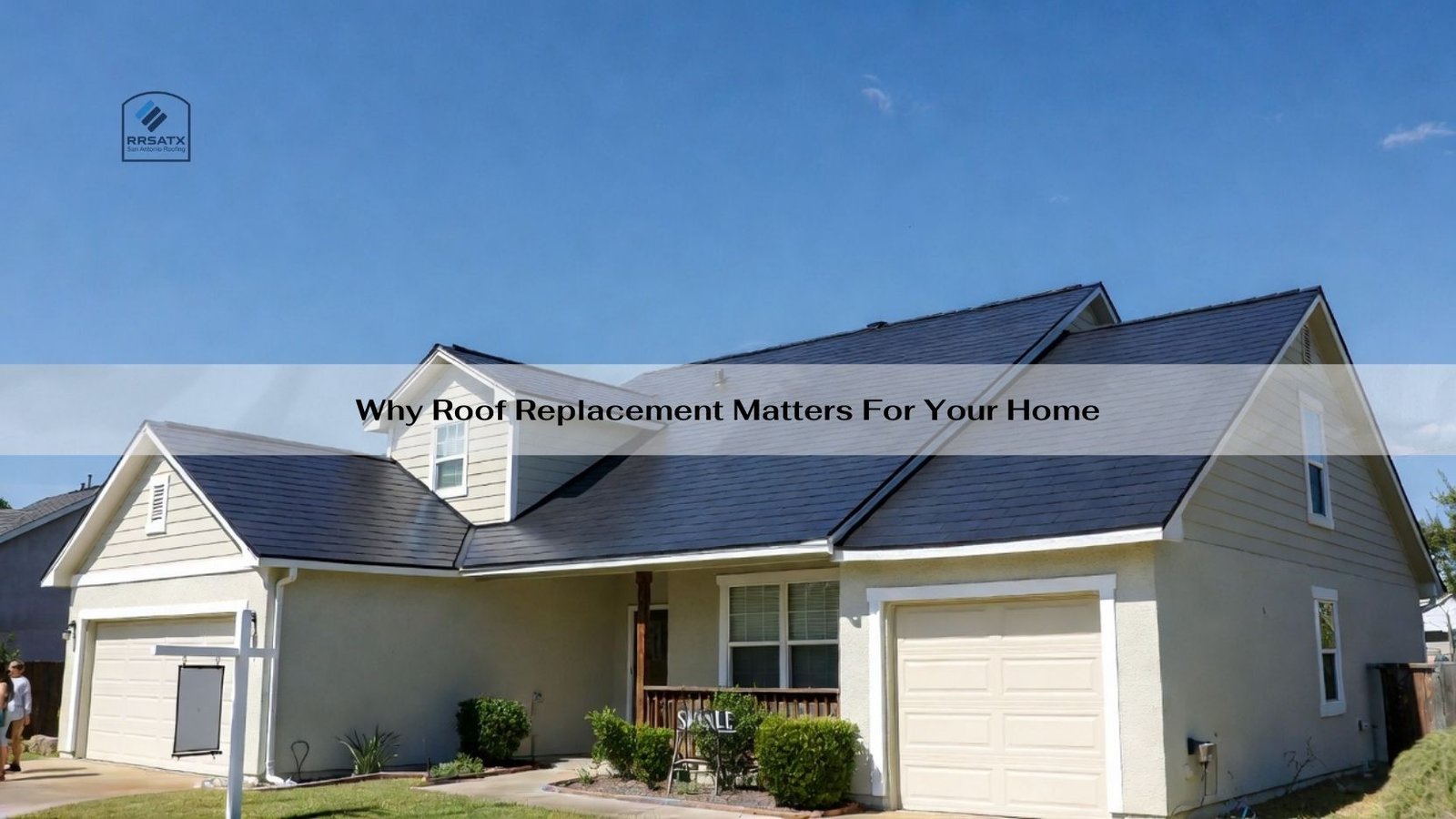
With hands-on experience inspecting and replacing roofs throughout San Antonio from Monterey St to Nakoma Dr we’ve seen how quickly minor roofing issues turn into structural problems in South Texas weather. Heat, hail, and heavy rain accelerate wear more than many homeowners expect.
Roof replacement matters for your home because it prevents structural damage, protects property value, improves energy efficiency, and reduces long-term repair costs. Waiting too long can lead to interior water damage and higher overall expenses.
How Does Roof Replacement Protect Your Home’s Structure?
A roof is your home’s primary barrier against water intrusion.
When shingles deteriorate or flashing fails, moisture enters beneath the surface. Over time, this can damage:
- Roof decking
- Attic insulation
- Ceiling drywall
- Framing components
In San Antonio’s storm season, even small vulnerabilities can allow significant water penetration.
Key takeaway: Replacing a failing roof protects the structural integrity of your entire home.
Does Roof Replacement Increase Home Value?
Yes. Roof condition directly impacts resale value and inspection outcomes.
Buyers and appraisers evaluate:
- Roof age
- Visible damage
- Remaining lifespan
- Evidence of leaks
A roof nearing 20–25 years often raises concerns during home inspections. Buyers may request credits or price reductions.
A newly replaced roof improves buyer confidence and reduces negotiation friction.
In competitive local markets, homes with updated roofing systems typically present lower risk to lenders and insurers.
Why Is Roof Replacement Important In San Antonio Specifically?
San Antonio’s climate accelerates roofing wear.
Key environmental factors include:
- High UV exposure
- Sudden hailstorms
- Heavy rain events
- Rapid temperature shifts
Asphalt shingles in Texas often last 15–25 years, depending on ventilation and storm exposure.
Metal roofing and impact-resistant shingles generally perform better under hail conditions.
Climate makes proactive roof replacement more important in South Texas than in milder regions.
Is Replacing Your Roof More Cost-Effective Than Repeated Repairs?
In many cases, yes.
Here’s a practical comparison:
| Situation | Financial Impact |
| Occasional minor repair | Low short-term cost |
| Frequent recurring leaks | Increasing cumulative cost |
| Aging 20+ year roof | Higher failure risk |
| Timely full replacement | Stable, predictable investment |
Repeated repairs often mask deeper deterioration beneath shingles.
If repair costs approach a significant percentage of replacement cost, full replacement is usually the smarter financial decision.
How Does Roof Replacement Improve Energy Efficiency?
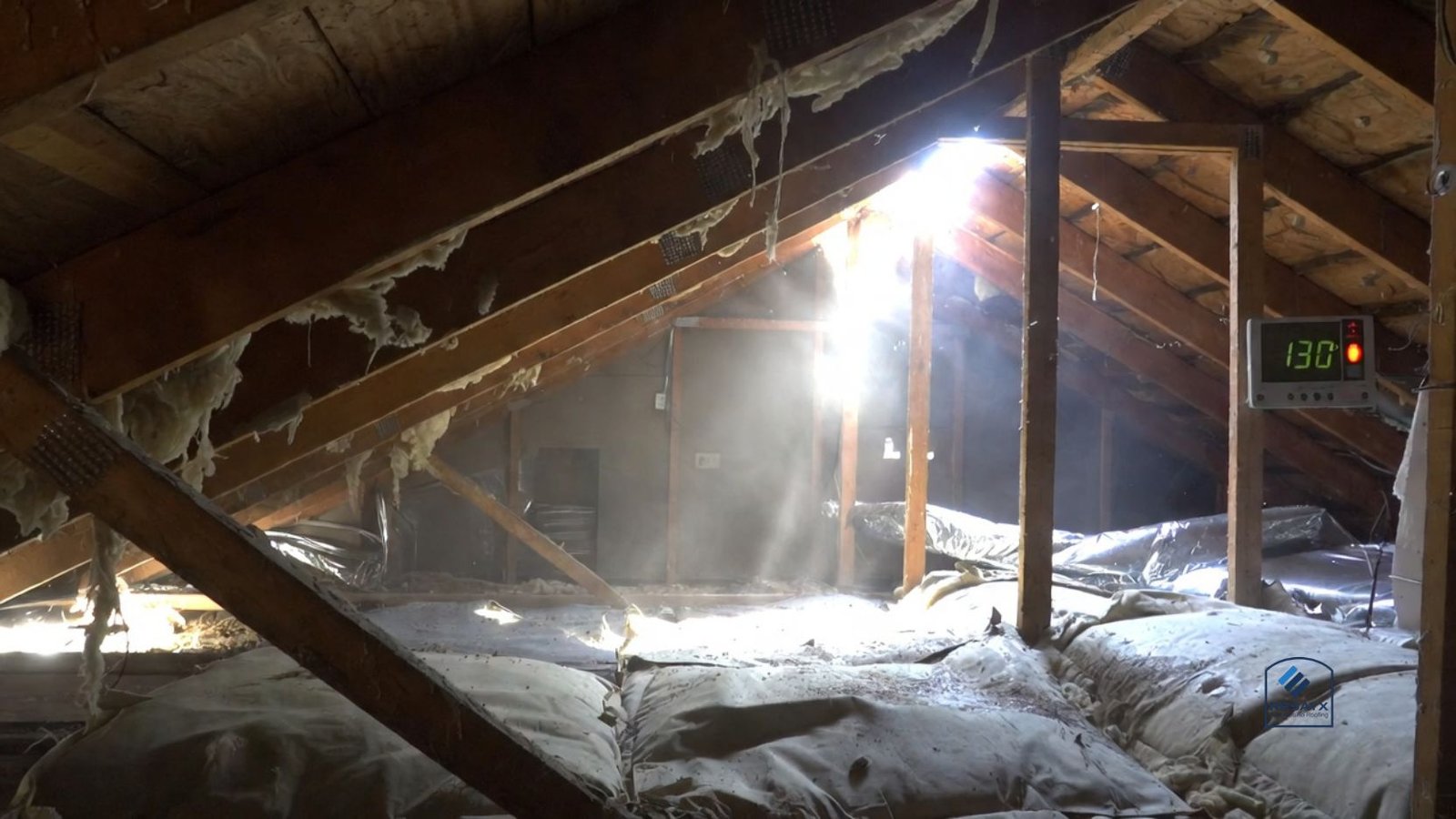
Older roofs often lack proper ventilation and modern materials.
During Texas summers:
- Attic temperatures can exceed 130°F
- Poor airflow strains HVAC systems
- Cooling bills increase
A new roofing system may include:
- Ridge and soffit ventilation
- Reflective architectural shingles
- Synthetic underlayment
- Properly sealed flashing
These improvements reduce heat transfer and improve indoor comfort.
Energy-efficient roofing reduces strain on your cooling system and improves long-term performance.
What Role Does Roof Replacement Play In Insurance Claims?
Storm damage is common in Bexar County.
If your roof sustains hail or wind impact:
- Schedule a professional inspection
- Document visible damage
- Review your homeowner’s policy
- File a claim if coverage applies
Insurance-supported roof replacement can reduce out-of-pocket costs when damage qualifies.
Delaying inspection after a storm may complicate documentation.
When Should Homeowners Seriously Consider Replacement?
You should strongly consider replacement if:
- Your roof is 15–20+ years old
- Shingles are curling, cracking, or missing
- You notice interior water stains
- Granules collect in gutters
- Multiple repair visits have occurred
For commercial property owners, membrane aging and ponding water are warning signs.
Proactive replacement prevents emergencies.
FAQs
How Long Does A Typical Roof Last In Texas?
Asphalt shingles usually last 15–25 years in Texas heat. Metal roofs can last 40–70 years, depending on installation quality and maintenance.
Should I Replace My Roof Before Selling My Home?
If the roof is near the end of its lifespan or shows damage, replacing it before listing can prevent inspection-related price reductions.
Can Roof Replacement Lower Insurance Issues?
A new roof may reduce underwriting concerns and improve eligibility, especially if impact-resistant materials are installed.