
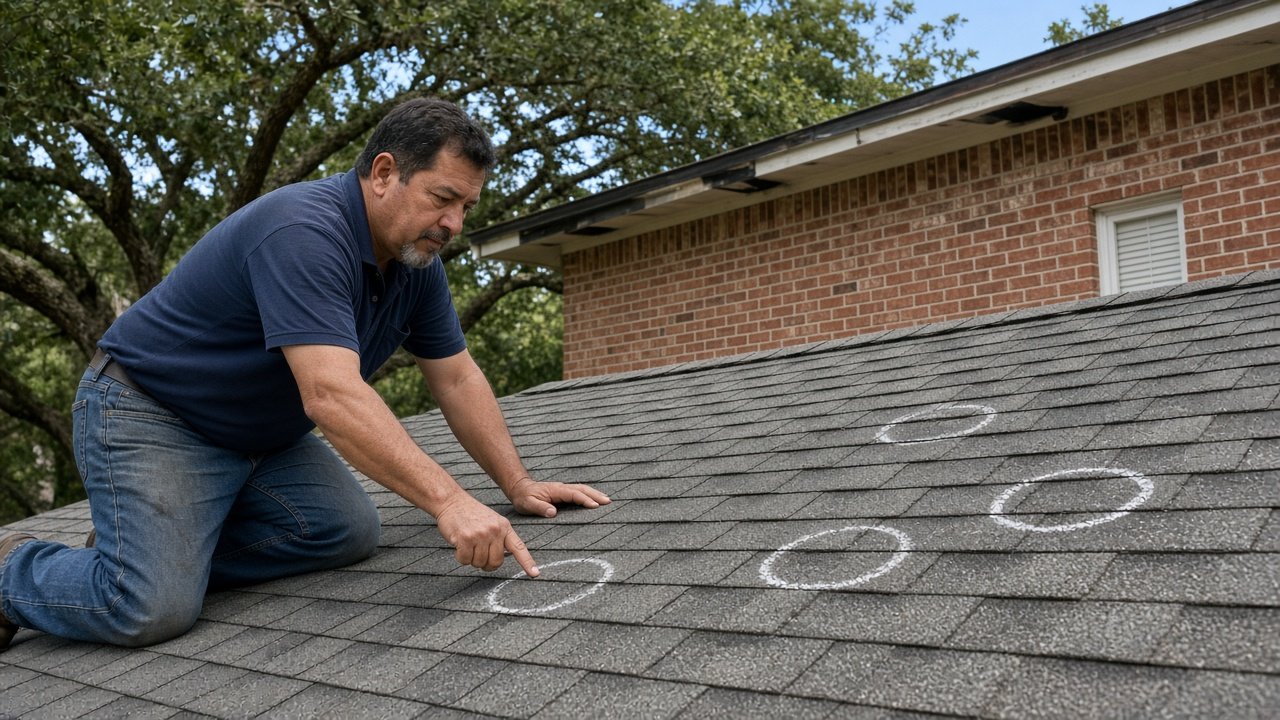
Hail and storm damage · San Antonio, Texas
Old Hail Damage on Roof: How to Tell Old Hits From New in San Antonio
Maybe a home inspector, a buyer, or an adjuster told you the hail marks on your roof are “old.” Maybe you found marks and aren’t sure which storm left them. This guide explains how fresh and older hail hits look different on asphalt shingles, what often gets mistaken for hail, and what to do next.
The short answer
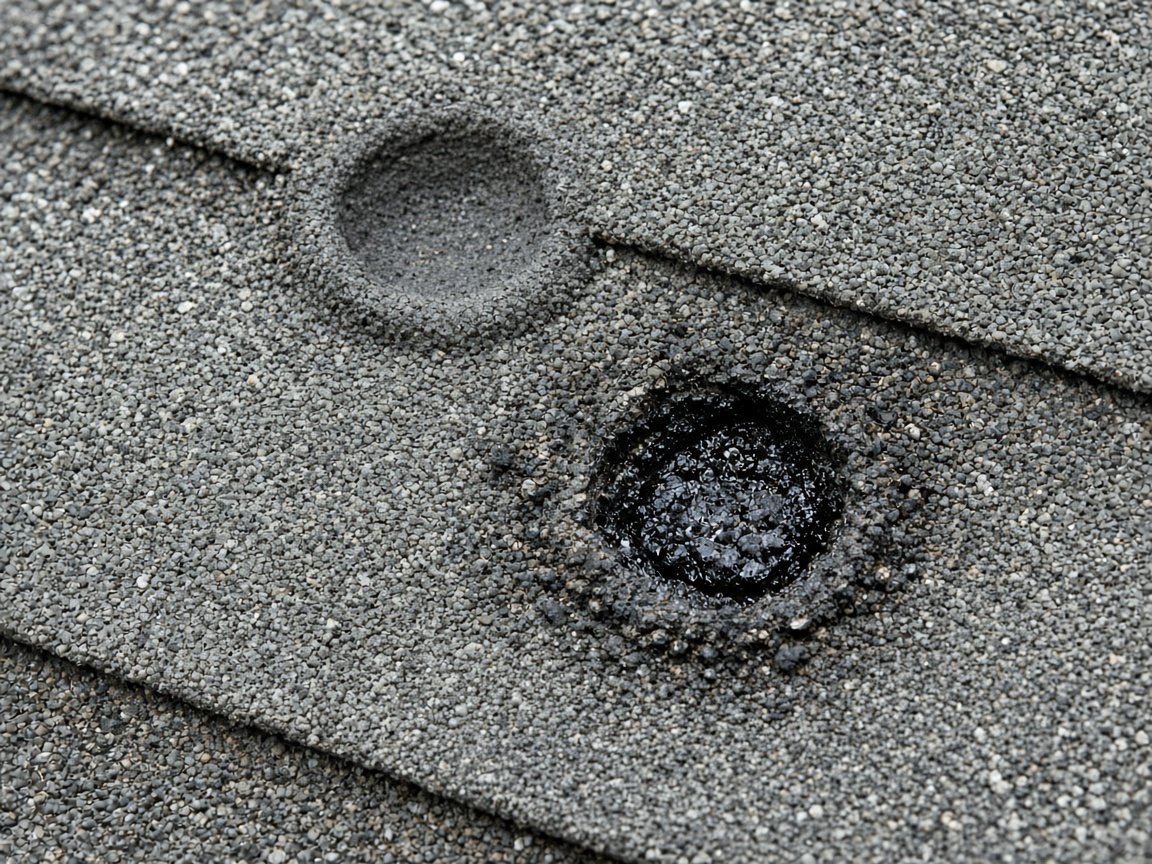
Old hail damage on roof shingles usually looks different from a fresh hit. A new hail mark shows dark, shiny asphalt where the granules were knocked off, and it can feel soft like a bruise on an apple. [1][3] Over time, the exposed asphalt oxidizes to a grey film and the mark’s circular edge tends to get crisper as the asphalt shrinks in the sun. [1][2] The difference matters because an insurance claim is tied to a specific storm. Take dated photos from the ground, note the storm you think caused the marks, and have a roofer look at the whole roof.
Why the age of old hail damage on roof shingles matters
An insurance claim is tied to a specific storm, so the question is whether the marks on your roof match that storm. If an adjuster thinks the damage came from an earlier storm, or is normal wear, the conversation about your claim changes.
In RRSATX’s experience, adjusters often look at whether hail marks on the shingles look as fresh as the storm date on the claim, and whether soft metal on the roof shows matching hits. Your policy wording decides what is covered, so read it and ask your insurer how it handles damage from an earlier storm.
The Texas Department of Insurance explains that some policies pay replacement cost and others pay actual cash value, and that as roofs age some companies switch coverage to actual cash value. TDI also notes that your insurer won’t pay for a new roof just because the roof is old or worn. [4] And TDI advises telling your insurance company as soon as possible after damage, because most companies have deadlines for filing claims. [5] Waiting can turn new hail damage into old hail damage in the adjuster’s eyes.
For the claim process itself, see the RRSATX guide to hail damage roof insurance claims. For what you may pay out of pocket, see the average deductible for roof replacement in Texas.
Not legal or insurance advice
This guide explains what roofers and engineers look for. It can’t tell you what your policy covers. For coverage questions, check your policy and talk with your insurer or a licensed professional.
What fresh, new hail damage looks like
Fresh hail hits are random, dark, and shiny, and they can feel soft when pressed. Knowing the fresh look makes the older look easier to recognize.
- Random pattern. Hail hits land at random across a slope instead of in lines or neat rows. [3]
- Black, shiny asphalt. Where hail knocks granules loose, the asphalt underneath shows through dark and glossy. [1][3]
- A soft spot like a bruised apple. A hail bruise can feel soft when pressed, the way a bruise on an apple does. [1][3]
- Loose granules after a storm. Hail dislodges granules, so you may find fresh loose granules near the house after a storm. [1]
Engineers separate cosmetic marks from functional damage. Haag Engineering describes functional hail damage to shingles as punctures, tears, and fractures of the shingle mat, and Nelson Forensics describes severe damage the same way. [1][2] A fractured mat may not be obvious from above, which is why the bruise test matters.
The RRSATX guides on how to tell if a roof has hail damage and hail damage to asphalt shingles cover identification in more detail.
How to spot old hail damage on roof shingles
Hail marks change as they weather. The sun, rain, and time leave clues that help a trained eye tell an older hit from a recent one.
Haag Engineering explains that recently exposed asphalt looks black and unweathered, while asphalt that has been exposed over time oxidizes and develops a grey film. That color change is one way to tell new hail damage from old. [1] Nelson Forensics adds that older hail damage tends to show more clearly defined circular marks, because the exposed asphalt shrinks under UV exposure, while newer hits look bruised. Granules can also wash into older marks. [2]
| Clue | Fresh hit | Older hit |
|---|---|---|
| Color of exposed asphalt | Black, shiny, unweathered [1] | Dull, with a grey oxidized film [1] |
| Shape of the mark | Looks bruised, edges less defined [2] | More clearly defined circular edge [2] |
| Granules | Freshly knocked loose | Some may have washed into the mark [2] |
| Matching soft metal | Check for dents and burnish marks from the same storm | Compare their look with the shingle marks (see the next section) |
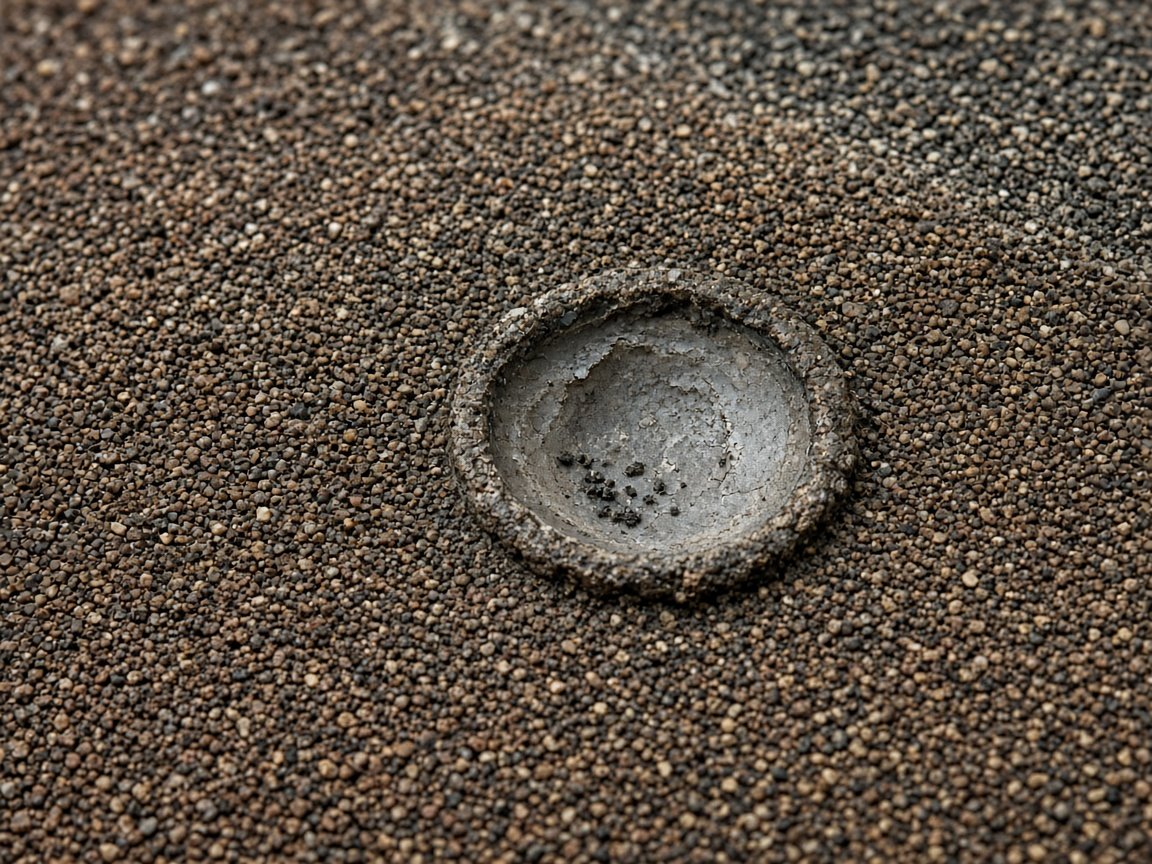
In San Antonio, strong sun works on exposed asphalt for much of the year, so in RRSATX’s experience fresh marks can start to look weathered sooner than homeowners expect. That’s another reason to document a roof soon after a storm.
Old doesn’t mean harmless. Nelson Forensics notes that latent hail damage exposes asphalt to UV and can speed up the shingle’s deterioration. [2] An old hit can become a weak spot later.
Collateral clues that help date a hail storm
The shingles aren’t the only witness. Soft metal on and around the roof often records the same storm.
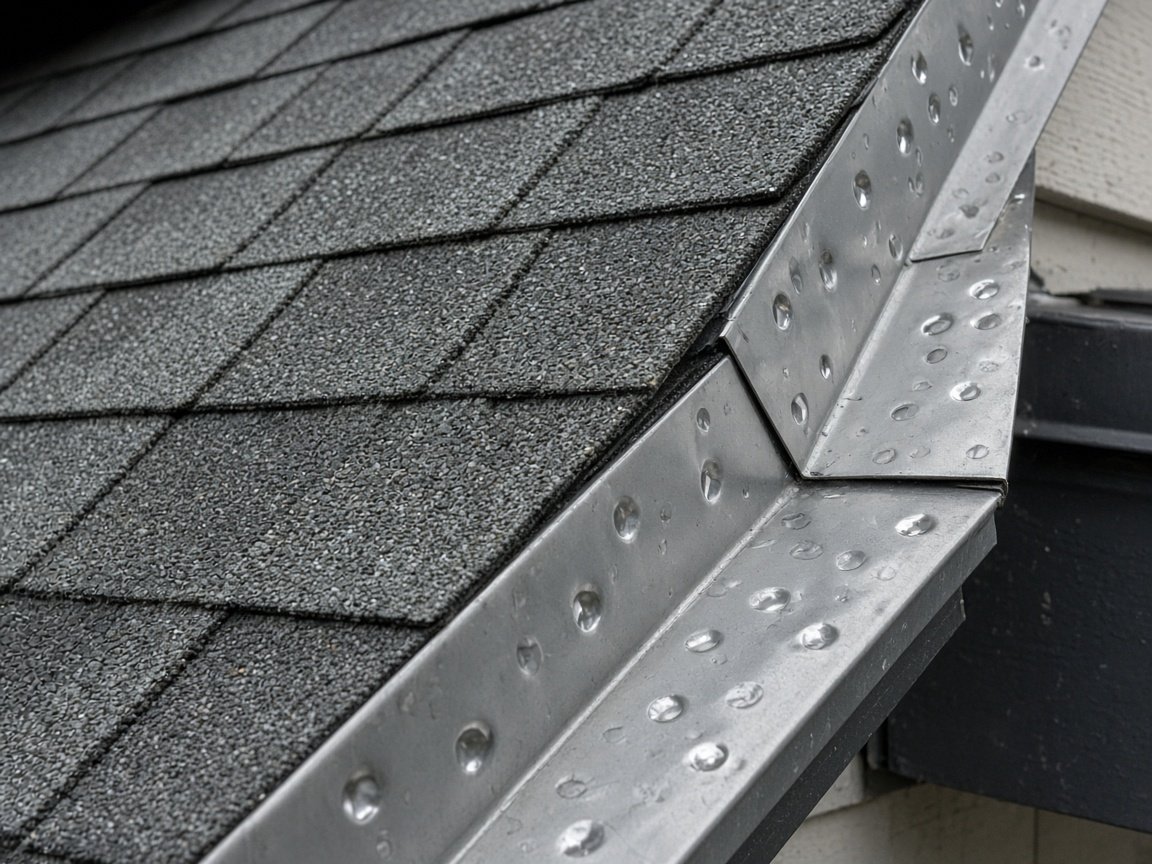
Dents and burnish marks on metal surfaces help engineers assess hail. [2] On a typical San Antonio shingle roof, that means metal flashing, roof edge metal, and chimney caps. In RRSATX’s experience, a shiny burnish mark around a dent suggests a recent hit, while a dent that has dulled along with the metal around it suggests an older one.
- Direction. The windward slope, facing the storm, typically takes the most hits. [1]
- Weak spots. Shingles with little support at ridges, rakes, eaves, and valleys are more susceptible. [1]
- Size variation. Hail size varies within a storm, so marks of different sizes don’t by themselves mean different storms. [2]
- The whole roof. Haag stresses examining the entire roof, not just a few marks. [1]
For how hail size relates to roof damage, see what size hail damages roofs.
Marks that look like old hail damage but aren’t
Plenty of shingle marks have nothing to do with hail. Mistaking wear for hail can lead to a denied claim or a repair you didn’t need.
Haag Engineering lists several conditions that are often mistaken for hail. [1] Travelers describes weathering, blistering, cracking, granule loss, flaking, and algae as normal wear that can look like hail damage. [3]
- Foot scuffs from people walking on the roof [1]
- Adhesive or manufacturing spots left from production [1]
- Blisters, small raised or popped bubbles in the shingle surface [1][3]
- Marring and edge scuffing on the shingle surface and edges [1]
- Raised fasteners pushing up under a shingle [1]
- Cracking, flaking, and algae from age and weather [3]
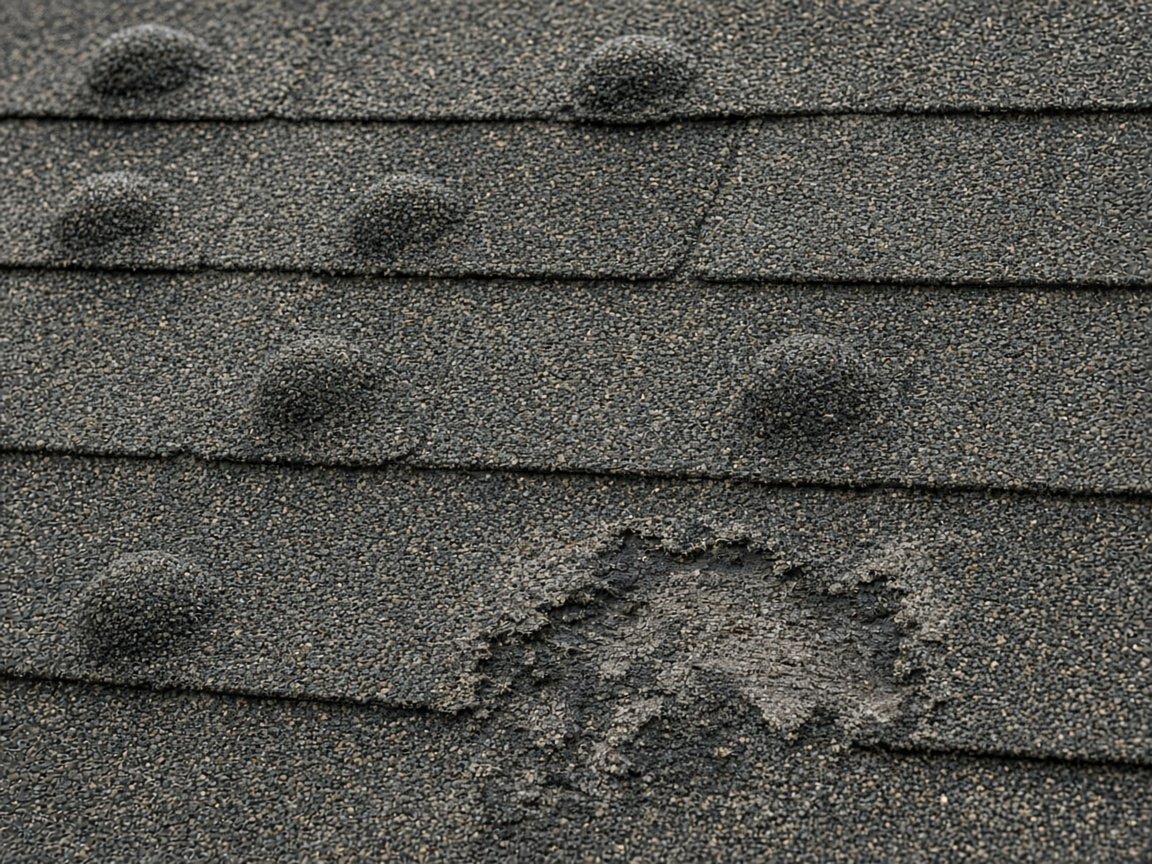
Granule loss alone doesn’t prove hail. Nelson Forensics notes that circular granule loss is generally consistent with hail, but granule loss can also come from manufacturing defects, weathering, or foot traffic. [2] Haag also describes granule loss as part of normal weathering. [1] For blisters specifically, see hail damage vs. blistering.
Storm records and dated photos: your “before” picture
Records help connect the marks on your roof to a real storm. They work best when you start keeping them before you need them.
Nelson Forensics points out that weather data from NOAA is freely available and helps compare reported storm dates with the damage found. [2] NOAA’s National Centers for Environmental Information keeps a public storm database, a record of reported storms you can search by location and date. [7]
RRSATX also suggests taking dated photos of your roof from the ground after every storm, even when nothing looks wrong. Those shots become your “before” record. If marks show up later, you can show what the roof looked like and when.
What to do if you find hail marks on your roof
Stay off the roof, document what you can, and get a professional look before the next storm. These steps work whether the marks look old or new.
- Don’t climb on the roof. Shingles, ladders, and roof edges are a fall risk. Look from the ground with binoculars or a zoomed phone camera.
- Take dated photos and video. Capture the roof, any soft metal you can see, and damage around the yard. [5][6]
- Note the storm date. Write down which storm you think caused the marks, and check it against storm records.
- Make only temporary repairs. TDI says to take steps to stop more damage, make only temporary repairs, and keep receipts. [5][6]
- Get a professional inspection. Book a roof inspection or contact RRSATX’s storm damage roofing team for a full look at the shingles and metal.
- Contact your insurer promptly. Most companies have deadlines for filing claims. [5]
- Be there for the adjuster. TDI recommends being present when the adjuster inspects and, if you can, having your contractor there too. [5][6]
- Watch for deductible offers. TDI warns to avoid contractors who offer to waive your deductible; waiving a homeowners deductible is illegal under Texas law. [6]
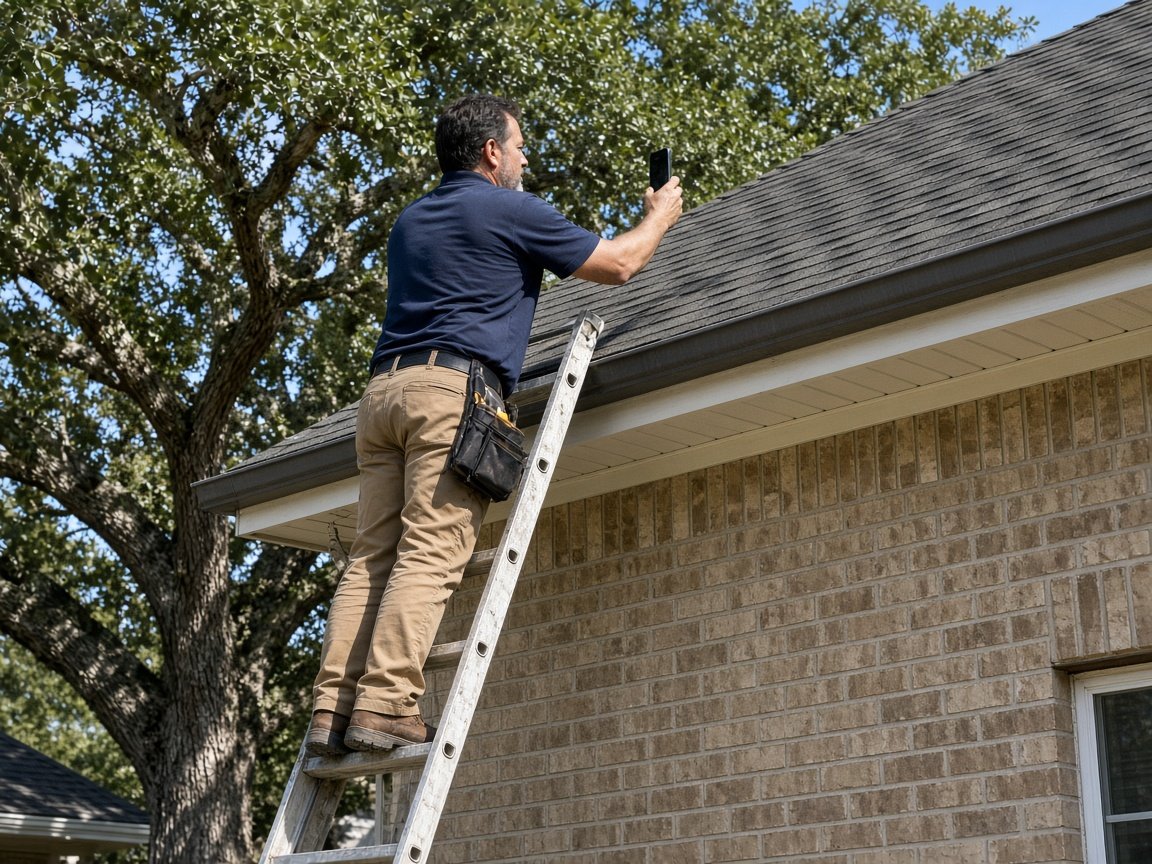
For what you can safely check yourself, see DIY roof inspection tips after a storm and how to spot roof storm damage.
Repair or replace when hail damage is old
Old damage still needs a decision. What makes sense depends on how widespread the damage is and the condition of the rest of the roof.
In RRSATX’s experience, a few isolated older hits on an otherwise sound roof can often be watched or fixed with a targeted roof repair. Widespread punctures or fractures, leaks, or shingles that have aged and turned brittle point toward roof replacement. Nelson Forensics notes that shingles become more brittle with age, [2] and brittle shingles are harder to repair cleanly.
If water is already getting in, deal with that first through roof leak repair. For shingle options when you do replace, see RRSATX’s asphalt roofing page, and for the full decision, read hail damage on a roof: when to replace.
What an RRSATX inspection records
The pattern and look of hail marks on each slope, punctures or fractures in the shingle mat, dents and burnish marks on roof metal, wear that isn’t hail, and any signs of leaks. You get written findings with photos you can share with your insurer.
Local roofing service
About Affordable Roofing Contractors San Antonio
Affordable Roofing Contractors San Antonio, also known as RRSATX, provides roof inspections, storm damage roofing, roof repair, roof replacement, and asphalt, metal, and tile roofing in San Antonio. When you call, tell us when you noticed the hail marks and which storm you think caused them. Dated photos help.
- Phone
- (713) 504-2341
- sales@affordableroofingcontractorssanantonio.com
- Address
- 4324 Monterey St, San Antonio, TX 78237
- Contact
- Request a free roof inspection
Old hail damage on San Antonio roofs: questions answered
Can a roofer tell exactly when hail hit my roof?
Not to an exact date. A roofer can tell whether marks look fresh or weathered and whether roof metal shows matching hits, then compare that with storm records. It’s an informed judgment, not a timestamp.
Why does old hail damage turn gray?
Exposed asphalt oxidizes over time and develops a grey film, unlike the black, unweathered look of a fresh hit. [1]
Will insurance pay for old hail damage?
That depends on your policy and the facts of your claim, and this guide can’t answer it. TDI notes insurers won’t pay for a new roof just because a roof is old or worn. [4] Ask your insurer how your policy treats damage from an earlier storm.
Is old hail damage still a problem if the roof isn’t leaking?
It can be. Latent damage exposes asphalt to UV and can speed up deterioration. [2] Have an inspector check whether the mat is fractured.
My home inspector says the hail damage is old. What now?
Ask the inspector for photos and notes, then have a roofer look at the whole roof. If you’re buying, those findings can help you ask better questions about the roof’s condition.
What should I send RRSATX before an inspection?
Send the property address, dated photos of the roof, the storm date you suspect, and whether you’ve seen stains inside. Call (713) 504-2341 or use the contact page.
Explore the roofing topic
More help with hail damage
Find out what your hail marks really mean
Ask RRSATX for a free roof inspection and written findings with photos for your San Antonio roof.