
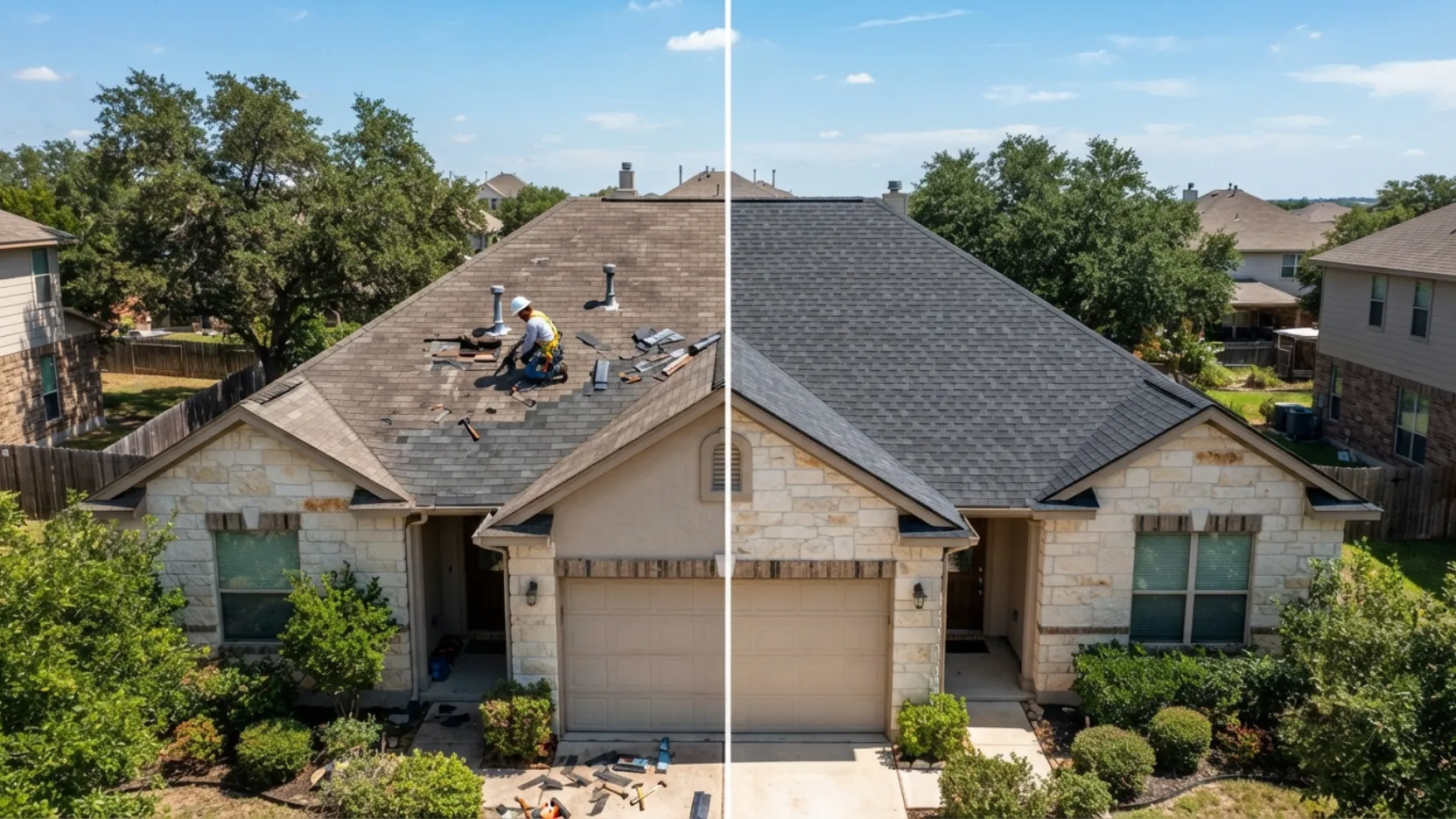
Roof repair & replacement · San Antonio, Texas
Should You Repair or Replace Your Roof?
A simple decision framework: how widespread the damage is, how sound the rest of the roof is, repeat leaks, deck condition, and the code and permit rules that can tip the choice.
The short answer
It depends on how much of the roof is affected and how sound the rest of it is. Isolated, surface-level damage on an otherwise solid roof usually points to a repair. Widespread damage, a water soaked or deteriorated deck, or repeat leaks in new spots point toward replacement. A roofer should inspect first, and the building code and your city permit still apply either way. [1]
Start with a diagnosis, not just a price
Before you can choose between repair and replacement, you need to know what is actually wrong and how far it reaches.
A dollar figure on its own does not tell you whether a roof needs a patch or a new covering. The better starting point is a written assessment that names where the damage is, which slopes and components are involved, and what the roofer could and could not see. Ask the roofer to connect each recommendation to a specific finding, so you can follow the reasoning rather than just the total.
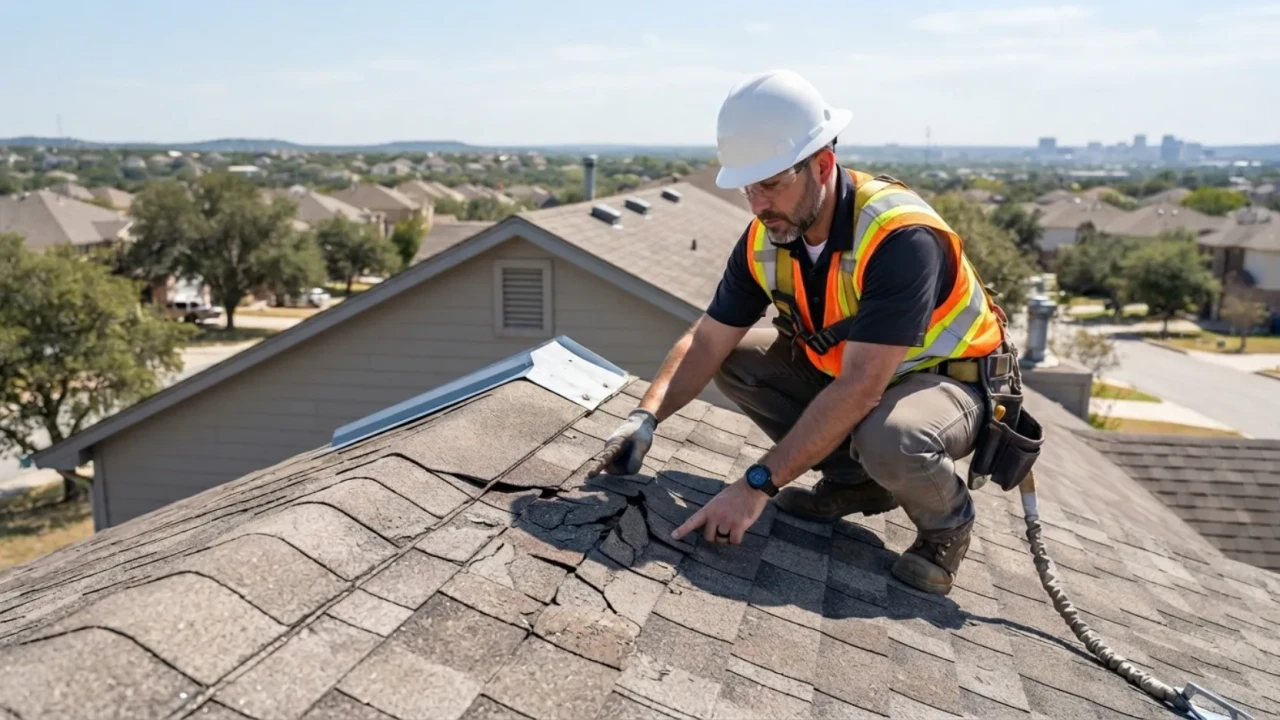
Gather what you have before the visit: the approximate age of the roof if you know it, any earlier repair records, and a short history of when and where you have seen stains or drips. If you are still working out whether the roof needs attention at all, the signs that a roof needs repair are a useful place to begin.
How widespread, and how deep, is the damage?
Damage confined to a small area on a sound roof usually favors repair; damage spread across slopes or into the deck leans toward replacement.
Two things matter here: how much of the roof surface is affected, and how far below the surface the problem has reached. A few cracked or lifted shingles in one spot are a different situation from wear that shows up across the whole field. When many areas are failing at once, a series of separate repairs can add up to a larger job than a single replacement, and it leaves the rest of an aging roof untouched.
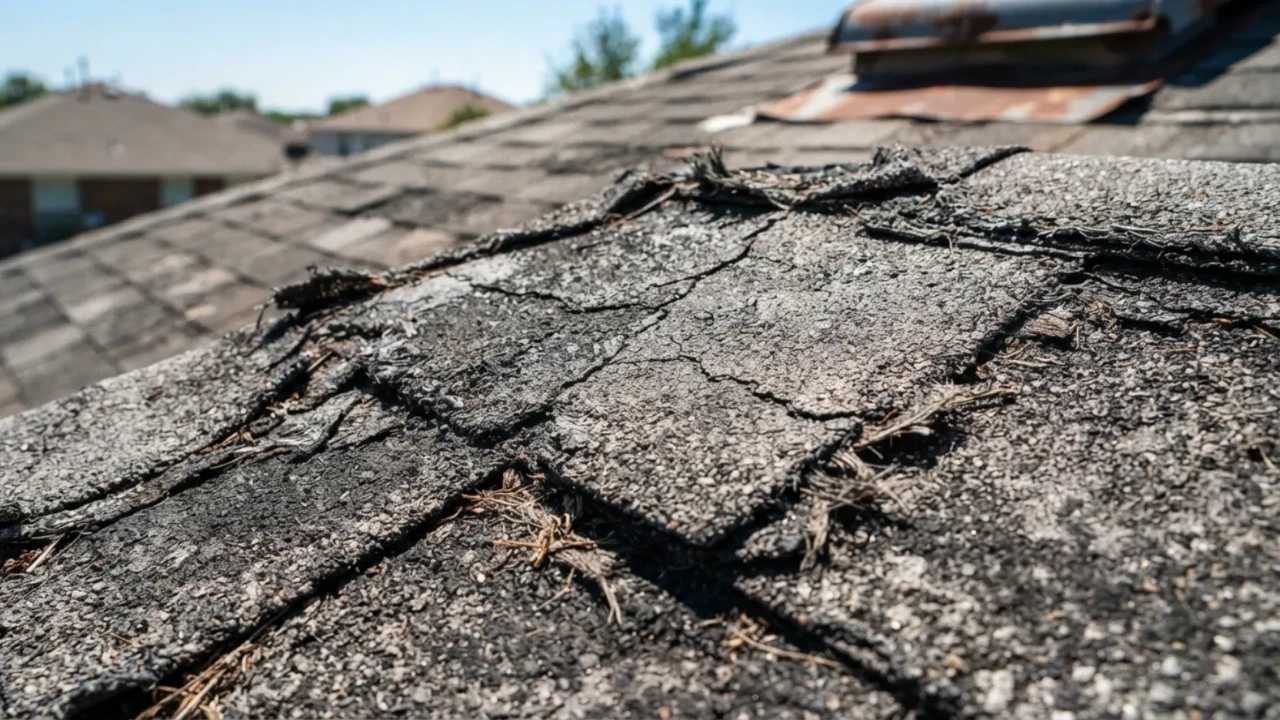
The type of damage counts as much as the amount. Surface wear that stays on top of sound shingles is often repairable. Impact marks from a hail storm, cracking, or shingles that are brittle across the roof point to a material that is wearing out, not a single defect. San Antonio roofs take strong sun and the occasional hail and wind storm, and that exposure tends to age a shingle field evenly rather than in one corner.
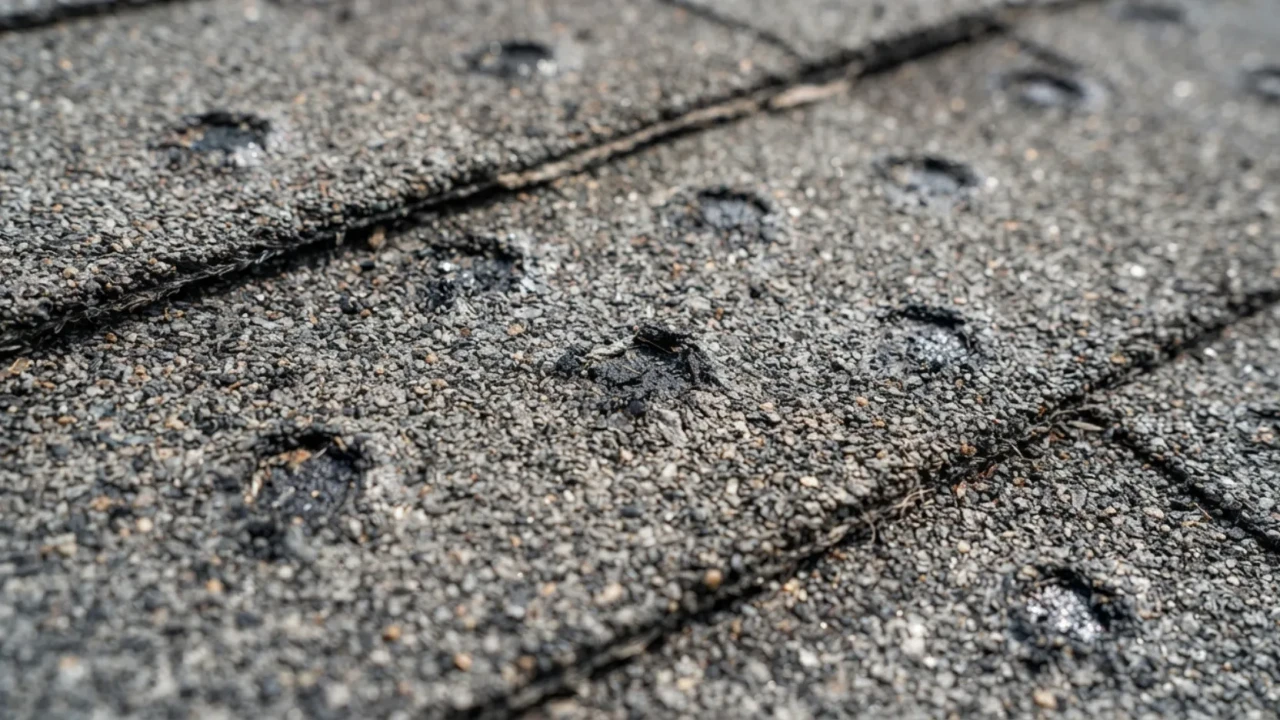
Ask the roofer to describe the affected area as a share of the roof and to show you photos of each spot. That gives you something concrete to weigh against a repair recommendation.
Repeat leaks and what the deck is doing
A roof that keeps leaking in new places, or that has a soft or water soaked deck, is telling you the problem is bigger than the last patch.
One leak on an otherwise sound roof is an isolated problem to find and fix. Leaks that return in different spots after each repair are a different signal: the covering may be reaching the end of its service life, and chasing each new failure becomes less effective over time. If you suspect a new leak, the first steps for a leaking roof are to document it and get the source found before more water gets in.
What sits under the shingles matters just as much. The building code defines a full roof replacement as removing the existing roof coverings down to the deck, and it does not allow a new covering to be installed over a roof that is water soaked or has deteriorated. [1] A soft, spongy deck will not hold fasteners well and usually has to be addressed before any new material goes on, which moves the job toward replacement.
What RRSATX recommends
RRSATX recommendation: ask for a written scope that states the condition of the deck, the share of the roof affected, and whether the recommendation is a repair or a replacement, plus what happens, and how it is priced, if hidden damage turns up once work starts.
Repair or replacement: a side-by-side look
No single row below decides the question. Read the pattern across all of them for your roof.
| Situation on the roof | Repair may fit | Replacement may fit |
|---|---|---|
| Extent of damage | Confined to a small, defined area. | Spread across slopes or most of the field. |
| Depth of damage | Stays on the surface of sound shingles. | Reaches a water soaked or deteriorated deck. |
| Leak history | A single leak, found and fixed. | Repeat leaks in new spots after repairs. |
| Overall condition | Surrounding shingles lie flat and look sound. | Shingles are brittle or cracking across the roof. |
| Matching materials | A close match to existing shingles is available. | New shingles would stand out against worn ones. |
This guide does not state a repair or replacement price. A reliable figure needs a defined scope and current, comparable estimates for your roof.
Cost is part of the decision, but it should sit alongside condition rather than lead it. For the factors that move a quote up or down, see what affects roof repair cost, and compare the local roof repair service and roof replacement service so each written scope covers the same work.
When replacement becomes the call
When several factors line up, a full replacement often does more for the roof than another round of patching.
If the damage is widespread, the deck is compromised, leaks keep returning, and the shingles are worn across the field, repairs start to address symptoms rather than the cause. A replacement removes the old covering down to the deck, lets the roofer repair the deck where needed, and starts the roof surface fresh. The code also requires that worn edge metal and flashings be replaced where they are rusted, damaged, or deteriorated rather than reused. [1]
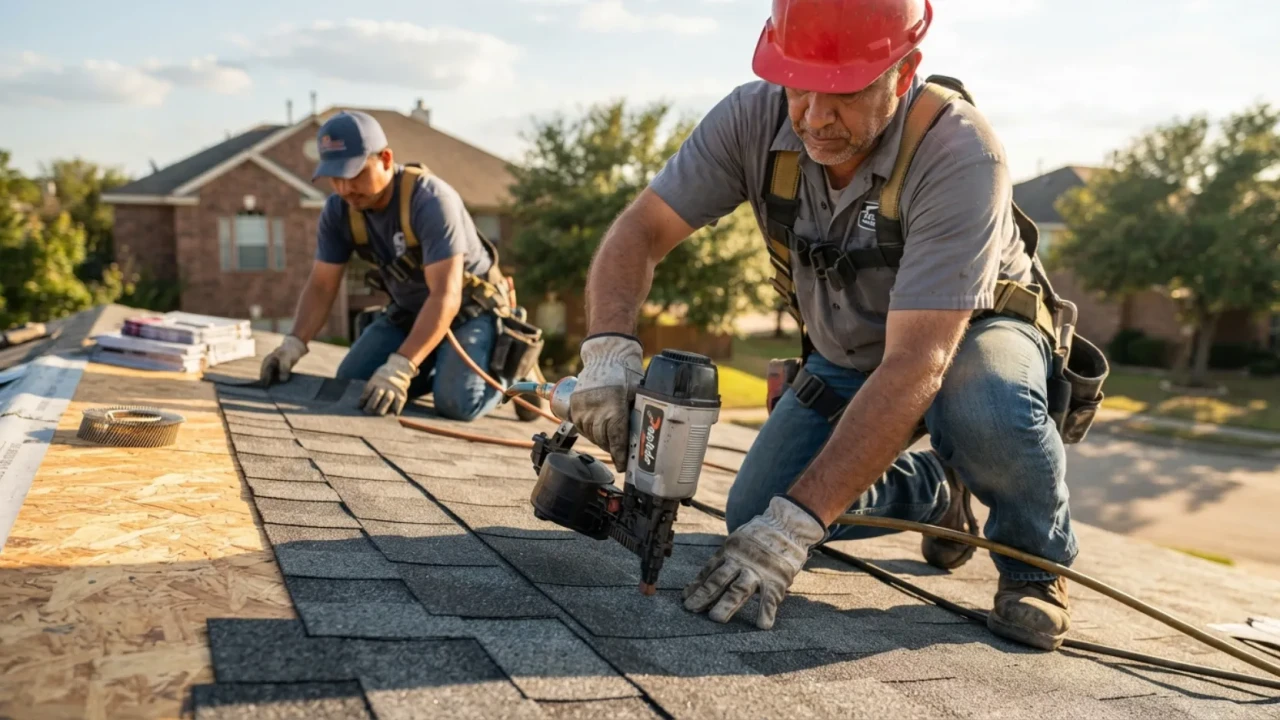
Matching is a practical reason replacement can win out on an older roof. Adding bright new shingles to a sun-faded field leaves a visible patch, and it ties fresh material to a surface that may soon need work of its own. On a roof with life left in it, that trade-off looks different, which is why age and overall condition belong in the decision next to the damage itself.

Code and permit rules that can tip the choice
Some rules apply no matter which way you lean, and a few can rule out the cheaper option.
The International Residential Code treats a full replacement as removing the existing coverings down to the deck, and it does not permit a new covering to be installed over a roof that is water soaked, has deteriorated, or already carries two or more layers. [1] If your roof falls under one of those conditions, a simple recover is off the table and the work becomes a tear-off and replacement of that covering.
A permit applies either way. The City of San Antonio Development Services Department says a permit is required for repairing or replacing a roof, and a homeowner can obtain the permit or hire a registered Home Improvement Contractor for non-structural work. [2] Confirm whether the property is inside city limits, because requirements can differ outside them, and keep the permit with your other roof paperwork.
Insurance decides coverage, not your roofer
A roofer can document the damage and give you an estimate; your insurer and your policy decide what is covered.
The Texas Department of Insurance says Texas does not allow a roofer or contractor to act as a public insurance adjuster on a claim where they are also doing the work, and it is illegal for a contractor to waive, rebate, or absorb your deductible. [3] A contractor can share technical information and an estimate with your insurer, but the coverage decision is between you and the company.
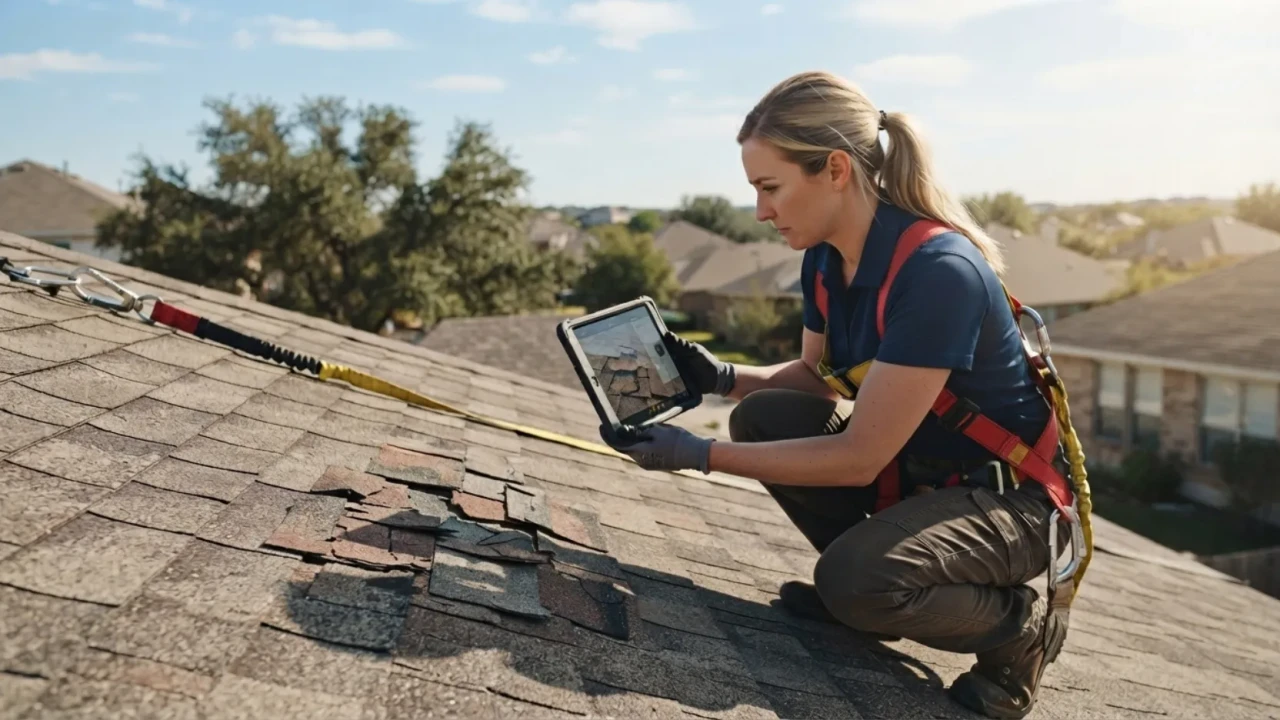
Keep your inspection report, photos, estimates, and any correspondence together, and ask your insurer to explain the decision and your responsibilities before you treat an estimate as the amount the policy will pay. If a storm is involved, the local storm damage roofing service can document what it finds for your records.
Next steps: what you can do, and what needs a pro
You can gather information from the ground and on paper; leave the roof assessment to a roofer.
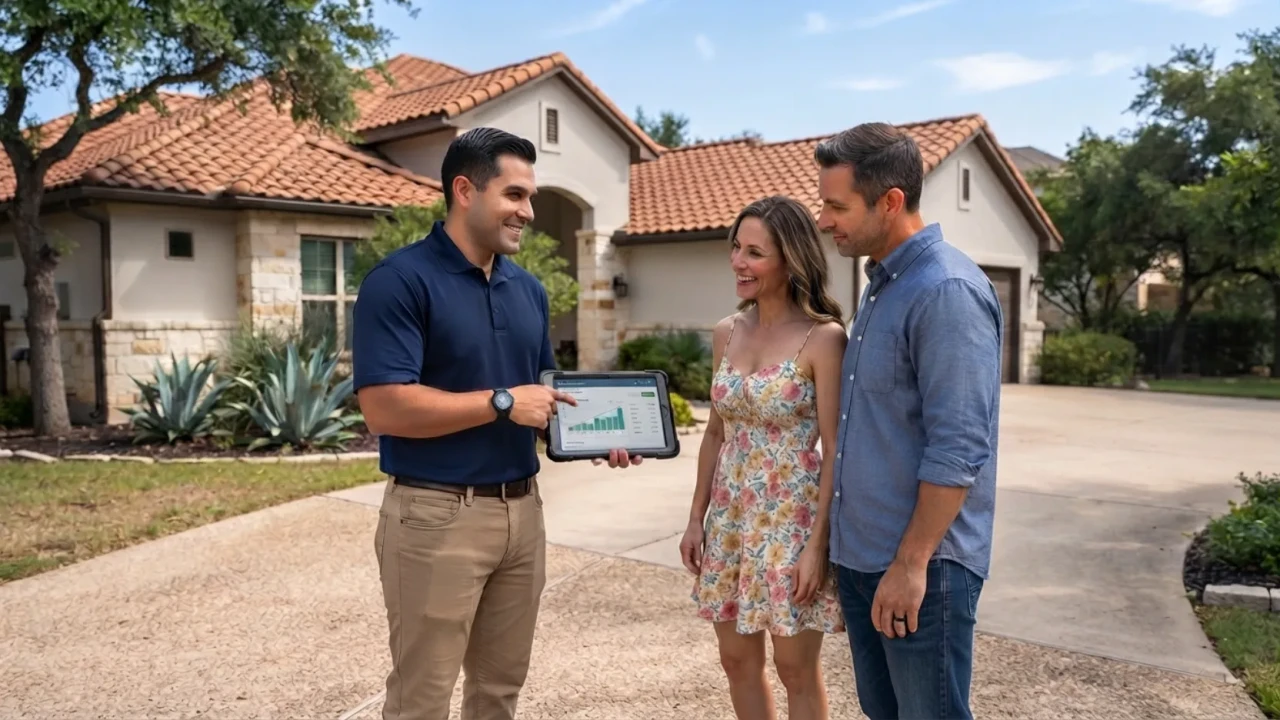
You can safely:
- Look at the roof from the ground and note where shingles look worn, curled, or patched.
- Check ceilings and walls indoors for stains that point to past or active leaks.
- Take photos and gather records such as the roof’s age and any earlier repairs.
- Read your homeowner policy so you know how it treats roof repair and replacement.
Leave to a roofer: climbing and walking the roof, judging the deck and flashing, counting any existing layers, and recommending repair or replacement. Never get on the roof yourself. RRSATX offers a free roof inspection with a written estimate, so you can compare both paths before any work is scheduled.
Local roofing service
About Affordable Roofing Contractors San Antonio
Affordable Roofing Contractors San Antonio, also known as RRSATX, provides roof inspections, roof repair, roof leak repair, roof replacement, and asphalt, metal, and tile roofing in San Antonio. Its roof inspections and leak inspections are free, with no fee and no obligation, and you get a free written estimate before any work starts. A technician walks the roof during the inspection.
- Phone
- (713) 504-2341
- sales@affordableroofingcontractorssanantonio.com
- Address
- 4324 Monterey St, San Antonio, TX 78237
- Contact
- Request a free roof inspection
Repair or replace: questions answered
How do I know if I need a repair or a replacement?
Look at how widespread the damage is, how deep it reaches, and whether leaks keep returning. Isolated surface damage on a sound roof usually points to repair; widespread damage, a water soaked or deteriorated deck, or repeat leaks point toward replacement. A written inspection is the most reliable way to decide. [1]
Can I always just put a new covering over the old one?
No. The building code does not allow a new covering over a roof that is water soaked, has deteriorated, or already has two or more layers. In those cases the old covering has to come off first. [1]
Do I need a permit to repair or replace my roof in San Antonio?
Yes. The City of San Antonio says a permit is required to repair or replace a roof. A homeowner can obtain it, or hire a registered Home Improvement Contractor for non-structural work. Confirm whether the property is inside city limits. [2]
Can my roofer handle the insurance claim for me?
No. The Texas Department of Insurance says a roofer doing the work cannot act as a public insurance adjuster on that claim and cannot waive your deductible. A roofer can provide an estimate; your insurer and policy decide coverage. [3]
What should I send before an inspection?
Send the address, a short description of the problem, any safely taken photos, the roof’s approximate age if you know it, and any earlier repair records. Say clearly when a detail is uncertain.
Explore the roofing topic
Choose your next question
Repair or replace? Get a clear read first
Ask RRSATX for a free roof inspection and a written estimate before you decide.