
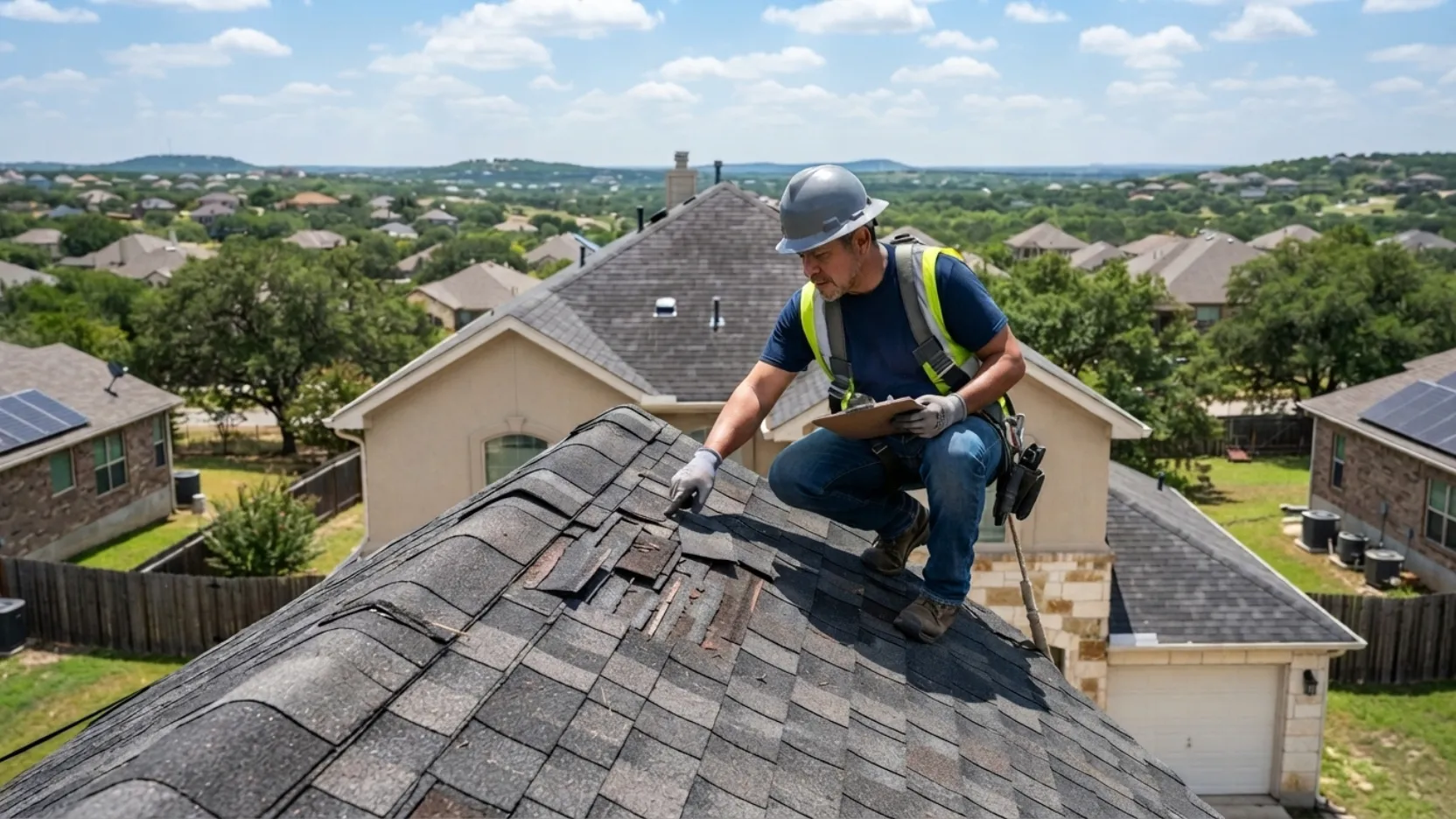
Roof repair · San Antonio, Texas
What Affects the Cost of a Roof Repair?
There is no single price for a roof repair. This guide explains the factors that move the cost up or down, and how to read and compare written repair quotes.
The short answer
Roof repair cost depends on the job, not a flat rate. The type and extent of damage, the roofing material and whether it can be matched, the roof’s pitch and access, and any hidden deck damage found once work starts all move the price. To compare quotes fairly, ask each roofer for a written, itemized scope, photos of the damage, and a clear plan for additional work if more damage appears.
What actually drives a roof repair’s cost
A repair quote is built from the specific work your roof needs, so two homes rarely pay the same.
When you spot a stain on the ceiling or a shingle on the ground, the first question is usually how much the fix will run. The honest answer is that it depends on a handful of factors a roofer weighs after looking at the roof: what is damaged and how widespread it is, what the roof is made of, how steep and reachable the slope is, and what is found underneath once the surface is opened. A quote that cannot explain how these apply to your roof is hard to compare with any other.
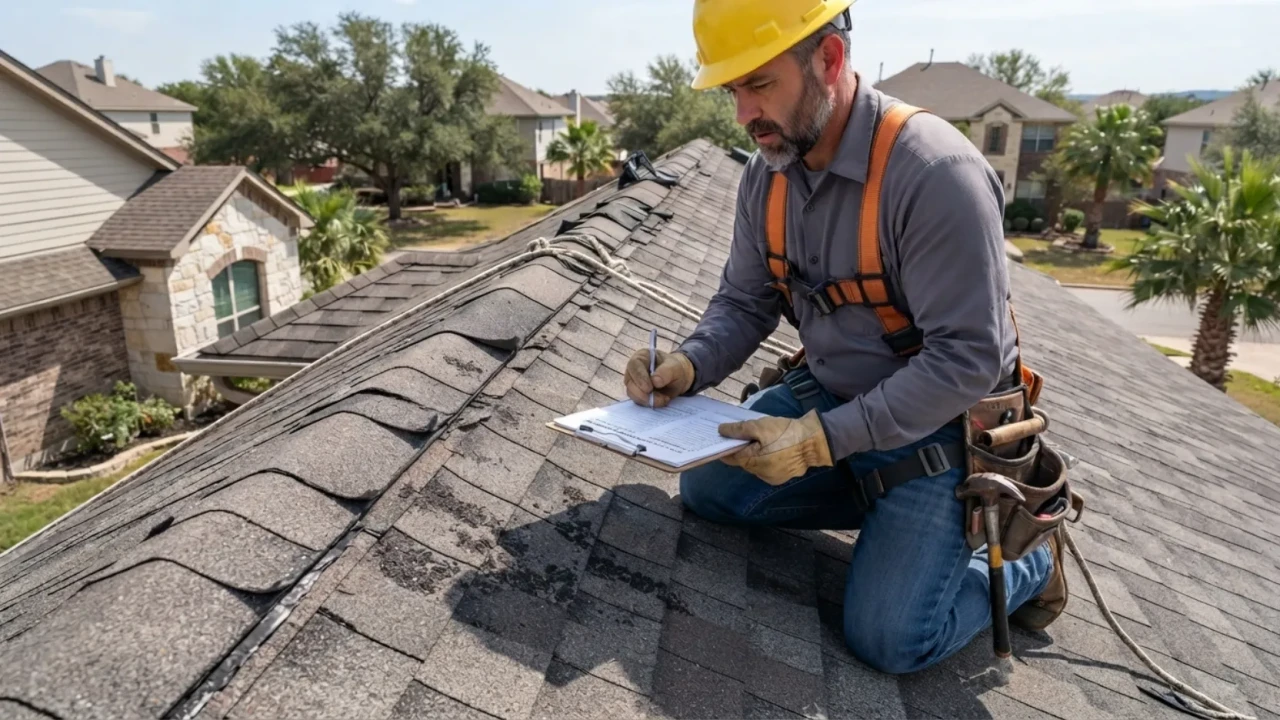
This guide walks through each cost factor without putting a number on it, because a reliable figure needs a defined scope and current, comparable data for your roof. If you are weighing a patch against a full tear-off, the related guide on roof repair versus replacement covers that decision, and the company’s roof repair service page shows what a written scope includes.
Damage type and extent change the scope first
The single biggest factor is what needs fixing and how much of the roof it touches.
A few lifted or cracked shingles in one spot is a contained job. Damage that has let water reach the layers below is not, because the repair has to address the wet material, not just the surface. And when wind, hail, or long-neglected leaks have affected a wide area or the structure beneath, the scope grows again. The extent of the damage is what separates a small, quick fix from a larger project.
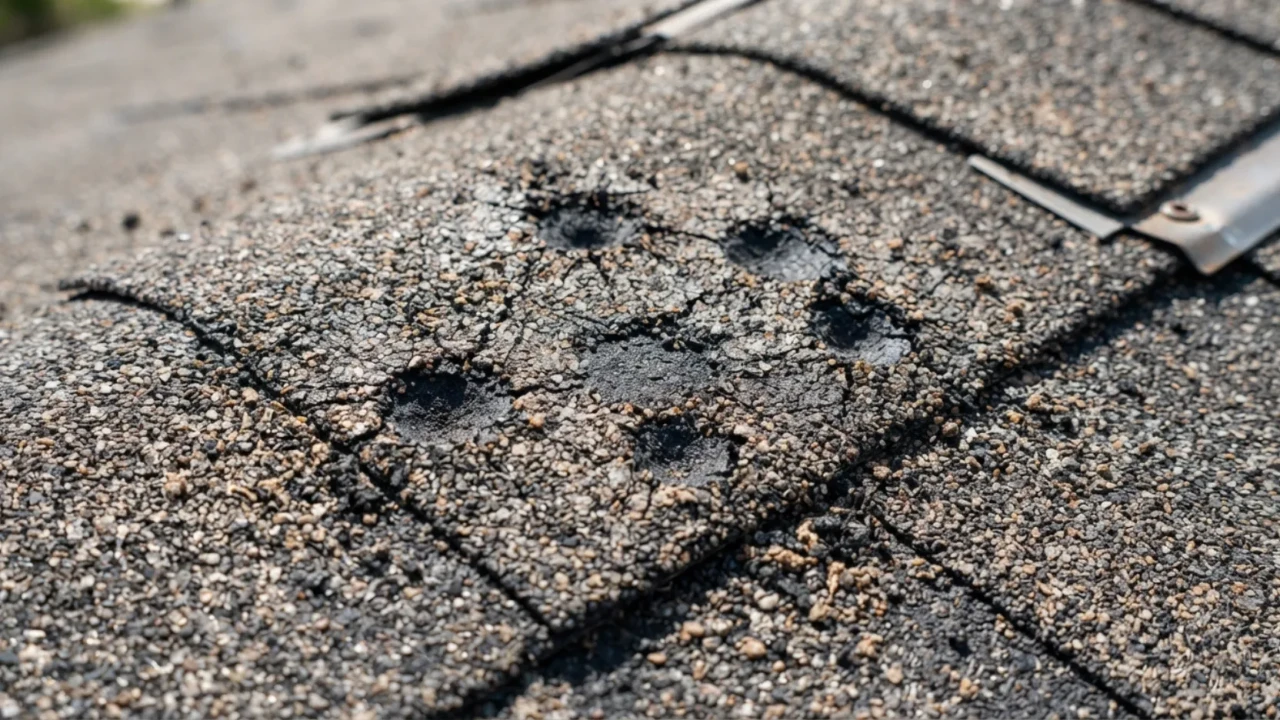
Extent also affects how many parts of the roof system are involved. A repair that stays at the surface is simpler than one that reaches flashing at a penetration, the edges, or the wood deck. Ask the roofer to describe not just what is wrong, but how far the damage spreads, because that is what sets the size of the job.
Roofing material and matching affect the price
What your roof is made of changes both the labor and the materials a repair needs.
Asphalt shingles, metal panels, clay or concrete tile, and flat membrane roofs each call for different methods, tools, and replacement stock. Matching the existing material is its own cost factor. If a shingle line, tile profile, or panel has been discontinued, finding a close match takes time and can mean sourcing from a specialty supplier, which adds to the job before a single piece goes on the roof.
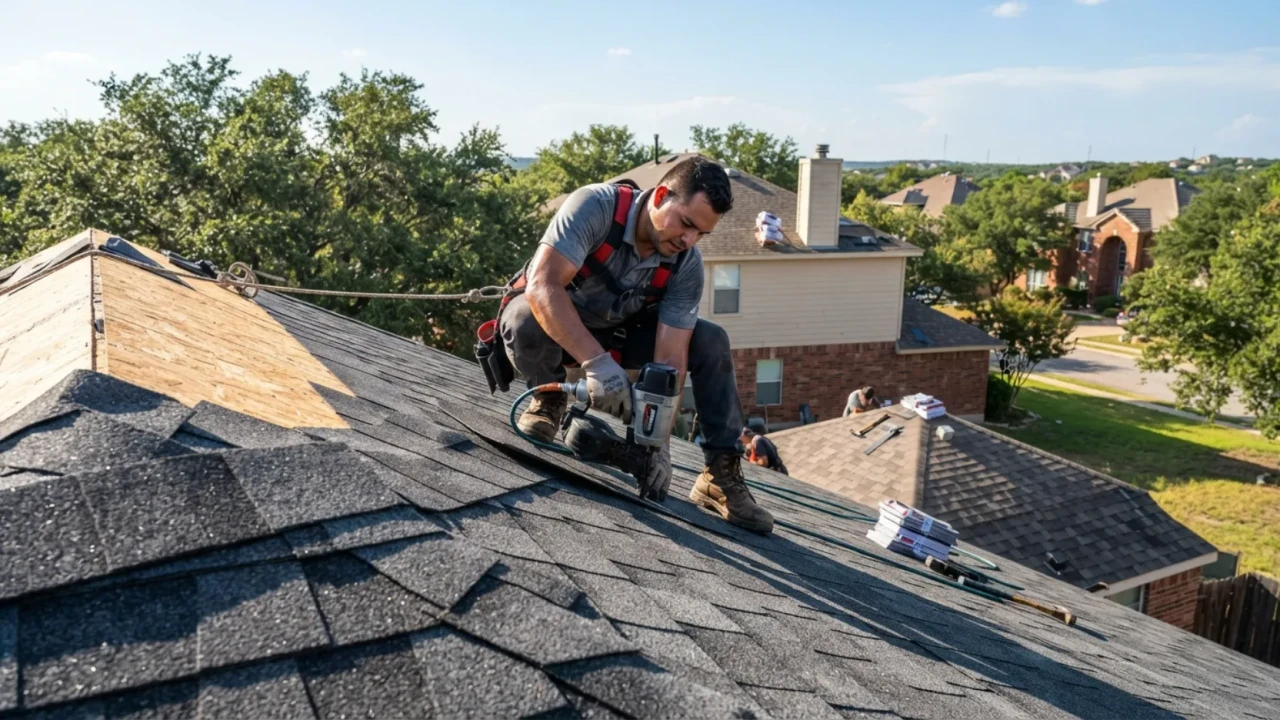
Ask the roofer to confirm the brand, line, and color of your current roofing before quoting any replacement sections, and to explain the matching plan for tile or metal. For material-specific questions, the roof types service page outlines asphalt, metal, tile, and flat options so you can prepare the right questions.
Pitch, access, and hidden deck damage
How the crew reaches the work, and what they find under the surface, both move the cost.
A steeper slope takes more time and more safety setup for the same repair than a low, walkable roof. Access matters too: a two-story home, a complex roofline, or tight space around the house all add setup time. These are labor factors, so ask whether pitch and access are reflected in the quote rather than left out.
The part no one can see from the ground is the wood deck. If water has sat under the shingles, the deck can be soft or deteriorated, and under the building code a roof covering is not to be installed where the existing roof or deck is water soaked or has deteriorated to the point that it is no longer an adequate base; the structural roof components also have to be able to support the covering. [4] That is why damaged decking can expand a repair once the surface is opened, and why a fair quote plans for it in advance.
What RRSATX recommends
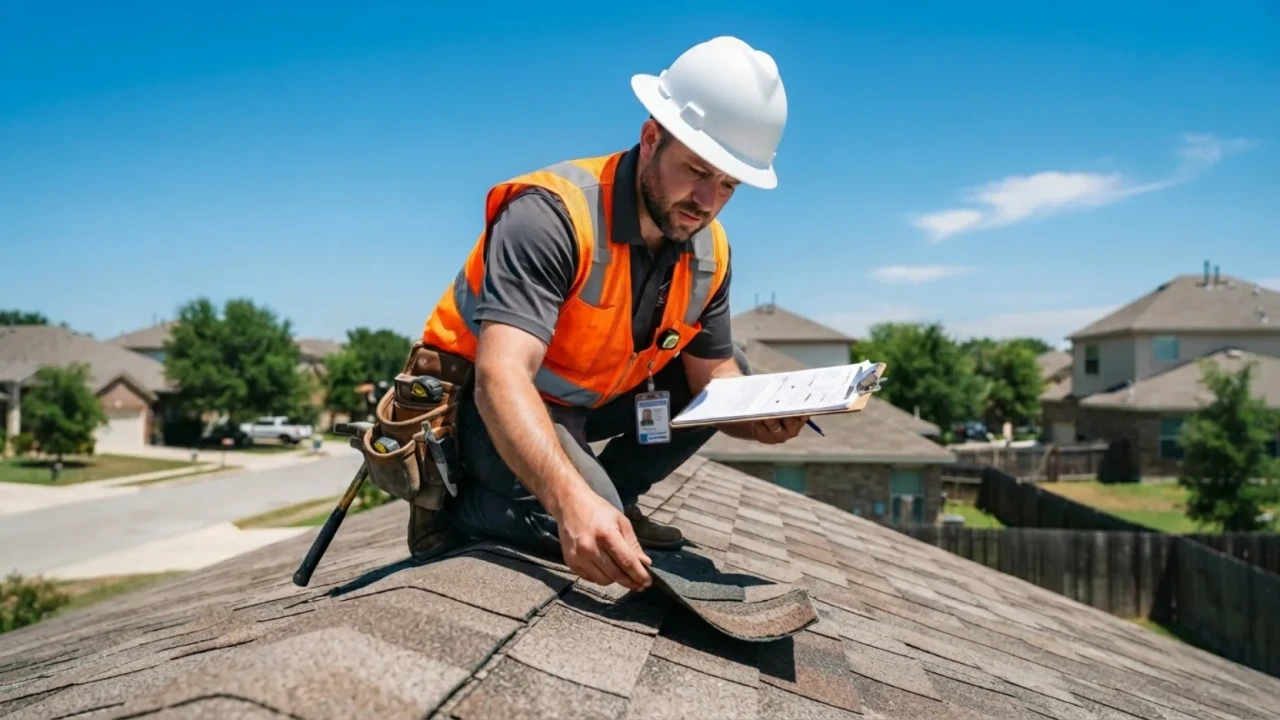
RRSATX recommends asking for a written scope that separates the visible repair from any work that may become necessary once damaged material is removed, with a clear note on how extra deck work would be documented, priced, and approved before it goes ahead. That keeps a surprise under the shingles from turning into a surprise on the final bill.
Permits and emergency timing
Permits and how quickly you need the work both belong in the conversation about cost.
In San Antonio, the Development Services Department says a permit is required for repairing or replacing a roof. A homeowner can obtain the permit and do the work, or hire a registered Home Improvement Contractor for non-structural work; changing the roof pitch triggers a plan review. [1] Confirm whether your property is inside city limits, since requirements can differ outside them, and ask who pulls the permit and handles any inspection.
Timing is a separate factor. A repair you schedule in the normal course of a week or two is planned work; a same-day call for an active leak is handled differently, because the crew and materials have to be rearranged. If water is entering a living area, that is an emergency and a temporary cover can limit damage while a full repair is scheduled. See the emergency roof repair service for how urgent calls are handled.
Insurance and your deductible
Insurance can change what you pay out of pocket, but the insurer and your policy decide coverage, not the roofer.
If storm damage is involved, your policy may cover part of the repair, and you are responsible for paying your deductible. The Texas Department of Insurance says Texas does not allow a roofer or contractor to act as a public insurance adjuster on a claim where they are also doing the work, and it is illegal for a contractor to waive, rebate, or absorb your deductible. [2] Be cautious with any offer that promises to erase your out-of-pocket cost.
A roofer can give you a written estimate and discuss the damage with your insurer, but the coverage decision is between you and your insurance company. Keep your estimate, photos, and insurer correspondence together, and ask your insurer to explain the decision rather than treating a contractor’s estimate as the amount the policy will pay.
How to compare repair quotes
Compare the included work before you compare the totals.
The Texas Department of Insurance suggests getting at least three bids so you can spot an offer that is too high or too good to be true, says bids should be on company letterhead with a phone number and address, and advises keeping a copy of all agreements. [3] Ask each roofer the same questions so the differences between quotes are visible, and be careful with any single-number quote that lists no scope.
| Part of the quote | What to look for and why it matters |
|---|---|
| Scope of work | The specific areas and roof components being repaired, so you can tell whether two quotes cover the same job. |
| Materials | Material type, brand, and color, plus the plan to match existing roofing, rather than just “shingles” or “flashing”. |
| Labor and access | Whether pitch and access are reflected, so a low quote is not simply leaving out setup time. |
| Hidden damage | How additional work, such as deck repair found after removal, is documented, priced, and approved. |
| Permit and cleanup | Who pulls the permit, who handles any inspection, and whether removal, disposal, and site cleanup are included. |
| Written terms | Payment stages and the written workmanship terms, kept on company letterhead with contact details. |
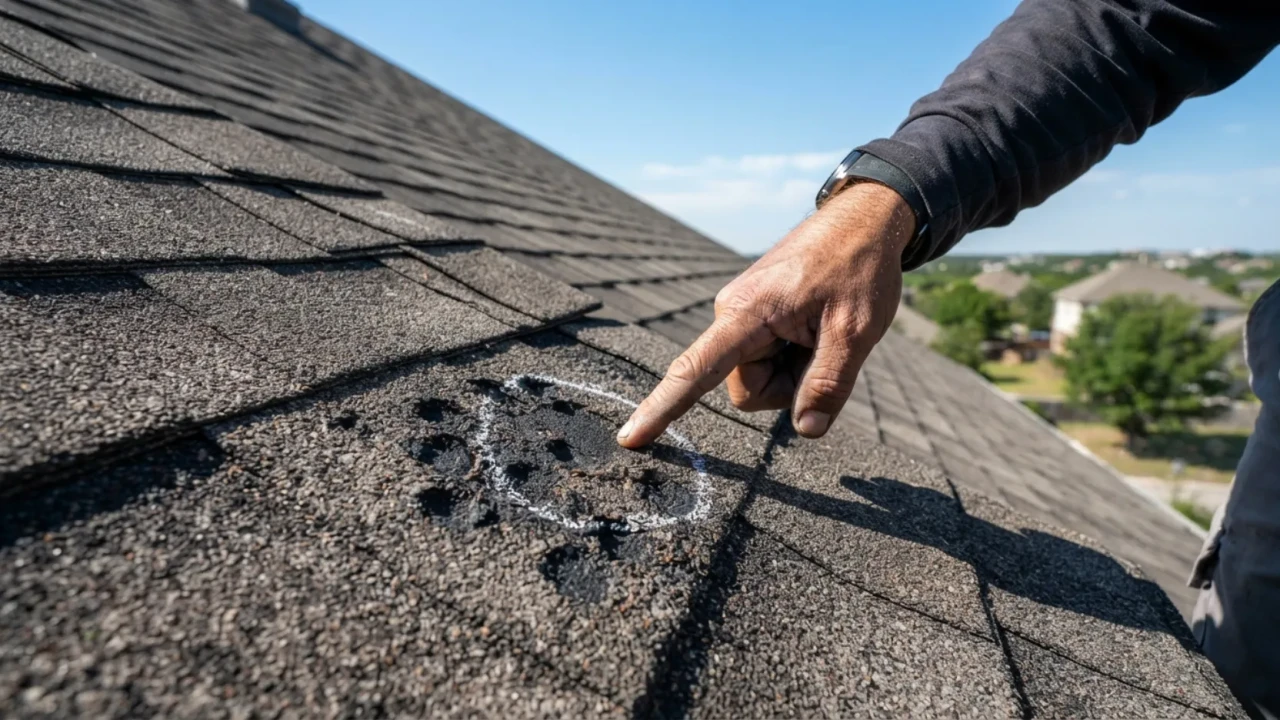
Write down each quote’s scope, exclusions, total, and any open questions, and ask for an updated written scope whenever an answer changes what you are buying. For a deeper checklist, see what to look for in roofing quotes, and if your roof is asphalt, the guide to asphalt roof cost in San Antonio covers the full-roof side of the question.
Next steps: what you can do, and what needs a pro
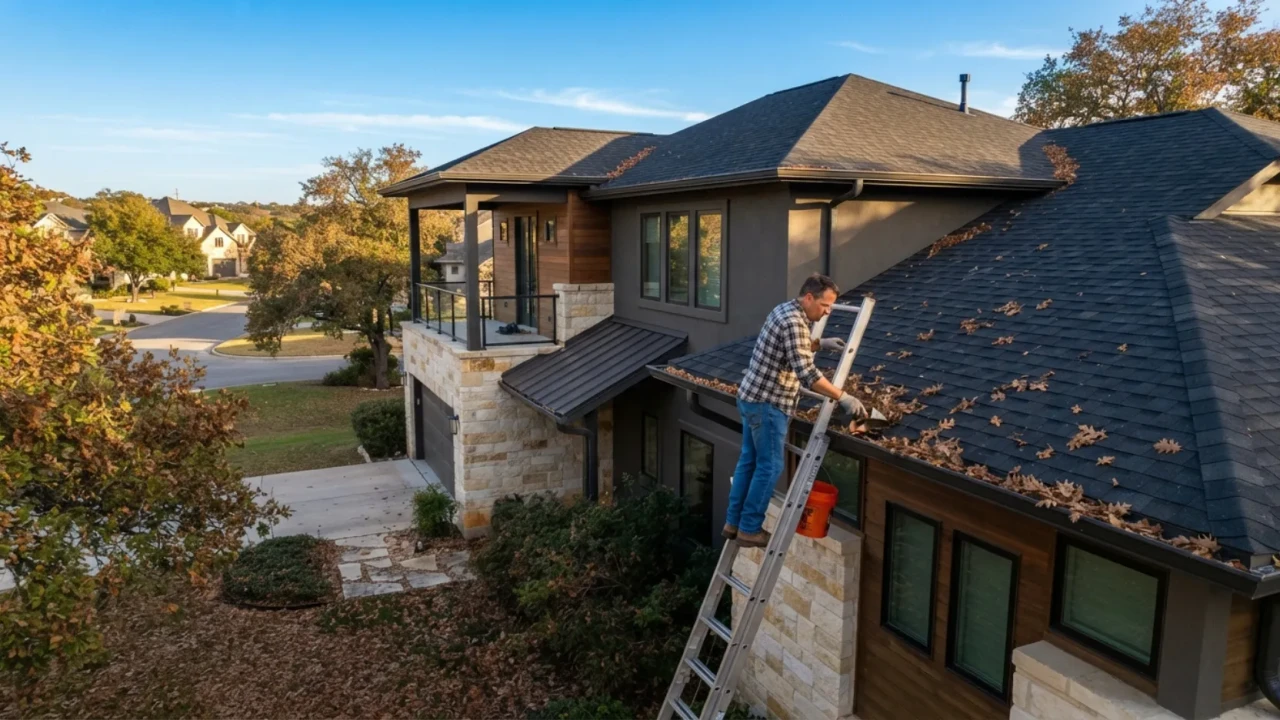
You can gather useful information from the ground and on paper; leave the roof itself to a roofer.
You can safely:
- Look at the roof from the ground and note where shingles are missing, lifted, or patched.
- Check ceilings and walls indoors for stains that point to a past or active leak.
- Take photos and gather records such as the roof’s age and any earlier repairs.
- Read your homeowner policy so you know your deductible and how it treats roof work.
Leave to a roofer: climbing and walking the roof, judging the deck and flashing, and measuring the damaged area. Never get on the roof yourself. A twice-a-year look from the ground, in spring and fall, helps you catch small problems early, and a professional can confirm what they mean. RRSATX offers a free roof inspection with a written estimate, so you can see the scope and price before any work is scheduled.
Local roofing service
About Affordable Roofing Contractors San Antonio
Affordable Roofing Contractors San Antonio, also known as RRSATX, provides roof inspections, roof repair, roof leak repair, roof replacement, and asphalt, metal, and tile roofing in San Antonio. Its roof inspections and leak inspections are free, with no fee and no obligation, and you get a free written estimate before any work starts. A technician walks the roof during the inspection.
- Phone
- (713) 504-2341
- sales@affordableroofingcontractorssanantonio.com
- Address
- 4324 Monterey St, San Antonio, TX 78237
- Contact
- Request a free roof inspection
Roof repair cost: questions answered
Why can’t a roofer give me a price over the phone?
A repair price depends on the type and extent of the damage, the material, the roof’s pitch and access, and what is found under the surface. Until a roofer sees the roof, any number is a guess, which is why a written estimate follows an inspection.
What makes one repair cost more than another?
Wider or deeper damage, harder-to-match materials, a steep or hard-to-reach roof, and hidden deck damage all add to the work. A contained surface repair on a walkable roof is simpler than one that reaches the flashing, edges, or wood deck.
How many quotes should I get?
The Texas Department of Insurance suggests getting at least three bids so you can spot an offer that is too high or too good to be true. Compare the included scope, not just the totals, and keep a copy of all agreements. [3]
Do I need a permit for a roof repair in San Antonio?
The city’s Development Services Department says a permit is required for repairing or replacing a roof. A homeowner can obtain it or hire a registered Home Improvement Contractor for non-structural work. Confirm whether your property is inside city limits. [1]
Will insurance pay for my roof repair?
That is up to your insurer and policy, and you pay your deductible. A roofer cannot act as your public insurance adjuster on a job they are doing, and it is illegal in Texas to waive, rebate, or absorb a deductible. Ask your insurer to explain the decision. [2]
Explore the roofing topic
Choose your next question
Get a written repair estimate
Ask RRSATX for a free roof inspection and a clear, written estimate before you compare quotes.