
[et_pb_section fb_built=”1″ admin_label=”section” _builder_version=”4.16″ global_colors_info=”{}”][et_pb_row admin_label=”row” _builder_version=”4.16″ background_size=”initial” background_position=”top_left” background_repeat=”repeat” global_colors_info=”{}”][et_pb_column type=”4_4″ _builder_version=”4.16″ custom_padding=”|||” global_colors_info=”{}” custom_padding__hover=”|||”][et_pb_code _builder_version=”4.27.7″ _module_preset=”default” hover_enabled=”0″ sticky_enabled=”0″]
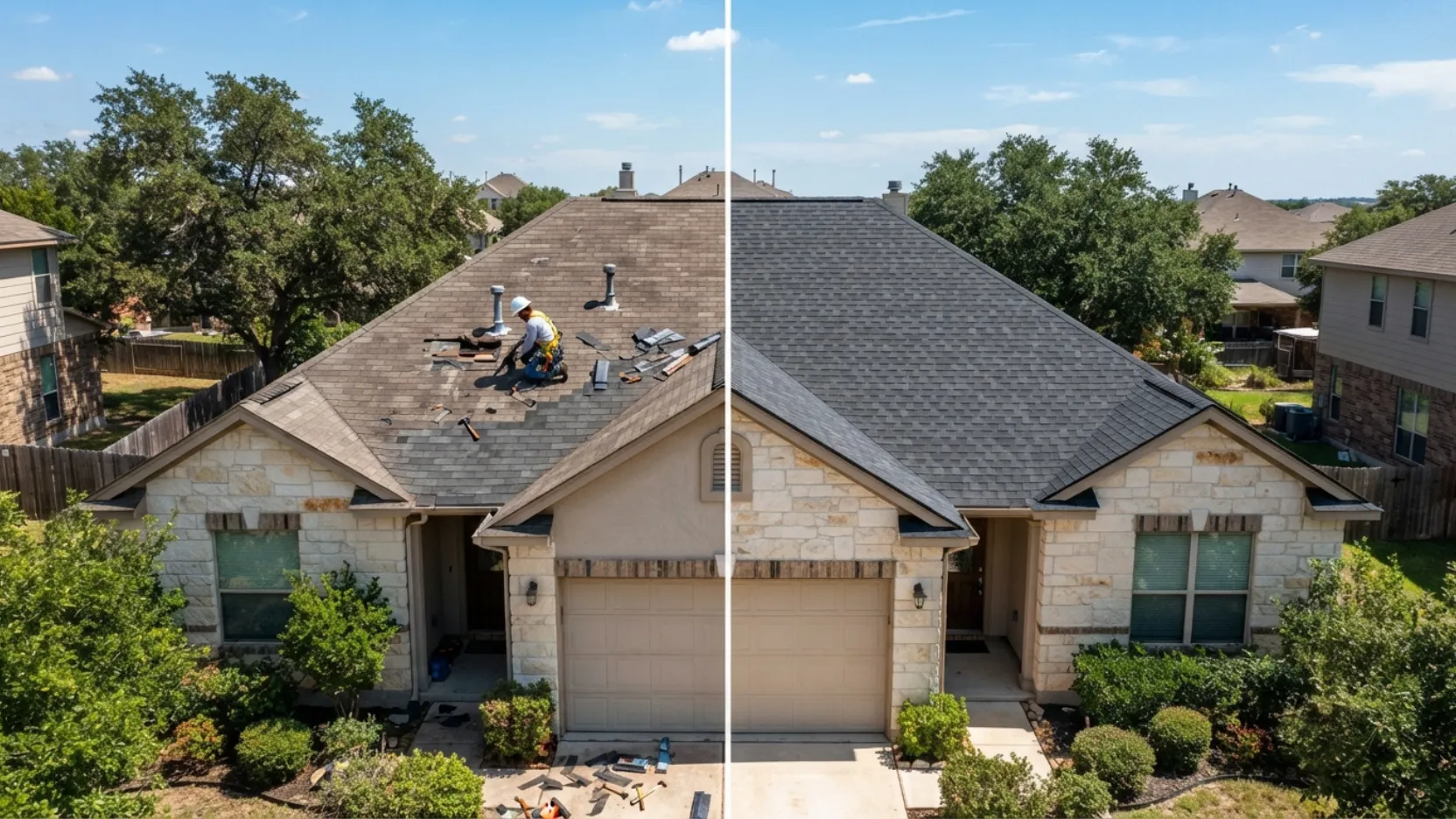
One of the most expensive decisions a San Antonio homeowner faces is whether a damaged or aging roof needs a patch or a full replacement. This guide covers every factor that drives the right answer, what each option costs in 2026, and how to avoid the mistakes that turn a repair situation into an unnecessary full replacement.
Every San Antonio homeowner eventually faces the same uncomfortable conversation with a roofing contractor: your roof has damage, and you need to decide whether to repair it or replace it. The stakes are real. A repair on a roof that should be replaced will fail again, often sooner than expected. A replacement on a roof that still had serviceable life is money spent before it had to be.
The right answer depends on several specific factors, and none of them should be rushed. The age of your roof, the type and extent of the damage, your plans for the home, your insurance situation, and the percentage of your roof’s area that is affected all play into the decision. This complete guide walks through every one of those factors so you can make the right call for your specific home, your budget, and the Texas climate your roof has to survive.
A contractor who gives you a repair or replacement quote without walking your roof and showing you the damage in writing is not giving you enough information to make a good decision. The right starting point is always a thorough inspection with documented findings. Any reputable San Antonio roofing contractor will provide a written assessment of what they found on the roof, why they are recommending repair or replacement, and what the specific scope of work covers. If all you get is a dollar figure and a recommendation, ask for more before you commit.
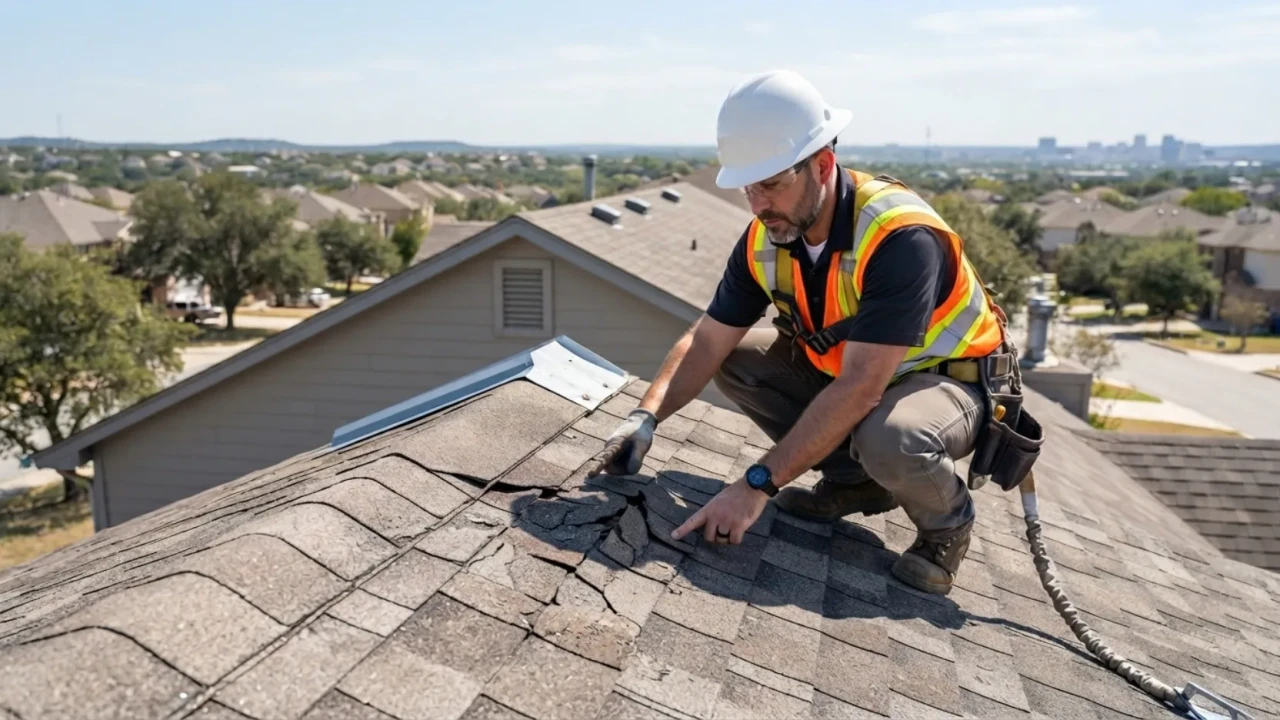
No single factor makes the repair vs. replacement call by itself. The decision comes from the combination of all of these elements reviewed together. A roof that scores strongly for repair on five of these factors may still need replacement if the sixth factor is decisive enough. Work through all of them before committing.
Age Factor
Roofing materials have expected lifespans, and the Texas climate accelerates the aging process for most of them. San Antonio’s combination of intense UV exposure, summer heat that regularly exceeds 100 degrees Fahrenheit, and periodic severe hailstorms degrades roofing materials faster than most other regions in the country. A standard three-tab asphalt shingle roof that might last 25 years in the Pacific Northwest will typically need replacement at 15 to 20 years in San Antonio.
The key question is not just how old your roof is. It is how much useful life remains relative to what the repair will cost. A repair on a roof that has 15 years of life left is a sound investment. The same repair on a roof that has 2 years of life left is money that will not be recovered before the replacement happens anyway.
Under 10 years old: Repair is almost always the right call unless structural damage is involved. The roof has the majority of its serviceable life ahead of it, and any isolated damage from a storm or installation defect is worth fixing to protect that investment.
10 to 15 years old: Repair is still appropriate for isolated damage. Begin thinking about the total condition of the roof, not just the visible damage, and plan for replacement within the next 5 to 10 years.
15 to 20 years old: This is the tipping point for San Antonio asphalt shingle roofs. Get a full inspection of the entire roof, not just the damaged section, before committing to a repair. The cost of the repair may be better applied toward a new roof.
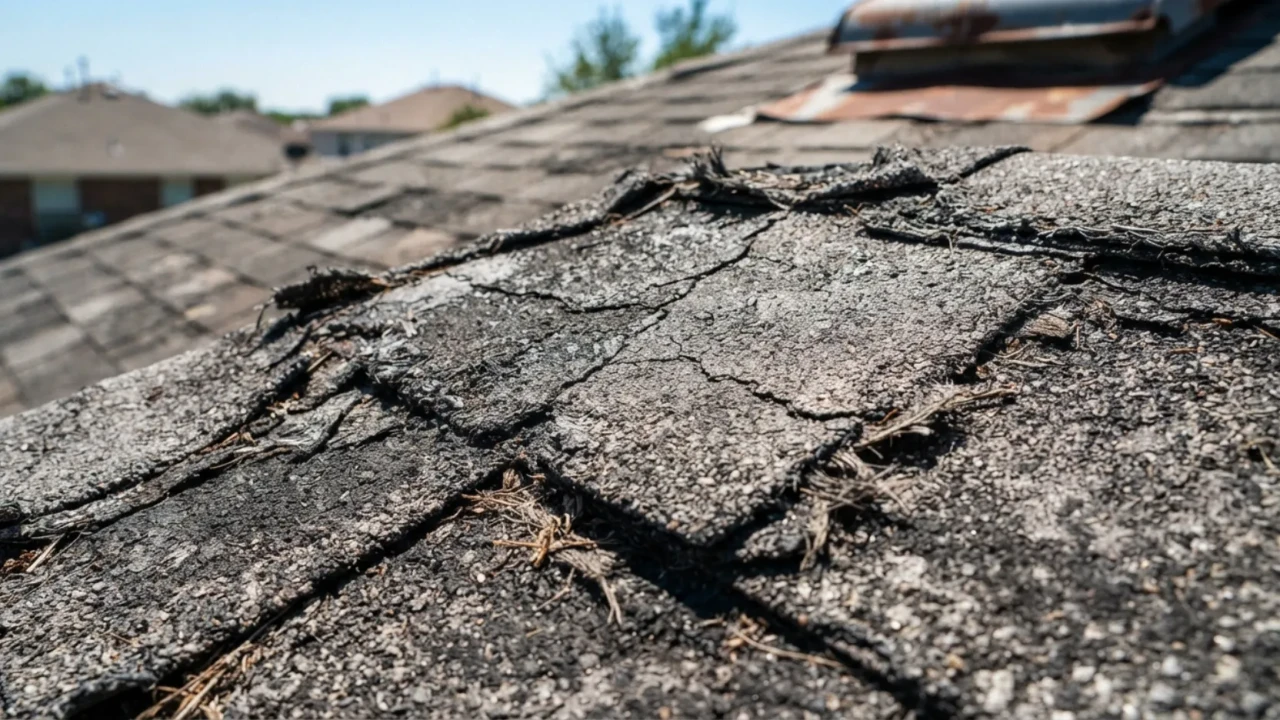
Over 20 years old: Replacement is the likely right answer in most cases. Asphalt shingles beyond this age in the Texas climate have typically experienced significant granule loss, brittleness, and underlying moisture damage that makes targeted repair ineffective as a long-term solution.
- Roof under 10 years: repair isolated damage, full replacement not yet warranted
- Roof 10 to 15 years: repair is still appropriate, but get a full condition assessment alongside the repair quote
- Roof 15 to 20 years: evaluate total condition carefully before committing to repair costs
- Roof over 20 years: expect replacement to be the recommendation, and get a second opinion if a repair is proposed without a thorough explanation
- Metal roofs, tile roofs, and slate: different lifespans apply, with metal lasting 40 to 70 years and tile lasting 25 to 50 years
Damage Assessment
Where the damage is located and how much of the roof surface it covers is the most direct factor in the repair vs. replacement decision. A damaged area covering less than 25 to 30 percent of one slope is typically a repair situation regardless of the roof’s age, assuming the rest of the roof is in reasonable condition. Damage that is widespread across multiple slopes, or that has penetrated to the decking and underlayment, moves the decision toward replacement.
Damage type also matters as much as coverage. Structural damage that has reached the roof decking, water damage that has created rot in the sheathing, or mold growth in the attic from long-term moisture intrusion are all signs that the problem has progressed beyond what a surface repair can resolve. A contractor who quotes a shingle repair without pulling back any material to inspect the decking below is not giving you a complete picture.
The 25% rule is a practical starting point for most residential repair decisions: if the damaged area covers less than 25% of the total roof surface and the surrounding material is in good condition, repair is almost always the right call. If damage covers more than 25% of the roof, or if damage is spread across multiple non-adjacent areas, the total cost of targeted repairs often approaches or exceeds the cost of replacement, making replacement the more financially rational choice. Ask your contractor to walk you through the damaged areas and the total square footage involved so you can apply this comparison yourself.
- Contractor has physically walked the entire roof surface, not just the visibly damaged area
- Decking condition below damaged shingles has been inspected
- Attic has been inspected for moisture staining, mold, or daylight visible through the decking
- Total damaged area has been expressed as a percentage of the full roof surface
- Damage has been photographed and documented in a written assessment
- Flashing condition at all penetrations has been included in the assessment
Cost Rule
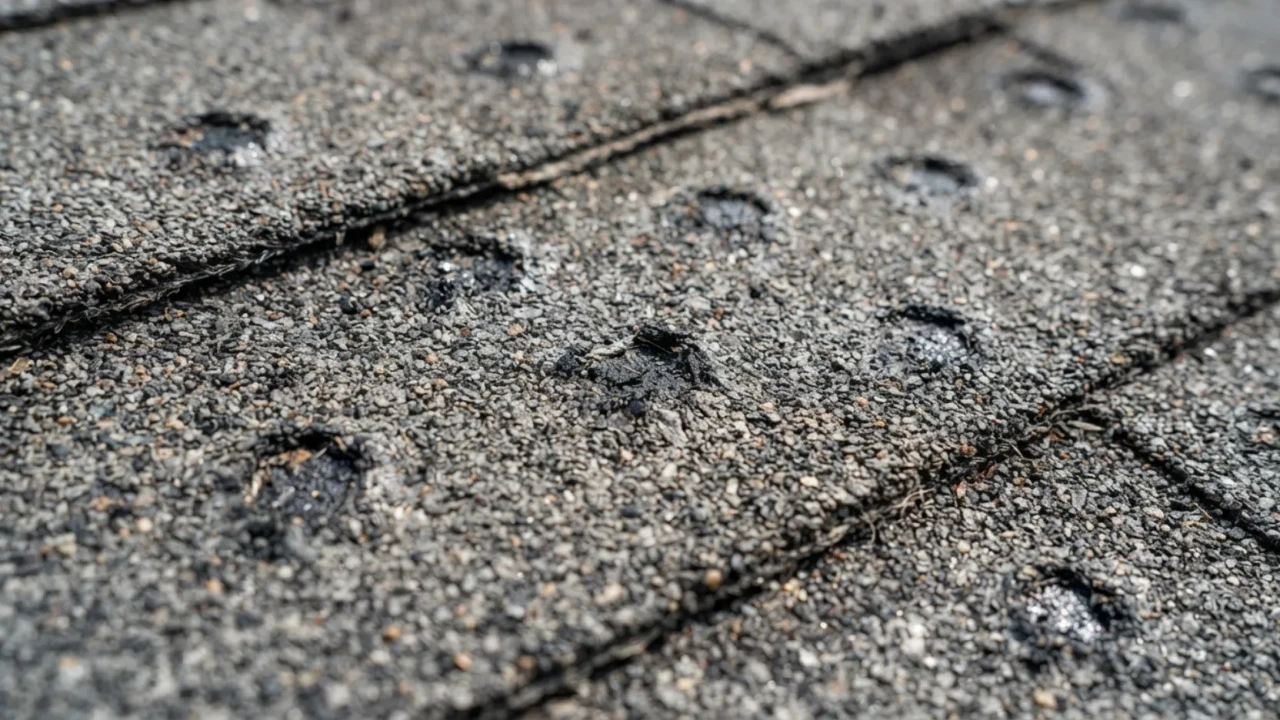
The 50% rule is the most practical financial guideline in the repair vs. replacement decision. The logic is straightforward: if a repair costs more than half the price of a full replacement, you are spending significant money without getting the benefit of a new roof, a new warranty, and a material that starts its service life fresh. At that cost level, a complete replacement delivers more value per dollar spent.
- Get a repair quote and a full replacement quote from the same contractor in the same visit
- Divide the repair quote by the replacement quote to get the cost ratio
- If the ratio is above 0.50, replacement deserves serious consideration
- Factor in roof age: a high repair cost on a newer roof is different from the same cost on a 17-year-old roof
- Get a second opinion from a different San Antonio roofing contractor before committing to either path
Insurance
San Antonio sits in one of the most active hail corridors in the United States. After a major hail event in Bexar County, the most important factor in your repair vs. replacement decision may not be the condition of the roof at all. It may be what your insurance policy covers and how your adjuster assesses the damage.
Texas homeowners insurance typically covers sudden damage from qualifying events including hail, wind, lightning, and falling trees. It does not cover damage from age, normal wear, or deferred maintenance. When a covered event causes damage to more than approximately 25% of the roof surface, most policies are written to cover a full replacement rather than a repair, because patching a portion of the roof with new shingles against weathered existing shingles is difficult to execute well and creates a roof that is uneven in remaining service life.
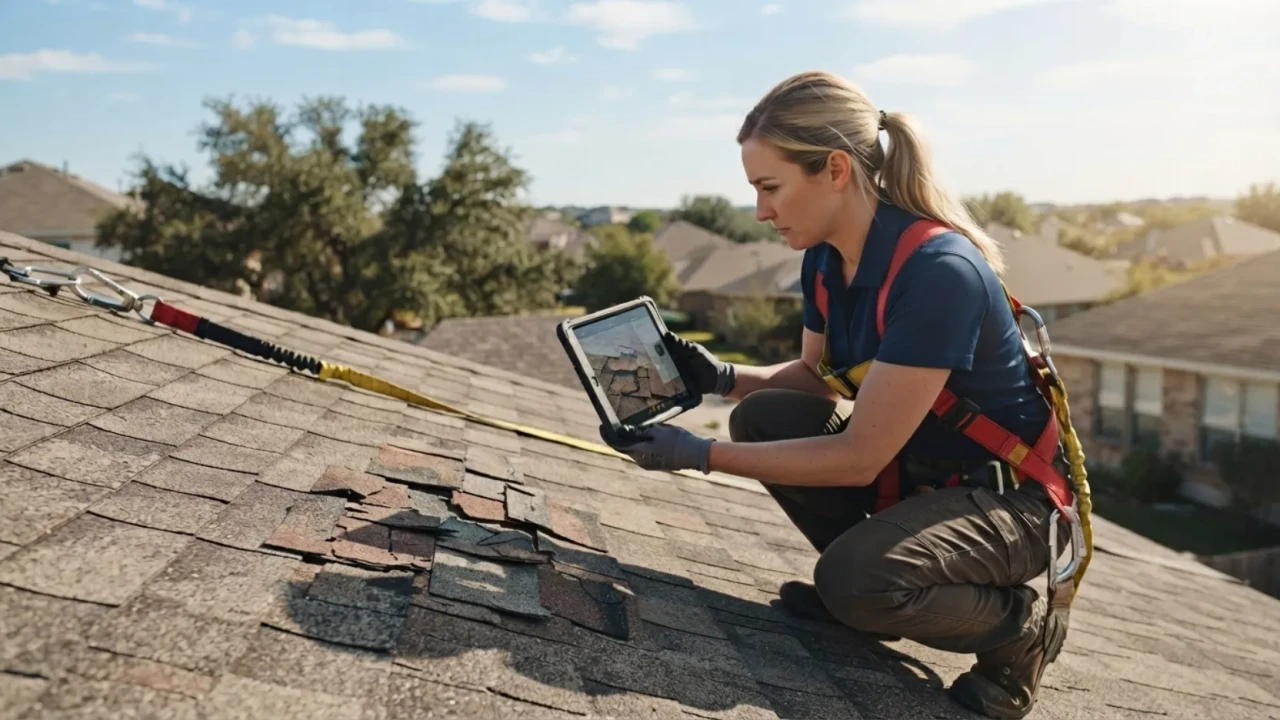
What to do after a storm: Document the damage with dated photos as soon as it is safe to do so. Contact your insurance company to open a claim. Then call a roofing contractor for an independent inspection before the adjuster arrives. You are entitled to your own professional assessment, and having it documented before the adjuster visit helps ensure the full scope of damage is captured in the claim.
If your adjuster underpays: You have options. You can hire a public adjuster who works on your behalf to negotiate a higher claim settlement. You can request a reinspection. And in Texas, you have the right to invoke the appraisal clause in your policy if you and the insurer disagree on the scope of damage or the dollar amount of the claim.
Claim timing: Texas insurance policies typically allow one year from the date of the storm event to file a claim. Do not assume damage is too small to file for. Let a roofing contractor assess it before making that judgment call.
- Storm damage documented with dated photos before any temporary repairs are made
- Claim filed within the policy window, typically one year in Texas
- Independent contractor inspection completed before the insurance adjuster visits
- Adjuster’s scope of work reviewed against the contractor’s independent assessment
- Supplement request filed if the adjuster’s scope misses items the contractor identified
- Depreciation recovery claim filed once the work is completed, if your policy includes recoverable depreciation
Ownership Plans
The right roofing decision is different for a homeowner who plans to live in the house for the next 20 years versus one who plans to sell within the next two years. Both can make financially sound choices, but the logic behind those choices is different.
For a homeowner staying long-term, the goal is to maximize the value and performance of the roof over many years. A repair that extends the life of a sound roof is a good investment. A replacement that eliminates a recurring problem and provides a fresh warranty is also a good investment when the repair cost gets high enough relative to replacement cost.
For a homeowner planning to sell, the calculus changes. Buyers in the San Antonio market and their lenders pay close attention to roof condition during the purchase process. A roof that is near or past its expected lifespan can be a deal-breaker or a price reduction trigger. In this context, a replacement shortly before listing may deliver more return than the cost suggests, because it removes a significant objection from the buyer’s side and often satisfies lender requirements that a damaged or aging roof would not.
San Antonio real estate agents consistently report that a roof within five years of its expected end of life will come up in buyer negotiations. Some buyers will request a replacement as a condition of purchase. Others will ask for a price reduction equal to the estimated replacement cost. If you are listing a home with an aging roof, getting a roofing inspection ahead of time and knowing the current condition in writing puts you in a much stronger position than being surprised by the buyer’s inspector. At minimum, you will be able to price accordingly and avoid re-negotiations late in the transaction process.
- How long do you intend to stay in the home?
- Is a sale or refinance planned within the next two to three years?
- Does the current roof condition create a likely buyer objection or lender condition?
- Is there an insurance claim that could fund a replacement and remove the cost from your pocket?
- If repair: how many more years of life does it add, and how does that compare to the timeline you need?
Systemic Failure
A single leak on an otherwise sound roof is an isolated problem. A roof that leaks again in a different location three months after being repaired, and then again somewhere else after that, is telling you something different. Recurring failures across different areas of the same roof are the clearest signal that the material has reached the end of its functional life and that individual repairs are no longer an effective strategy.
This pattern is very common in San Antonio on asphalt shingle roofs that are 15 to 20 years old. The shingles are brittle from years of UV exposure. The granule layer has thinned. The underlayment has degraded. When a storm event, a temperature spike, or even foot traffic introduces any stress to the system, new failures appear in the areas that were already weakest. Repairing each new failure as it appears is like patching individual holes in a worn-out pair of jeans. At some point, the fabric itself is the problem.
Many San Antonio homeowners make repair decisions in isolation. They approve each repair individually without adding up the total spent over the past three to five years. When that number is assembled, it often surprises them. A roof that has received $2,000 in repairs over the past four years and now needs another $1,800 repair has effectively spent $3,800 on a roof that is still showing new problems. Knowing this total changes the conversation about whether the next repair is still the right call.
- More than two roof repairs in the past five years
- Leaks appearing in different locations after previous repairs were completed
- Interior water staining on ceilings in multiple rooms
- Visible daylight from the attic through the roof decking
- Shingles that are cracking, curling at the edges, or losing significant granule coverage
- Moss or algae growth across large sections of the roof surface
- Soft spots when walking on the roof, indicating decking rot beneath
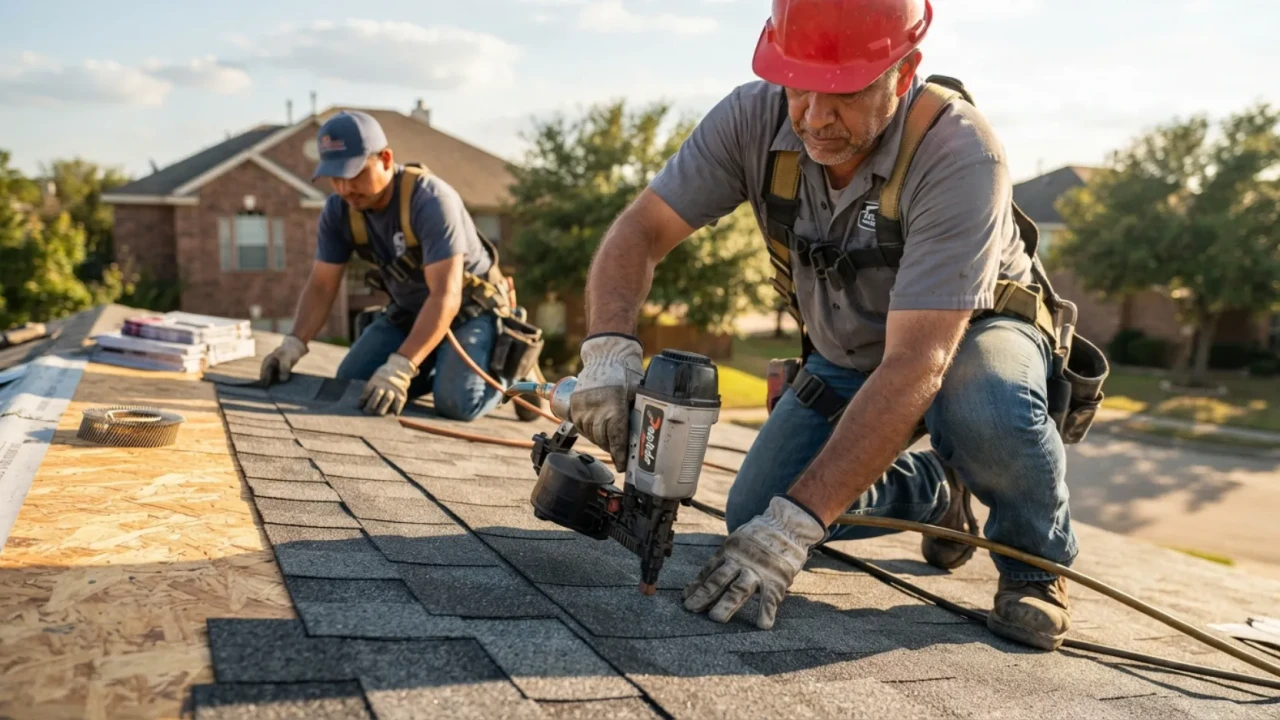
Use this table to see exactly where repair and replacement each make sense. No single row tells the whole story, but the pattern of answers across all rows will point clearly in one direction for your specific situation.
| Factor | Points toward Repair | Points toward Replacement |
|---|---|---|
| Roof age | Under 15 years old | Over 20 years old for asphalt shingles in San Antonio |
| Damage coverage | Less than 25% of total roof surface affected | More than 25 to 30% affected, especially across multiple slopes |
| Damage type | Isolated shingle loss, flashing failure, single leak point | Decking rot, widespread granule loss, multiple active leak sources |
| Repair cost vs. replacement | Repair quote is under 30% of full replacement cost | Repair quote exceeds 50% of full replacement cost |
| Repair history | First or second repair on the roof | More than two repairs in the past five years |
| Insurance coverage | Damage too limited to meet deductible threshold | Covered storm event affecting enough of the roof to trigger full replacement |
| Ownership timeline | Planning to stay in the home for 10 or more years | Selling soon and roof condition will affect buyer negotiations or lender approval |
| Decking condition | Decking is solid and dry with no soft spots | Soft spots, rot, or moisture damage in the sheathing |
| Attic condition | No moisture staining, no mold, no daylight through decking | Visible water staining on rafters, mold present, light visible through decking |
| Material condition | Surrounding shingles have good granule coverage and lie flat | Shingles are curling, cracking, blistering, or losing granules across the field |
These ranges reflect real San Antonio market costs in 2026. Your specific cost will depend on the size of your roof, the pitch, the material selected, the extent of any decking damage, and the specific contractor. Always get at least two written quotes before authorizing work.
| Work type | Typical cost range (San Antonio 2026) | Notes |
|---|---|---|
| Small shingle repair (up to 10 sq ft) | $300 to $600 | Isolated missing or cracked shingles from wind or storm impact |
| Moderate repair (up to 100 sq ft) | $600 to $1,500 | Larger storm damage section or multiple isolated problem areas |
| Flashing repair or replacement | $300 to $800 | Chimney, vent, skylight, or valley flashing; common source of persistent leaks |
| Leak diagnosis and repair | $400 to $1,000 | Includes identifying the true source of the leak before patching |
| Partial roof replacement (one slope) | $2,500 to $5,500 | When damage is concentrated on one side of the roof |
| Full asphalt shingle replacement (1,500 sq ft) | $8,000 to $13,000 | Complete tear-off and replacement; includes new underlayment and flashing |
| Full asphalt shingle replacement (2,000 sq ft) | $10,000 to $18,000 | Standard range for a 2,000 sq ft San Antonio home with typical roof complexity |
| Decking replacement (per sheet) | $80 to $150 per sheet | Added to replacement or major repair when rot or moisture damage is found during tear-off |
| Roof-over (second layer of shingles) | $6,000 to $11,000 | Lower cost but limited to one application; not recommended by most San Antonio contractors |
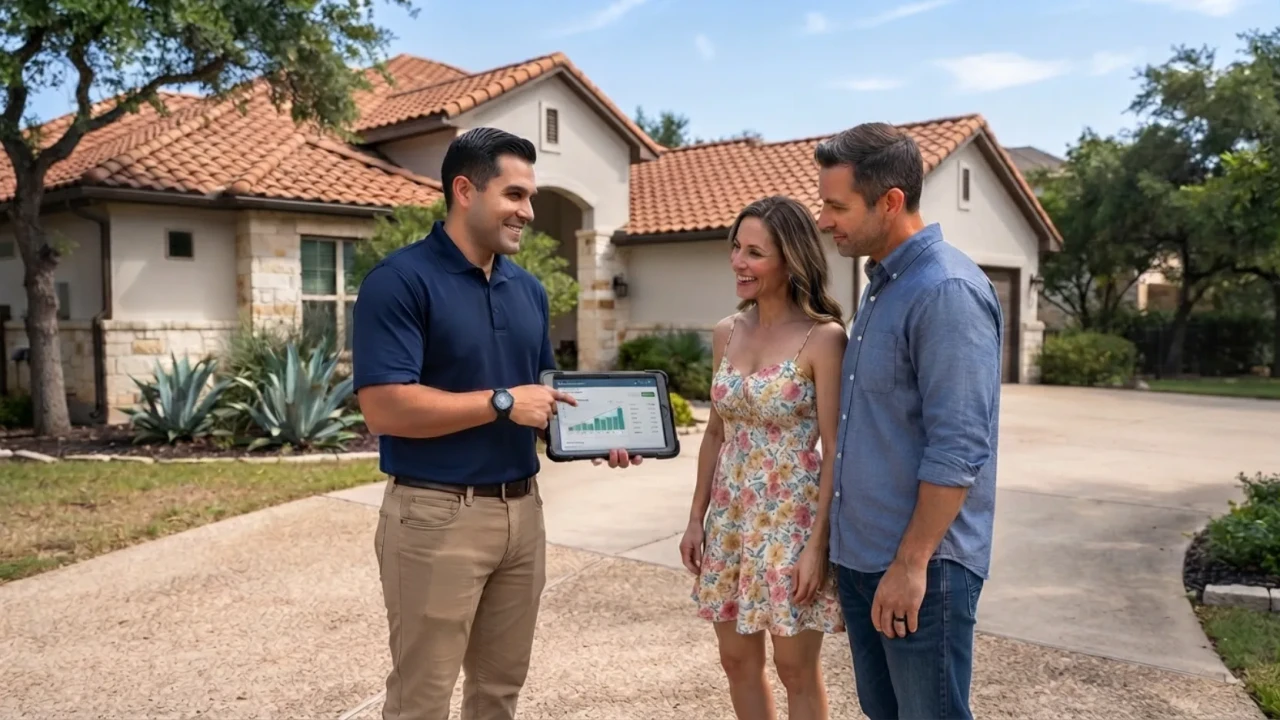
- You know the approximate age of your roof (check home inspection records, permits, or ask the contractor to estimate)
- You have a written inspection report documenting the specific damage found and its location
- The inspection included the attic as well as the roof surface
- The total damaged area has been expressed as a percentage of the total roof surface
- Decking condition below the damaged area has been evaluated
- You have a written repair quote with a specific scope of work, not just a price
- You have a written full replacement quote from the same contractor for comparison
- You have a second quote from a different San Antonio roofing contractor
- You have calculated the repair-to-replacement cost ratio to apply the 50% rule
- You have tallied any prior repair costs on this roof over the past three to five years
- If a storm occurred within the past 12 months, you have contacted your insurance company to open a claim
- You have gotten an independent contractor inspection before the adjuster’s visit
- You have reviewed the adjuster’s scope against your contractor’s findings
- You understand your deductible amount and how it compares to the scope of the repair or replacement
- You know whether your policy includes recoverable depreciation that can be claimed after work is complete
- Your decision is consistent with at least three of the six decision factors covered in this guide
- The contractor you selected is licensed in Texas and carries at least $1 million in general liability coverage
- The scope of work is documented in a written contract, not a verbal agreement
- The workmanship warranty is in writing with a specific duration and what it covers
- The payment schedule is in the contract, with no requirement for full payment before work begins
- Any material warranties (manufacturer coverage on shingles or underlayment) have been documented
How do I know if I need a new roof or just a repair?
How much does roof repair cost in San Antonio in 2026?
Can you put new shingles over old shingles instead of a full replacement?
Will my insurance pay for roof replacement in San Antonio?
How long does a roof replacement take in San Antonio?
What is the best roofing material for a replacement in San Antonio?
How do I find a trustworthy roofing contractor in San Antonio?
Not sure whether your San Antonio roof needs repair or replacement?
We will walk your roof, document everything we find, and give you honest written quotes for both options so you can make the right call for your home and your budget. No pressure, no guessing.
[/et_pb_code][/et_pb_column][/et_pb_row][/et_pb_section]